

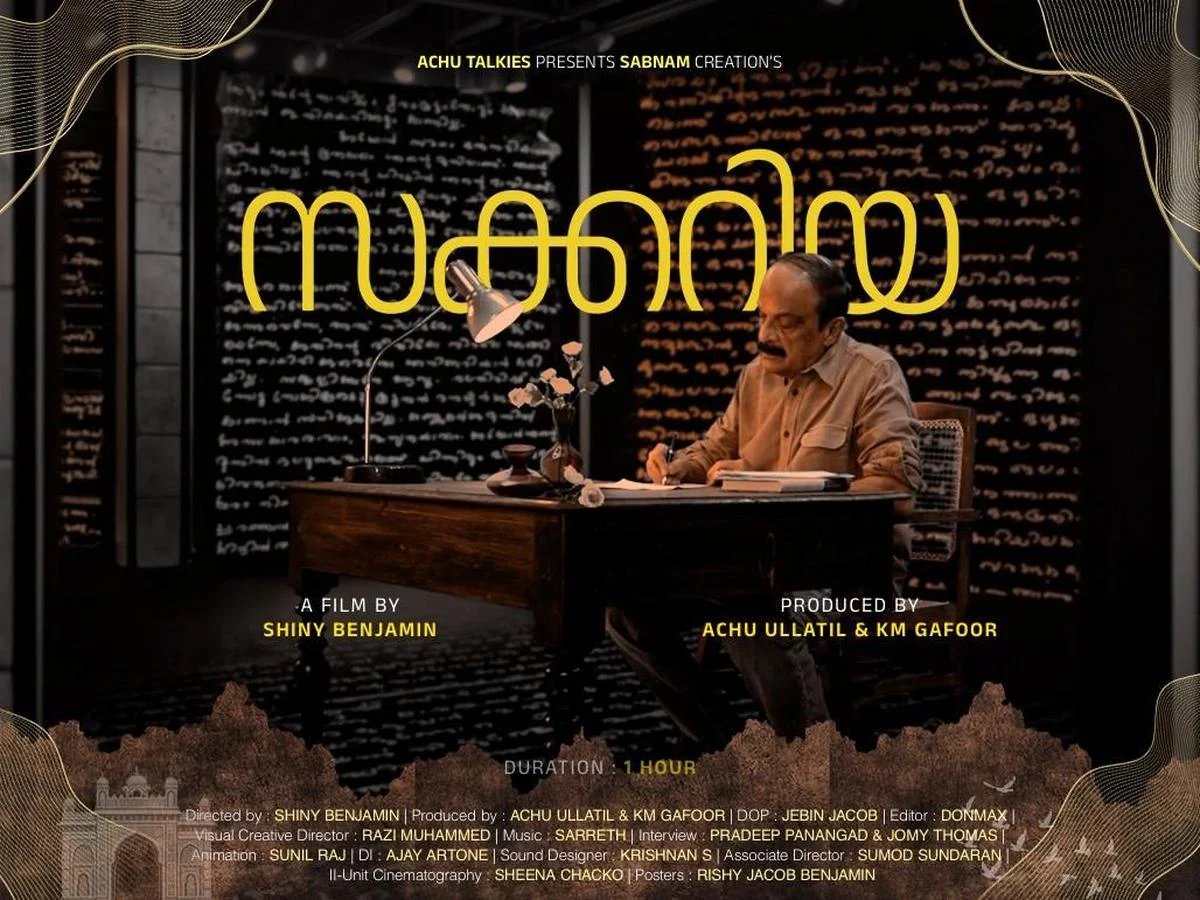
The life and enduring legacy of celebrated Malayalam writer Paul Zacharia are brought to life in a compelling new documentary, "Zacharia," directed by award-winning filmmaker Shiny Benjamin. The film, which recently premiered at the Kairali-Sree-Nila Theatre complex in Thiruvananthapuram, offers a profound exploration of the writer’s multifaceted journey, weaving together his iconic works with the personal narrative that shaped them.
Hailing from the verdant landscapes of Urulikunnam in Kottayam, Paul Zacharia, affectionately known as Zacharia, often evokes the gentle rains, warm sunshine, and dappled shade of his childhood as the nascent stirrings of his literary consciousness. However, his life story is far from a static tableau; it is a continuous narrative of rebirth and reinvention. From his formative years as a child in Kerala to his intellectual awakening as a college student in Bengaluru, and subsequently as a prominent writer and journalist in India’s bustling capital, Delhi, Zacharia’s journey has been one of constant evolution and profound engagement with the world.
The documentary, a collaborative effort produced by Achu Ullatil and K.M. Gafoor, masterfully stitches together the fragmented yet richly textured facets of Zacharia’s life with his literary output. Through the evocative artistry of animated illustrations by Sunil Raj, the film transcends a mere biographical account, delving into the essence of his creative spirit. It also offers intimate glimpses into his family life and the significant friendships that have punctuated his remarkable career.
A Life Reimagined on Screen
Reflecting on the cinematic portrayal of his life, Mr. Zacharia, a prolific author whose bibliography spans short stories, novellas, travelogues, screenplays, essays, and columns, expressed his deep satisfaction. "I feel great joy in seeing my life reconstructed so creatively on the big screen," he remarked. "Especially seeing my stories and my life played out in tandem, like a fictional work, is a truly remarkable experience."
The 81-year-old writer’s literary journey commenced in 1964 with the publication of his debut short story, "Unni the Child." Over the decades, his incisive prose and unique narrative style have garnered him widespread acclaim and a dedicated readership. Among his most celebrated works are "Bhaskara Pattelarum Ente Jeevithavum," "Salam America," "Aarkkariyam," and "Oru Nasrani Yuvavum Goulishashthravum," each a testament to his literary prowess and his ability to probe the complexities of human experience.
Weaving Narratives: The Documentary’s Approach
The one-hour-long documentary, helmed by Shiny Benjamin, presents Mr. Zacharia, often referred to by his affectionate moniker Skariachan, as he saunters down the corridors of memory. The film delves into his profound encounters with pivotal ideas such as misogyny, Christianity, and communism, themes that have consistently informed and enriched his literary contributions.
"He has written, travelled, and experienced so much," commented Ms. Benjamin, highlighting the monumental task of encapsulating such a rich life into a concise film. "To condense them and present them on the screen was the biggest challenge for me." She lightheartedly added, "It is a 40-hour film that we managed to trim to one hour," underscoring the depth of material explored.

The film’s technical and artistic contributions are equally noteworthy. The cinematography, captured by Jebin Jacob, provides a visually engaging backdrop to Zacharia’s narrative. The musical score, composed by the veteran Sarreth, adds an emotional resonance to the storytelling, while the editing by Don Max ensures a seamless and captivating flow of events.
Echoes of Influence: Mentors and Inspirations
A particularly poignant aspect of "Zacharia" is its exploration of the writer’s significant encounters with the late, legendary filmmakers John Abraham and G. Aravindan. These interactions were not merely professional associations but profound influences that indelibly shaped Zacharia’s perspective and artistic sensibilities. The documentary captures Zacharia’s deep sense of loss at Aravindan’s passing, describing it as the "loss of half his soul."
Mr. Zacharia articulates the profound impact these cinematic pioneers had on his life: "They made me who I am, and the true objective of this film is to resurrect them through me." This sentiment underscores the documentary’s ambition to not only celebrate Zacharia’s individual achievements but also to pay homage to the artistic lineage and the intellectual currents that have propelled his work.
A Philosophy of Perpetual Renewal
Central to the documentary’s thematic core is the articulation of Zacharia’s enduring philosophy of creative evolution. The film underscores his belief that true artistic vitality lies in constant self-reinvention. As Mr. Zacharia himself states, "I have failed as a writer the moment I cease to reinvent myself with every new work." This unwavering commitment to pushing creative boundaries and embracing new perspectives is a cornerstone of his prolific career and a key takeaway for audiences.
The Genesis of "Zacharia": A Chronological Journey
The creation of the documentary "Zacharia" represents a meticulous and deeply personal endeavor by filmmaker Shiny Benjamin. The project, which took several years to come to fruition, involved extensive research, numerous interviews, and a creative vision aimed at capturing the essence of Paul Zacharia’s extraordinary life and literary contributions.
Early Development and Conceptualization:
The initial spark for the documentary likely ignited from Benjamin’s profound admiration for Zacharia’s work and her recognition of his significant impact on Malayalam literature and Indian writing. The conceptualization phase would have involved outlining the key narrative arcs, identifying the central themes to be explored, and envisioning how to translate Zacharia’s complex inner world and literary achievements into a visual medium. This would have included brainstorming on the best ways to integrate his writings with his life story, a challenge that ultimately led to the innovative use of animated illustrations.
Research and Archival Work:
A crucial stage in the documentary’s production would have been extensive research. This would have involved delving into Zacharia’s published works, personal archives, and any available biographical information. Interviews with family members, close friends, literary critics, and fellow writers would have been paramount to gathering diverse perspectives and building a comprehensive understanding of his life and career. The filmmakers would have sought out any existing audio or visual material that could enrich the narrative.

Filming and Interviews:
The core of the documentary’s production would have involved filming Mr. Zacharia himself, capturing his reflections on his life, his inspirations, and his creative process. These interviews, likely conducted over multiple sessions, would form the backbone of the film’s narrative. Additionally, interviews with key individuals in his life – family, friends, collaborators, and admirers – would have been crucial for providing context, corroborating stories, and offering different viewpoints.
Artistic Integration: Animation and Visuals:
A distinctive feature of "Zacharia" is its use of animated illustrations by Sunil Raj. The decision to incorporate animation was likely a strategic one to bring Zacharia’s stories and his imaginative world to life in a dynamic and engaging manner. The process of conceptualizing and creating these animations would have been a significant undertaking, requiring close collaboration between the director and the animator to ensure they visually complemented the narrative and captured the spirit of Zacharia’s writings. The cinematography by Jebin Jacob would have focused on capturing the visual essence of the locations significant to Zacharia’s life and the emotional tenor of the interviews.
Post-Production: Editing, Music, and Sound:
Once the principal filming and animation were complete, the documentary would have entered the intensive post-production phase. The editing process, led by Don Max, would have been critical in shaping the raw footage into a coherent and compelling narrative. This would involve meticulously selecting the best takes, pacing the film effectively, and ensuring a smooth transition between different segments and narrative threads. The musical score by Sarreth would have been composed and integrated during this stage to enhance the emotional impact of the film and underscore key moments. Sound design and mixing would have also played a vital role in creating an immersive viewing experience.
Premiere and Reception:
The screening of "Zacharia" at the Kairali-Sree-Nila Theatre complex in Thiruvananthapuram marks the culmination of this extensive production journey. The premiere serves as the official unveiling of the documentary to the public and the media, initiating its journey towards wider distribution and critical reception. The initial reactions from the audience and critics at the premiere would provide valuable feedback and insights into the film’s impact and its success in achieving its artistic objectives.
Supporting Data and Critical Acclaim
While specific critical reviews for "Zacharia" are still emerging following its premiere, the film’s subject matter and the pedigree of its creators suggest a promising reception. Paul Zacharia is a literary figure of immense stature in Malayalam and Indian literature. His body of work is characterized by its intellectual depth, its unflinching engagement with social and political issues, and its masterful use of language. His stories often challenge conventional narratives and explore the complexities of human relationships and societal structures with a unique blend of humor, satire, and poignant observation.
The critical acclaim for Zacharia’s written works over the decades provides a strong foundation for the documentary’s potential success. Awards and accolades bestowed upon his literary output, such as the Sahitya Akademi Award for "Samirabhavanam" and the Vayalar Award for "Bhaskara Pattelarum Ente Jeevithavum," attest to his enduring significance. This established reputation ensures a built-in audience of readers and literary enthusiasts eager to explore his life and influences through the cinematic lens.
Furthermore, the recognition of director Shiny Benjamin, an award-winning filmmaker, lends considerable weight to the documentary. Her previous works likely showcase a keen eye for narrative, a sensitive approach to subject matter, and a commitment to artistic excellence. The collaborative efforts of producer Achu Ullatil and K.M. Gafoor, along with the artistic contributions of animator Sunil Raj, composer Sarreth, cinematographer Jebin Jacob, and editor Don Max, create a formidable team. The synergy of such talented individuals working on a project of this nature typically results in a film that is both artistically sophisticated and thematically resonant.

The film’s innovative approach, particularly the integration of animated illustrations to bring Zacharia’s stories to life, is a notable aspect that is likely to be a point of discussion and praise among critics. This technique offers a fresh perspective on biographical filmmaking, moving beyond conventional documentary tropes to create a more dynamic and immersive experience. The emphasis on the writer’s philosophical underpinnings – his commitment to self-reinvention and his intellectual engagement with critical societal issues – suggests a documentary that aims for depth and substance, rather than mere biographical recounting.
Official Responses and Future Implications
The premiere of "Zacharia" at a prominent Thiruvananthapuram theatre signifies an official recognition of the film’s artistic merit and its potential cultural significance. While direct official responses from government bodies or cultural institutions are yet to be detailed, the screening itself, especially at a venue like the Kairali-Sree-Nila complex, suggests a level of endorsement within the regional film and cultural landscape. Such screenings often pave the way for broader festival selections and potential distribution deals, indicating the film’s trajectory towards wider recognition.
The film’s potential implications extend beyond mere biographical documentation. By bringing the life and works of Paul Zacharia to a wider audience, "Zacharia" serves as a powerful tool for literary dissemination and cultural appreciation. It has the potential to:
- Inspire a New Generation of Readers and Writers: The documentary can introduce Zacharia’s timeless stories and his unique literary voice to younger audiences who may not be familiar with his work. His journey of reinvention and his intellectual curiosity can serve as a powerful source of inspiration for aspiring writers and artists.
- Promote Malayalam Literature: By highlighting a prominent figure in Malayalam literature, the film contributes to the broader promotion and visibility of the language’s rich literary heritage on a national and potentially international stage.
- Spark Critical Discourse: The film’s exploration of Zacharia’s engagement with complex themes like misogyny and communism can stimulate critical discussions about these issues within contemporary society. His philosophy of self-reinvention also offers a valuable perspective on personal growth and artistic integrity.
- Strengthen the Documentary Film Sector: The successful production and premiere of a film like "Zacharia," with its innovative artistic elements and compelling subject matter, can encourage further investment and exploration within the documentary filmmaking sector in Kerala and beyond. It sets a precedent for how biographical documentaries can be crafted with artistic flair and intellectual depth.
- Preserve and Archive Cultural Legacy: Documentaries play a crucial role in preserving the cultural legacy of prominent figures. "Zacharia" will serve as an enduring record of the writer’s life, his thoughts, and his profound impact on literature, ensuring that his contributions are remembered and celebrated for generations to come.
In essence, "Zacharia" is more than just a film; it is a cinematic homage, a critical exploration, and a celebration of a literary titan whose influence continues to resonate. As the documentary embarks on its journey, it promises to offer audiences a profound and enriching experience, a deep dive into the mind and heart of a writer who has consistently redefined the boundaries of storytelling.
