

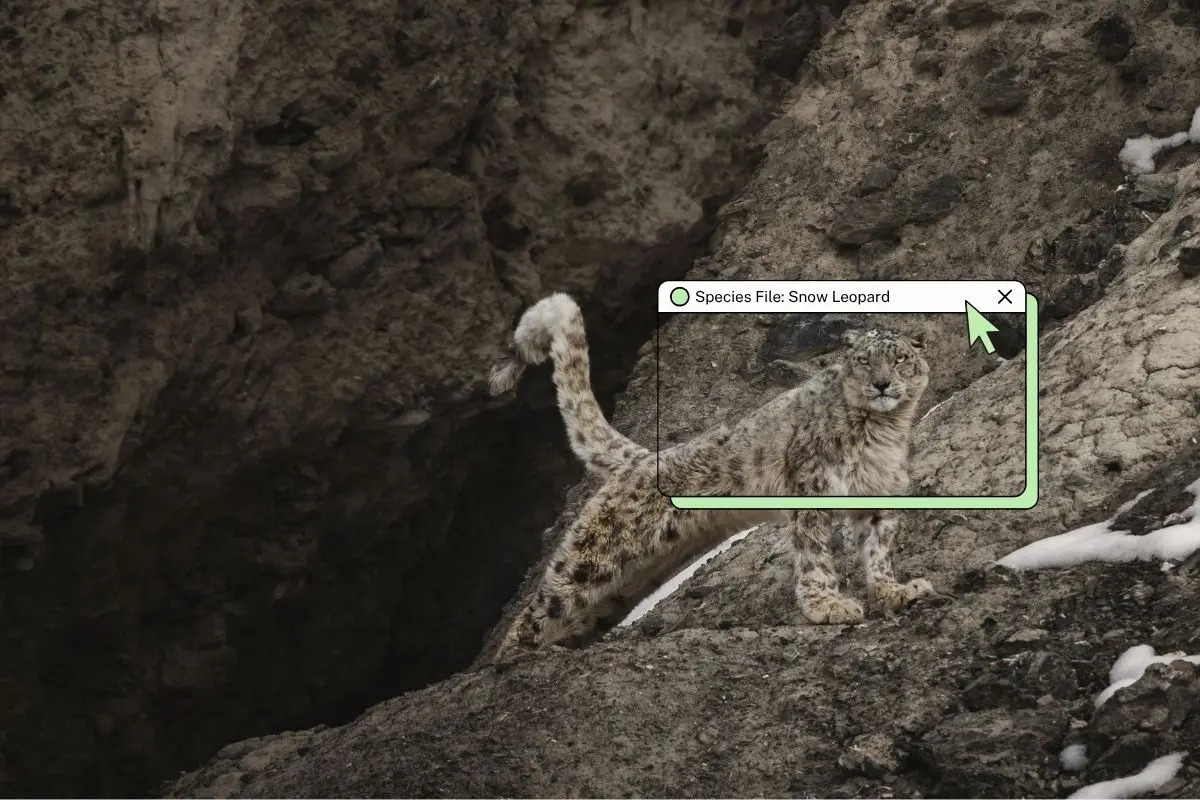
LEH, LADAKH – In the stark, windswept heights of the Trans-Himalayas, where the oxygen is thin and the terrain is defined by jagged granite and eternal snow, lives one of the world’s most enigmatic predators: the snow leopard (Panthera uncia). Known locally and globally as the "Ghost of the Mountains," this elusive big cat has long been the crown jewel of India’s high-altitude biodiversity. However, a new administrative proposal is stirring a debate that pits the lucrative potential of wildlife tourism against the fragile biological requirements of a species already teetering on the edge of vulnerability.
The Ladakh Union Territory administration recently announced plans to introduce guided wildlife safaris specifically targeting snow leopard trails. While the move is framed as a step toward organized, sustainable tourism, it has ignited a firestorm of concern among conservationists, biologists, and environmental advocates. The central question remains: Can the "Ghost of the Mountains" coexist with the machinery of modern tourism, or will the influx of visitors drive this silent predator further into the shadows?
Main Facts: The Safari Proposal and the Species at Risk
Ladakh is home to the largest contiguous snow leopard habitat in India. This vast, rugged landscape provides the necessary range for the cats to hunt blue sheep (bharal) and Asiatic ibex. The proposed wildlife safari aims to formalize the trekking and spotting routes that have, until now, been managed largely by niche tour operators and local homestay networks.
The snow leopard is a master of camouflage. Its thick, pale grey coat, adorned with dark rosettes, allows it to vanish into the rocky scree of the Himalayas. Evolution has equipped the cat with a long, muscular tail—often as long as its body—which serves as a counterbalance for navigating 40-degree slopes and as a warm wrap during the brutal Himalayan winters. Unlike its cousins, the lion and the tiger, the snow leopard cannot roar. It communicates through a series of chuffs, growls, and high-pitched yowls that echo through the canyons.
Despite its physical prowess, the species is classified as "Vulnerable" on the International Union for Conservation of Nature (IUCN) Red List. In India, it is granted the highest level of legal protection under Schedule I of the Wildlife Protection Act, 1972. The recent introduction of safari plans has raised alarms because, unlike the well-regulated jeep safaris of Kaziranga or Ranthambore, the high-altitude wilderness of Ladakh is an exceptionally fragile ecosystem where even minor human disturbances can have cascading effects.
Chronology: From Elusive Predator to Tourism Icon
The path to the current controversy began decades ago but has accelerated rapidly in the last five years.
- 1972 – 2000s: The snow leopard remained largely a mystery to the general public, studied only by a handful of dedicated biologists. Conservation efforts focused on reducing human-wildlife conflict, particularly retaliatory killings by herders whose livestock were occasionally preyed upon.
- 2010s: The rise of social media and high-definition wildlife photography transformed the snow leopard into a "bucket list" item for global travelers. Small-scale winter tourism began in areas like Hemis National Park and the Sham Valley.
- 2020 – 2023: The Government of India launched the Snow Leopard Population Assessment in India (SPAI), the first systematic effort to count the species using camera traps and genetic sampling.
- January 2024: The SPAI report was officially released, providing the first-ever scientifically robust estimate of 718 snow leopards in India, with Ladakh hosting the lion’s share of the population.
- Late 2024: Emboldened by the population data and the growing demand for adventure tourism, the Ladakh administration proposed the "India’s First High-Altitude Wildlife Safari."
- Present: Conservationists have begun a formal pushback, citing the lack of carrying-capacity studies and the potential for "over-tourism" to disrupt the cats’ mating and hunting patterns.
Supporting Data: Mapping the Population and Threats
The survival of the snow leopard is a numbers game played against a backdrop of shrinking habitats. According to the SPAI report, the distribution of the 718 individuals in India is spread across several states and union territories:
- Ladakh: 477 individuals
- Uttarakhand: 124 individuals
- Himachal Pradesh: 51 individuals
- Arunachal Pradesh: 36 individuals
- Sikkim: 21 individuals
- Jammu and Kashmir: 9 individuals
Globally, the population is estimated to be between 3,386 and 4,000 mature individuals. While the Indian numbers are seen as a sign of successful long-term conservation, they also highlight the immense responsibility resting on Ladakh’s shoulders.
The threats to these populations are multifaceted. Beyond the immediate concern of tourism, the species faces habitat fragmentation. A 2025 report by Mongabay-India featured insights from Yadvendradev Jhala, a senior scientist at the Indian National Science Academy (INSA). Jhala emphasized that Ladakh’s snow leopard population is "contiguous," meaning it is part of a massive, interconnected web stretching across China, Tibet, Nepal, Pakistan, and the Karakoram range.
"Any new infrastructure must be planned with care to ensure it doesn’t fragment this vital corridor," Jhala warned. This includes not just safari routes, but also the rapid expansion of roads, hydroelectric dams, and even large-scale solar projects in regions like Spiti, which can displace the cat’s natural prey.
Official Responses: Economic Development vs. Ecological Caution
The Ladakh administration argues that the safari project will bring much-needed economic opportunities to remote mountain communities, particularly during the harsh winter months when traditional tourism dries up. By formalizing the safaris, officials believe they can better regulate the movement of tourists, ensure safety, and channel revenue back into local conservation efforts.
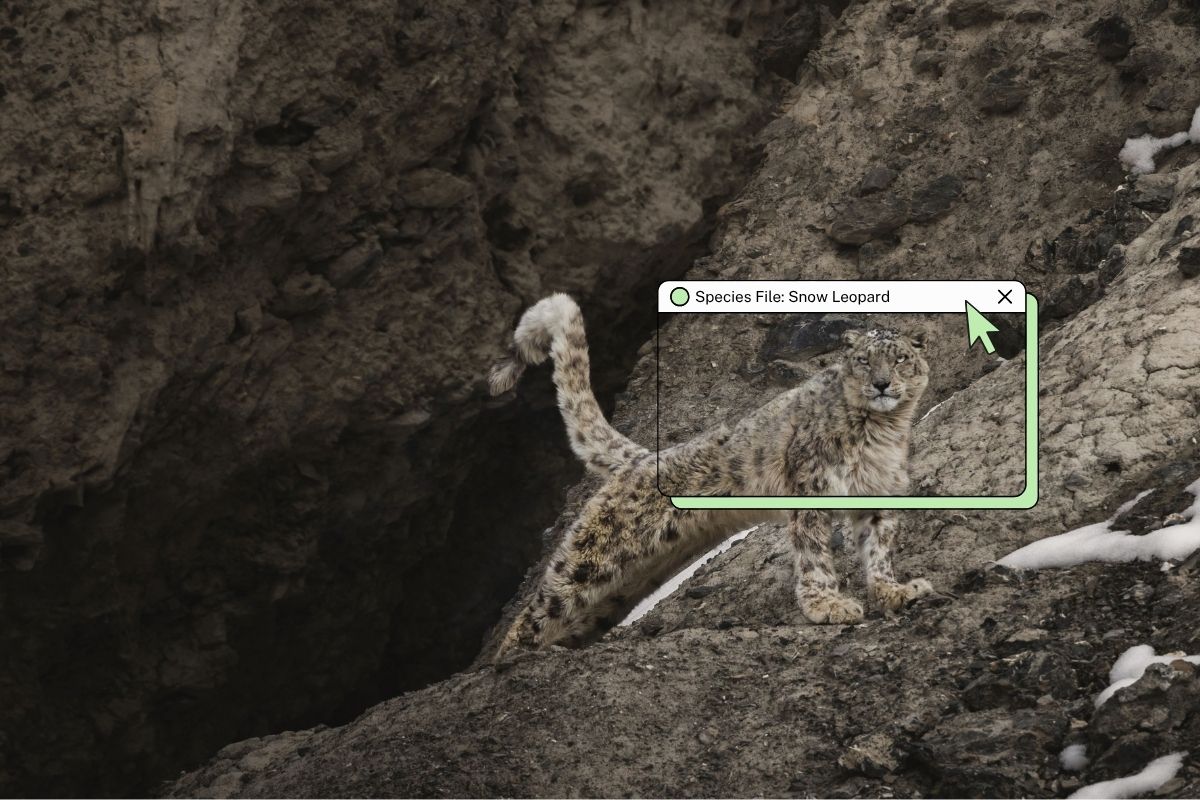
"Ladakh is not Kaziranga," a chorus of conservationists has countered in various public forums. The comparison is poignant. While a tiger in a deciduous forest may become habituated to the sound of a diesel engine, the snow leopard is a creature of solitude.
Critics argue that the "safari" model—which often involves dozens of people converging on a single spot once a cat is sighted—can lead to "crowding" at kill sites. If a snow leopard is scared away from its hard-earned meal by a group of over-eager photographers, it loses vital calories needed to survive temperatures that can plumet to -40°C. Furthermore, the construction of "viewing points" and access roads can lead to soil erosion and the destruction of the alpine plants that the leopard’s prey depend on.
Implications: The Future of the Third Pole
The debate over the snow leopard safari is a microcosm of the larger challenges facing the "Third Pole"—the Himalayan and Tibetan Plateau region that holds the world’s largest reserve of freshwater outside the polar regions.
1. The Impact of Climate Change
Climate change is pushing the treeline higher into the mountains, squeezing the snow leopard’s alpine habitat. As the world warms, the "Ghost" has nowhere higher to go. Introducing intensive tourism into these shrinking refuges could act as a "threat multiplier," adding stress to a species already struggling with a changing climate.
2. Infrastructure and Fragmentation
The push for "border tourism" and national security-related infrastructure has led to a surge in road construction. While these roads are vital for local connectivity, they often cut through migration corridors. The proposed safari trails may inadvertently encourage further encroachment into pristine zones that were previously accessible only by foot.
3. Community-Led Conservation: The Middle Path?
There is, however, a silver lining. In parts of the Himalayas, women-led collectives and local communities have shown that a "shared future" is possible. In these models, tourists stay in local homestays, and villagers act as "snow leopard scouts." This ensures that the economic benefits of the cat’s presence go directly to those who live alongside it, turning former poachers or retaliatory hunters into the species’ fiercest protectors. The concern is that a government-led "safari" model might bypass these grassroots successes in favor of high-volume, commercialized tours.
4. Legal and Ethical Precedents
As a Schedule I species, the snow leopard is legally entitled to the same level of protection as the Bengal tiger. If the safari plans proceed without rigorous, peer-reviewed environmental impact assessments (EIAs), the administration could face legal challenges under India’s environmental laws.
Conclusion
The snow leopard is more than just a biological entity; it is an indicator species. Its health reflects the health of the entire Himalayan water tower. While the allure of seeing the "Ghost of the Mountains" is undeniable, the cost of that encounter must not be the species’ own survival.
As Ladakh moves forward with its tourism ambitions, the global conservation community is watching closely. The transition from a rugged wilderness to a managed safari destination is a precarious one. To ensure that the snow leopard does not truly become a ghost—seen only in photographs and memories—the balance between human curiosity and ecological integrity must be maintained with the same precision the cat uses to stalk its prey on a narrow mountain ledge.
The findings of scientists like Yadvendradev Jhala serve as a final, sobering reminder: the mountains do not recognize political borders, and the survival of the snow leopard depends on maintaining the vast, unbroken silence of the high Himalayas. For now, that silence is under threat.
