

PERSONAL FINANCE
Mumbai, India – August 21, 2026 – The Indian bullion market witnessed a notable uptick in gold and silver prices today, continuing a trend driven by a confluence of global economic shifts, persistent inflationary pressures, and robust domestic demand. As investors seek safe havens amidst a volatile international landscape, the allure of precious metals remains undiminished. This comprehensive report delves into the current city-wise rates, the underlying factors shaping these valuations, and the broader implications for both investors and consumers across the nation.
The precious metals sector, often seen as a barometer of economic sentiment, is currently navigating a complex environment. While global market trends, including central bank policies and geopolitical developments, exert significant influence, local dynamics such as the impending festive season and fluctuating currency rates play an equally crucial role in determining the daily prices observed across India’s major metropolitan centres.
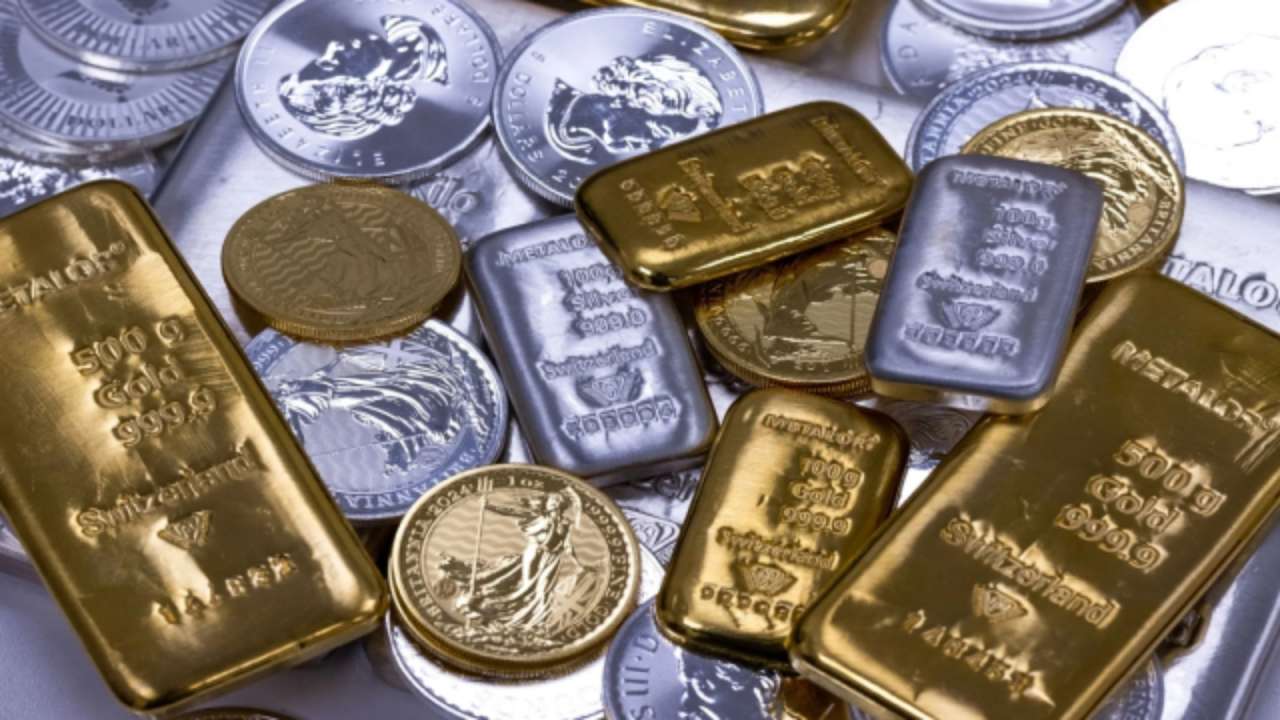
(Image: A high-resolution image of gold bars and silver coins, reflecting the theme of precious metal investment.)
Current Market Snapshot: Gold and Silver Rates on August 21, 2026
As of Thursday, August 21, 2026, the Indian market for gold and silver displayed a firm stance, with prices reflecting sustained buying interest. The incremental gains underscore the metals’ enduring appeal as a store of value.
Gold Prices Across India
Today’s gold prices have experienced a discernible upward trajectory, primarily attributed to heightened global demand and the lingering effects of inflationary pressures that have characterized the global economy throughout 2026. The benchmark rates for different purities are as follows:
)
- 24K Gold (999 Pure Gold): Valued at an average of Rs 15,487 per gram. This purity is typically sought by investors for its intrinsic value and used in specialized applications.
- 22K Gold (91.67% Pure Gold): Priced at an average of Rs 14,196 per gram. This composition is the preferred standard for jewellery manufacturing due to its durability and malleability.
These national averages mask slight regional variations, which are influenced by local supply-demand dynamics, state taxes, and logistical costs. According to market data compiled from reliable sources such as Good Returns, the city-wise breakdown is as follows:
-
Gold Prices in Delhi:
- 24K Gold: Rs 15,502 per gram
- 22K Gold: Rs 14,211 per gram
- (Slightly higher due to strong demand and its status as a major trading hub.)
-
Gold Prices in Mumbai:

- 24K Gold: Rs 15,487 per gram
- 22K Gold: Rs 14,196 per gram
- (Often serves as a national benchmark due to its significant bullion trading volume.)
-
Gold Prices in Kolkata:
- 24K Gold: Rs 15,487 per gram
- 22K Gold: Rs 14,196 per gram
- (Mirroring Mumbai, indicative of a balanced market.)
-
Gold Prices in Chennai:
- 24K Gold: Rs 15,492 per gram
- 22K Gold: Rs 14,201 per gram
- (Marginally higher, reflecting strong regional demand, particularly in South India where gold holds immense cultural significance.)
Silver Prices Across India
Silver, often considered the "poor man’s gold" but with its own distinct market drivers, also displayed a robust performance today. Its dual role as an industrial metal and a precious commodity continues to shape its valuation.
)
- Silver 999 (Pure Silver): The national average stands at approximately Rs 2,54,900 per kilogram.
- Silver 925 (Sterling Silver): Priced at around Rs 2,54,000 per kilogram. This alloy is commonly used in jewellery and silverware.
Like gold, silver prices exhibit regional variations, though often less pronounced due to its lower per-unit value and differing consumption patterns.
-
Silver Price in Delhi Today:
- Silver 999: Rs 2549 per 10 grams
- (Consistent with the national average, reflecting broad market equilibrium.)
-
Silver Price in Mumbai Today:
)
- Silver 999: Rs 2549 per 10 grams
- (Also aligned with the national benchmark.)
-
Silver Price in Kolkata Today:
- Silver 999: Rs 2549 per 10 grams
- (Standard rate, indicating stable regional demand.)
-
Silver Price in Chennai Today:
- Silver 999: Rs 2599 per 10 grams
- (Noticeably higher, highlighting the strong cultural preference for silver ornaments and utensils in Southern India, often exceeding industrial demand in specific regions.)
Chronology of Market Dynamics: A Look Back at Recent Trends
Understanding today’s prices requires a glance at the recent trajectory of gold and silver, revealing the forces that have shaped their current valuations.
)
Recent Performance (Q2-Q3 2026)
The second and third quarters of 2026 have been particularly dynamic for precious metals. Following a period of consolidation in late 2025 and early 2026, gold began its upward climb in April, driven initially by escalating geopolitical tensions in Eastern Europe and the Middle East. This triggered a classic "flight to safety" among global investors, boosting gold’s appeal as a traditional safe-haven asset. Silver, often trailing gold, followed suit, also benefiting from renewed industrial demand as global manufacturing output showed signs of recovery.
Inflationary data across major economies, particularly the US and Europe, continued to exceed central bank targets through the summer. This sustained inflationary environment acted as a strong tailwind for gold, which is widely regarded as an effective hedge against currency debasement. Analysts noted a significant increase in institutional buying, alongside steady retail demand, particularly from Asian markets.
Mid-term Trends (2025-2026 Year-to-Date)
Looking at the broader picture from the beginning of 2025 to the current date in 2026, both gold and silver have delivered respectable returns, outperforming many traditional asset classes. The period was marked by:
)
- Persistent Economic Uncertainty: Lingering concerns over post-pandemic recovery, supply chain vulnerabilities, and the specter of a global recession kept investor sentiment cautious.
- Central Bank Policies: While some central banks, notably the US Federal Reserve, adopted a hawkish stance on interest rates in late 2025, the subsequent slowdown in global growth prompted a more dovish tone by mid-2026, reducing the opportunity cost of holding non-yielding assets like gold. The Reserve Bank of India (RBI) largely mirrored global trends, carefully balancing inflation control with economic growth objectives.
- Emerging Market Demand: India and China, the world’s largest consumers of physical gold, maintained robust demand despite price fluctuations. Economic growth in these regions, coupled with cultural factors, ensured a strong underlying base for precious metal consumption.
- Technological Advancements: For silver, the rapid expansion of renewable energy technologies, particularly solar panels, and the burgeoning electric vehicle (EV) sector, provided a significant boost to industrial demand throughout 2025 and 2026.
Historical Context: Gold’s Enduring Appeal
Gold’s role in the Indian economy and culture is deeply ingrained, extending far beyond mere investment. For centuries, it has been synonymous with wealth, status, and financial security. Families across generations have relied on gold as a primary form of savings, a hedge against economic downturns, and an essential component of celebratory events such as weddings and festivals. This deep-rooted cultural significance ensures a foundational demand for gold in India that often defies short-term market volatility, contributing to its sustained importance as a national asset. Silver, too, holds significant cultural value, particularly in traditional ceremonies and as household items, ensuring consistent local demand.
Supporting Data: Dissecting the Influencing Factors
The current price levels of gold and silver are the result of a complex interplay of various domestic and international factors. A deeper examination reveals the intricate web of influences at play.
Global Market Trends
The international bullion market sets the primary direction for precious metal prices, with several key global indicators impacting Indian rates.
)
Interest Rates and Monetary Policy
Central bank decisions, particularly those of the US Federal Reserve, are paramount. When interest rates rise, the opportunity cost of holding non-yielding assets like gold increases, as investors can earn better returns from interest-bearing instruments. Conversely, a dovish stance or anticipated rate cuts tend to make gold more attractive. The global narrative in August 2026 suggests a plateau in aggressive rate hikes, with some economies even contemplating cuts to stimulate growth. This shift has provided a supportive environment for gold. The RBI, while acting independently, often considers global interest rate trends to maintain the stability of the Indian Rupee.
Inflationary Pressures
The article notes a "slight increase due to global demand and inflationary pressures." These pressures stem from a variety of sources:
- Supply Chain Disruptions: Residual effects of global events, coupled with new geopolitical flashpoints, continue to create bottlenecks in the supply of raw materials and finished goods, driving up costs.
- Energy Prices: Volatility in crude oil and natural gas markets, influenced by supply constraints and political tensions, translates into higher production and transportation costs across industries.
- Wage Growth: In several developed economies, robust labour markets have led to increased wage demands, feeding into higher consumer prices.
When inflation erodes the purchasing power of fiat currencies, investors often flock to gold as a traditional hedge, preserving wealth against erosion.
Geopolitical Tensions
Conflicts and political instability are potent drivers of safe-haven demand. In 2026, ongoing tensions in critical regions, coupled with uncertainties surrounding upcoming elections in major global powers, have heightened investor anxiety. Such environments inherently boost the appeal of gold as a reliable store of value when other asset classes appear risky. News of any escalation or de-escalation can trigger immediate reactions in bullion markets worldwide.
)
US Dollar Index (DXY)
The US Dollar Index (DXY), which measures the dollar’s value against a basket of major currencies, has a significant inverse relationship with gold. A stronger dollar makes gold more expensive for holders of other currencies, potentially dampening demand. Conversely, a weaker dollar makes gold more affordable and thus more attractive. In recent months, a relatively stable-to-slightly weaker dollar has contributed to gold’s upward momentum.
Local Demand Dynamics
While global factors set the tone, Indian domestic demand provides a crucial floor and often amplifies price movements.
Festive and Wedding Seasons
The article highlights demand "especially ahead of the festive season." India’s cultural calendar is replete with festivals (e.g., Diwali, Akshaya Tritiya, Dhanteras) and wedding seasons that are intrinsically linked to gold and silver purchases. These periods witness a surge in demand as families invest in jewellery for auspicious occasions and gifts. August, while not yet the peak of the primary festive season, sees preparatory buying and a steady stream of weddings, ensuring consistent demand for precious metals. This cultural imperative often insulates the Indian market from some of the more severe global price fluctuations.
)
Investment vs. Jewellery Demand
Indian demand for gold and silver can be broadly categorized into two segments:
- Jewellery Demand: This forms the bulk of consumption, driven by cultural traditions, weddings, and fashion. It is more price-sensitive in the short term but resilient over the long term.
- Investment Demand: This includes purchases of gold bars, coins, Gold Exchange Traded Funds (ETFs), and Sovereign Gold Bonds (SGBs). This segment is more responsive to economic indicators, inflation expectations, and interest rate movements. The current environment suggests a healthy mix of both, with investment demand growing steadily.
Changing Currency Rates
The exchange rate between the Indian Rupee (INR) and the US Dollar (USD) is a critical determinant of local gold and silver prices. Since India imports a substantial portion of its gold, a weaker rupee makes these imports more expensive in local currency terms, pushing up domestic prices. Conversely, a stronger rupee can provide some relief. The RBI actively manages the rupee’s volatility through various monetary policy tools, but global capital flows and trade balances significantly influence its daily movements. As of August 21, 2026, a moderately depreciated rupee against the dollar contributed to the higher domestic prices.
Industrial Demand for Silver
For silver, "industrial demand significantly impacting price fluctuations" is a key differentiating factor from gold. Silver is a vital component in numerous high-tech applications:
)
- Solar Panels: It is a crucial conductor in photovoltaic cells, and the global push for renewable energy sources has dramatically increased demand.
- Electronics: Used in switches, contacts, and circuits for everything from smartphones to computers.
- Automotive Industry: Essential in electric vehicle (EV) components and sensors.
- Medical Applications: Utilized in surgical instruments and antimicrobial agents.
The robust growth in these sectors, particularly in the manufacturing hubs of Asia, means that silver prices are highly sensitive to industrial output data and technological advancements, often leading to greater volatility compared to gold.
Official Responses and Expert Insights
To provide a holistic view, it is essential to consider the perspectives of market analysts, industry bodies, and government policies.
Market Analysts and Economists
Leading commodity analysts are largely bullish on precious metals for the remainder of 2026 and into 2027. Ms. Anjali Sharma, Head of Commodity Research at Zenith Capital, states, "The current macroeconomic environment, characterized by persistent inflation, geopolitical uncertainties, and a nuanced stance from central banks, creates a perfect storm for gold. We anticipate 24K gold to comfortably breach Rs 16,000 per gram by year-end, driven by continued safe-haven buying and a potential softening of the US dollar."
For silver, Mr. Rajesh Mehta, a Senior Metals Strategist at Bullion Insights India, notes, "Silver’s dual appeal as an investment and an industrial metal makes its outlook particularly strong. The surge in demand from the solar and EV sectors is structural and long-term. While it may see more volatility than gold, its upside potential, especially on industrial recovery cues, is significant. We project silver to test Rs 2,65,000 per kilogram in the coming months."
)
Jewellery Industry Associations
The India Bullion and Jewellers Association (IBJA) expressed cautious optimism. "While high prices can sometimes deter immediate purchases, the underlying cultural demand for gold in India remains robust," commented Mr. Pranav Agarwal, President of IBJA. "We are seeing a healthy demand for lighter jewellery and investment-grade gold coins, indicating that consumers are adapting to the price levels. The upcoming festive season will be a true test, but we expect strong sales, especially for 22K jewellery." Local jewellery federations also reported steady footfall, noting that many consumers view current prices as a new normal, prompting them to make planned purchases.
Government Policies
While no direct government intervention specifically targeting daily gold and silver prices was announced, broader economic policies indirectly influence the market. Measures to manage inflation, stabilize the rupee, and regulate imports have a trickle-down effect. For instance, any increase or decrease in import duties on gold could significantly alter domestic prices. Furthermore, the government’s continued promotion of Sovereign Gold Bonds (SGBs) aims to reduce physical gold imports, thereby easing pressure on the current account deficit, while still offering investors exposure to gold’s price movements. The Goods and Services Tax (GST) on gold and silver also adds to the final retail price, and any changes to this rate would directly impact consumer costs.
Implications for Investors and Consumers
The current market scenario carries significant implications for various stakeholders, from individual savers to large-scale investors and the broader Indian economy.
)
For Investors: Navigating the Precious Metals Market
For investors, the present environment underscores the traditional role of gold and silver as key components of a diversified portfolio.
Diversification and Inflation Hedge
Precious metals continue to serve as excellent portfolio diversifiers, offering a hedge against market volatility and currency depreciation. In an era of sustained inflationary pressures, gold’s ability to preserve purchasing power makes it an attractive asset. Investors are increasingly looking beyond traditional equities and fixed deposits to include physical gold, gold ETFs, or SGBs in their asset allocation strategies.
Risk vs. Reward
While gold and silver offer stability and inflation protection, they are not without risk. Their prices can be volatile, influenced by rapid shifts in global sentiment, interest rate expectations, and geopolitical events. Investors should approach them with a long-term perspective, understanding that short-term fluctuations are part of the market cycle. The current upward trend, however, suggests a favourable risk-reward profile for the near to medium term.
)
Investment Avenues
Beyond physical gold, modern investment avenues offer flexibility:
- Sovereign Gold Bonds (SGBs): Issued by the RBI, SGBs offer an alternative to physical gold, providing interest income and capital appreciation linked to gold prices, without the hassle of storage.
- Gold Exchange Traded Funds (ETFs): These allow investors to buy and sell gold units on stock exchanges, providing liquidity and transparency.
- Digital Gold: A convenient way to invest in small quantities of gold, stored in secure vaults by providers.
For Consumers: Strategic Purchases and Purity Assurance
For the average Indian consumer, price fluctuations in gold and silver directly impact their household budgets and cultural practices.
Timing Purchases
With prices currently on an upward trend, consumers planning major purchases for weddings or festivals might consider buying in tranches or during periods of slight price correction. Proactive monitoring of market trends can help optimize buying decisions. Given the cultural importance, many purchases are non-discretionary, but strategic timing can still yield savings.
)
Purity and Hallmarking
The importance of purchasing hallmarked gold (BIS hallmark) and certified silver cannot be overstated. This ensures the purity and authenticity of the metal, safeguarding consumers against fraudulent practices. As prices rise, the value of guaranteed purity becomes even more critical for both investment and resale purposes. Retailers are increasingly transparent about hallmarking, and consumer awareness is also growing.
Budgeting for Jewellery
With 22K gold prices hovering around Rs 14,196 per gram, jewellery purchases represent a significant financial outlay. Consumers are increasingly opting for lighter designs or investing in gold coins/bars for long-term savings, reserving elaborate jewellery for specific occasions. The shift towards contemporary designs that use less gold while maintaining aesthetic appeal is also a growing trend.
Broader Economic Impact
The robust demand for gold and silver also has implications for the Indian economy:
)
- Balance of Payments: As a major importer of gold, India’s current account deficit can be significantly impacted by rising international prices and sustained domestic demand.
- Jewellery Industry: The sector, a significant employer, benefits from strong demand, fostering growth in manufacturing, retail, and allied services. However, sharp price volatility can pose challenges for inventory management and pricing.
- Informal Economy: A portion of gold transactions still occurs in the informal sector, highlighting the need for continued formalization efforts to ensure transparency and tax compliance.
Future Outlook: Sustained Relevance Amidst Evolving Dynamics
Looking ahead, the outlook for gold and silver remains largely positive, albeit with potential for short-term volatility. The underlying drivers—inflationary concerns, geopolitical risks, and robust Asian demand—are expected to persist. Central bank policies will continue to be a dominant factor, with any shift towards easing monetary conditions likely to further bolster precious metal prices.
Silver’s trajectory will also be heavily influenced by the pace of global industrial growth and the adoption of green technologies. Its dual nature as an investment and industrial commodity provides it with unique resilience.
In conclusion, as of August 21, 2026, gold and silver continue to shine brightly in the Indian market, embodying both cultural heritage and a sound investment strategy. While vigilance regarding market trends and expert advice is always prudent, their enduring appeal as pillars of financial security in an uncertain world remains undisputed. The coming months are set to further test and potentially solidify their position in the global economic landscape.
