

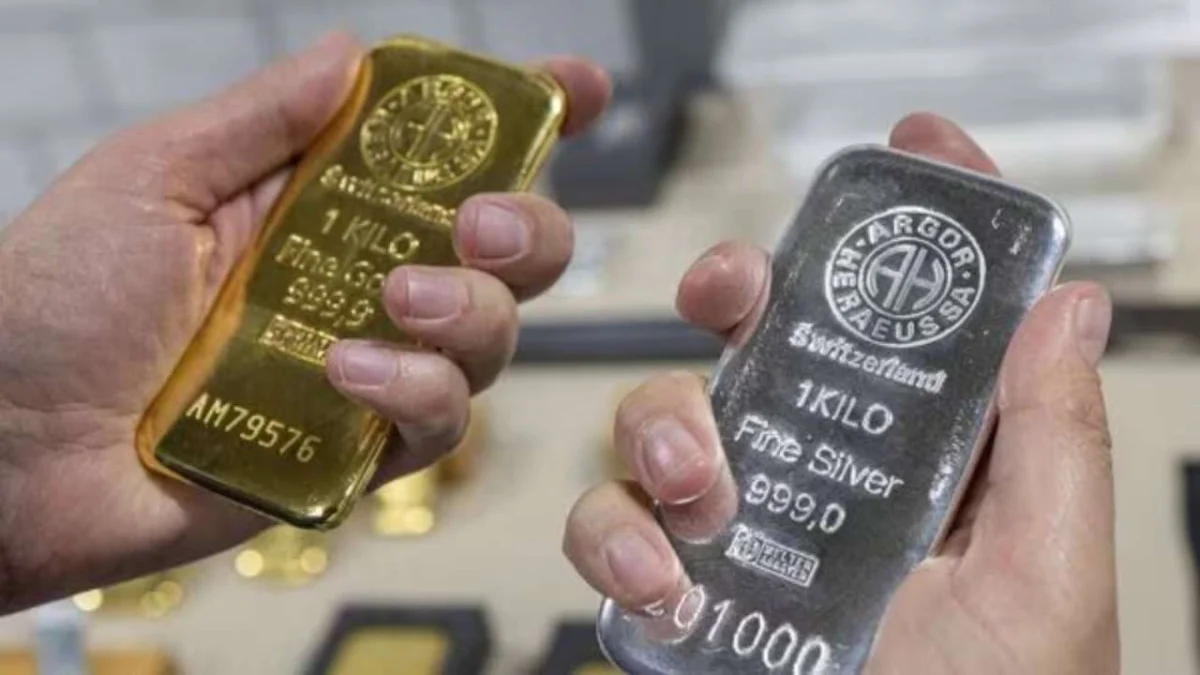
New Delhi, India – August 23, 2026 – India’s vibrant precious metals market continues its dynamic dance, with gold and silver prices on August 23, 2026, showcasing the intricate interplay of global economic forces, domestic consumer sentiment, and fluctuating currency valuations. As the nation navigates a complex financial landscape, the rates of these cherished commodities serve as a crucial barometer for investors and consumers alike. Today’s figures reveal a notable uptick in gold prices, driven by persistent inflationary pressures and a robust global demand for safe-haven assets, while silver maintains its dual role as an industrial metal and an investment vehicle. This comprehensive analysis delves into the current market scenario, dissecting the factors at play and offering insights into what these trends signify for the Indian economy and its citizens.
Main Facts: A Snapshot of Today’s Market
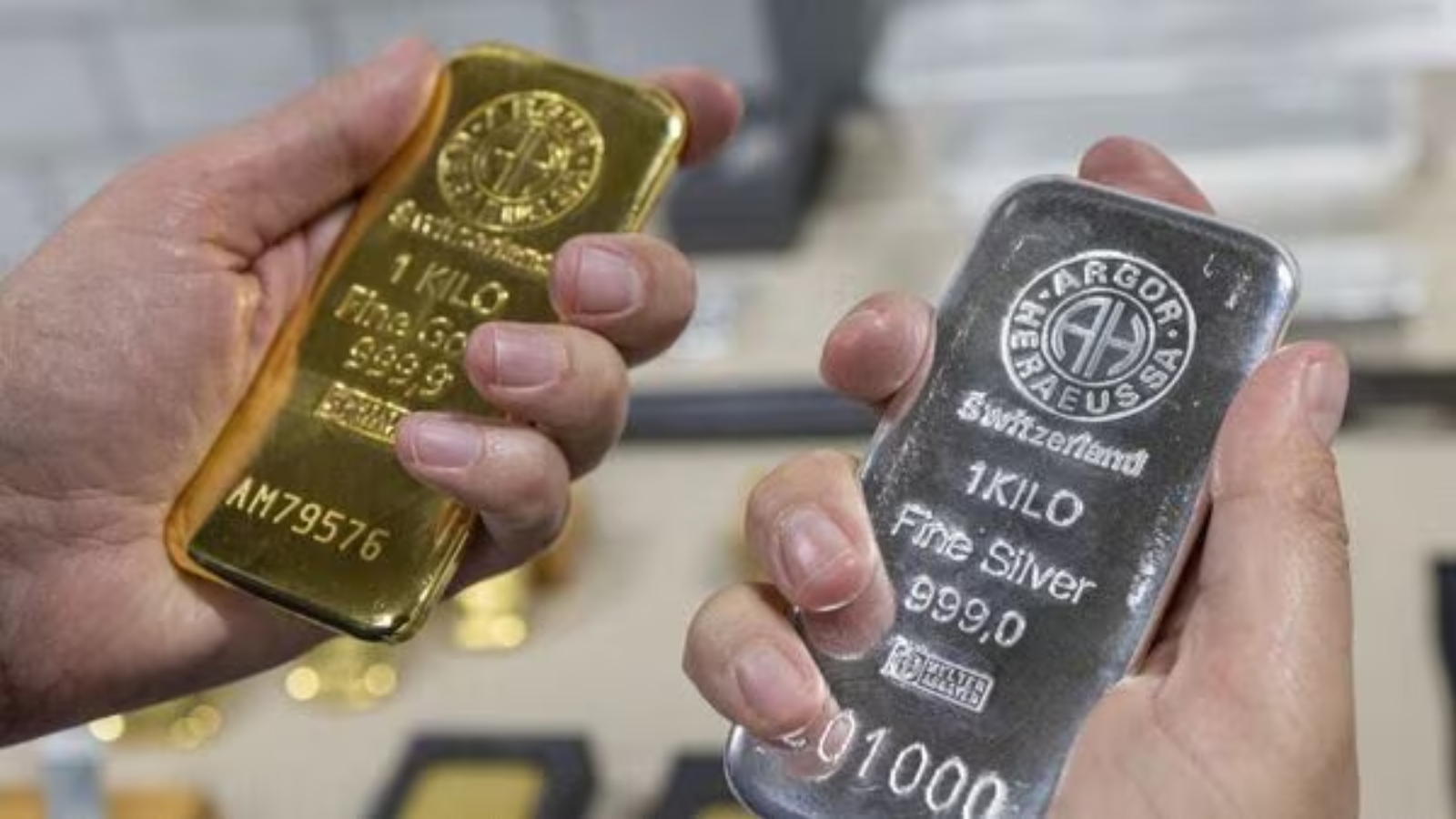
As of August 23, 2026, the Indian bullion market presents a clear picture of resilience and slight appreciation for precious metals. Gold, traditionally a symbol of wealth and a hedge against economic uncertainty, has registered a marginal but significant increase. The benchmark price for 24-karat gold (999 purity) stands at Rs 15,487 per gram, while 22-karat gold (91.67% purity), favored for exquisite jewelry, is priced at Rs 14,196 per gram. This upward movement is largely attributed to sustained global demand and a looming inflationary outlook that continues to prompt investors worldwide to flock towards tangible assets.
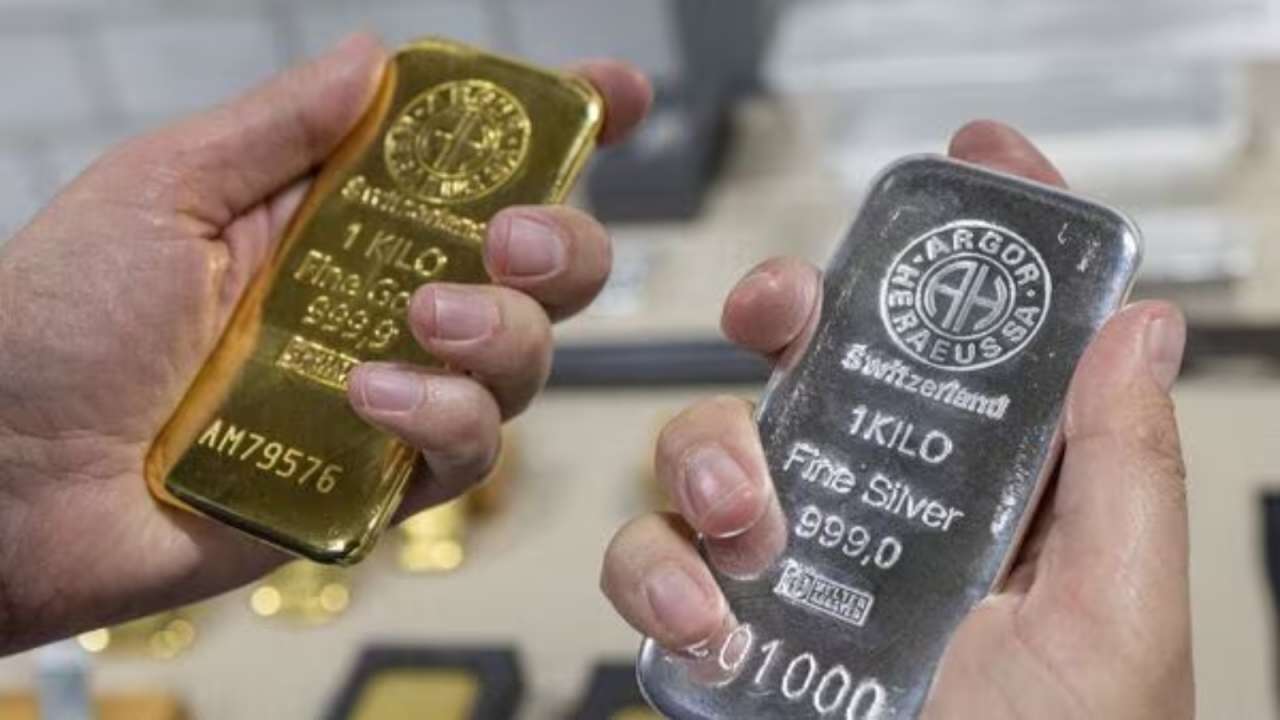
Silver, often referred to as the "poor man’s gold," also demonstrates considerable strength, buoyed by both investment appetite and burgeoning industrial applications. The price for pure silver (999 purity) is pegged at Rs 2,54,900 per kilogram, or Rs 2,549 per 10 grams. Sterling silver (925 purity), popular in ornaments and specific industrial uses, hovers around Rs 2,54,000 per kilogram. These figures underscore the precious metals market’s sensitivity to macroeconomic indicators and regional consumption patterns, which exhibit varying intensities across major Indian cities.
Chronology: Tracing the Path to August 2026
The current pricing structure for gold and silver on August 23, 2026, is not an isolated event but rather the culmination of several months, if not years, of evolving global and domestic economic narratives. The period leading up to mid-2026 has been characterized by a blend of economic recovery, persistent inflation challenges, and a fluctuating geopolitical landscape.
)
Late 2024 to Mid-2025: Following a period of post-pandemic recovery, central banks globally, including the Reserve Bank of India (RBI), began to grapple more intensely with inflation. While initial hikes in interest rates aimed to cool down economies, the impact on commodity prices, particularly gold, was mixed. Gold, traditionally moving inversely to interest rates, experienced periods of volatility. However, geopolitical tensions in various parts of the world ensured a consistent underlying demand for gold as a safe-haven asset, preventing any significant downturns. Silver, benefiting from increasing industrial demand driven by green energy initiatives and technological advancements, also saw steady growth.
Late 2025 to Early 2026: This phase witnessed a renewed focus on long-term inflation outlooks. Supply chain disruptions, exacerbated by localized conflicts and climate events, continued to put upward pressure on prices for various goods and services. Major economies, while showing signs of robust growth in specific sectors, also faced challenges in maintaining price stability. The US Dollar’s strength experienced intermittent periods, impacting the Rupee-Dollar exchange rate, a critical factor for imported gold and silver prices in India. Domestic demand, especially as India approached its major festive and wedding seasons, began to gather momentum, creating a strong floor for local prices.

Mid-2026 (Leading up to August 23): The immediate months preceding today have seen an acceleration of inflationary concerns in several key global economies. Central banks have signaled a cautious approach, balancing growth with inflation control, leading to market speculation regarding future interest rate trajectories. This uncertainty has pushed more investors towards gold as a reliable store of value. Furthermore, a relatively stable Rupee against the Dollar in recent weeks has allowed international price movements to translate more directly into domestic rates, rather than being significantly offset by currency fluctuations. The anticipation of upcoming Indian festivals, coupled with steady urban and rural purchasing power, has solidified the domestic demand component, contributing directly to the slight increase observed on August 23, 2026.
Supporting Data: Dissecting the Price Landscape
The data presented today offers a granular view of gold and silver prices, highlighting regional variations and the specific factors influencing each metal.
)
Gold Prices on August 23, 2026: A Deeper Dive
The national average for 24K gold at Rs 15,487 per gram and 22K gold at Rs 14,196 per gram reflects a market where demand outstrips immediate supply and where global sentiment is leaning bullish.
- 24K Gold (999 Purity): This is the purest form of gold, primarily sought after for investment purposes, such as gold bars, coins, and digital gold. Its value directly mirrors international spot prices, adjusted for currency and local premiums. The current rate underscores its appeal as a wealth preserver amidst economic uncertainties.
- 22K Gold (91.67% Purity): This alloy, mixed with metals like copper or silver, offers enhanced durability, making it ideal for crafting intricate jewelry. The slight discount compared to 24K gold accounts for the alloying metals and fabrication costs. Its price is particularly sensitive to domestic jewelry demand, which sees seasonal peaks.
Influencing Factors for Gold Prices:
)
- International Gold Price: Gold’s status as a global commodity means its price is heavily dictated by international benchmarks, primarily denominated in US Dollars. Factors like the strength of the US Dollar, global interest rate expectations, and geopolitical stability play a significant role. When the dollar weakens, gold becomes cheaper for holders of other currencies, increasing demand. Conversely, geopolitical instability often drives investors to gold as a ‘safe haven.’
- USD-INR Exchange Rate: Since India imports a substantial portion of its gold, the exchange rate between the US Dollar and the Indian Rupee is paramount. A weaker Rupee makes imports more expensive, pushing up local gold prices, even if international prices remain stable. The relatively stable Rupee in the immediate run-up to August 23, 2026, has allowed global price increases to directly impact domestic rates.
- Domestic Demand: India’s cultural affinity for gold, especially during weddings and festivals, creates robust local demand. Investment demand, driven by inflation hedging and wealth accumulation, also contributes significantly. The anticipation of upcoming festive seasons (Dussehra, Diwali, wedding season) always provides an upward push to prices.
- Inflationary Pressures: Gold is widely considered an excellent hedge against inflation. As the purchasing power of fiat currencies erodes, gold tends to retain or increase its value. The current global inflationary environment is a primary driver for the sustained high gold prices.
- Interest Rates: The opportunity cost of holding gold (which yields no interest) compared to interest-bearing assets influences investment decisions. Higher interest rates typically make gold less attractive, but if real interest rates (nominal rate minus inflation) are low or negative, gold’s appeal grows.
City-wise Gold Rates Today (August 23, 2026):
The variations across cities are minor but reflect local taxes, transportation costs, and specific regional market dynamics.
- Gold prices in Delhi:
- 24K Gold: Rs 15,502 per gram
- 22K Gold: Rs 14,211 per gram
- Context: As the national capital and a significant trading hub, Delhi often sees prices slightly higher due to state-specific levies and a diverse consumer base comprising both investors and jewelry buyers.
- Gold prices in Mumbai:
- 24K Gold: Rs 15,487 per gram
- 22K Gold: Rs 14,196 per gram
- Context: Mumbai, being India’s financial capital and a major port for gold imports, often sets the benchmark for national prices. Its rates tend to be among the most competitive due to lower logistical costs.
- Gold prices in Kolkata:
- 24K Gold: Rs 15,487 per gram
- 22K Gold: Rs 14,196 per gram
- Context: Kolkata, with its rich cultural heritage and strong demand for traditional jewelry, often mirrors Mumbai’s rates, reflecting efficient supply chains in eastern India.
- Gold prices in Chennai:
- 24K Gold: Rs 15,492 per gram
- 22K Gold: Rs 14,201 per gram
- Context: Chennai, a prominent hub for South Indian jewelry traditions, typically sees prices that are marginally different due to regional demand patterns and local taxes, maintaining a close alignment with national trends.
Silver Prices on August 23, 2026: A Dual-Purpose Metal
Silver, with its dual identity as both a precious metal and an industrial commodity, often exhibits higher volatility than gold. The current price of Rs 2,54,900 per kilogram (Rs 2,549 per 10 grams) for 999 pure silver and Rs 2,54,000 per kilogram for 925 sterling silver reflects this unique market dynamic.
)
Influencing Factors for Silver Prices:
- Industrial Demand: This is a major differentiator for silver. It is crucial in electronics, solar panels (photovoltaics), medical applications, and various industrial processes. Global economic growth, particularly in manufacturing and technology sectors, directly impacts silver’s industrial demand and, consequently, its price. The ongoing push for green energy technologies in 2026 continues to be a significant tailwind for silver.
- Investment Demand: Like gold, silver is considered a store of value and an inflation hedge. It attracts investors seeking diversification and those who find gold too expensive. Often dubbed "poor man’s gold," it offers a more accessible entry point into precious metals.
- Global Silver Price: Silver prices are heavily influenced by international spot prices, which often track gold’s movements but with amplified volatility due to its industrial component.
- Supply and Mining: Global silver production levels and new mining discoveries can significantly affect prices. Disruptions in mining operations or changes in environmental regulations can impact supply.
- USD-INR Exchange Rate: Similar to gold, the exchange rate plays a vital role in determining domestic silver prices, as India is a net importer of silver.
City-wise Silver Rates Today (August 23, 2026):
Silver prices generally show less regional variance than gold, reflecting its more uniform distribution and processing.
)
- Silver price in Delhi today: Rs 2549 per 10 grams (Silver 999)
- Silver price in Mumbai today: Rs 2549 per 10 grams (Silver 999)
- Silver price in Kolkata today: Rs 2549 per 10 grams (Silver 999)
- Context: These major metropolitan centers demonstrate consistent pricing for pure silver, reflecting efficient market mechanisms and relatively uniform demand for investment-grade silver.
- Silver price in Chennai today: Rs 2599 per 10 grams (Silver 999)
- Context: Chennai exhibits a slightly higher price, which could be attributed to local market premiums, regional taxes, or a higher local demand for silver ornaments, which are particularly popular in South India.
Official Responses: Expert Views and Market Sentiment
The current price trends are a subject of ongoing discussion among financial experts, jewelers, and economists. Their insights provide valuable context to the numbers.
"The slight uptick in gold prices on August 23, 2026, is a clear indicator that global inflationary concerns are far from abated," remarks Dr. Ananya Sharma, a Senior Economist at the Indian Institute of Financial Studies. "Investors are increasingly seeking refuge in tangible assets as central banks globally continue to walk a tightrope between managing inflation and fostering economic growth. Gold, with its proven track record, remains a top choice, particularly when real interest rates remain low." Dr. Sharma also points out that the Indian Rupee’s relative stability against the US Dollar has allowed global price movements to translate almost directly into domestic rates, rather than being cushioned or amplified by currency volatility.
)
Mr. Rohan Mehta, a seasoned bullion market analyst, adds, "We’re seeing a sustained level of investment demand for gold. While traditional jewelry purchases always provide a baseline, a growing segment of sophisticated investors is leveraging gold as a strategic portfolio diversifier. The upcoming festive season in India is also creating an anticipatory buzz, and we expect demand to strengthen further in the coming months, providing continued support to prices." He suggests that minor geopolitical tremors, even if not directly impacting India, contribute to a general risk-averse sentiment globally, which invariably benefits gold.
For silver, the narrative is slightly different. Ms. Priya Singh, CEO of a leading jewelry chain, notes, "Silver’s appeal in India is dual. It’s an affordable investment option, especially for rural households, and also extremely popular for traditional and contemporary jewelry. We’ve seen a surge in demand for silver ornaments. However, the industrial demand for silver, particularly in the solar and electronics sectors, is the true game-changer. Any significant developments in these sectors globally can cause sharper price movements in silver compared to gold." She anticipates that as India’s manufacturing sector continues its growth trajectory, industrial demand for silver within the country will also climb, adding another layer of complexity to its pricing.
)
Industry bodies like the All India Gem and Jewellery Domestic Council (GJC) have also voiced their perspective, emphasizing the need for stable government policies regarding import duties and taxation to ensure a level playing field for both consumers and jewelers. They highlight that while global factors are dominant, local policy decisions also play a crucial role in determining the final price paid by the consumer.
Implications: Navigating the Precious Metals Market
The current trends in gold and silver prices on August 23, 2026, carry significant implications for various stakeholders, from individual investors and consumers to the broader Indian economy.
)
For Investors: Strategic Allocation and Diversification
- Gold as a Safe Haven: For investors concerned about inflation, currency devaluation, or market volatility, gold continues to be an attractive safe-haven asset. Its current price trajectory reinforces its role in preserving capital during uncertain economic times. Long-term investors may find this an opportune moment to accumulate, while short-term traders need to closely monitor global cues.
- Silver’s Dual Potential: Silver offers a unique combination of precious metal properties and industrial demand. Investors looking for higher growth potential, albeit with increased volatility, might consider silver. Its increasing use in green technologies positions it well for future demand, but its price is also more susceptible to industrial slowdowns. Diversifying across both gold and silver can offer a balanced exposure to the precious metals sector.
- Investment Avenues: Beyond physical gold and silver, investors have options like Gold ETFs (Exchange Traded Funds), Sovereign Gold Bonds (SGBs) issued by the government, and digital gold platforms, which offer convenience and liquidity without the hassles of physical storage.
For Consumers: Timing Purchases and Understanding Purity
- Festive and Wedding Season: With major Indian festivals and the wedding season approaching, the current upward trend in gold prices suggests that consumers planning significant purchases might consider timing their buys strategically. Waiting could lead to higher prices, especially if global inflation persists and domestic demand intensifies.
- Understanding Purity: Consumers should always be diligent about understanding the purity of gold (24K vs. 22K) and silver (999 vs. 925) they are purchasing. Reputable jewelers and hallmark certifications are crucial for ensuring authenticity and receiving fair value. The price difference between 24K and 22K gold, as well as the making charges, significantly impacts the final cost of jewelry.
- Silver’s Affordability: For those seeking precious metal ornaments at a more accessible price point, silver remains an excellent choice, particularly in regions where it holds strong cultural significance.
For the Indian Economy: Trade Balance and Household Savings
- Current Account Deficit: India is a major importer of gold and silver. Sustained high prices and robust domestic demand can lead to increased import bills, potentially widening the current account deficit. The government’s policies on import duties and efforts to promote domestic gold monetization schemes are critical in managing this economic impact.
- Household Savings: Gold has historically been a significant component of Indian household savings, especially in rural areas. The appreciation in gold prices means an increase in the value of these household assets, potentially boosting consumer confidence and wealth, though it can also make fresh purchases more expensive.
- Economic Stability: The stability of precious metal prices, particularly gold, can be an indicator of broader economic sentiment. While rising prices reflect global and domestic confidence in gold as an asset, sharp and unpredictable fluctuations can create uncertainty in the market.
In conclusion, the gold and silver prices on August 23, 2026, paint a picture of a resilient market, influenced by a complex web of global economic factors and deeply ingrained domestic demand. As India moves forward, the dynamic interplay of inflation, currency rates, geopolitical stability, and consumer sentiment will continue to shape the trajectory of these precious metals. Staying informed and making strategic decisions based on a comprehensive understanding of these influences will be key for investors and consumers navigating the evolving landscape of India’s bullion market.
