

PERSONAL FINANCE
As of August 22, 2026, the Indian bullion market continues its dynamic interplay with global economic forces, domestic demand, and currency valuations. Gold and silver, long revered for their intrinsic value and investment appeal in India, are exhibiting price movements that reflect a complex web of international market trends, persistent inflationary pressures, and strategic monetary policies. Today’s snapshot reveals a slight upward trajectory for gold, while silver maintains its robust industrial and investment demand, albeit with its own set of influencing factors.
Main Facts: A Glimpse into Today’s Bullion Rates
The precious metals market in India is a significant barometer of both global economic sentiment and local cultural practices. On this Friday, August 22, 2026, the cost of acquiring gold and silver showcases nuanced regional variations, driven by logistics, local taxes, and specific demand patterns.
Gold Prices on August 22, 2026:
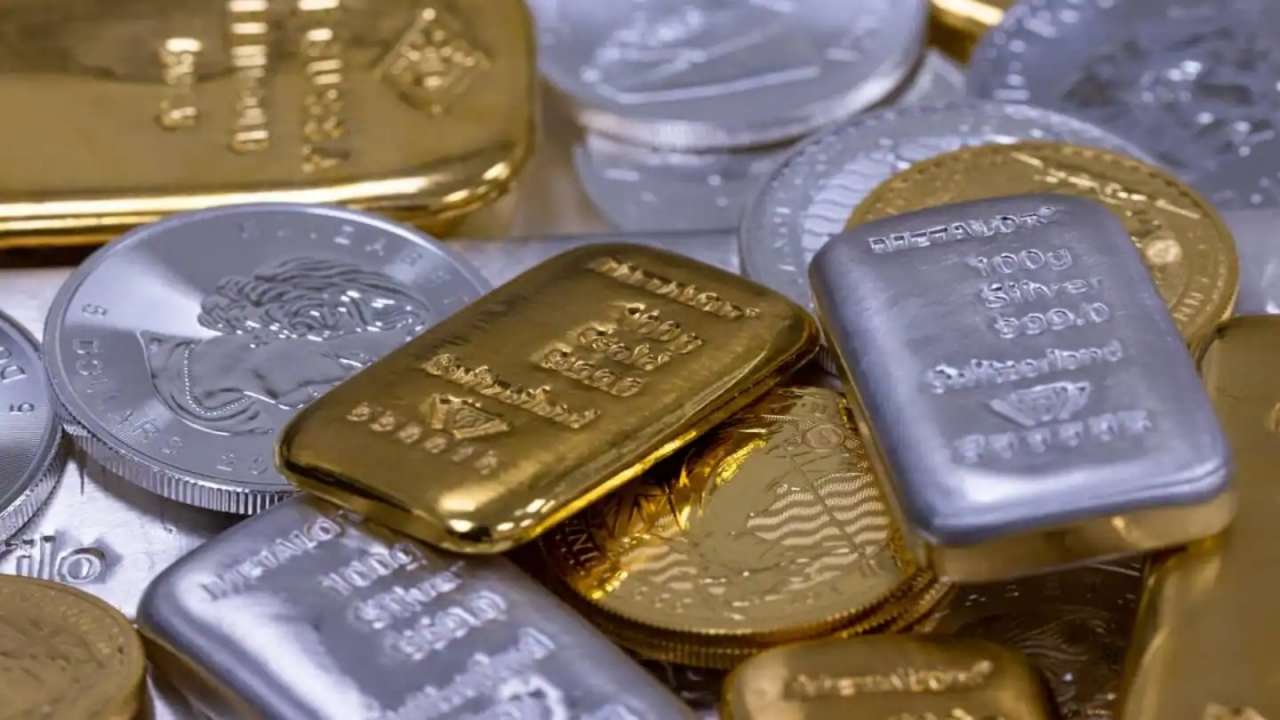
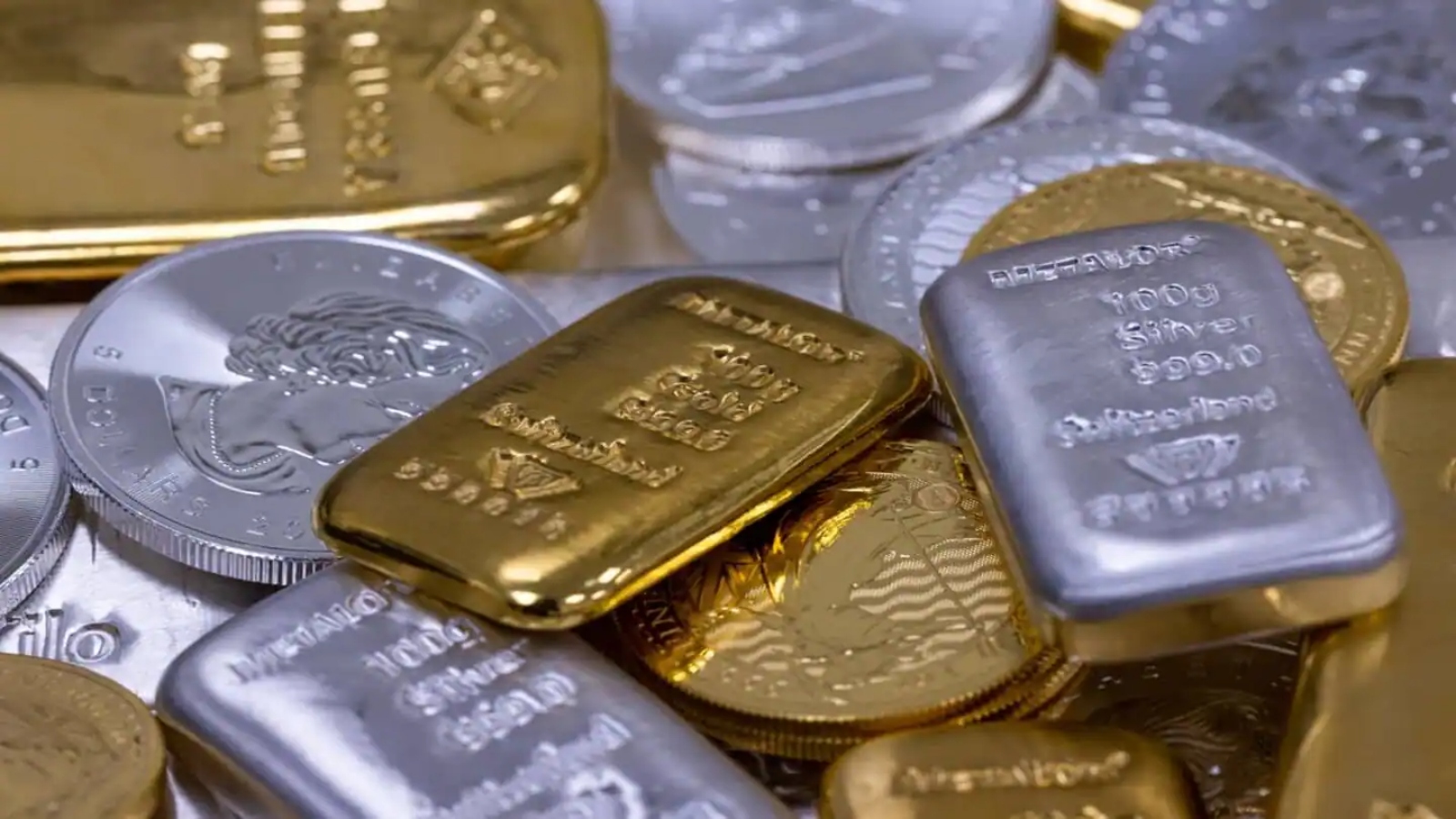
The yellow metal, a perennial favourite for both investment and adornment, has registered a marginal increase across major Indian cities. The national average for 24-carat gold (999 purity) stands at approximately ₹15,487 per gram, while 22-carat gold (91.67% purity), preferred for jewellery, is priced around ₹14,196 per gram. These figures reflect a broader global trend where gold continues to serve as a hedge against economic uncertainties and inflationary tendencies.
)
- Delhi: 24K Gold: ₹15,502 per gram; 22K Gold: ₹14,211 per gram.
- Mumbai: 24K Gold: ₹15,487 per gram; 22K Gold: ₹14,196 per gram.
- Kolkata: 24K Gold: ₹15,487 per gram; 22K Gold: ₹14,196 per gram.
- Chennai: 24K Gold: ₹15,492 per gram; 22K Gold: ₹14,201 per gram.
Silver Prices on August 22, 2026:
Silver, often referred to as the "poor man’s gold," is increasingly recognized for its dual role as a precious metal and an industrial commodity. Today, the price of pure silver (999 purity) in India is approximately ₹2,54,900 per kilogram. Sterling silver (925 purity) is valued at ₹2,54,000 per kilogram, reflecting its slightly lower purity but widespread use in various applications.
- Delhi: Silver 999: ₹2,549 per 10 grams.
- Mumbai: Silver 999: ₹2,549 per 10 grams.
- Kolkata: Silver 999: ₹2,549 per 10 grams.
- Chennai: Silver 999: ₹2,599 per 10 grams.
These figures underscore the dynamic nature of India’s bullion market, where local sentiments and global movements converge to determine daily valuations.

Chronology: Tracing the Path to Current Valuations
Understanding today’s prices requires a brief look back at the forces that have shaped the precious metals market in recent times. The journey to August 22, 2026, has been marked by a series of global economic shifts, geopolitical events, and evolving monetary policies that have collectively influenced gold and silver’s trajectory.
The past few years, leading up to mid-2026, have witnessed a heightened period of volatility across global financial markets. Following a phase of robust post-pandemic recovery, the global economy grappled with persistent inflationary pressures, exacerbated by supply chain disruptions, energy crises, and geopolitical tensions in various parts of the world. Central banks, particularly the U.S. Federal Reserve and the Reserve Bank of India, have been engaged in a delicate balancing act, employing interest rate adjustments and quantitative measures to rein in inflation without stifling economic growth.
)
Gold, traditionally a safe-haven asset, saw significant upward momentum during periods of heightened uncertainty, such as the initial phases of geopolitical conflicts or when major economies signaled slowdowns. For instance, late 2024 and early 2025 witnessed a surge in gold demand as investors sought refuge from equity market corrections and currency depreciations. This period also coincided with aggressive interest rate hikes by central banks globally, which paradoxically, initially pressured gold (due to higher opportunity cost of holding non-yielding assets) but later supported it as concerns over potential recessions grew.
Silver, with its dual identity, experienced a more complex journey. Its industrial demand, crucial for sectors like electronics, solar energy, and electric vehicles, saw fluctuations tied to global manufacturing output and technological advancements. During periods of robust industrial activity, silver prices climbed, often outpacing gold. However, any slowdown in manufacturing or technological innovation led to corrections. Investment demand for silver also mirrored gold’s safe-haven appeal but with added volatility due to its smaller market size. The first half of 2026, for instance, saw silver prices consolidate after a strong run, as industrial demand stabilized and investors reassessed global growth prospects.
)
Currency movements, particularly the Indian Rupee’s exchange rate against the US Dollar, have played a critical role. A weaker Rupee makes dollar-denominated gold and silver imports more expensive in local terms, contributing to higher domestic prices, even if international prices remain stable or slightly decline. This effect has been particularly pronounced over the last 12-18 months, as the Rupee navigated global capital flows and trade imbalances.
In summary, today’s prices are a culmination of these historical forces: persistent global inflation, central bank interventions, geopolitical uncertainties driving safe-haven demand, fluctuating industrial requirements for silver, and the continuous adjustment of the INR-USD exchange rate.
)
Supporting Data: Deconstructing the Influencing Factors
The intricate dance of gold and silver prices on August 22, 2026, is orchestrated by a multitude of economic indicators, market dynamics, and socio-cultural elements. A deeper dive into these factors provides a comprehensive understanding of the current valuations.
Global Market Dynamics and Inflationary Pressures
The most significant driver for gold prices, and increasingly for silver, remains the global economic landscape. In mid-2026, the world continues to grapple with the aftermath of supply chain disruptions and the long-term effects of expansive fiscal and monetary policies. Inflationary pressures, while showing signs of moderation in some economies, remain a concern. Gold’s traditional role as an inflation hedge means that sustained elevated price levels across commodities and consumer goods directly translate into increased investor interest in bullion.
)
Furthermore, the monetary policy stance of major central banks, especially the U.S. Federal Reserve, is paramount. Speculation regarding future interest rate hikes or cuts significantly impacts the dollar’s strength and the appeal of non-yielding assets like gold. If the Fed signals a pause or even a pivot towards easing due to concerns over slowing growth, gold typically benefits. Conversely, a hawkish stance tends to temper gold’s rally. In August 2026, market participants are keenly observing upcoming inflation data releases and central bank pronouncements for clues about the trajectory of monetary policy.
Geopolitical Tensions and Safe-Haven Demand
Ongoing geopolitical tensions in various regions of the world continue to fuel safe-haven demand for gold. Political instability, trade disputes, or regional conflicts invariably prompt investors to shift capital towards assets perceived as secure and reliable stores of value. Gold, with its universal acceptance and historical resilience, consistently benefits from such uncertainties. While specific flashpoints may ebb and flow, the underlying current of global geopolitical risk remains a constant supportive factor for gold prices.
)
Indian Domestic Demand: Culture, Festivals, and Investments
India’s unique relationship with gold is deeply embedded in its cultural fabric. Domestic demand is particularly strong ahead of the festive season (Diwali, Akshaya Tritiya, etc.) and during the wedding season, when gold jewellery is an integral part of traditions and gift-giving. As August 2026 progresses, anticipation for the upcoming festive period likely contributes to the sustained demand, providing a floor for local prices. This cultural affinity ensures a consistent baseline demand, often insulating Indian prices from extreme global downturns.
For silver, local demand is also robust, especially in rural areas where it holds significant cultural and investment value. Silver ornaments are prevalent, and the metal is often bought in physical form as an accessible investment vehicle for smaller savers.
)
Currency Fluctuations: The Rupee-Dollar Equation
The exchange rate between the Indian Rupee (INR) and the US Dollar (USD) is a critical determinant of local bullion prices. Since gold and silver are primarily traded in dollars on international markets, a depreciation of the Rupee against the Dollar makes imports more expensive, leading to higher prices in INR terms. In recent months, the Rupee has faced varying pressures from global capital outflows, crude oil price volatility, and trade balance dynamics. Any significant weakening of the Rupee immediately translates into an upward revision of domestic gold and silver prices. Conversely, a stronger Rupee can temper price increases or even lead to declines, assuming international prices remain constant.
Industrial Demand for Silver
Silver’s dual nature means its price is also significantly influenced by industrial demand. It is an indispensable component in numerous high-tech applications, including solar panels, electrical contacts, batteries, and medical devices. The global push towards renewable energy and advancements in electronics continue to drive significant industrial consumption. Any forecasts for increased solar panel production or growth in electric vehicle manufacturing, for example, typically provide strong tailwinds for silver prices. Conversely, a slowdown in these sectors can exert downward pressure. The current outlook for global industrial output, particularly in green technologies, suggests a stable to growing demand for silver.
)
Official Responses: Expert Insights and Market Perspectives
While there are no "official responses" to daily price fluctuations in the traditional sense, market analysts, economists, and industry bodies offer valuable insights and forecasts that help contextualize these movements. Their perspectives often shape investor sentiment and provide guidance for consumers and businesses.
According to leading market analysts from firms like Good Returns (as referenced in the original data) and other financial institutions, the current uptick in gold prices reflects a blend of defensive positioning by investors and underlying inflation concerns. "Gold’s resilience in the face of varying interest rate environments underscores its enduring role as a hedge," commented a senior analyst from a Mumbai-based bullion desk. "We are seeing consistent institutional buying, suggesting a long-term belief in gold’s value proposition amidst ongoing global uncertainties."
)
Economists, on the other hand, often link precious metal performance to broader macroeconomic indicators. "The slight increase in gold prices today aligns with our expectations of sustained inflationary pressures globally, despite central banks’ efforts to tighten monetary policy," stated Dr. Ananya Sharma, a prominent economist specializing in emerging markets. "The Indian consumer’s strong affinity for gold, especially with the festive season approaching, provides a domestic demand cushion that helps stabilize prices even during periods of international volatility."
The World Gold Council (WGC), an authoritative source for gold market data, frequently highlights regional demand patterns. Their recent reports suggest that India’s gold demand, while sensitive to price levels, remains fundamentally strong due to cultural factors and a lack of alternative long-term savings instruments for a large segment of the population. Jewelers’ associations, such as the Indian Bullion and Jewellers Association (IBJA), often voice concerns about price volatility impacting sales and inventory management but acknowledge the consistent consumer interest. "Despite the higher price points, customers continue to view gold as an essential purchase," remarked a spokesperson from IBJA. "Our members are adapting to these new price levels, focusing on design innovation and responsible sourcing."
)
For silver, industry experts point to its increasing industrial utility as a key differentiator. "Silver is no longer just a precious metal; it’s a critical industrial commodity," noted a metals research head. "The global energy transition, particularly the expansion of solar power, guarantees a robust demand floor for silver for the foreseeable future. Any dips in price are often seen as buying opportunities for industrial users and long-term investors alike."
Central bank policies, while not directly "responding" to daily prices, create the overarching monetary environment. The Reserve Bank of India (RBI) carefully monitors inflation and currency stability, and its decisions indirectly impact bullion prices. Any measures taken to strengthen the Rupee or control domestic inflation would have a ripple effect on the cost of imported gold and silver.
)
Implications: Impact on Consumers, Investors, and the Economy
The current price trends for gold and silver carry significant implications for various stakeholders within the Indian economy.
For Consumers: Navigating Purchase Decisions
For the average Indian consumer, especially those planning for weddings or festive purchases, the prevailing high prices of gold and silver present a dilemma. While cultural obligations often necessitate these purchases, the elevated rates can strain household budgets. Consumers might opt for lighter jewellery, consider lower caratage gold (e.g., 22K over 24K for ornaments), or explore alternative forms of silver. The city-wise variations also mean that savvy consumers might compare prices across regions, though such arbitrage opportunities are often limited by local taxes and transportation costs. The ongoing strength in precious metal prices also means that existing gold holdings, often seen as family wealth, have appreciated significantly, providing a sense of security.
)
For Investors: A Strategic Asset in Volatile Times
For investors, both retail and institutional, gold and silver continue to serve as crucial components of a diversified portfolio. In an environment characterized by persistent inflation and geopolitical uncertainties, these metals offer a hedge against currency devaluation and market volatility. Gold’s role as a safe haven is particularly attractive during periods when equity markets are volatile or fixed-income returns are eroded by inflation. Silver, with its dual appeal, offers both safe-haven characteristics and exposure to industrial growth, making it a potentially higher-beta play for investors willing to take on more risk. The current prices suggest that while the immediate upside might be tempered by earlier rallies, the long-term fundamentals for precious metals remain strong, especially for those looking to preserve wealth and combat inflation. Digital gold and silver products, as well as bullion ETFs, also offer easier access to these markets without the need for physical storage.
For Jewelers and Bullion Dealers: Managing Inventory and Demand
The bullion trade and jewellery sector face unique challenges and opportunities. High and volatile prices necessitate meticulous inventory management and hedging strategies to mitigate risk. Jewelers must balance maintaining attractive designs with offering products at various price points to cater to different consumer segments. The strength of domestic demand, particularly for cultural events, helps sustain business, but margins can be squeezed by price fluctuations and rising input costs. Dealers also play a crucial role in facilitating liquidity in the market, both for buying and selling, and their operational efficiency directly impacts the end consumer’s price. The organized sector is increasingly focusing on transparency and certified purity to build consumer trust in a high-value market.
)
Broader Economic Implications
At a macro level, the significant import of gold and silver contributes to India’s current account deficit. While domestic recycling helps offset some of this, a substantial portion of demand is met through imports, leading to foreign exchange outflows. However, the accumulated gold wealth in Indian households also acts as a latent economic buffer, often monetized during times of need or used as collateral for loans, thereby contributing to financial inclusion. The health of the bullion market is thus intertwined with India’s broader economic stability, trade balance, and household savings patterns.
Conclusion: A Market Shaped by Global Currents and Local Heartbeats
As of August 22, 2026, the Indian bullion market for gold and silver stands as a testament to the intricate interplay of global economic forces and deeply ingrained local traditions. The current prices, reflecting a slight increase in gold and robust demand for silver, are a direct consequence of persistent global inflation, strategic central bank policies, and enduring safe-haven appeal amidst geopolitical tensions. Domestically, India’s cultural affinity for precious metals, particularly ahead of the festive season, continues to provide a strong underlying demand.
)
For consumers, navigating these elevated prices requires careful consideration, while investors find in gold and silver a strategic hedge against uncertainty. The jewellery industry adapts to these dynamics, ensuring supply meets the unwavering demand. Looking ahead, the trajectory of precious metals will likely continue to be influenced by global monetary policy, the evolution of geopolitical landscapes, and the strength of the Indian Rupee, ensuring that the bullion market remains a focal point for financial observers and the public alike.
