

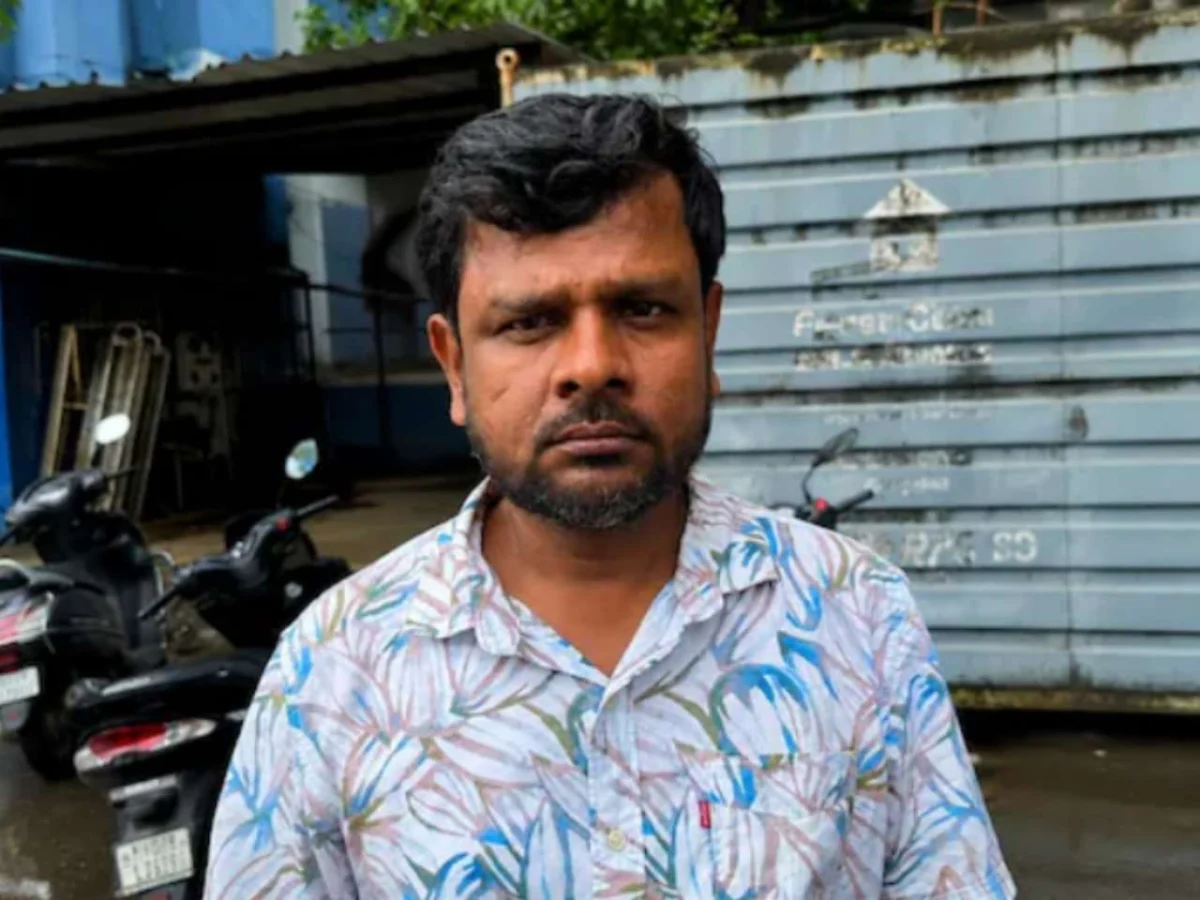
Mumbai, India – July 25, 2026 – In a significant breakthrough for law enforcement agencies, Bijendra Gupta, the alleged mastermind behind the widespread Maharashtra Teacher Eligibility Test (TET) paper leak scandal, has been arrested in Bihar. The apprehension, which occurred following an intensive inter-state search operation, marks a crucial step in dismantling a sophisticated examination malpractice network that has cast a long shadow over the integrity of competitive examinations in India. Another accused individual was apprehended alongside Gupta, further solidifying the ongoing investigation.
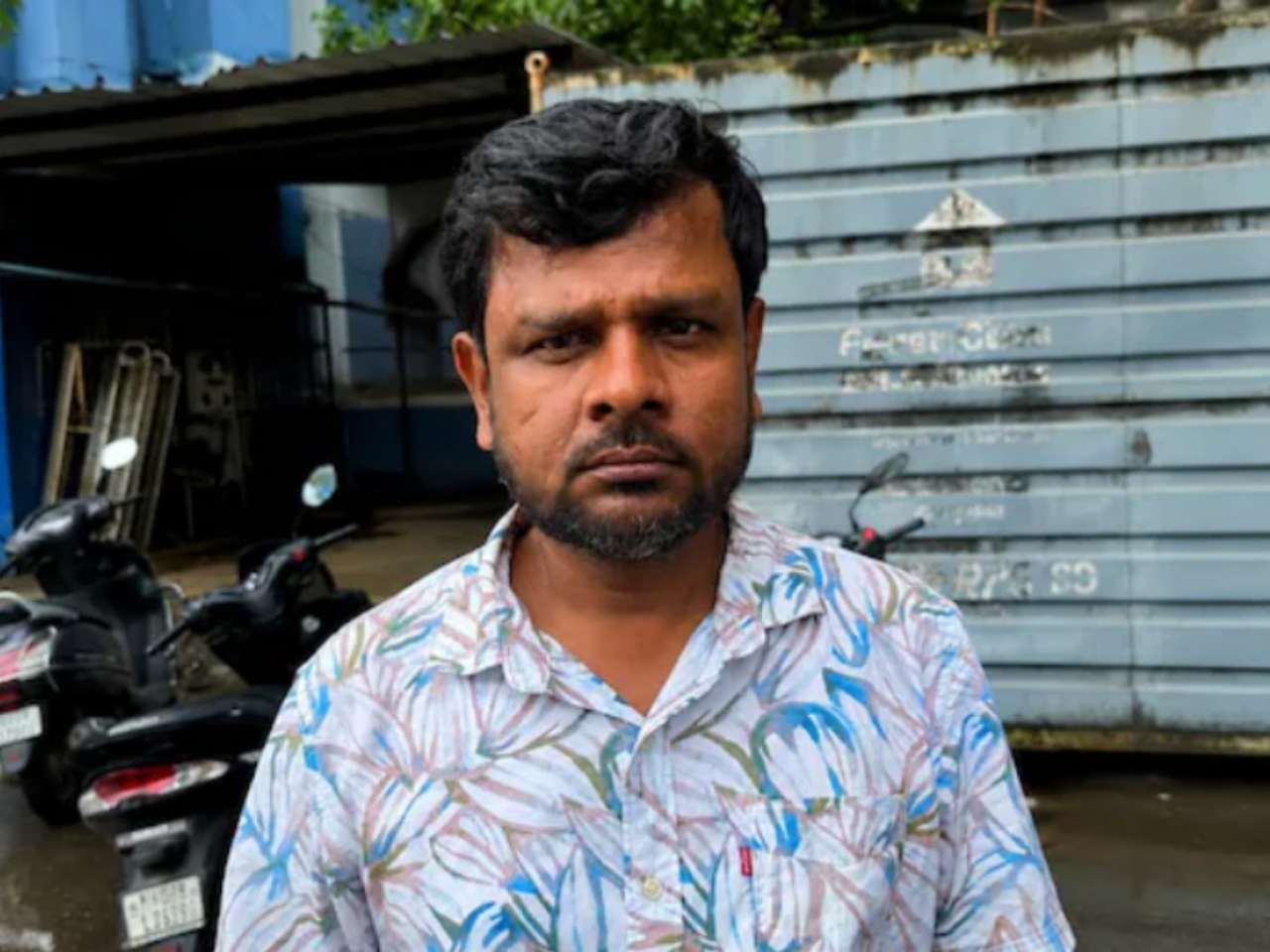
The arrest of Gupta, who had been on the run for several days, is the culmination of a meticulous and multi-pronged effort by the Maharashtra Police. Officials confirmed that multiple raids were conducted across Bihar in pursuit of the elusive suspect. This development comes after several other individuals, including Gupta’s wife, Suman Gupta, were previously taken into custody in connection with the Maharashtra TET paper leak. The operation underscores the determination of authorities to root out corruption that undermines the meritocratic principles of educational and professional advancement.
)
Unmasking the Alleged Mastermind: Bijendra Gupta’s Shadowy Influence
Bijendra Gupta’s name first surfaced prominently in the public consciousness in 2024, following an incisive undercover investigation by India Today. This investigation, which delved into the aftermath of the NEET paper leak controversy, purportedly captured Gupta detailing the inner workings of paper leak syndicates and the insidious methods employed to compromise high-stakes competitive examinations. During the sting operation, he is alleged to have provided an alarming insight into the systematic exploitation of vulnerabilities within examination systems, particularly those managed by the National Testing Agency (NTA).
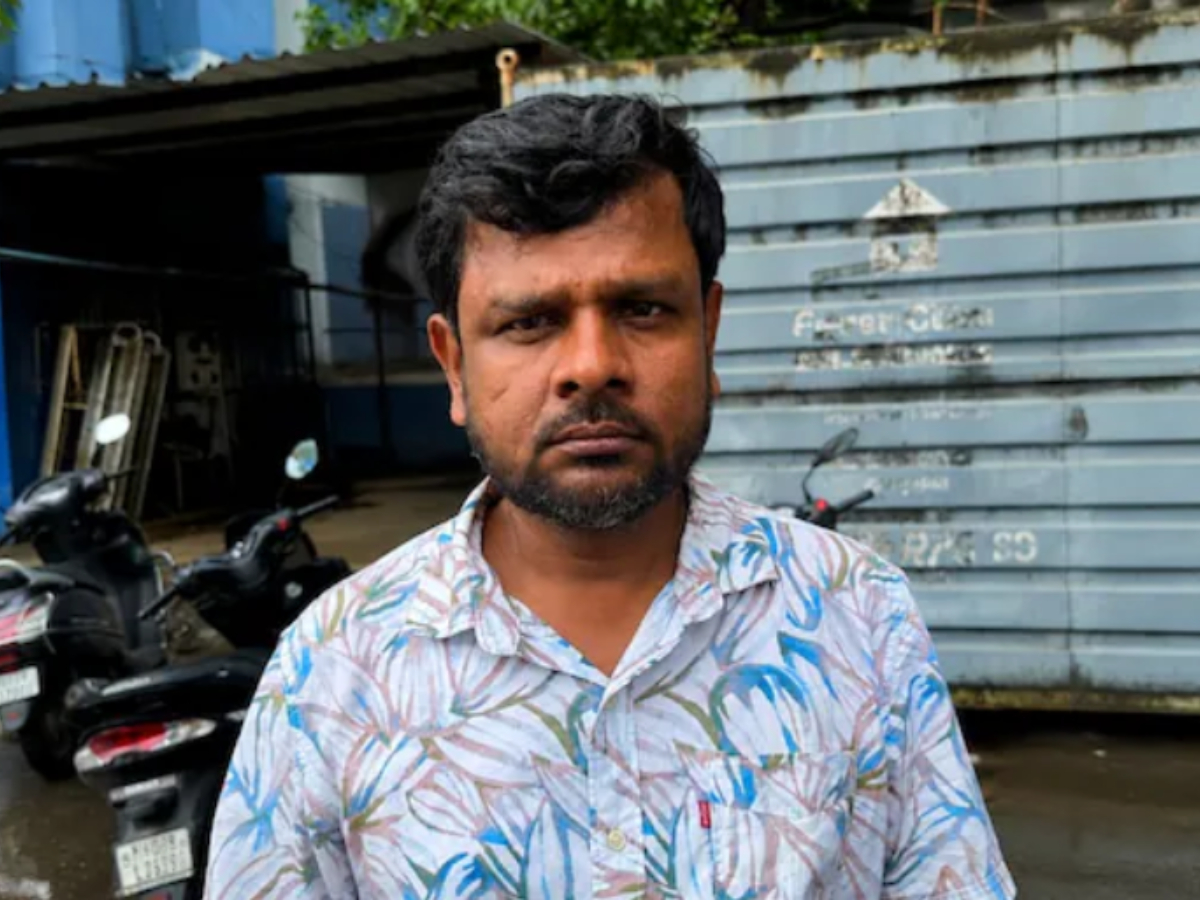)
Investigators now suspect that Gupta was not merely a peripheral figure but a central architect, playing a pivotal role in orchestrating paper leaks across a spectrum of examinations nationwide. His alleged ability to infiltrate and manipulate examination processes has raised serious concerns about the security protocols governing vital recruitment and eligibility tests. The Maharashtra Police are expected to seek a transit remand for Gupta to bring him to the state for extensive interrogation, where further details of his alleged criminal enterprise are anticipated to be unearthed.

A Web of Deception: The Chronology of the Maharashtra TET Paper Leak Investigation
The arrest of Bijendra Gupta is the latest chapter in a sprawling investigation that has been unfolding for months, meticulously piecing together the complex operations of the paper leak syndicate. The Maharashtra TET, a crucial examination for aspiring teachers in the state, became the focal point of this investigation after widespread allegations of irregularities surfaced.
)
Key Milestones in the Investigation:
)
-
Initial Allegations and Investigations: Following the Maharashtra TET examination, reports of paper leaks began to circulate, prompting the formation of a Special Investigation Team (SIT) by the Maharashtra Police. The SIT commenced a thorough inquiry into the allegations, gathering evidence and identifying key individuals involved.
)
-
Early Arrests and Revelations: The investigation quickly led to the arrest of several individuals, including individuals suspected of being conduits and distributors of the leaked papers. These arrests provided crucial leads into the higher echelons of the syndicate.
)
-
Gupta’s Wife Apprehended: In a significant development, Suman Gupta, the wife of the alleged mastermind Bijendra Gupta, was arrested in Bihar. Her arrest intensified scrutiny on the financial and logistical support network for the syndicate. Investigators are actively probing her alleged knowledge of the racket and any financial transactions that may have occurred under her purview.
)
-
Property Probes: Authorities have initiated investigations into properties located in Delhi and Patna, which are suspected to have been acquired using funds allegedly generated from the paper leak operations. This indicates a potential for significant financial crimes linked to the syndicate.
)
-
Arrest of Key Associates (July 3rd): The SIT made further significant arrests on July 3rd, apprehending Kapil Dahiya, Mithun Singh, and Sonu Singh. These individuals are believed to have played distinct but crucial roles in the paper leak syndicate.
)
- Kapil Dahiya: A resident of Sonipat, Haryana, Dahiya is accused of travelling to Mumbai to identify potential buyers and facilitate the sale of the leaked TET question papers. His movements suggest a direct involvement in the distribution network.
- Mithun Singh: Arrested in Bihar, Mithun Singh is alleged to have traveled to Pune to distribute the leaked papers. His close links to the central network have been a focal point of the investigation.
- Sonu Singh: Apprehended in Hajipur, Bihar, Sonu Singh is accused of preparing forged identity documents for Bijendra Gupta, thereby aiding the syndicate’s clandestine operations. Police also suspect that leaked question papers were printed using facilities linked to him. The recovery of fake identity cards allegedly made for Gupta further corroborates his involvement. Investigators believe Sonu Singh had a long-standing association with Gupta, underscoring his importance within the alleged interstate paper leak network.
-
Inter-State Search and Gupta’s Arrest: The subsequent extensive search operation, spanning multiple states, ultimately led to the apprehension of Bijendra Gupta and another associate in Bihar, bringing a significant phase of the manhunt to a close.
)
Supporting Data and Evidence: Unravelling the Modus Operandi
The investigation into the Maharashtra TET paper leak has uncovered a disturbing pattern of organized criminal activity designed to exploit loopholes in the examination system. While specific financial figures and the exact number of beneficiaries remain under active investigation, the modus operandi suggests a well-oiled machine operating across state borders.
)
- Sophisticated Network: The involvement of individuals in multiple states – Maharashtra, Bihar, and Haryana – points to a sophisticated inter-state network with established communication channels and logistical capabilities.
- Forged Documents and Identity Manipulation: The alleged role of Sonu Singh in preparing forged identity documents highlights the syndicate’s efforts to circumvent security measures and ensure the anonymity of those involved, including potentially the beneficiaries of the leaked papers.
- Financial Trail: The ongoing probe into properties in Delhi and Patna suggests a significant financial dimension to the racket. Investigators are meticulously tracing the flow of funds, aiming to identify the scale of the illicit earnings and the beneficiaries.
- Exploitation of Vulnerabilities: Gupta’s alleged detailed knowledge of vulnerabilities within examination systems, as revealed in the 2024 sting operation, indicates a strategic approach to identifying and exploiting weaknesses in the security and integrity of competitive examinations. This raises broader questions about the robustness of examination processes nationwide.
- Scale of the Leak: While the immediate focus is on the Maharashtra TET, investigators are exploring Gupta’s alleged connections to other examination paper leak cases, suggesting a broader pattern of malpractice that may extend beyond this specific examination.
Official Responses and Statements: A Commitment to Justice
Law enforcement agencies have reiterated their commitment to bringing all individuals involved in the paper leak scandal to justice. Statements from senior police officials underscore the seriousness with which this issue is being treated.
)
- Maharashtra Police: Officials from the Maharashtra Police have expressed satisfaction with the arrest of Bijendra Gupta, hailing it as a significant step towards dismantling the entire network. They have pledged to conduct a thorough and transparent investigation, ensuring that no stone is left unturned. "This arrest is a testament to the relentless efforts of our teams and our unwavering commitment to upholding the sanctity of our examination systems," stated a senior police officer involved in the investigation.
- Inter-Agency Cooperation: The successful apprehension of Gupta highlights the importance of inter-state cooperation between police forces. Officials have acknowledged the critical support received from their counterparts in Bihar, which facilitated the successful execution of the operation.
- Focus on Accountability: The authorities have emphasized that the investigation will not only focus on the immediate perpetrators but also on those who facilitated the leaks, profited from them, and ultimately benefited from the compromised examinations.
Implications: Safeguarding the Future of Competitive Examinations
The arrest of Bijendra Gupta and the ongoing unraveling of the Maharashtra TET paper leak network carry profound implications for the future of competitive examinations in India.
)
- Erosion of Public Trust: Repeated instances of paper leaks have severely eroded public trust in the fairness and integrity of the examination system. This can lead to disillusionment among genuine candidates who prepare diligently for these tests.
- Need for Enhanced Security Measures: The revelations necessitate a comprehensive review and strengthening of security protocols for all competitive examinations. This includes enhanced digital security, stricter invigilation procedures, and robust background checks for examination personnel.
- Legal and Policy Reforms: The sophistication of these paper leak syndicates may warrant stricter legal frameworks and enhanced penalties to act as a stronger deterrent. Policymakers may need to consider legislative reforms to address the evolving nature of examination malpractice.
- Protecting Meritocracy: The primary objective of competitive examinations is to ensure that the most deserving candidates are selected based on merit. Paper leaks fundamentally undermine this principle, leading to the appointment of undeserving individuals and perpetuating a cycle of corruption.
- Broader Impact on Education Sector: The integrity of teacher eligibility tests is paramount, as it directly impacts the quality of education imparted to future generations. Leaks in such examinations have far-reaching consequences for the entire education sector.
As the investigation progresses, the Maharashtra Police aim to not only bring the culprits to book but also to implement measures that will safeguard the integrity of future examinations, restoring faith in a system that is crucial for individual aspirations and national progress. The apprehension of Bijendra Gupta marks a significant victory in this ongoing battle against examination malpractice, signaling a renewed determination to ensure fairness and transparency in the pursuit of educational and professional opportunities.
