

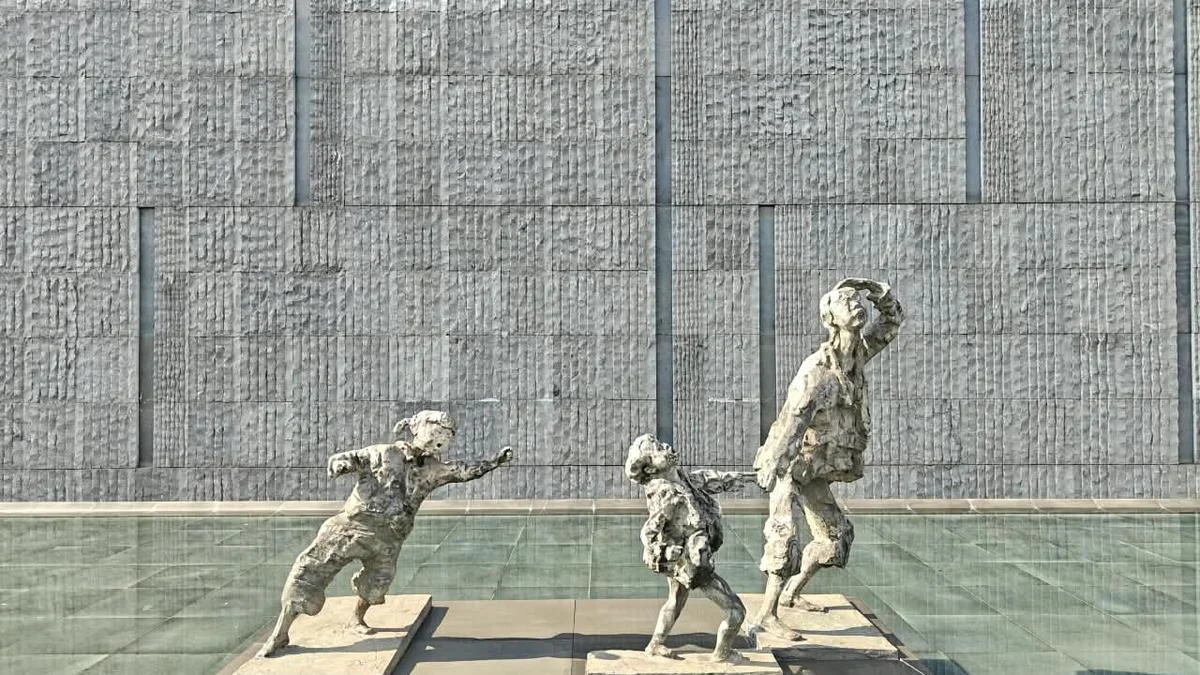
Nanjing, China – In the pulsating heart of China, where gleaming skyscrapers pierce the clouds and digital billboards paint the night sky with vibrant hues, a profound paradox unfolds. The relentless march of progress, characterized by cutting-edge technology and rapid urbanization, has not erased the indelible footprints of history. Instead, in cities like Nanjing and Changsha, the past and the future coexist in a striking symbiosis, a testament to China’s deep-seated commitment to preserving its rich heritage.
This nuanced interplay between the ancient and the hyper-modern is vividly illustrated across these dynamic metropolises. From solemn memorials that bear witness to unspeakable atrocities to thousand-year-old academic institutions that continue to shape future generations, China’s historical narrative is not merely relegated to dusty archives but is actively integrated into the fabric of contemporary life. This report delves into how China is navigating this delicate balance, ensuring that its historical consciousness remains a vital force amidst an era of unprecedented technological advancement.
The Weight of Memory: Nanjing’s Memorial Hall of the Victims
The Memorial Hall of the Victims in the Nanjing Massacre by Japanese Invaders stands as a somber yet powerful sentinel in the bustling city of Nanjing. It is not merely a building; it is a repository of anguish, a sanctuary for remembrance, and a stark reminder of one of modern history’s most brutal chapters. Amidst the soaring architectural marvels and the dizzying pace of urban development that defines Nanjing today, this memorial hall occupies a sacred space, drawing thousands of visitors daily who come to pay homage to the countless lives lost during the 1937 massacre.
The very genesis of the memorial is rooted in the earth-shattering discovery of human remains. As the city underwent modernization, construction projects unearthed the skeletal remains of victims, a chilling testament to the atrocities committed. Construction was halted, and in its place, a memorial was conceived – a deliberate act of pausing progress to honor the fallen. This decision underscores a fundamental principle: the preservation of history is not an impediment to development but a crucial component of national identity.
The hall itself is a profound experience. The preserved skeletons of thousands, including those of innocent children, lie as they were found, their silent testimony speaking volumes about the horrors of war. Alongside these poignant remains, the names and photographs of the over 300,000 individuals officially recognized as victims are meticulously preserved. The imprints of survivors’ footprints and their poignant photographs are etched into the very pathways and walls of the memorial, creating an intimate connection between the past and the present. This physical manifestation of memory ensures that the Nanjing Massacre is not an abstract historical event but a visceral reality, felt and understood by each visitor.

The guide, a vital conduit of historical understanding, explained that the construction was halted precisely because of the overwhelming discovery of bodies from the Japanese massacre. The decision to transform the site into a museum was a conscious choice to elevate the memory of the victims and to educate future generations about the brutal consequences of unchecked aggression. This act of preservation, born from tragedy, has become a cornerstone of Nanjing’s historical consciousness, a place where the weight of the past is acknowledged and honored even as the city surges forward into the future.
A Thousand Years of Learning: Changsha’s Yuelu Academy
Across the Yangtze River, in the vibrant city of Changsha, Hunan province, another remarkable fusion of past and present unfolds at the Yuelu Academy. This esteemed institution, with a history stretching back a millennium, is not just an academic relic; it is a living, breathing center of learning that stands proudly amidst China’s most technologically advanced urban landscapes. As one of the four most renowned centers of higher learning in ancient China, Yuelu Academy represents an unbroken chain of intellectual pursuit that has weathered centuries of change.
Despite the proliferation of modern universities and advanced educational facilities across the nation, Yuelu Academy has retained its significance. Its ancient structures, including its historic halls and buildings, have been meticulously restored to their original glory, ensuring that the architectural heritage is passed on to successive generations. The walls of the academy are adorned with ancient inscriptions, carefully preserved, offering a tangible link to the scholars and thinkers who once walked these grounds.
The local guides in Changsha emphasize the deliberate integration of technology in the preservation of these historical sites. It is not about replacing the old with the new, but about using contemporary tools to safeguard and enhance the understanding of historical legacies. This approach allows Yuelu Academy to remain relevant to modern students, who can engage with its rich history and profound academic traditions in a way that resonates with their contemporary sensibilities. The academy stands as a powerful symbol of how enduring institutions can adapt and thrive, not by shedding their past, but by weaving it into the tapestry of the present.
Beyond Memorials and Academies: A Broader Preservation Ethos
The preservation ethos in China extends far beyond specific landmarks like the Nanjing Massacre Memorial Hall or Yuelu Academy. It is a pervasive approach that seeks to integrate historical consciousness into the very rhythm of daily life and urban planning. This is evident in numerous cultural initiatives and the mindful development of urban spaces.

Hunan Museum and the Tomb of Lady Xin Zhui: A prime example of this commitment can be found at the Hunan Museum, where the tomb of Lady Xin Zhui (died around 168 BCE) has been meticulously recreated. Utilizing advanced technology, the original wooden structure of this massive tomb has been replicated to astonishing accuracy. This not only preserves the archaeological integrity of the find but also provides future generations with an immersive understanding of Han Dynasty burial practices and craftsmanship. The exhibition is a testament to how technology can serve as a powerful tool for historical education, bringing ancient worlds vividly to life.
Jinggang Ancient Town: A Living Heritage: Moving away from the controlled environments of museums and institutions, the preservation of traditional culture takes a more organic, lived form in places like Jinggang Ancient Town, located approximately 50 kilometers from Changsha. This charming town offers a deliberate step back in time, providing a glimpse into a China that existed before the era of skyscrapers and high-speed transit.
Here, traditional buildings line cobbled streets, and the air is filled with the sounds of puppet shows, the gentle rhythm of boat rides on the nearby river, and the vibrant performances of street theater. Traditional lanterns, strung across the lanes, cast a warm glow as dusk settles, creating an atmosphere where time seems to stand still. In Jinggang, preservation is not confined to artifacts behind glass; it is an active engagement with the community, where elements of traditional culture are woven into the daily life of the town and presented as its living heritage. This approach ensures that traditional customs, arts, and ways of life are not just remembered but actively practiced and passed on.
Implications: A Model for the Future?
The approach taken by China, in cities like Nanjing and Changsha, presents a compelling model for how nations can navigate the complex relationship between modernization and heritage preservation. The key lies in a proactive and integrated strategy that recognizes the intrinsic value of the past in shaping a robust national identity and a more nuanced understanding of the present.
Chronology of Preservation:

- Ancient Roots: The establishment of institutions like Yuelu Academy over a millennium ago laid the groundwork for a long-standing tradition of scholarship and cultural preservation.
- Post-Conflict Reckoning: The establishment of the Nanjing Massacre Memorial Hall in the aftermath of World War II marked a critical moment of national remembrance and a commitment to documenting historical atrocities.
- Technological Integration: In recent decades, China has increasingly leveraged advanced technologies to enhance preservation efforts, from virtual reconstructions to digital archiving.
- Living Heritage Initiatives: The development of ancient towns and cultural villages exemplifies a shift towards preserving and celebrating traditional lifestyles as a form of living heritage.
Supporting Data and Observations:
- The sheer volume of visitors to historical sites like the Nanjing Memorial Hall underscores a significant public interest in history and remembrance.
- The continued academic relevance and student enrollment at Yuelu Academy demonstrate that historical institutions can remain vital in the modern educational landscape.
- The integration of traditional performances and architecture in ancient towns like Jinggang attracts both domestic and international tourism, highlighting the economic and cultural benefits of preservation.
- The meticulous restoration and presentation of artifacts, such as those at the Hunan Museum, indicate a significant investment in preserving tangible historical evidence.
Official Responses and Policy:
Chinese governmental policies often emphasize the importance of cultural heritage preservation as a cornerstone of national identity and social cohesion. While specific policy documents are extensive, the consistent funding and support for historical sites, museums, and cultural preservation projects across the country reflect a top-down commitment. The narrative promoted often frames heritage preservation not as an impediment to economic growth but as a complementary force that enriches the national psyche and contributes to a unique global standing.
Implications for the Future:
The Chinese approach suggests that modernization and historical consciousness are not mutually exclusive but can be mutually reinforcing. By actively integrating the past into the present, China is not only honoring its ancestors but also fostering a deeper sense of national pride and a more grounded understanding of its place in the world. This strategy offers valuable lessons for other nations grappling with similar challenges:

- Holistic Preservation: Moving beyond isolated monuments to encompass living traditions, architectural landscapes, and intangible cultural heritage.
- Technological Synergy: Utilizing advanced tools not to replace history but to illuminate, protect, and disseminate it more effectively.
- Educational Integration: Ensuring that historical narratives are woven into educational curricula and public discourse from an early age.
- Economic Viability: Demonstrating that heritage preservation can be a driver of sustainable tourism and local economic development.
In conclusion, the cities of Nanjing and Changsha, with their palpable blend of the ancient and the ultra-modern, serve as compelling case studies. They reveal a China that is not just building a future but is meticulously and respectfully building upon its past, ensuring that the echoes of history continue to resonate powerfully in the symphony of its progress. The reporter’s observation that "the past does not appear to exist in opposition to the future. They sit together" perfectly encapsulates this enduring commitment, a testament to a nation that understands its history is not a burden to be shed, but a foundation upon which to build a more profound and meaningful future.
