

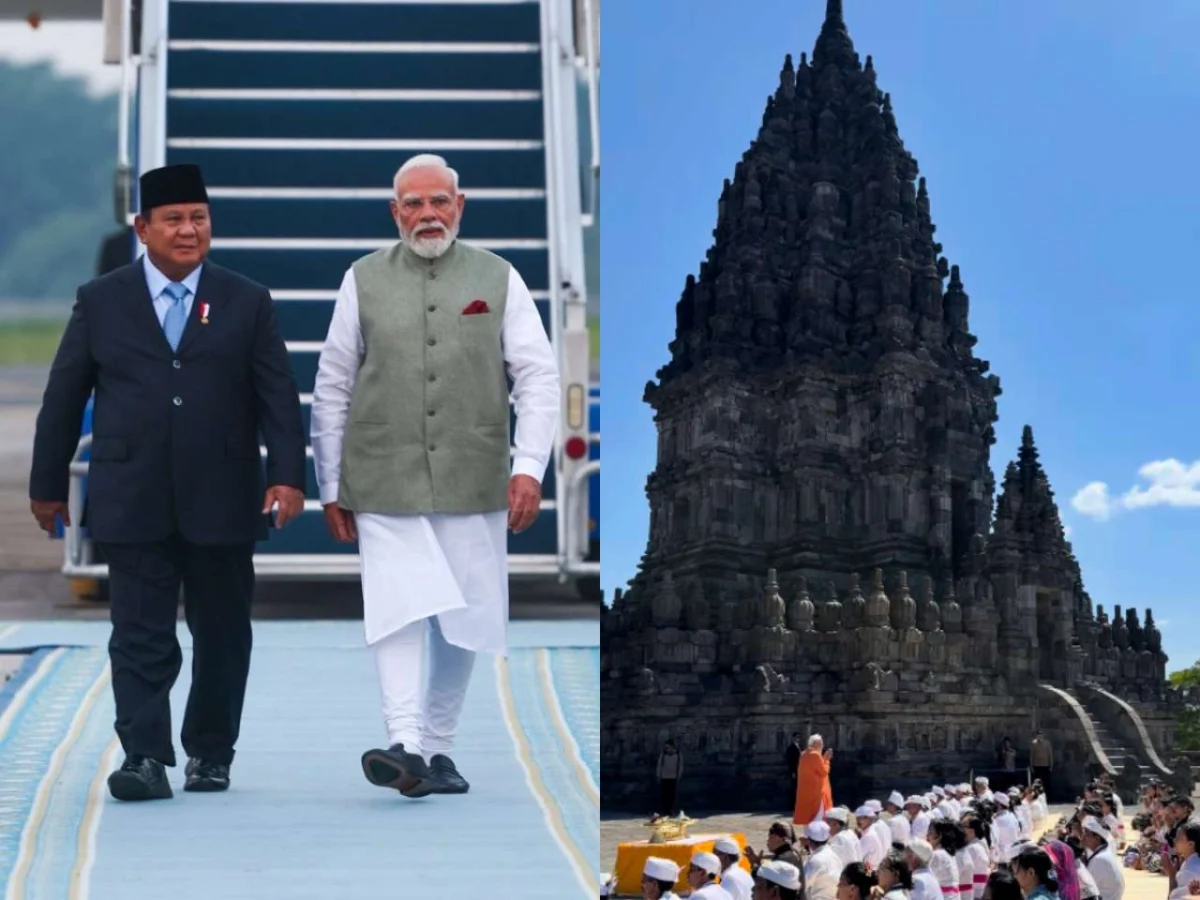
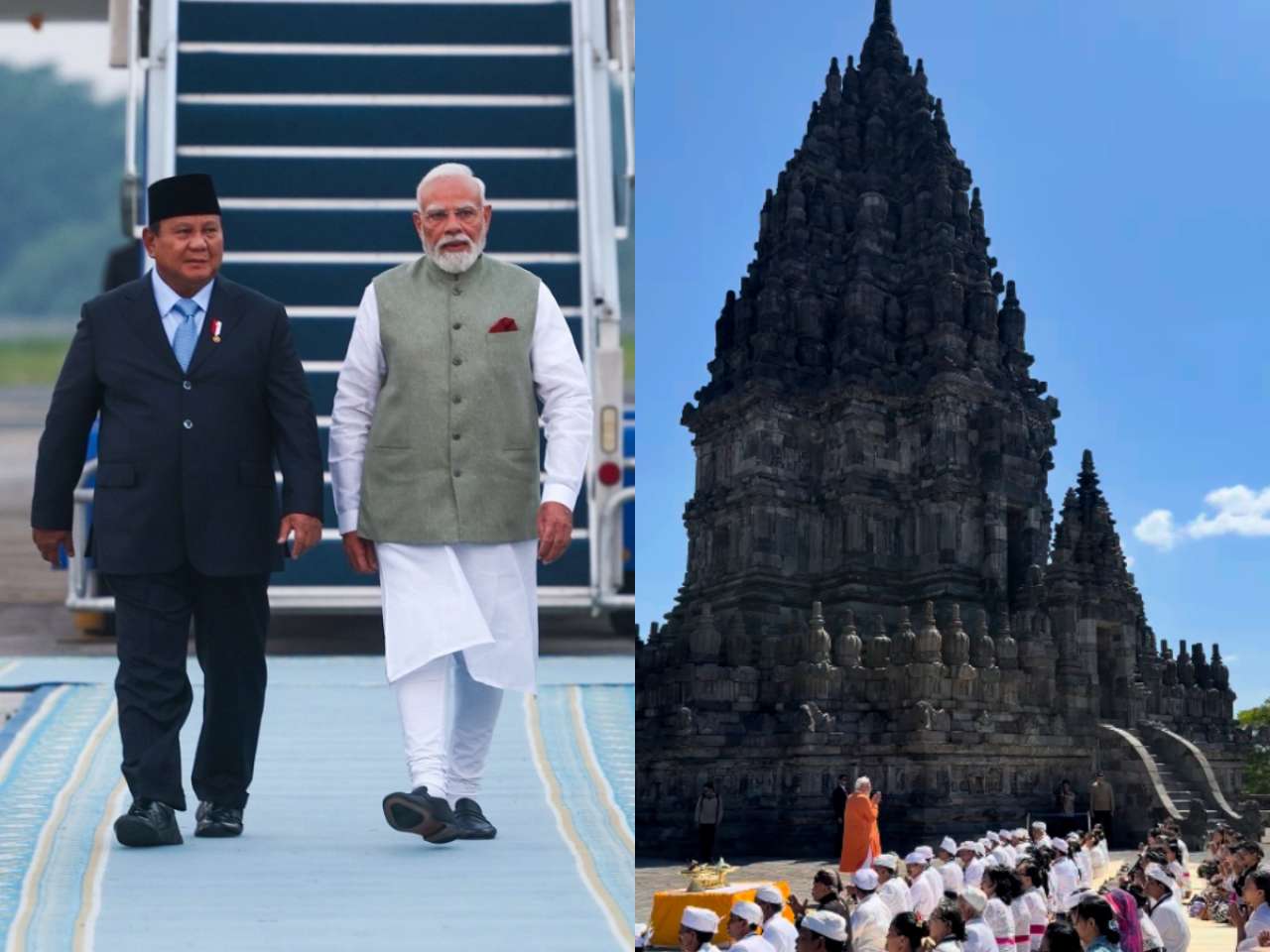
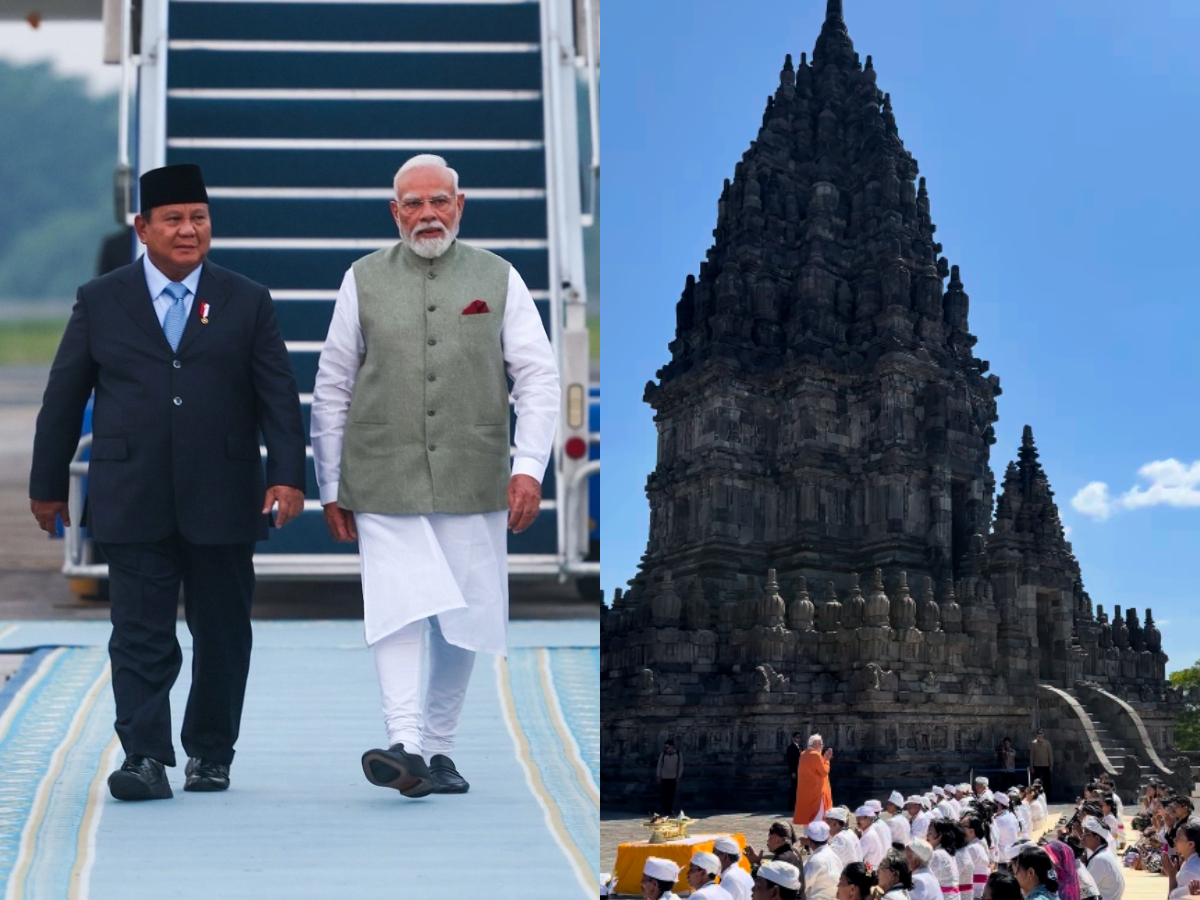
Yogyakarta, Indonesia – During his recent state visit to Indonesia, Prime Minister Narendra Modi made a significant stop at the magnificent Prambanan Temple complex, a UNESCO World Heritage Site that stands as a profound testament to the deep-rooted and centuries-old cultural and spiritual ties between India and Indonesia. The visit, far exceeding a mere diplomatic courtesy, served to highlight the enduring shared heritage and the potential for collaborative preservation of this invaluable historical monument.
The iconic temple, a breathtaking example of Hindu architecture, is situated near Yogyakarta in Central Java. Its presence in the world’s most populous Muslim-majority nation underscores the rich tapestry of religious and cultural influences that have shaped Indonesia’s history. Prime Minister Modi’s engagement with Prambanan not only paid homage to this shared past but also signaled a commitment to reinforcing these cultural bridges for future generations.
A Legacy Forged in Stone: The Historical Significance of Prambanan
Prambanan is not just a significant religious site; it is a sprawling architectural marvel that whispers tales of ancient kingdoms and their spiritual aspirations. As the largest Hindu temple complex in Indonesia and one of the most impressive in Southeast Asia, it rivals even Cambodia’s Angkor Wat in its grandeur and historical weight.
Humble Beginnings to Majestic Grandeur: The genesis of Prambanan can be traced back to the 9th and 10th centuries, a period marked by the flourishing Sanjaya dynasty of the ancient Mataram Kingdom. This era witnessed the construction of a monumental tribute to the Hindu Trimurti – Lord Shiva, Lord Vishnu, and Lord Brahma. The meticulous planning and execution of these structures reflect a sophisticated understanding of both architectural principles and religious iconography.
)
A Dialogue with Borobudur: Often discussed in tandem with the nearby Borobudur Temple, a monument representing Indonesia’s significant Buddhist heritage, Prambanan offers a compelling narrative of religious coexistence and syncretism in ancient Java. Together, these two colossal structures paint a vivid picture of the diverse spiritual landscape that characterized the archipelago millennia ago.
UNESCO Recognition: The sheer historical and architectural importance of Prambanan was formally recognized by UNESCO in 1991, when the Prambanan Temple Compound was inscribed as a World Heritage Site. This designation not only brought global attention to the site but also underscored the international community’s commitment to its preservation.

Architectural Brilliance and Spiritual Symbolism
The visual impact of Prambanan is immediate and awe-inspiring. The soaring towers, characteristic of North Indian temple architecture, dominate the skyline, drawing the eye upward and evoking a sense of reverence.
The Trinity of Temples: The heart of the complex comprises three main temples, each dedicated to a principal deity of the Trimurti. The Temple of Shiva, the most prominent and tallest, stands at approximately 47 meters, a testament to its supreme significance within the Hindu pantheon. Within its sacred confines, visitors can find intricately carved statues of Lord Shiva, his consort Durga, their son Ganesha, and the revered sage Agastya.
)
The temples are arranged in a precise square layout, a design deeply rooted in Hindu cosmology, symbolizing the universe and the divine order. This meticulous arrangement reflects not only architectural prowess but also a profound understanding of philosophical and religious principles.
A City of Temples: Originally, the Prambanan complex was an expansive city of temples, with an estimated 240 structures spread across nearly 40 hectares. While time, natural disasters, and the ravages of neglect have reduced many of the smaller shrines to ruins, the central and most significant temples have undergone extensive and painstaking restoration, allowing visitors to experience their former glory.
)
The Ramayana Etched in Stone: A Visual Epic
Beyond its architectural grandeur, Prambanan is renowned for its exquisite bas-relief carvings that adorn the temple walls. These detailed narratives are not merely decorative; they serve as a vibrant visual chronicle of the Ramayana, one of Hinduism’s most cherished epics.
A Journey Through the Epic: As visitors circumambulate the temples, they are guided through the unfolding drama of the Ramayana, following the story carved with remarkable precision on the stone surfaces. This tradition of clockwise progression mirrors the narrative flow of the epic, creating an immersive and educational experience.
)
Cultural Fusion in Art: The style of these carvings is a fascinating blend of Indian artistic traditions and the distinctive local art of Java. This fusion highlights the dynamic cultural exchange that took place, where Indian influences were adapted and reinterpreted by local artisans, resulting in a unique Javanese expression of Hindu mythology.
Living Tradition: The legacy of the Ramayana at Prambanan extends beyond the stone. Even today, the temple complex serves as the breathtaking backdrop for open-air Ramayana ballet performances. These captivating shows, integrating dance, music, and theatre, bring the epic to life under the starlit Javanese sky, further cementing the site’s cultural significance.
)
The Legend of Princess Roro Jonggrang: Folklore and Faith
Prambanan is inextricably linked to a captivating Javanese legend that adds a layer of local folklore to its historical narrative: the tale of Princess Roro Jonggrang.
A Royal Bargain: According to the legend, Princess Roro Jonggrang agreed to marry the formidable warrior Bandung Bondowoso on the condition that he would build 1,000 temples in a single night. Empowered by supernatural forces, the prince embarked on this monumental task. However, the cunning princess, fearing the union, devised a plan to thwart his efforts. She instructed villagers to light fires and pound rice, creating the illusion that dawn had arrived prematurely.
)
A Curse and a Stone Princess: Deceived by the ruse, the spirits assisting Bandung Bondowoso vanished before the final temple could be completed. Enraged by the princess’s trickery, the prince, in his fury, cursed Roro Jonggrang, transforming her into stone. Local tradition holds that the statue of Durga found within the Shiva temple is, in fact, the petrified form of Princess Roro Jonggrang. While historians view this story as folklore, it remains a cherished part of the site’s cultural identity.
From Obscurity to Global Heritage: The Resilience of Prambanan
The journey of Prambanan from its glorious past to its present status as a protected heritage site is a story of resilience and rediscovery.
)
Decline and Neglect: Following significant political shifts in the 10th century, Prambanan, like many ancient monuments, began to fall into disrepair. A series of devastating natural events, including volcanic eruptions and earthquakes, coupled with prolonged periods of neglect, led to the temple complex becoming largely buried under ash and vegetation. Many structures crumbled, their stones scattered and their grandeur lost to time.
A 19th Century Rediscovery: The site remained largely forgotten until its rediscovery in the 19th century by European explorers. This marked the beginning of a long and arduous process of excavation and restoration, aimed at piecing back together the fragmented history of the temple.
)
Enduring Challenges and Restoration Efforts: The 2006 Yogyakarta earthquake inflicted further damage on the already fragile structures. However, dedicated restoration projects, supported by both national and international efforts, have been instrumental in preserving the monument for posterity. While many smaller temples are still in various stages of reconstruction, the core structures have been meticulously restored, ensuring that Prambanan continues to stand as a proud beacon of Indonesia’s cultural heritage.
A Symbol of Enduring Hindu Influence in Modern Indonesia
Despite its demographic reality as a Muslim-majority nation, Indonesia’s historical and cultural landscape is indelibly marked by its Hindu past. The influence of Hinduism first permeated the Indonesian archipelago over 1,500 years ago, carried by intrepid traders and cultural emissaries from India.
)
A Rich Historical Tapestry: This early interaction laid the foundation for the rise of powerful Hindu and Hindu-Buddhist kingdoms that once ruled vast swathes of Java, Sumatra, and Bali. These kingdoms left behind a rich legacy of temples, inscriptions, and enduring cultural traditions that continue to resonate today.
Bali: The Modern Bastion: While Hindu influence is evident across the archipelago, Bali remains the contemporary heartland of Hinduism in Indonesia. However, sites like Prambanan serve as vital historical anchors, preserving and celebrating the country’s multifaceted Hindu heritage for both its citizens and the global community.
)
Prime Minister Modi’s visit to Prambanan was more than a diplomatic engagement; it was a powerful affirmation of shared cultural roots and a commitment to fostering mutual understanding and cooperation. In a world increasingly focused on dialogue and shared heritage, the enduring presence of Prambanan, illuminated by the Prime Minister’s visit, stands as a potent symbol of the deep and lasting connections between India and Indonesia.
