

Storytelling, an art as old as humanity itself, is undergoing a profound metamorphosis across the globe. The traditional gatekeepers of narrative and artistic expression are yielding to a more inclusive and dynamic landscape, with museums at the forefront of this exciting evolution. No longer mere repositories of static artifacts, these institutions are increasingly embracing innovative approaches to connect with audiences, reinterpreting their roles as vibrant centers for experiential learning and deeply resonant storytelling. From the ancient traditions of Indigenous communities to the cutting-edge integration of artificial intelligence, museums are actively reimagining how they preserve, present, and engage with the myriad stories that shape our world.
A Global Renaissance in Museum Storytelling
The reimagining of storytelling within museum spaces is not confined to a single region; it is a burgeoning global phenomenon. Institutions are breaking down the perceived barriers between creator and audience, inviting a more participatory and multi-sensory engagement with history, culture, and art.
In Australia, the Bunjilaka Aboriginal Cultural Centre in Melbourne serves as a poignant example of this shift. This institution is dedicated to the sensitive portrayal of Aboriginal history and traditions, employing a rich tapestry of performance, oral storytelling, captivating artwork, and immersive audio-visual interventions. It offers a profound and respectful gateway into the enduring narratives of Indigenous Australians, moving beyond passive observation to foster a deeper understanding and appreciation.
Venturing to Lisbon, the Quake: The Lisbon Earthquake museum offers a visceral journey back in time. Visitors are transported to the catastrophic events of 1755, experiencing one of the city’s most transformative moments not just visually, but through a symphony of sensory inputs. Across ten immersive rooms, over a ninety-minute experience, audiences can hear the crackle of flames, smell the acrid scent of burning buildings, and feel the simulated heat, creating an unforgettable and deeply impactful encounter with history.

Germany is also embracing the future of narrative. Stuttgart’s Art Museum has ventured into the realm of artificial intelligence, integrating AI-infused storytelling into its exhibitions. This innovative approach allows for dynamic, personalized narratives that can adapt to individual visitor interactions, offering a glimpse into the potential of technology to enhance our understanding of art and its context.
In the United States, New York City’s Museum of Modern Art (MoMA) is safeguarding invaluable personal histories through its Oral History initiative. This project meticulously preserves first-hand recollections of individuals in their own authentic voices, creating a living archive that offers unparalleled insights into the experiences and perspectives of those who have shaped our cultural landscape.
Local Innovations: Chennai’s "Story Museum" and Mumbai’s Dynamic Displays
Closer to home, India is witnessing its own vibrant experimentation in the museum and art world, with artists and institutions alike pushing the boundaries of traditional exhibition formats.
Parvathi Nayar’s "Limits of Change": A "Story Museum" in Chennai
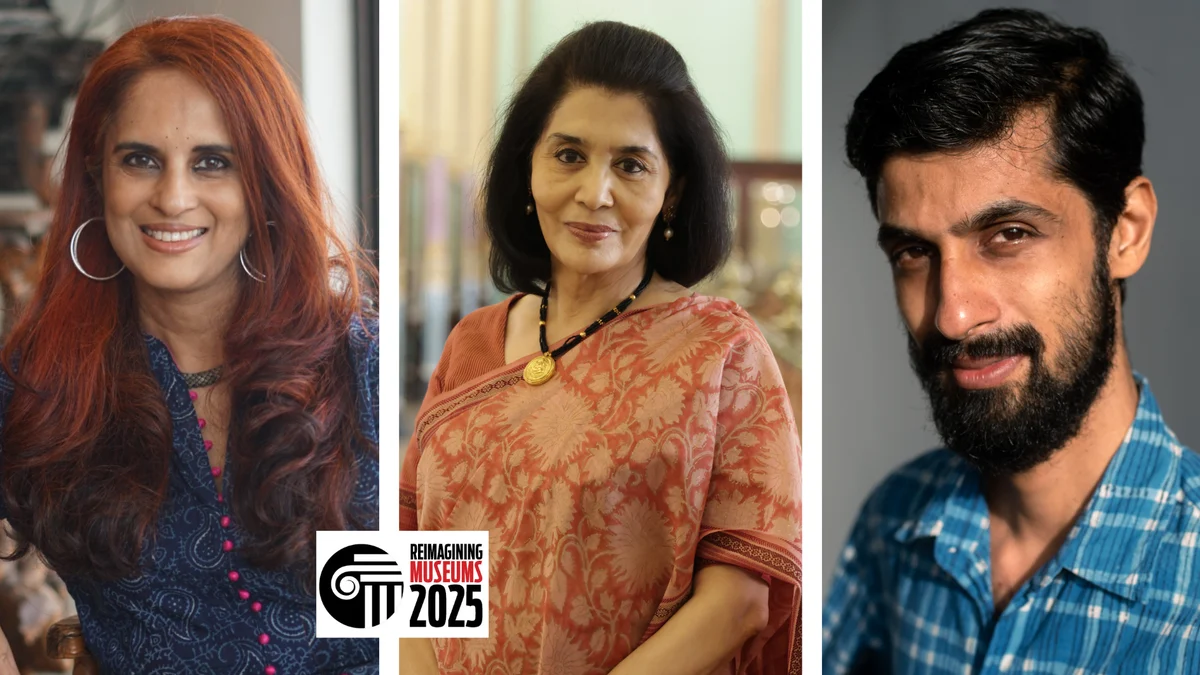
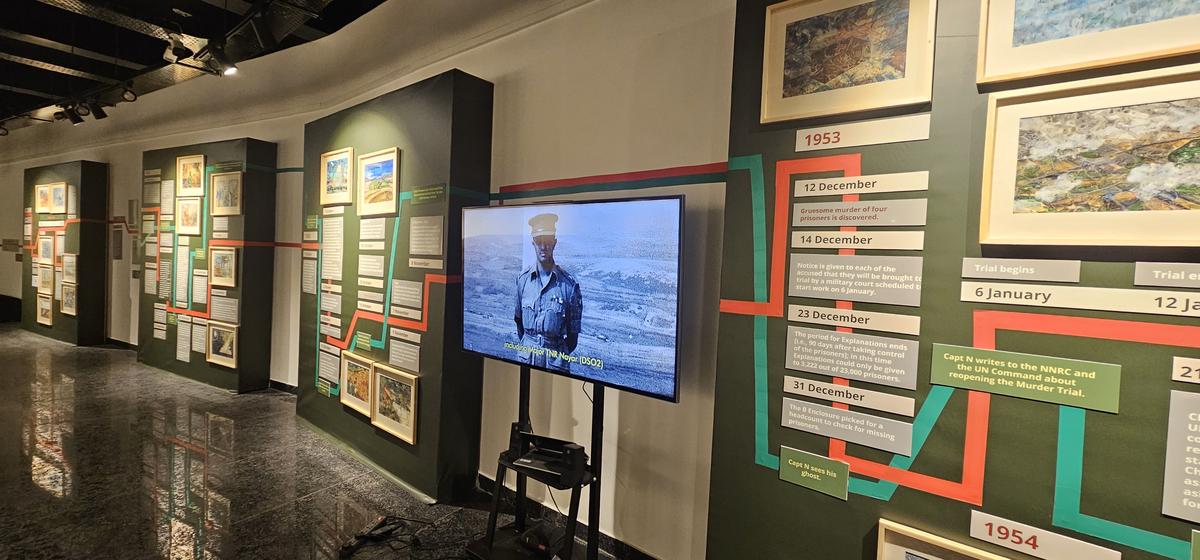
In Chennai, artist Parvathi Nayar’s project, Limits of Change, stands as a testament to the innovative fusion of artistic disciplines. Described by Nayar herself as a "story museum," this ambitious undertaking weaves together theatre, installation art, and diverse artistic expressions to create a deeply immersive narrative experience. The genesis of this project lies in a collaborative vision between Parvathi and her playwright niece, Nayantara Nayar, who sought to marry the conceptual framework of a museum with the dynamic power of performance. Their inspiration was also drawn from evolving trends in theatre, where intimate dramas unfold through headphones during city walks with actors or within meticulously crafted miniature sets. This confluence of archival depth, performative engagement, and interactive elements gave birth to the unique concept of the "story museum."
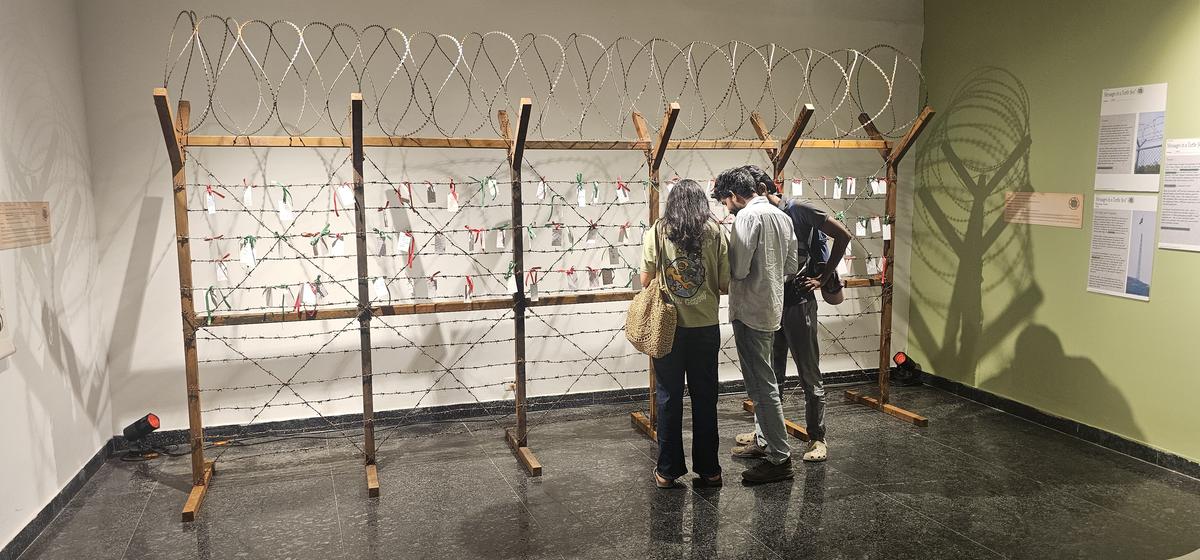
"Nayantara and I came to it as a space where historical fictions can activate our lived histories," Parvathi explains, "where stories are experienced through art installations and infographics, and brought to life by movement, spoken word, and text. Creativity, after all, comes from allowing ideas to jostle, percolate, and fuse, until something entirely new takes form."
The narrative of Limits of Change is deeply personal and historically significant. It draws inspiration from the experiences of Parvathi’s father, Major General T.N.R. Nayar, who served with the Custodian Force of India (CFI) on a peacekeeping mission in Korea following the signing of the Korean War Armistice in 1953. Through a poignant journey illuminated by his letters and journals, Parvathi and Nayantara guide audiences through the year spent by Indian soldiers in the Korean Demilitarized Zone (DMZ). The exhibition is narrated by a young curator, and unfolds across nine interconnected spaces, each meticulously designed to represent a distinct segment of the DMZ. Through a captivating blend of exhibits, archival footage, and theatrical performances, the story of these soldiers and their experiences is brought to life. In essence, they have crafted a museum where a fictionalized narrative serves as its animating soul. The project is slated to travel across India and Korea, promising to share this compelling story with a wider audience.
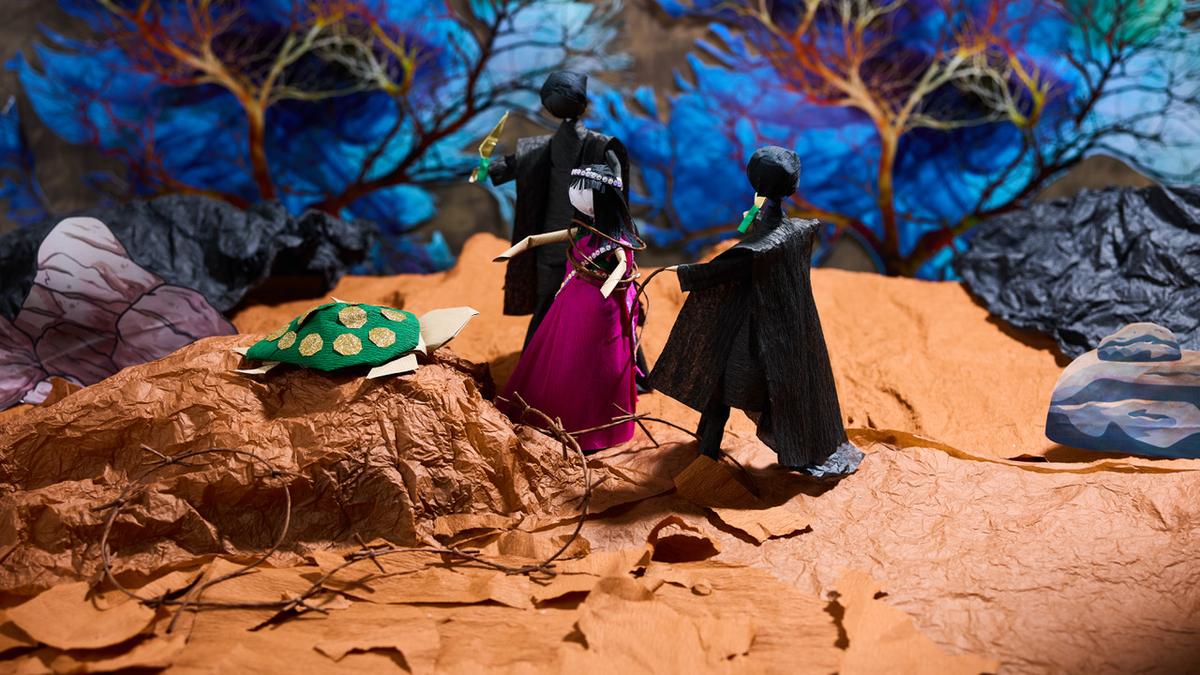
The inspiration for Limits of Change was drawn from a broad spectrum of artistic projects and installations observed by the duo in museums both in India and internationally. Nayantara, in particular, found inspiration in the work of the U.K.-based theatre company, Paper Birds, and their show Mobile. This production was born from extensive time spent with communities, actively listening to personal experiences and utilizing the very words of individuals to craft powerful social commentaries.
Tasneem Mehta at the Dr. Bhau Daji Lad Museum: Deconstructing Narratives
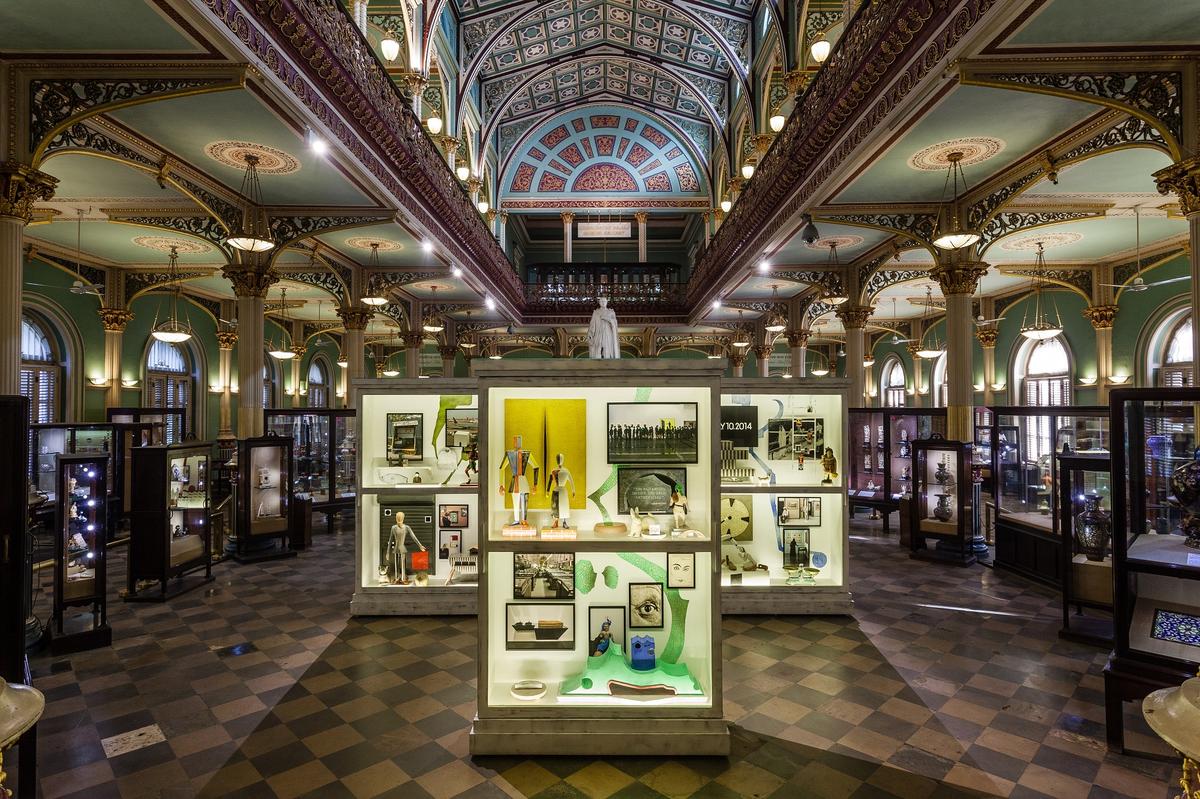
In Mumbai, the Dr. Bhau Daji Lad Museum, the city’s oldest museum, is actively revitalizing its collections by transforming static displays into dynamic, evolving experiences. Under the curatorial vision of Tasneem Mehta, the museum is adeptly merging contemporary artistic narratives with its historical exhibits. Mehta’s approach involves inviting prominent multi-disciplinary artists to engage with the museum’s collection, encouraging them to deconstruct, decolonize, and challenge conventional perspectives.
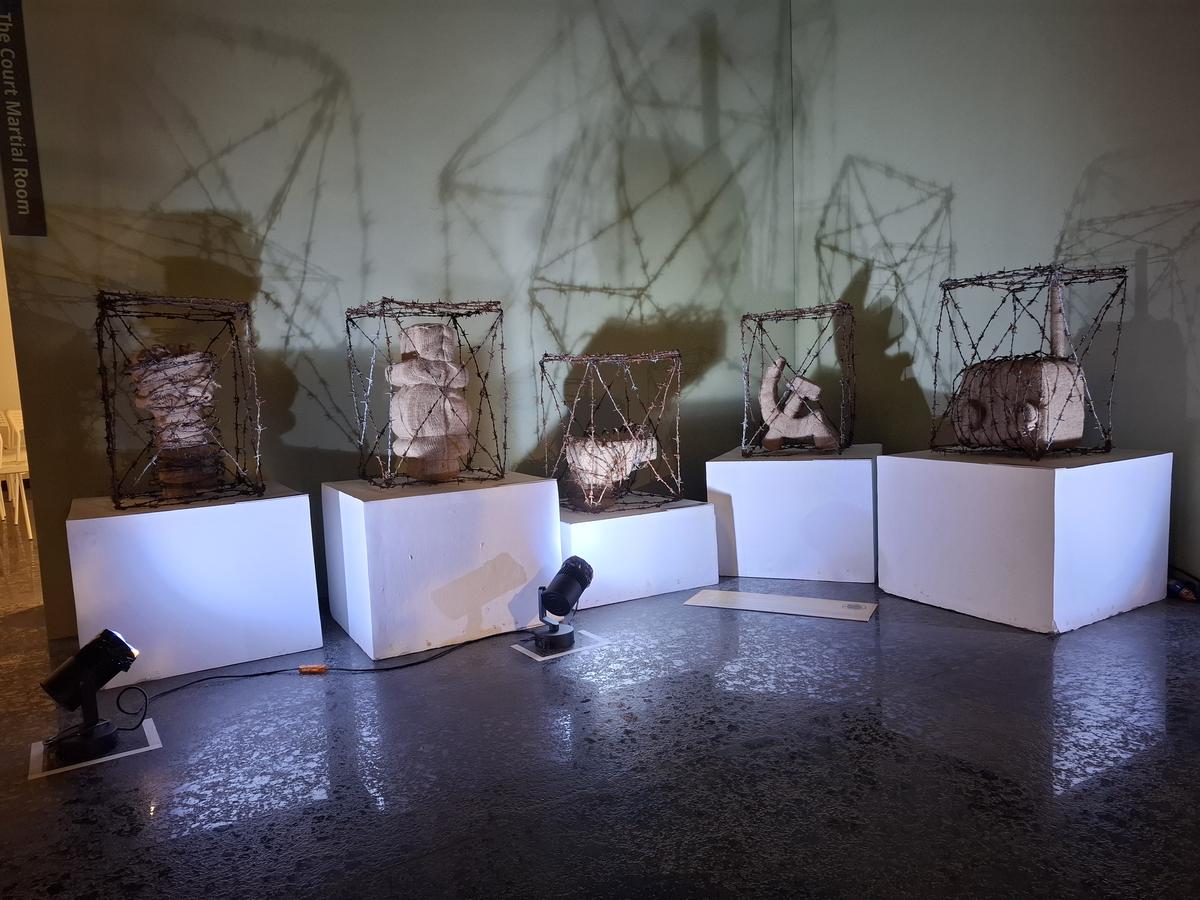
A notable example is conceptual artist L.N. Tallur’s exhibition, Quintessential. This project utilized Albert Einstein’s theory of relativity as a springboard to explain his unique universe. Visitors were not mere observers but active participants, with the ability to interact with and control mechanical exhibits, fostering a sense of agency and deeper engagement. "I didn’t want to do it in a didactic way," Mehta states, "so it is done by inviting artists to create their own narratives and ways of engaging with the material." This collaborative ethos has seen numerous artists, including Nikhil Chopra, Sudarshan Shetty, and Sarnath Banerjee, contribute to the museum’s evolving narrative.
The current exhibition, Cartographies of the Unseen, by artist Reena Saini Kallat, is another embodiment of this curatorial philosophy. Mehta collaborated closely with Kallat to strategically place her artworks throughout the colonial-era museum, a deliberate act to challenge Eurocentric viewpoints. "A lot of thought went into where I placed the crown on which the names of freedom fighters are engraved or [why we] placed the Constitution in front of the statue of Prince Albert," Mehta elaborates, highlighting the intentionality behind the placement and thematic resonance of each artwork.

Karthik Subramanian’s "Sleepwalker Archives": Embodied Storytelling
For Auroville-based photographer and multi-disciplinary artist Karthik Subramanian, storytelling is not merely a component of his art; it is its very essence. His exhibition Sleepwalker Archives, held at the French Institute of Pondicherry last year, exemplifies this commitment. Collaborating with Devarati Chakrabarti and Sujeet George, Subramanian gained access to a treasure trove of archival materials from the institute, including historical photographs, herbarium specimens, card catalogues, maps, scientific instruments, and a diverse array of miscellanea.
In the process of meticulously sifting through this wealth of material, the team explored the potential of animating connections between these objects and the worlds they represented. Their approach was characterized by a spirit of playful exploration and reinterpretation. "Every time I go to an exhibition, I find myself desiring to touch many of the objects on display," Subramanian shares. "So, in our show, what we wanted to bring to the viewer was the feeling of embodiment – with all of one’s senses." He poses evocative questions that challenge conventional exhibition experiences: "Can one listen to, smell, or taste a photograph? Can one feel the movement in a still photograph? Can we make the viewers imagine what is outside of the frame?"
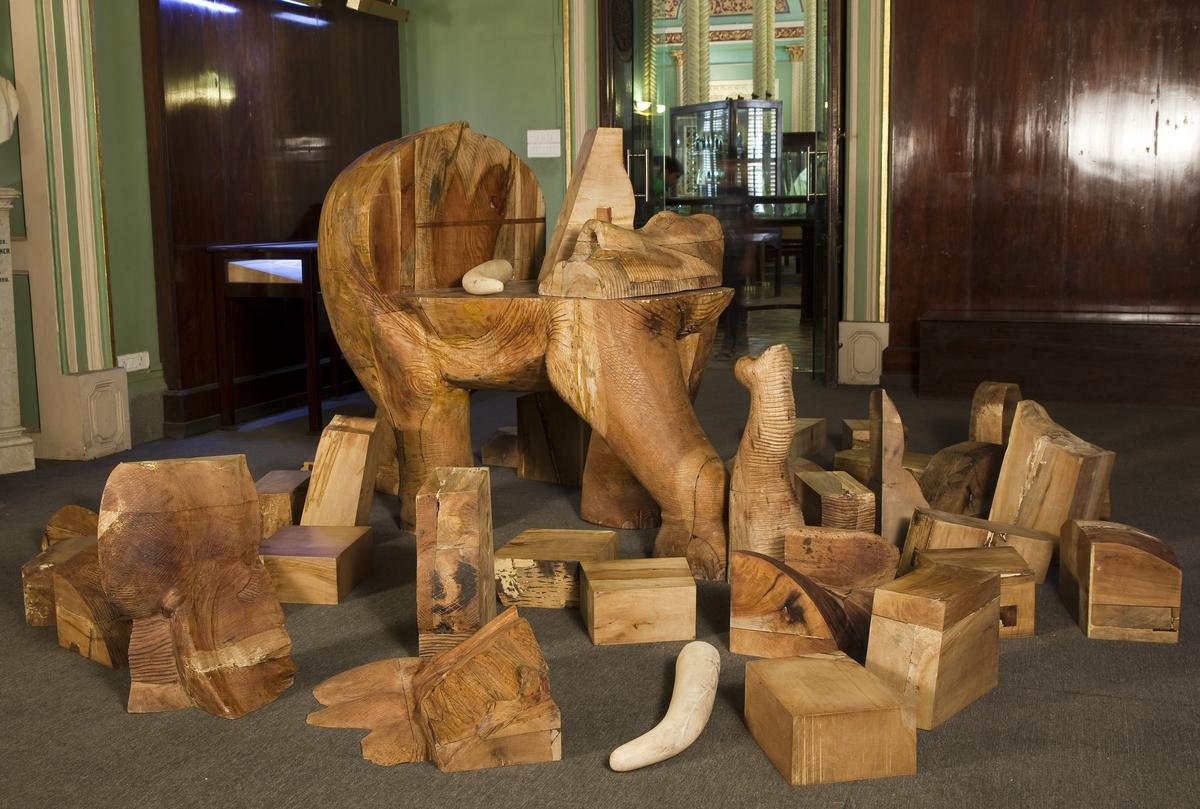
Subramanian believes that the Indian subcontinent is exceptionally rich in oral traditions, poems, and epics that serve as potent carriers of history and knowledge. He draws a parallel between the immersive experience of traditional South Indian temples and the potential of museums. "I find the older South Indian temples to be a museum," he explains, "where visitors engage all of their senses to immerse themselves into one particular story or several stories held together in that space. This, I believe, allows them enough room to bring their own reading and interpretation of the narrative, story, or historical event – as we collectively keep reading, re-reading, and retelling and rewriting the stories over and over." This cyclical and interpretive approach to storytelling is at the heart of his artistic practice and his vision for engaging audiences.
The Shifting Paradigm: From Artifacts to Experiences
The examples from Melbourne, Lisbon, Stuttgart, New York, Chennai, and Mumbai collectively illustrate a significant paradigm shift in the museum landscape. The emphasis is moving from the passive display of objects to the active creation of experiences. This evolution is driven by a desire to:
- Enhance Engagement: By incorporating multi-sensory elements, performance, and interactive technologies, museums can capture and hold audience attention in ways that traditional static displays often cannot.
- Deepen Understanding: Experiential storytelling allows for a more profound emotional and intellectual connection with the subject matter, fostering empathy and a richer comprehension of historical events and cultural nuances.
- Promote Inclusivity: The blurring of lines in who can tell a story and how it is told opens up opportunities for diverse voices and perspectives to be heard, challenging dominant narratives and promoting a more nuanced understanding of the past.
- Preserve Living Histories: Initiatives like oral history projects and the celebration of Indigenous traditions ensure that living histories and personal testimonies are preserved for future generations, offering invaluable insights that might otherwise be lost.
- Foster Dialogue and Interpretation: By presenting stories in dynamic and open-ended ways, museums encourage visitors to engage in critical thinking, personal interpretation, and ongoing dialogue, recognizing that history and narrative are not fixed but are continuously re-examined and re-told.
The Future of Storytelling in Museums
The trajectory of museum storytelling points towards an increasingly interactive, personalized, and immersive future. We can anticipate:
- Greater use of AI and VR/AR: These technologies will offer even more sophisticated ways to recreate historical environments, simulate events, and provide personalized narrative paths for visitors.
- Community-Driven Narratives: Museums will likely collaborate more closely with communities to co-create exhibitions, ensuring that stories are told authentically and reflect the lived experiences of those involved.
- Cross-Disciplinary Collaborations: The integration of art, theatre, technology, and scientific research will become more commonplace, leading to innovative and unexpected storytelling formats.
- Focus on Emotional Resonance: As technology advances, the emphasis will likely remain on creating experiences that evoke strong emotional responses, fostering deeper connections and lasting memories.
The reimagining of museums as dynamic storytelling hubs is not just a trend; it is a fundamental evolution in how we connect with our past, understand our present, and envision our future. By embracing innovation and prioritizing the power of narrative, museums are ensuring their continued relevance and their vital role in shaping a more informed and connected world.
