

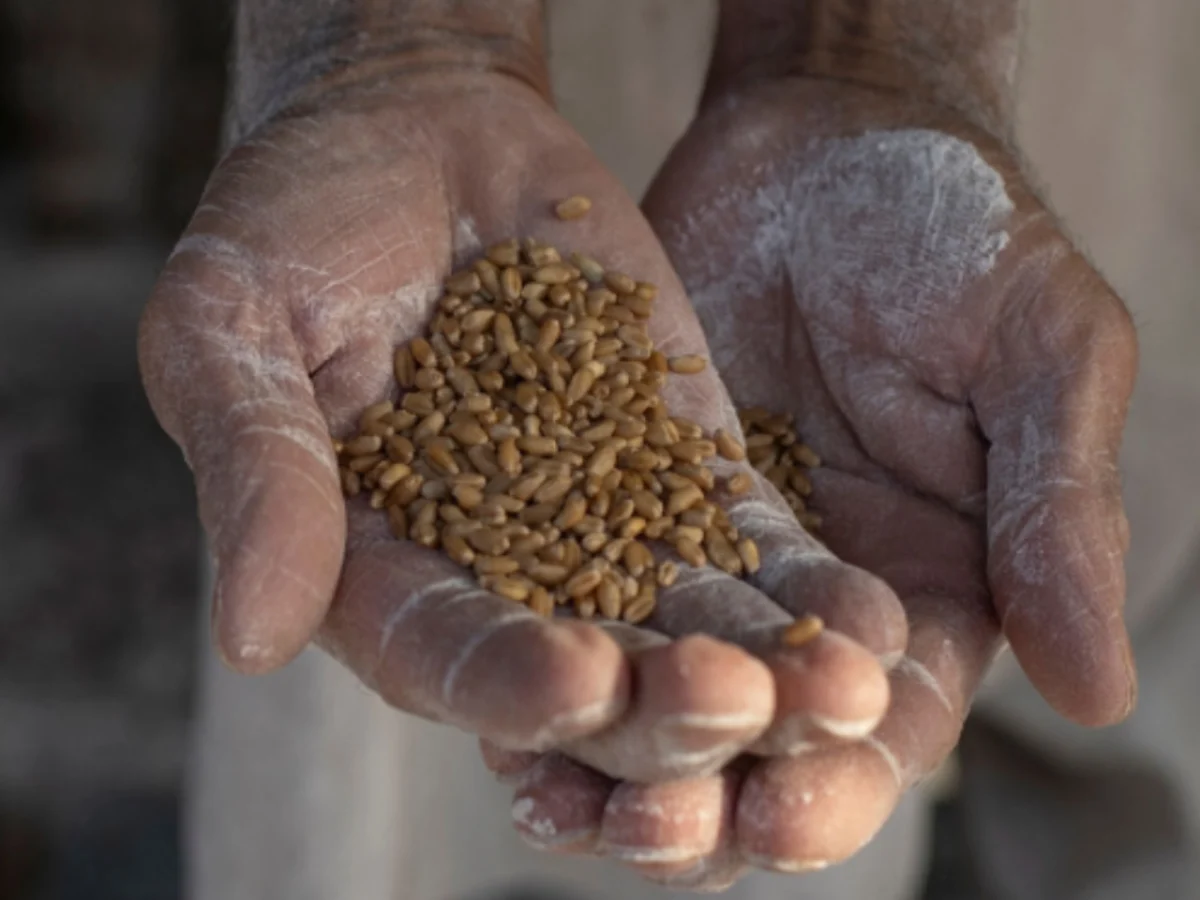
NEW DELHI, August 24, 2026 – In a significant policy reversal, the Indian government has announced the immediate lifting of its ban on the export of wheat and various wheat products. The move, communicated through notifications from the Directorate General of Foreign Trade (DGFT), shifts the export policy for several key categories from ‘Prohibited’ to ‘Free,’ opening India’s granaries once again to international markets. This decision marks a pivotal moment for both India’s agricultural sector and global food supply chains, coming after a two-year period of stringent export restrictions aimed at ensuring domestic food security.
Main Facts: A Landmark Policy Reversal
The Central government’s latest directive, issued on August 24, 2026, by the Directorate General of Foreign Trade (DGFT), permits overseas shipments of specified wheat products with immediate effect. This comprehensive policy amendment covers a wide array of wheat-derived products, including wheat or meslin flour (commonly known as atta), maida, semolina (rava/suji), wholemeal atta, and resultant atta. These products, previously classified under HS Code 11010000, have now transitioned from a ‘Prohibited’ export status to ‘Free.’
In parallel, the government has also revised the export policy for specific types of raw wheat. Durum Wheat, identified under HS Code 10011900, and other categories of Wheat under HS Code 10019910, have similarly been reclassified from ‘Prohibited’ to ‘Free.’ This broad reclassification underscores a confident stance from India’s policymakers regarding the nation’s domestic grain reserves and production capabilities.
The DGFT’s Notification No. 35/2026-27 explicitly states: "The export policy of Wheat under the above-mentioned HS Codes is revised from ‘Prohibited’ to ‘Free’ with immediate effect." This change is rooted in the legal framework of the Foreign Trade (Development & Regulation) Act, 1992, and is aligned with the prevailing Foreign Trade Policy, 2023. The transition to a ‘Free’ export status implies that, barring specific regulatory compliances, exporters are now unfettered in their ability to ship these products globally, without quantitative restrictions previously imposed. This move is expected to have significant ramifications for India’s agricultural economy, international trade relations, and global food markets.
Chronology: From Restriction to Liberalization
India’s journey with wheat export policy has been marked by a strategic balancing act between domestic food security and global market engagement. The latest decision to lift the ban is best understood within the context of recent historical developments.
The Imposition of the Ban: May 2022
The pivotal shift in India’s wheat export policy occurred in May 2022, when the government imposed a comprehensive ban on wheat exports. This drastic measure was necessitated by a confluence of critical factors that threatened India’s internal food security and price stability.
)
Globally, the outbreak of the Russia-Ukraine war in early 2022 severely disrupted international grain supplies. Both Russia and Ukraine are major global wheat exporters, and the conflict led to significant supply chain bottlenecks, soaring international wheat prices, and heightened concerns over global food inflation. Many nations, particularly developing ones, faced immediate threats to their food security.
Domestically, India was grappling with its own challenges. A severe and unseasonal heatwave during the crucial spring harvest season of 2022 significantly damaged wheat crops, leading to a reduction in overall yields. This unexpected dip in production, coupled with the global price surge, created immense pressure on domestic wheat prices. The government’s primary concern was to safeguard the food security of its massive 1.4 billion population, prevent price gouging, and ensure adequate availability of staple grains for its vast public distribution system.
Prior to the ban, India had enjoyed a period of robust wheat exports. In the fiscal year 2021-22, the nation’s wheat exports had reached an unprecedented 7 million tonnes, valued at approximately $2.05 billion. This made India a significant, albeit opportunistic, player in the global wheat market, stepping in to fill supply gaps. The imposition of the ban, therefore, represented a significant curtailment of India’s role as an alternative supplier, sending ripples across international commodity markets and contributing to further price volatility. The government’s rationale was clear: domestic needs superseded export ambitions during a period of uncertainty.

The Path to Reversal: 2024-2026
The decision to lift the ban in August 2026 is a direct consequence of a dramatically improved domestic agricultural scenario. Over the past two harvest seasons, India has witnessed a robust recovery in wheat production, far exceeding earlier estimates and setting new records.
The latest wheat harvest has been particularly bountiful, reaching an all-time high of 120.6 million tons. This impressive figure not only ensures ample domestic supply but also provides a comfortable buffer. Furthermore, the overall foodgrain production across the country has seen a healthy increase of 5.3 per cent, reinforcing the government’s confidence in its ability to meet the dietary needs of its population without relying on restrictive export policies.
The sustained high production levels have stabilized domestic prices, reduced inflationary pressures on food items, and replenished strategic reserves. These improved conditions have created a conducive environment for the government to reconsider its export stance. By lifting the ban, India aims to re-engage with global markets, provide relief to international buyers, and support its own agricultural sector through increased export opportunities and potentially better prices for farmers. This reversal signals India’s return to a more liberalized trade policy for wheat, contingent upon the continued strength of its domestic agricultural output.
)
Supporting Data: The Foundation of Policy Change
The decision to lift the wheat export ban is firmly underpinned by robust agricultural data and a stable domestic market outlook. India’s agricultural sector, particularly its wheat production, has demonstrated remarkable resilience and growth, providing the necessary confidence for this policy shift.
Record Production and Enhanced Foodgrain Output
The primary driver behind the policy change is India’s stellar performance in wheat production. The nation’s latest wheat harvest has achieved an unprecedented 120.6 million tonnes, a figure that not only ensures self-sufficiency but also creates a significant surplus available for export. This record yield is a testament to favorable weather conditions, improved farming practices, and the consistent efforts of Indian farmers.
Beyond wheat, the broader agricultural landscape also appears strong. Total foodgrain production across the country has registered a substantial increase of 5.3 per cent. This holistic growth in foodgrain output, which includes rice, pulses, and coarse cereals, further bolsters national food security, mitigating any concerns that increased wheat exports might strain domestic availability.
)
Looking ahead, projections for the upcoming agricultural cycle remain optimistic. The production of wheat is estimated to be 117.94 million tonnes in 2024-25. While slightly lower than the record 2026 harvest, this figure still represents a robust and healthy output, well above the country’s immediate consumption requirements and maintaining a comfortable buffer.
Stable Domestic Stock Levels and Price Environment
The improved production figures have directly translated into healthy domestic stock levels. India maintains strategic foodgrain reserves to manage price volatility, respond to emergencies, and ensure the smooth functioning of its Public Distribution System (PDS). With the current bumper harvest, these buffer stocks are comfortably above the prescribed norms, providing a strong cushion against any unforeseen supply disruptions.
Consequently, domestic wheat prices have remained stable, and in some regions, have even softened. This stability is a crucial factor, as the original ban was largely driven by concerns over rising internal prices. The current benign price environment suggests that the market can absorb increased exports without triggering inflationary pressures for Indian consumers, a key consideration for government policy.
)
Global Market Context and Export Potential
India’s re-entry into the global wheat market comes at a time when international prices have largely stabilized compared to the volatile period of 2022. While geopolitical risks and climate change impacts continue to pose challenges to global food security, the addition of a significant supplier like India could further contribute to market stability and potentially offer competitive pricing. Major global wheat producers like Russia, the United States, Canada, Australia, and the European Union typically dominate the market. India’s consistent output now allows it to become a more reliable, albeit intermittent, player.
Prior to the 2022 ban, India had established key export destinations, including Nepal, the United Arab Emirates (UAE), Bhutan, and Iraq. These countries, often reliant on regional suppliers, are likely to be among the first beneficiaries of India’s lifted ban. The ‘Free’ export policy could also enable India to explore new markets, particularly in Southeast Asia and Africa, where there is a consistent demand for affordable wheat.
Diversity of Indian Wheat Varieties
India cultivates a diverse range of wheat varieties, catering to different climatic conditions and end-use requirements. According to the Agricultural and Processed Food Products Export Development Authority (APEDA), prominent varieties include VL-832, VL-804, HS-365, HS-240, HD2687, WH-147, WH-542, PBW-343, WH-896(d), PDW-233(d), UP-2338, PBW-502, Shresth (HD 2687), Aditya (HD 2781), HW-2044, HW-1085, NP-200(di), and HW-741.
)
Among these, Durum wheat (classified under HS Code 10011900) holds particular significance. Known for its hardness and high protein content, Durum wheat is primarily used for producing pasta, semolina, and couscous. Its inclusion in the ‘Free’ export category opens up specialized market opportunities. The broad range of common wheat (under HS Code 10019910) allows for export of general-purpose milling wheat, suitable for bread and flour production.
Key Wheat-Growing States
India’s wheat production is concentrated in several key states, which collectively contribute the lion’s share of the national output. Uttar Pradesh, Madhya Pradesh, Punjab, Haryana, Rajasthan, Bihar, and Gujarat are the major wheat-growing regions. These states benefit from fertile plains, suitable climatic conditions, and well-developed irrigation systems, making them the backbone of India’s wheat economy. The consistent high yields from these states have been instrumental in building the domestic reserves necessary for the current policy liberalization.
Official Responses: Government’s Stance and Outlook
The decision to lift the wheat export ban reflects a carefully considered strategy by the Indian government, balancing economic opportunities with the paramount concern of national food security. Various government bodies and officials have articulated the rationale and future outlook for this policy shift.
)
Directorate General of Foreign Trade (DGFT)
The Directorate General of Foreign Trade (DGFT), under the Ministry of Commerce and Industry, is the executing agency for India’s foreign trade policy. Its notifications (specifically No. 35/2026-27 dated August 24) are the official instruments of this policy change. DGFT officials have emphasized that the move from ‘Prohibited’ to ‘Free’ signifies a return to normal trade operations, facilitated by robust domestic supply. They highlight that while exports are now free, exporters must still adhere to standard customs procedures, quality controls, and phytosanitary regulations applicable to international trade. The DGFT’s role will continue to be monitoring export trends and ensuring compliance with the Foreign Trade Policy, 2023.
Ministry of Food & Public Distribution
The Ministry of Food & Public Distribution plays a critical role in ensuring food security for India’s vast population. Sources within the ministry indicated that the decision was made after thorough assessments of buffer stock levels and projected domestic consumption. They affirmed that current wheat stocks are well above the strategic reserve norms, ensuring sufficient supply for the Public Distribution System (PDS) and other welfare schemes. The ministry’s confidence stems from the record harvest and stable domestic prices, which collectively alleviate any concerns about food availability for the common citizen. This ensures that the lifting of the ban will not compromise the nutritional needs of vulnerable populations.
Ministry of Agriculture & Farmers’ Welfare
The Ministry of Agriculture & Farmers’ Welfare has hailed the decision as a positive development for India’s farming community. Officials from the ministry noted that consistent bumper harvests have led to surplus production, and allowing exports will provide farmers with better price realization for their produce. This incentivizes higher production in subsequent seasons and contributes to farmers’ income, aligning with the government’s broader agenda of agricultural prosperity. They also highlighted the success of various government initiatives and technological advancements that have contributed to improved yields and overall agricultural resilience.
)
Economic and Trade Analysts’ Perspectives
Economists and trade analysts have largely welcomed the move, viewing it as a sign of India’s economic strength and a step towards deeper integration with global markets. Dr. Priya Sharma, an agricultural economist, commented, "This move signals the government’s confidence in its agricultural output and its ability to manage domestic food security effectively. It also underscores India’s potential to be a more consistent player in global food trade, especially for countries in its immediate neighborhood and beyond."
Analysts suggest that the ‘Free’ export status does not imply an unbridled outflow of wheat. The government maintains the prerogative to re-evaluate the policy if domestic conditions change drastically due to unforeseen circumstances like severe weather events or global commodity shocks. However, for the foreseeable future, the intent is to allow market forces to drive export volumes, with a vigilant eye on domestic price stability. The policy aims to strike a delicate balance: maximizing export earnings and farmer welfare while simultaneously ensuring affordable food for Indian consumers.
Implications: A Multifaceted Impact
The lifting of India’s wheat export ban carries profound implications across various sectors, from the domestic agricultural economy to global food security and international trade relations.
)
For Indian Farmers
The immediate and most significant beneficiaries of this policy shift are expected to be India’s millions of wheat farmers. The ability to export wheat freely will likely lead to better price realization for their produce, as they gain access to competitive international markets. This enhanced income potential serves as a strong incentive for farmers to invest more in their crops, adopt advanced farming techniques, and increase future production, contributing to a virtuous cycle of agricultural growth. It also diversifies their market access, reducing over-reliance on domestic procurement agencies and local markets.
For Indian Consumers
While increased exports could, in theory, lead to a slight upward pressure on domestic prices, the government has expressed confidence that the record-breaking harvest and robust buffer stocks will mitigate any significant impact on Indian consumers. The primary objective remains to ensure affordable food for the population. Officials will closely monitor domestic wheat and flour prices, and interventions could be considered if inflationary trends emerge. However, for now, the stability of current supplies suggests that the benefits of exports, such as foreign exchange earnings and a stronger agricultural sector, will outweigh potential minor price fluctuations.
For the Indian Economy
The lifting of the ban is a positive development for the broader Indian economy. Increased wheat exports will boost the country’s export earnings, contributing positively to its trade balance and foreign exchange reserves. This inflow of foreign currency can help stabilize the rupee and support other economic initiatives. Furthermore, a thriving agricultural export sector stimulates related industries such as logistics, processing, and packaging, creating employment opportunities and fostering overall economic growth. It also enhances India’s image as a reliable supplier in the global market, bolstering its position in international trade.
)
For Global Markets and Food Security
India’s re-entry into the global wheat market is a welcome development for countries grappling with food insecurity and high commodity prices. While India may not consistently be the largest exporter, its significant output can provide a crucial additional supply, helping to stabilize international wheat prices, especially for its traditional buyers in South Asia, the Middle East, and parts of Africa. This move signals India’s commitment to contributing to global food security when its domestic conditions allow, reinforcing its role as a responsible global actor. It adds a layer of resilience to the global food supply chain, which has been vulnerable to geopolitical tensions and climate-related disruptions in recent years.
Geopolitical and Trade Relations
The policy reversal also holds geopolitical significance. By liberalizing wheat exports, India strengthens its bilateral trade relations with importing nations, potentially paving the way for broader economic cooperation. It projects an image of a nation with a strong agricultural base, capable of contributing to regional and global food stability. This can enhance India’s soft power and diplomatic influence, especially with countries that faced food shortages during the period of the ban.
Future Outlook and Monitoring Mechanisms
The ‘Free’ export policy for wheat is not necessarily permanent. The Indian government is known for its pragmatic and adaptive trade policies, particularly concerning essential commodities. Future decisions will likely depend on a continuous assessment of several factors: the monsoon performance and its impact on subsequent harvests, the trajectory of domestic inflation, global commodity price trends, and the level of national food reserves.
)
The government is expected to maintain robust monitoring mechanisms, including real-time tracking of domestic wheat production, stock levels, and market prices. Should adverse conditions arise, such as a significant shortfall in production or a surge in domestic prices, policymakers retain the flexibility to re-impose restrictions. However, for the foreseeable future, the focus is on leveraging India’s agricultural abundance to support its farmers, strengthen its economy, and contribute positively to global food security. This balanced approach underscores India’s evolving role as a key player in the global agricultural landscape.
(With inputs from ANI)
