

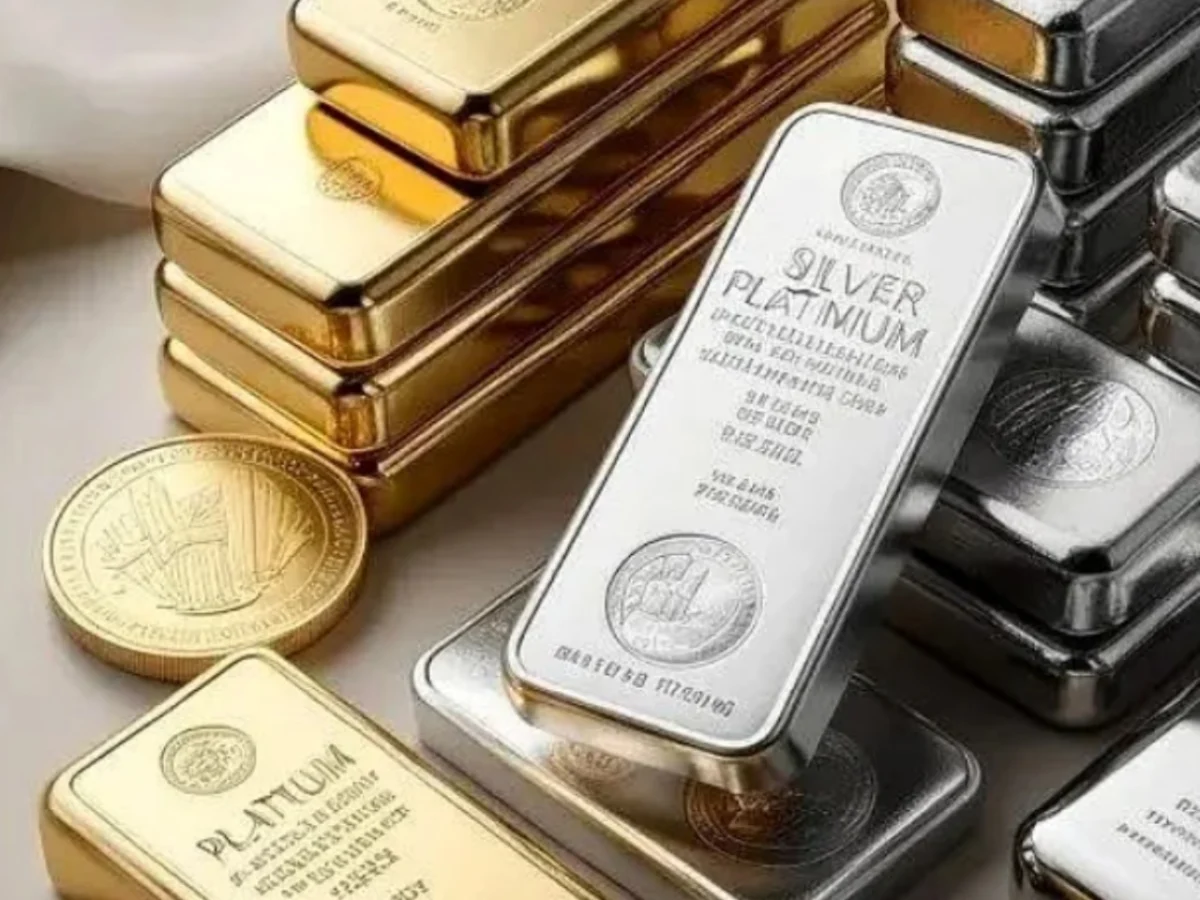
NEW DELHI, India – September 1, 2026 – India’s vibrant precious metals market continues to navigate a complex interplay of global economic forces, domestic demand dynamics, and fluctuating currency valuations. As the nation steps into the penultimate quarter of 2026, gold and silver prices on September 1 reflect a delicate balance, with gold experiencing a slight uptick driven by persistent global inflationary pressures and sustained demand, while silver holds steady, buoyed by both investment interest and robust industrial applications.
The financial landscape of September 2026 sees gold, often considered a safe-haven asset, reacting to international market sentiments, including central bank policies and geopolitical developments. Simultaneously, silver, a dual-purpose metal, finds its value influenced by both its store-of-value appeal and its critical role in burgeoning industrial sectors. This comprehensive report delves into the current pricing, underlying factors, recent trends, expert insights, and broader implications for consumers, investors, and the Indian economy.
Main Facts: A Snapshot of Today’s Bullion Market
As of September 1, 2026, the Indian bullion market presents a nuanced picture for both gold and silver. Gold prices have witnessed a marginal increase, primarily attributable to global inflationary concerns that continue to ripple through international markets, coupled with an inherent demand for the yellow metal as a hedge against economic uncertainties.
For 24K gold, considered the purest form (999 purity), the national average stands at Rs 15,676 per gram. Meanwhile, 22K gold, widely preferred for jewellery due to its durability (91.67% pure gold), is priced at Rs 14,369 per gram. Regional variations are observed, with Delhi registering slightly higher rates for both purities.
)
Silver, a crucial industrial commodity and an increasingly popular investment vehicle, is trading at approximately Rs 2,54,900 per kilogram for 999 purity. Sterling silver (925 purity) is valued at Rs 2,54,000 per kilogram. Similar to gold, minor regional price differences are noted, with Chennai experiencing a slightly elevated rate for 999 silver.
The stability of silver prices underscores its dual nature, benefiting from both investment flows seeking diversification and strong industrial uptake, particularly in sectors driving technological advancements. These current rates are a reflection of intricate global supply-demand dynamics, the prevailing USD-INR exchange rate, and India’s unique domestic market characteristics, including the anticipation of the upcoming festive season.

Chronology: Tracing the Path to September 2026
The journey of gold and silver prices leading up to September 1, 2026, has been marked by a series of global economic shifts and domestic market responses. The first half of 2026 saw precious metals largely influenced by central bank actions and inflation narratives.
Early 2026: The year began with persistent concerns over global inflation, a carryover from late 2025. Major central banks, including the US Federal Reserve and the European Central Bank, continued their data-dependent approach to monetary policy, with hints of further interest rate adjustments to bring inflation within target ranges. This environment initially provided strong support for gold, as investors sought refuge in its traditional role as an inflation hedge. Gold prices saw a steady ascent, breaking several psychological barriers.
)
Mid-2026 (Q2): As economic data from various major economies showed mixed signals – some indicating cooling inflation, others suggesting resilient growth – the market sentiment became more volatile. There was a period where strong economic performance in the US and a slight appreciation of the US Dollar put some downward pressure on gold, as higher interest rates typically make non-yielding assets like gold less attractive. However, geopolitical tensions in various parts of the world continued to provide underlying support, preventing any significant price collapse. Silver, during this period, showed resilience, benefiting from a rebound in global manufacturing and increased demand from the burgeoning green energy sector (solar panels, electric vehicles).
Late Q2 to Early Q3 2026: Leading up to September, the narrative shifted slightly. While inflation remained a concern, discussions around potential ‘soft landings’ for major economies gained traction. This led to a consolidation phase for gold, with prices stabilizing after their earlier gains. The slight increase observed on September 1, 2026, suggests a renewed, albeit modest, return of inflationary concerns or perhaps a pre-festive season accumulation by traders and consumers. The Indian Rupee’s exchange rate against the US Dollar also played a crucial role; any weakening of the Rupee would make imported gold and silver more expensive in local currency terms, pushing up domestic prices. Conversely, a strengthening Rupee could cushion international price hikes.
)
The domestic market also began to anticipate the approaching festive and wedding season, traditionally a period of heightened demand for gold jewellery and investments in India. This forward-looking demand, coupled with global cues, has shaped the current market landscape. Silver’s performance has been more consistent, driven by its dual utility and less dramatic volatility compared to gold. Its industrial applications provided a floor, while investment demand offered upside potential, creating a relatively stable trajectory over the past few months.
Supporting Data: Detailed Prices and Influencing Factors
Understanding the granular details of today’s prices and the multifaceted factors at play is crucial for any market participant.
)
Detailed Gold Prices on September 1, 2026
The purity of gold is a critical determinant of its price, with 24K representing the highest standard and 22K being the benchmark for jewellery.
-
India Average Rates:
)
- 24K Gold (999 Purity): Rs 15,676 per gram
- 22K Gold (91.67% Purity): Rs 14,369 per gram
-
City-wise Gold Rates (per gram):
- Delhi:
- 24K Gold: Rs 15,691
- 22K Gold: Rs 14,384
- Analysis: Delhi, a major trading hub and capital, often experiences slightly distinct pricing due to higher local demand, specific tax structures, and logistical considerations that can influence the final retail price.
- Mumbai:
- 24K Gold: Rs 15,676
- 22K Gold: Rs 14,369
- Analysis: Mumbai, the financial capital and a significant port for gold imports, often reflects the national average closely, acting as a benchmark for the broader Indian market.
- Kolkata:
- 24K Gold: Rs 15,676
- 22K Gold: Rs 14,369
- Analysis: Kolkata, a historical centre for gold trade and jewellery craftsmanship, typically aligns with national trends, with local demand patterns playing a role.
- Chennai:
- 24K Gold: Rs 15,676
- 22K Gold: Rs 14,369
- Analysis: Chennai, representing South India’s substantial gold market, often sees prices mirroring the national average, though local festive and wedding demand can introduce minor fluctuations.
- Delhi:
The data, primarily sourced from market aggregators like Good Returns, highlights the consistency across major cities, with minor deviations reflecting local supply-demand dynamics and operational costs.
)
Detailed Silver Prices on September 1, 2026
Silver, while generally less expensive than gold, holds significant economic importance due to its diverse applications.
-
India Average Rates:
)
- 999 Pure Silver: Rs 2,54,900 per kilogram (or Rs 2,549 per 10 grams)
- 925 Sterling Silver: Rs 2,54,000 per kilogram
- Note: The difference between 999 and 925 purity is significant, with 999 being investment-grade and 925 (sterling) commonly used for jewellery and silverware.
-
City-wise Silver Rates (per 10 grams):
- Delhi: Rs 2,549
- Mumbai: Rs 2,549
- Kolkata: Rs 2,549
- Chennai: Rs 2,599
- Analysis: Chennai’s slightly higher silver price often reflects a robust local demand for silver ornaments and articles, particularly in South Indian traditions, combined with regional logistical costs.
Key Factors Influencing Precious Metal Prices
The movements in gold and silver prices are never isolated; they are products of a complex global and local economic ecosystem.
)
-
Global Market Trends:
- Central Bank Policies: Decisions by the US Federal Reserve, European Central Bank, and other major central banks on interest rates and quantitative easing/tightening profoundly impact the attractiveness of non-yielding assets like gold. Higher rates generally dampen gold demand, while lower rates or expectations of rate cuts tend to boost it.
- Geopolitical Tensions: Conflicts, trade wars, and political instability around the globe invariably drive investors towards safe-haven assets, with gold being a primary beneficiary. The perceived risk in the global economy directly correlates with gold’s appeal.
- Global Economic Growth: Strong global growth can boost industrial demand for silver. Conversely, economic slowdowns can lead to reduced industrial consumption but might increase safe-haven demand for gold.
- Commodity Market Dynamics: Energy prices (oil, natural gas) and other industrial metals can influence inflation expectations and, by extension, precious metal prices.
-
Local Demand:
)
- Festive and Wedding Season: India’s cultural affinity for gold and silver, especially during festivals like Diwali, Dhanteras, and the extensive wedding season, creates significant spikes in demand. This structural demand provides a strong floor for prices.
- Investment Appetite: A growing segment of the Indian population views gold and silver as essential investment tools, either as physical bullion, digital gold, or exchange-traded funds (ETFs), particularly for wealth preservation and diversification.
- Rural Demand: A good monsoon and agricultural prosperity often translate into increased rural demand for gold and silver, which serve as both investment and cultural symbols.
-
Currency Rates:
- USD-INR Exchange Rate: Since international gold and silver are primarily denominated in US Dollars, the strength or weakness of the Indian Rupee against the Dollar is a critical factor. A weaker Rupee makes imports more expensive, thereby increasing local prices, even if international dollar prices remain stable. Conversely, a stronger Rupee can cushion the impact of rising global prices. India is a net importer of precious metals, making this exchange rate highly influential.
-
Inflationary Pressures:
)
- Gold as an Inflation Hedge: When inflation is high or anticipated to rise, investors often turn to gold to preserve their purchasing power, as its value tends to hold up better than fiat currencies during periods of rising prices. The "slight increase" in gold today is explicitly linked to global inflationary pressures, underscoring this fundamental relationship.
-
Industrial Demand (Primarily for Silver):
- Silver’s unique properties make it indispensable in numerous industries. Growth in sectors like solar energy (photovoltaics), electric vehicles (EVs), 5G technology, electronics, medical imaging, and photography significantly impacts silver demand and, consequently, its price. Robust industrial output globally often translates to higher silver prices.
Official Responses: Expert Perspectives on the Bullion Market
In light of the current market dynamics, financial analysts and industry experts offer valuable insights into the trajectory of gold and silver. While no direct official statements were made regarding today’s specific prices, the prevailing sentiment from market watchers provides context.
)
"The slight increase in gold prices today is a clear indicator that global inflationary concerns are far from abated," remarks Dr. Ananya Sharma, Chief Economist at Axis Bank. "Despite central banks’ aggressive measures over the past year, underlying cost pressures, supply chain adjustments, and geopolitical risks continue to fuel the demand for gold as a hedge. For India, this trend is further amplified by the approaching festive season, which invariably brings a surge in consumer and investment buying."
Mr. Rohan Mehta, a Senior Bullion Market Analyst at SMC Global Securities, adds, "We’ve seen gold consolidate after a strong run earlier this year. The current levels suggest a healthy underlying demand. What’s interesting is how closely gold is tracking global bond yields and the dollar index. Any hint of a dovish pivot from the US Fed or increased geopolitical instability will likely push gold towards higher resistance levels. Investors should view these prices as a relatively stable entry point for long-term portfolio diversification."
)
Regarding silver, Ms. Priya Singh, spokesperson for the Indian Bullion and Jewellers Association (IBJA), notes, "Silver’s stability is a testament to its dual utility. While it benefits from investment flows similar to gold, its industrial applications provide a robust demand base that insulates it from some of gold’s volatility. The growth in solar energy projects and electronics manufacturing in India and globally is a significant tailwind for silver. We anticipate sustained demand for both physical silver and silver jewellery, especially in regions where silver holds deep cultural significance, as reflected in Chennai’s slightly higher rates."
The Reserve Bank of India (RBI) continues to monitor inflation and currency stability closely. While not commenting directly on daily bullion prices, the RBI’s stance on managing inflation and maintaining the Rupee’s stability indirectly impacts the cost of imported gold and silver, thus influencing domestic pricing. Market participants generally interpret RBI’s actions as aimed at creating a stable macroeconomic environment, which in turn affects investment flows into various asset classes, including precious metals.
)
Experts also highlight the government’s role through import duties and Goods and Services Tax (GST). "Any changes in import duties on gold or silver could significantly alter the domestic price landscape overnight," cautions Mr. Alok Gupta, an independent commodity market strategist. "The government aims to balance revenue generation with curbing unofficial trade, and these policy levers are constantly under review, adding another layer of complexity to price forecasting."
Implications: What These Prices Mean
The current pricing and market dynamics for gold and silver on September 1, 2026, carry significant implications for various stakeholders within the Indian economy.
)
For Consumers
- Purchasing Power: For individuals planning to purchase gold or silver for weddings, festivals, or personal consumption, the current prices suggest a slightly elevated but stable environment for gold, and a consistent trend for silver. Consumers should factor in the marginal increase in gold prices, particularly for 24K and 22K varieties.
- Purity and Hallmarking: It is crucial for consumers to insist on hallmarked jewellery for both gold and silver to ensure purity and fair pricing. The distinction between 24K and 22K gold, and 999 and 925 silver, directly impacts the value and should be clearly understood at the point of purchase.
- Budgeting for Festive Season: With the festive season approaching, consumers should budget accordingly, anticipating continued strong demand. While today’s rise is slight, the underlying factors (global inflation, local demand) suggest prices may hold firm or see further gradual increases.
- Regional Variations: Awareness of city-specific rates (e.g., Delhi’s slightly higher gold, Chennai’s higher silver) can help consumers make informed decisions, especially for large purchases.
For Investors
- Diversification Strategy: Gold and silver continue to serve as essential components for portfolio diversification, particularly in an environment marked by persistent inflationary concerns and geopolitical uncertainties. They offer a hedge against equity market volatility and currency depreciation.
- Long-Term vs. Short-Term Outlook: For long-term investors, the current gold prices, influenced by global factors, may represent a strategic entry point, especially if inflation persists. Silver, with its strong industrial demand story, offers both long-term growth potential and diversification benefits. Short-term investors, however, must remain vigilant to market volatility driven by economic data releases and central bank pronouncements.
- Investment Avenues: Investors have various options: physical gold and silver (bullion, coins), digital gold platforms, Gold Exchange Traded Funds (ETFs), and sovereign gold bonds (SGBs). Each avenue offers different liquidity, storage, and tax implications, requiring careful consideration.
- Risk Factors: While precious metals offer stability, they are not without risks. Factors like a stronger US Dollar, rising real interest rates, and sustained global economic growth (reducing safe-haven demand) could exert downward pressure.
For the Indian Economy
- Current Account Deficit (CAD): India is a significant importer of gold. Rising international prices and increased domestic demand, especially during the festive season, can lead to higher import bills for precious metals. This can exert pressure on the country’s current account deficit and foreign exchange reserves.
- Inflation Management: The movement of gold prices can also reflect underlying inflationary pressures within the Indian economy. While not a direct component of CPI, its value as an inflation hedge can signal broader economic sentiments regarding price stability.
- Household Savings: Gold and silver remain deeply embedded in India’s household savings patterns, particularly in rural areas. Price fluctuations directly impact household wealth and financial planning across millions of families.
- Jewellery Sector: The health of the bullion market directly impacts India’s vast jewellery manufacturing and retail sector, which employs millions. Stable or gradually rising prices can be beneficial for the industry, boosting sales and profitability.
Future Outlook
Looking ahead, the trajectory of gold and silver prices will likely be dictated by a few key themes. The global fight against inflation, and the pace at which central banks unwind their tightening cycles, will be paramount. Any signs of global economic slowdown could rekindle stronger safe-haven demand for gold. Conversely, robust economic growth might dampen gold’s appeal but would significantly boost silver’s industrial demand.
Geopolitical developments, particularly in sensitive regions, will continue to inject volatility and drive episodic safe-haven buying. Domestically, the strength of the Indian Rupee against the US Dollar and the intensity of the upcoming festive season demand will be critical factors. Government policies related to import duties and taxation will also play a role in shaping the local market.
)
In essence, September 1, 2026, marks a point where precious metals, particularly gold, are holding firm, reflecting a cautious global economic outlook and enduring domestic affinity. Silver, with its unique blend of investment and industrial utility, continues its steady ascent, cementing its position as a metal of significant economic importance in the years to come. Market participants are advised to stay abreast of both global macroeconomic indicators and local demand trends to make informed decisions in this dynamic sector.
