

PERSONAL FINANCE | September 2, 2026
NEW DELHI, INDIA – India’s venerable gold and silver markets continue their intricate dance with global economic forces, local purchasing power, and the ever-shifting sands of currency exchange rates. As of September 2, 2026, precious metal prices across the nation reflect a complex interplay of international commodity benchmarks, inflationary pressures, and a traditionally strong domestic affinity for these tangible assets. Today’s figures reveal a slight upward trajectory for gold, propelled by safe-haven demand, while silver maintains a robust position, buoyed by industrial applications and investment interest.
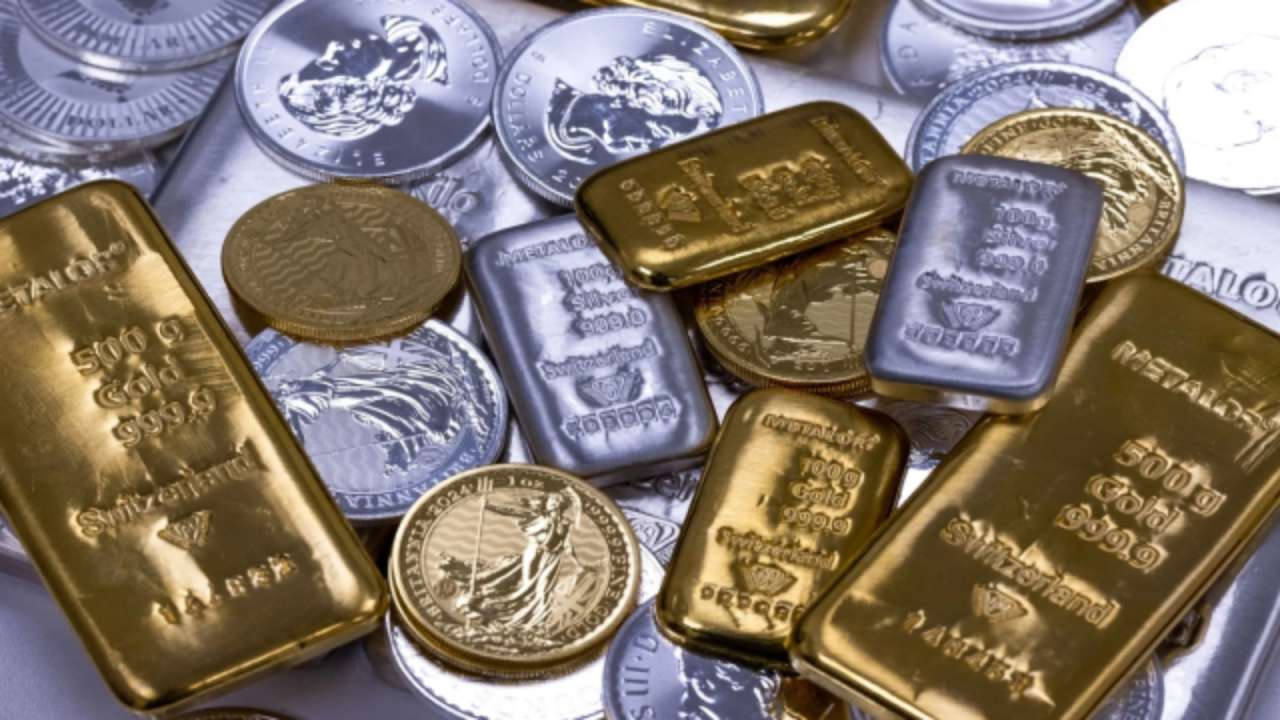
The latest snapshot shows 24K gold hovering around ₹15,676 per gram, with its 22K counterpart, popular for intricate jewellery, priced at ₹14,369 per gram. Silver, the industrial workhorse and a growing investment vehicle, is valued at approximately ₹2,54,900 per kilogram for 999 purity. These figures underscore a market that is both resilient and reactive, constantly recalibrating in response to macroeconomic indicators and cultural impulses.
A Detailed Look at Today’s Precious Metal Prices
Gold Prices on September 2, 2026:
)
The morning trade on September 2, 2026, saw gold prices firming up across major Indian cities. The slight increase is largely attributable to a confluence of global demand fueled by persistent inflationary concerns in key economies and a tempered but steady demand within India.
- 24K Gold (999 Pure Gold): The national average for 24-carat gold stands at ₹15,676 per gram. This purity is often preferred by investors seeking to hedge against inflation or diversify their portfolios.
- 22K Gold (91.67% Pure Gold): Widely used in jewellery manufacturing, 22-carat gold is priced at ₹14,369 per gram. The marginally lower price reflects its alloyed nature, offering greater durability for intricate designs.
City-wise Gold Rates (per gram):

| City | 24K Gold (₹) | 22K Gold (₹) |
|---|---|---|
| Delhi | 15,691 | 14,384 |
| Mumbai | 15,676 | 14,369 |
| Kolkata | 15,676 | 14,369 |
| Chennai | 15,676 | 14,369 |
Source: Good Returns
The minor variations observed across cities, particularly Delhi’s slightly higher rates, can often be attributed to local taxes, transportation costs, and specific regional demand-supply dynamics.
)
Silver Prices on September 2, 2026:
Silver, often referred to as "poor man’s gold" but increasingly recognized for its industrial utility, also recorded significant values today.
)
- Silver 999 (Pure Silver): The national average price for pure silver is approximately ₹2,54,900 per kilogram, translating to ₹2,549 per 10 grams.
- Silver 925 (Sterling Silver): This popular alloy, commonly used in jewellery and silverware, is priced at ₹2,54,000 per kilogram.
City-wise Silver Rates (per 10 grams):
| City | Silver 999 (₹) |
|---|---|
| Delhi | 2,549 |
| Mumbai | 2,549 |
| Kolkata | 2,549 |
| Chennai | 2,599 |
The slightly elevated silver price in Chennai mirrors a historical trend of strong demand for silver ornaments and articles in Southern India, often leading to a premium.
)
Chronology of Influence: A Look Back at Recent Market Dynamics
The current price points for gold and silver are not isolated figures but rather a culmination of events and trends that have unfolded over the preceding months. The journey to September 2, 2026, has been marked by a series of global and domestic developments that have consistently reshaped investor sentiment and consumer behaviour.
Early 2026: Inflationary Headwinds and Central Bank Tightening
The year began with lingering concerns over global inflation, a carry-over from supply chain disruptions and expansionary fiscal policies of previous years. Major central banks, including the US Federal Reserve and the European Central Bank, had signalled or initiated further interest rate hikes to tame rising prices. Historically, higher interest rates tend to make non-yielding assets like gold less attractive. However, the persistence of inflation, coupled with fears of an economic slowdown (stagflation), provided underlying support for gold as a hedge against currency devaluation. Silver, with its dual role, faced pressure from potential industrial demand slowdowns but found support from its investment appeal.
)
Mid-2026: Geopolitical Tensions and Safe-Haven Surge
The middle of 2026 witnessed a resurgence of geopolitical tensions in Eastern Europe and parts of Asia, creating a climate of uncertainty in international markets. This period saw a noticeable uptick in safe-haven buying, with investors flocking to gold. The Indian market, though somewhat insulated by its unique domestic demand, mirrored these global trends, seeing gold prices edge higher. Silver also benefited from this sentiment, albeit to a lesser extent, as investors sought tangible assets amidst volatile equity and bond markets. The weakening of the Indian Rupee against the US Dollar during this period further pushed up the landed cost of imported gold and silver, directly impacting domestic prices.
Late Summer 2026: Anticipation of Festive Demand and Monsoon Impact
As India transitioned into late summer, the focus shifted towards the impending festive and wedding season. This seasonal demand is a perennial driver for gold and, to a lesser extent, silver. Reports of a robust monsoon across most agricultural regions also painted a positive picture for rural incomes, traditionally a significant source of gold demand. This domestic anticipation counterbalanced some of the global market fluctuations, providing a floor for prices. Jewelers began stocking up, preparing for the rush, which naturally put upward pressure on wholesale rates that trickled down to retail.
)
Supporting Data: Unpacking the Influential Factors
The pricing of gold and silver in India is a multi-faceted equation, influenced by a dynamic interplay of international and domestic factors.
1. Global Market Trends and International Benchmarks:
Precious metals are global commodities. Their prices are primarily set on international exchanges like the COMEX (New York) and through institutions like the London Bullion Market Association (LBMA). Factors influencing these global prices include:
)
- US Dollar Strength: Gold is typically priced in US dollars. A stronger dollar makes gold more expensive for holders of other currencies, potentially dampening demand, and vice-versa. The recent strengthening of the dollar due to Fed tightening has played a complex role, making gold cheaper for dollar holders but pricier for INR buyers.
- Interest Rates: Higher real interest rates increase the opportunity cost of holding non-yielding assets like gold, often leading to price corrections. However, if inflation outpaces interest rate hikes, gold’s appeal as an inflation hedge remains strong.
- Geopolitical Stability: Periods of global political and economic uncertainty often trigger safe-haven buying, pushing gold prices higher.
- Industrial Demand (for Silver): Silver’s dual role as a precious metal and an industrial commodity means its price is significantly impacted by manufacturing output, particularly in electronics, solar energy, and automotive sectors. Robust global industrial activity directly translates to higher silver demand and prices.
2. Local Demand Dynamics:
India’s unique cultural relationship with gold, in particular, exerts significant influence.
- Cultural and Traditional Significance: Gold is deeply embedded in Indian culture, playing a pivotal role in weddings, festivals (Diwali, Akshaya Tritiya, Dhanteras), and religious ceremonies. This intrinsic demand creates a consistent baseline for prices, often leading to surges during peak seasons.
- Investment Avenue: Beyond its cultural value, gold is a traditional investment for many Indians, especially in rural areas where access to formal financial instruments might be limited. It’s seen as a store of value and a hedge against economic instability.
- Rural Demand: A good monsoon season, leading to higher agricultural incomes, often translates into increased gold purchases from rural households, who contribute significantly to the overall demand.
3. Changing Currency Rates (USD/INR):
Given that India imports almost all its gold and a significant portion of its silver, the exchange rate between the Indian Rupee (INR) and the US Dollar (USD) is a critical determinant of domestic prices.
)
- When the Rupee weakens against the Dollar, the cost of importing gold and silver rises, which is then passed on to the Indian consumer. Conversely, a stronger Rupee can make imports cheaper, potentially leading to lower domestic prices. The recent volatility in the global currency markets has kept this factor prominently in play.
4. Inflationary Pressures:
The current inflationary environment globally and domestically continues to be a primary driver for precious metals. When the purchasing power of fiat currencies erodes due to inflation, investors often turn to gold as a reliable store of value. The persistent nature of inflation, despite central bank efforts, has fortified gold’s position as an inflation hedge.
Official Responses and Expert Commentary
The dynamic nature of precious metal markets elicits careful monitoring and diverse perspectives from industry leaders, economists, and government bodies.
)
Mr. Rajesh Sharma, Chief Economist at Zenith Financial Services, commented on the broader economic landscape: "The current trajectory of gold prices reflects a global investor community still grappling with persistent inflation and geopolitical uncertainties. While central banks are committed to bringing inflation down, the path is proving arduous. In such an environment, gold naturally shines as a safe haven, offering a tangible store of value when confidence in traditional assets wavers. Silver, too, benefits from this sentiment, with its industrial demand providing an additional layer of support amidst the ongoing global energy transition and tech advancements."
Ms. Priyanka Singh, President of the All India Jewellers and Bullion Association (AIJBA), offered insights into the domestic market: "We are observing robust consumer sentiment as we approach the festive season. Despite the slight uptick in prices, the inherent cultural value of gold in India means demand remains resilient. Customers are increasingly discerning, looking for both investment value and aesthetic appeal. The city-wise variations are minimal and primarily reflect logistical costs and localized taxes. We anticipate a strong Diwali and wedding season, which will continue to underpin domestic prices."
)
Regarding government policy, a senior official from the Ministry of Finance, speaking anonymously due to protocol, indicated: "The government continues to monitor gold imports and their impact on the current account deficit. While we recognize the cultural significance of gold, our focus remains on ensuring macroeconomic stability. Initiatives like the Sovereign Gold Bond (SGB) scheme have been successful in channelling some physical gold demand into financial instruments, thereby reducing import dependence and offering investors a secure, interest-bearing alternative." This suggests a strategic governmental approach to managing gold’s economic implications without directly interfering with market forces.
Implications and Future Outlook
The current pricing trends for gold and silver carry significant implications for various stakeholders, from individual investors and consumers to the broader economy.
)
For Investors:
Gold and silver continue to serve as crucial portfolio diversifiers. In a climate of high inflation and market volatility, they offer a traditional hedge against economic uncertainty.
- Long-term Value: Experts generally recommend precious metals for long-term portfolio diversification rather than short-term speculation. Their ability to retain value during periods of economic downturn makes them attractive.
- Investment Avenues: Investors have various options, including physical gold and silver (bullion, coins), Gold Exchange Traded Funds (ETFs), and Sovereign Gold Bonds (SGBs). SGBs, in particular, offer an attractive proposition with an assured interest rate and tax benefits, making them a preferred choice for many Indian investors looking to avoid the costs and risks associated with physical storage.
For Consumers:
The upward trend in prices means consumers planning purchases for weddings or festivals need to factor in potentially higher costs.
)
- Strategic Purchases: Consumers often time their purchases, buying during periods of relative price stability or dips. However, the consistent demand during festive seasons often overrides short-term price fluctuations.
- Purity Awareness: Understanding the difference between 24K and 22K gold, and the implications for price and durability, is crucial for making informed decisions, especially for jewellery.
For the Jewellery Sector:
The jewellery industry faces a dual challenge: managing procurement costs amidst rising global prices and catering to evolving consumer preferences.
- Inventory Management: Jewelers must skillfully manage their inventory, balancing supply with anticipated demand to mitigate price risk.
- Design Innovation: To attract customers, especially younger demographics, jewelers are increasingly focusing on contemporary designs in lighter weights and exploring options in silver and platinum.
- Transparency: Maintaining transparency in pricing (making charges, stone charges, wastage) remains critical for consumer trust.
Broader Economic Impact:
India’s substantial reliance on gold imports significantly impacts its trade balance and current account deficit.
)
- Trade Balance: High gold imports can widen the trade deficit, putting pressure on the Rupee.
- Inflationary Pressure: While gold acts as an inflation hedge, its rising cost (due to imports and a weaker Rupee) can also contribute to domestic inflationary pressures, especially through its impact on consumer spending power.
- Monetary Policy: The Reserve Bank of India (RBI) closely monitors precious metal flows, as they can impact currency stability and overall economic liquidity.
Future Outlook:
The immediate future for gold and silver prices appears to be shaped by continued global economic uncertainty, central bank policies, and India’s seasonal demand.
- Global Headwinds: If global inflation remains sticky and central banks continue their hawkish stance, gold’s appeal as a hedge will likely persist. Any escalation in geopolitical tensions would further bolster its safe-haven status.
- Industrial Momentum: Silver’s trajectory will also depend heavily on the health of the global industrial sector, particularly advancements in green technologies and electronics.
- Domestic Resilience: India’s inherent demand for precious metals, especially during the upcoming festive period, will continue to provide a strong domestic floor for prices, making sharp declines unlikely unless there’s a significant global economic shock.
In conclusion, the Indian precious metals market, as of September 2, 2026, presents a picture of robust demand navigating complex global economic currents. While investors seek stability and growth, consumers continue to embrace gold and silver for their intrinsic value and cultural significance. Staying informed about both international developments and domestic market nuances will be key for all stakeholders in this dynamic sector.
)
Find your daily dose of All Latest News including Sports News, Entertainment News, Lifestyle News, explainers & more. Stay updated, Stay informed – Follow DNA on WhatsApp.
