

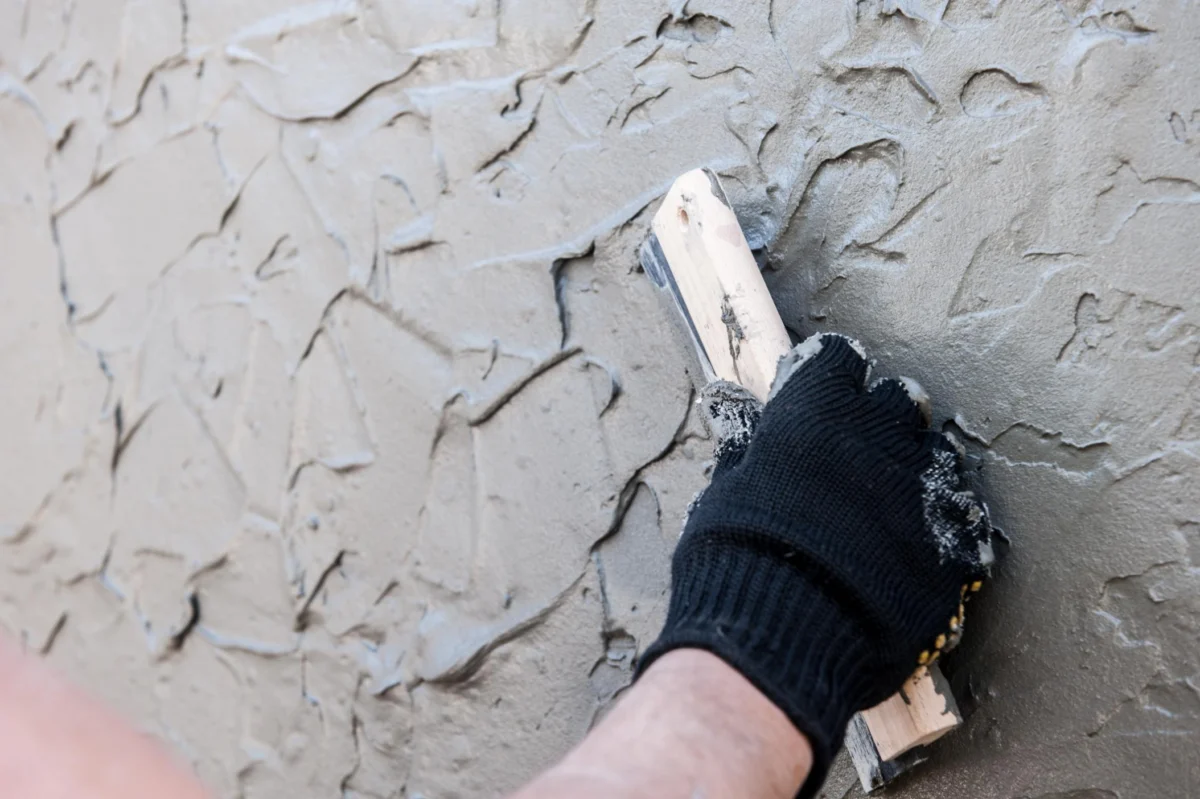
In the contemporary landscape of Indian luxury home interiors, the white-box aesthetic is rapidly yielding to the allure of tactility. As homeowners move away from flat, clinical emulsions, the conversation inevitably pivots toward finishes that offer depth, character, and a sense of permanence. Two contenders dominate this high-end market: Venetian plaster and textured paint.
While they may appear indistinguishable in high-definition social media reels, the reality of these finishes—their composition, their application, and their long-term behavior—reveals a profound divergence. Choosing between them is no longer merely a matter of visual preference; it is a strategic decision involving architectural integrity, environmental health, and significant capital investment.
Main Facts: Defining the Architectural Standards
To the uninitiated, "texture" is a catch-all term. However, in professional interior design, the distinction between a mineral-based plaster and a synthetic-based paint is fundamental.
The Alchemy of Venetian Plaster
Venetian plaster is a misnomer in the world of coatings; it is not paint at all, but rather "liquid stone." Authentic Venetian plaster is a traditional craft-based finish composed of slaked lime (calcium hydroxide) and pulverized marble dust. When applied, it undergoes a chemical reaction with carbon dioxide in the air—a process known as carbonation—effectively turning the plaster back into limestone on the wall.
The result is a finish that is integral to the structure. It is applied in multiple paper-thin layers, each hand-troweled and then "burnished" or buffed to create a luminous, marble-like sheen. Its hallmark is its depth; light does not simply bounce off the surface but penetrates the translucent layers, creating a glow that appears to emanate from within the wall itself.
The Engineering of Textured Paint
Textured paint is a modern, versatile alternative designed to provide visual interest through physical relief. It is essentially a high-viscosity acrylic emulsion infused with various aggregates, such as sand, quartz, or synthetic granules. Unlike the smooth, polished depth of plaster, textured paint relies on "sculptural quality"—using the physical peaks and valleys of the material to catch light and shadow. It is a surface-level application that mimics the look of stone, fabric, or raw concrete without the structural weight or labor intensity of masonry.
Chronology: From the Palazzos of Venice to Modern High-Rises
The evolution of these finishes reflects the broader history of human shelter and the democratization of luxury.
The Ancient Origins (1st Century BC – 15th Century AD):
The roots of Venetian plaster, or Marmorino, date back to Roman times. However, it was perfected in the 15th century in Venice. Architects faced a unique challenge: the city was built on water, and heavy stone cladding would cause buildings to sink. Venetian plaster provided the aesthetic of solid marble without the weight. Furthermore, its breathable nature allowed moisture to escape, preventing the damp from rotting the masonry.
The Industrial Shift (1950s – 1980s):
With the post-war construction boom, the demand for speed and cost-effectiveness led to the development of synthetic paints. Chemical companies began mixing sand and acrylic resins to create "popcorn ceilings" and "stucco-look" walls. This was the birth of modern textured paint—a way to hide imperfections in mass-produced drywall while adding a decorative element.
The Renaissance of Craft (2010 – Present):
In the last decade, particularly in India’s luxury real estate sector, there has been a massive resurgence of interest in authentic materials. As homeowners become more conscious of "Sick Building Syndrome" and environmental sustainability, the demand for lime-based, zero-VOC (Volatile Organic Compound) Venetian plaster has surged. Simultaneously, paint technology has advanced, allowing textured paints to mimic metallic finishes, velvet, and even the appearance of aged concrete with remarkable accuracy.
Supporting Data: The Economics of Aesthetics
For the Indian homeowner, the decision often centers on the "Total Cost of Ownership" rather than just the initial quote. The price gap is substantial, reflecting the difference between a product and a craft.
Comparative Cost Analysis (Installed)
| Finish Category | Material Cost (per sq ft) | Labour Cost (per sq ft) | Total Installed Range |
|---|---|---|---|
| Standard Textured Paint | Rs. 10 – Rs. 40 | Rs. 15 – Rs. 30 | Rs. 25 – Rs. 70 |
| Premium Texture (Stucco/Antico) | Rs. 40 – Rs. 80 | Rs. 30 – Rs. 60 | Rs. 70 – Rs. 140 |
| Venetian Plaster (Basic) | Rs. 140 – Rs. 220 | Rs. 80 – Rs. 160 | Rs. 220 – Rs. 380 |
| Venetian Plaster (Premium/Artisanal) | Rs. 180 – Rs. 380 | Rs. 180 – Rs. 380 | Rs. 360 – Rs. 760+ |
Note: Costs vary based on city-specific labor rates and the complexity of the design.
Longevity and Lifecycle Value
While the upfront cost of Venetian plaster is 4x to 8x higher than standard textured paint, its lifespan offers a different perspective:
- Textured Paint: Typically lasts 8 to 15 years. In Indian conditions, humidity can cause the acrylic binders to degrade, or the texture may trap dust that becomes impossible to clean over time. Repainting often requires sanding down the entire wall, as "patching" a texture is notoriously difficult.
- Venetian Plaster: Can last 20 to 30+ years. Because it is stone-based, it actually hardens over time. It does not peel or flake like paint. If it sustains a chip, a master applicator can blend a repair seamlessly. Over decades, it develops a "patina"—a natural aging process that many enthusiasts believe enhances its beauty rather than diminishing it.
Expert Perspectives: The Technical Nuances
Industry experts emphasize that the choice should be dictated by the "environment" of the wall.
The Breathability Factor:
"In high-humidity regions like Mumbai or Chennai, the breathability of a wall is non-negotiable," says an architectural consultant based in Delhi. "Textured paints, being acrylic-based, essentially wrap the wall in a thin layer of plastic. If moisture gets behind it, you get bubbles and mold. Venetian plaster is naturally alkaline (pH 12-13) and porous; it inhibits mold growth and allows the building to ‘breathe.’"
The Skill Gap:
A significant hurdle in the Indian market is the availability of skilled labor. Applying textured paint is a "semi-skilled" job; many painters can learn the patterns in a few days. Venetian plaster, however, requires a "Master Applicator." The pressure applied with the trowel, the angle of the blade, and the timing of the burnishing process are all variables that can ruin a wall if mishandled.
Implications: Resale, Health, and Sustainability
The decision between these two finishes carries weight beyond the immediate visual impact.
1. Health and Indoor Air Quality (IAQ)
Textured paints, unless specifically labeled as "Low-VOC," can off-gas synthetic chemicals for months after application. Venetian plaster is one of the most environmentally friendly finishes available. It is composed of natural minerals, often uses natural pigments, and contributes to better indoor air quality by regulating humidity and eliminating the need for biocides.
2. Maintenance Realities
There is a common misconception that luxury finishes are "high maintenance."
- Venetian Plaster is surprisingly resilient. Most are finished with a natural wax or olive oil soap, making them water-repellent and easy to wipe down.
- Textured Paint, especially sand-based or deep-grain varieties, acts as a "dust magnet." In the dusty environments of Indian metros, these walls can require frequent vacuuming or specialized cleaning to maintain their original color.
3. Future Flexibility
Homeowners should consider their "exit strategy."
- Changing Textured Paint: Relatively straightforward. It can be sanded down or skim-coated with putty to return to a flat surface.
- Changing Venetian Plaster: This is a permanent commitment. Because it is as hard as stone, removing it is a labor-intensive process involving heavy grinding. Most owners choose to plaster over it rather than remove it.
Summing Up: Making the Strategic Choice
The "Venetian Plaster vs. Textured Paint" debate is ultimately a question of intent.
Textured paint is the pragmatic choice for feature walls in bedrooms, rental properties, or projects where the design may change in five years. It offers a high-impact visual "pop" at a fraction of the cost and is easily accessible through major paint brands across India.
Venetian plaster is an investment in architectural legacy. It is suited for the "public faces" of a home—the grand entrance lobby, the formal living room, or a master suite intended to remain unchanged for decades. It is for the homeowner who values the sensory experience of a wall—the coolness of the stone to the touch and the shifting play of light—over the convenience of a quick renovation.
While the market for textured paint remains dominant due to its price point, the steady growth of the Venetian plaster segment indicates a maturing Indian market—one that is increasingly willing to pay for the timeless over the trendy. Regardless of the choice, both finishes prove that in the world of luxury interiors, the wall is no longer a background; it is a masterpiece in its own right.
Disclaimer: This report is based on current market data and industry standards. Prices and material performance may vary based on local climatic conditions, the quality of the substrate, and the expertise of the application team. Homeowners are advised to request sample boards and verify the credentials of applicators before proceeding with high-value finishes.
