New Delhi, India – September 5, 2026: India’s dynamic precious metals market witnessed notable movements today, with both gold and silver prices experiencing shifts driven by a complex interplay of international market trends, robust local demand, and fluctuating currency exchange rates. As investors and consumers alike closely monitor the trajectory of these ancient assets, the current pricing structure offers a snapshot of the ongoing economic narrative, both globally and within the subcontinent.
The yellow metal, long considered a safe haven, saw a slight uptick, influenced by persistent inflationary pressures and a cautious global economic outlook. Silver, often dubbed ‘poor man’s gold’ but with significant industrial applications, also maintained its robust valuation, reflecting strong demand across various sectors. This daily fluctuation underscores the inherent volatility and strategic importance of gold and silver in India’s financial landscape.
Current Price Overview: Main Facts on September 5, 2026
As of Friday, September 5, 2026, the precious metals market in India presents a nuanced picture. Gold prices have seen a marginal increase, primarily attributed to heightened global demand and persistent inflationary concerns that are prompting investors to seek out traditional hedges against economic uncertainty.
Gold Prices Today:
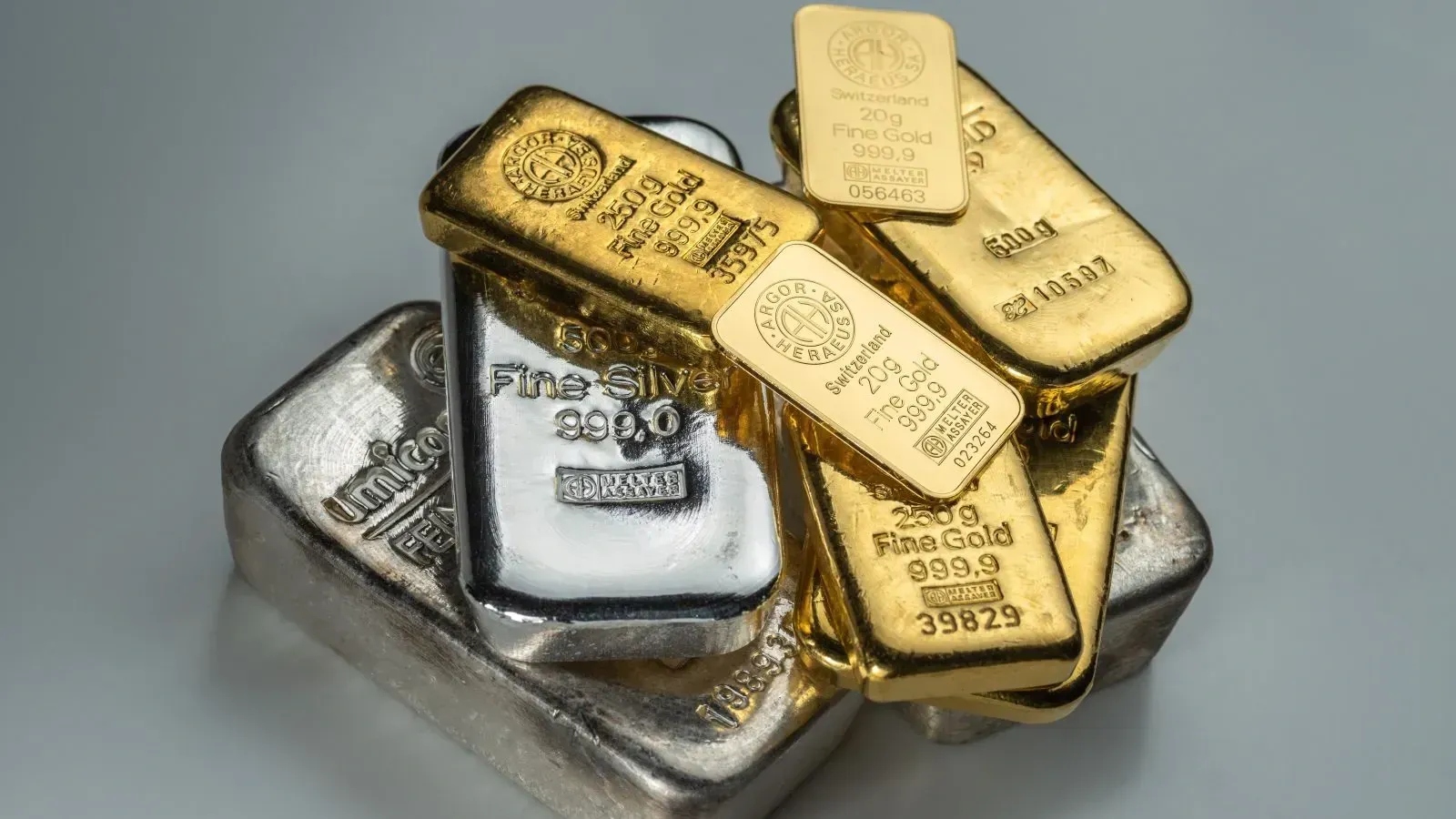)
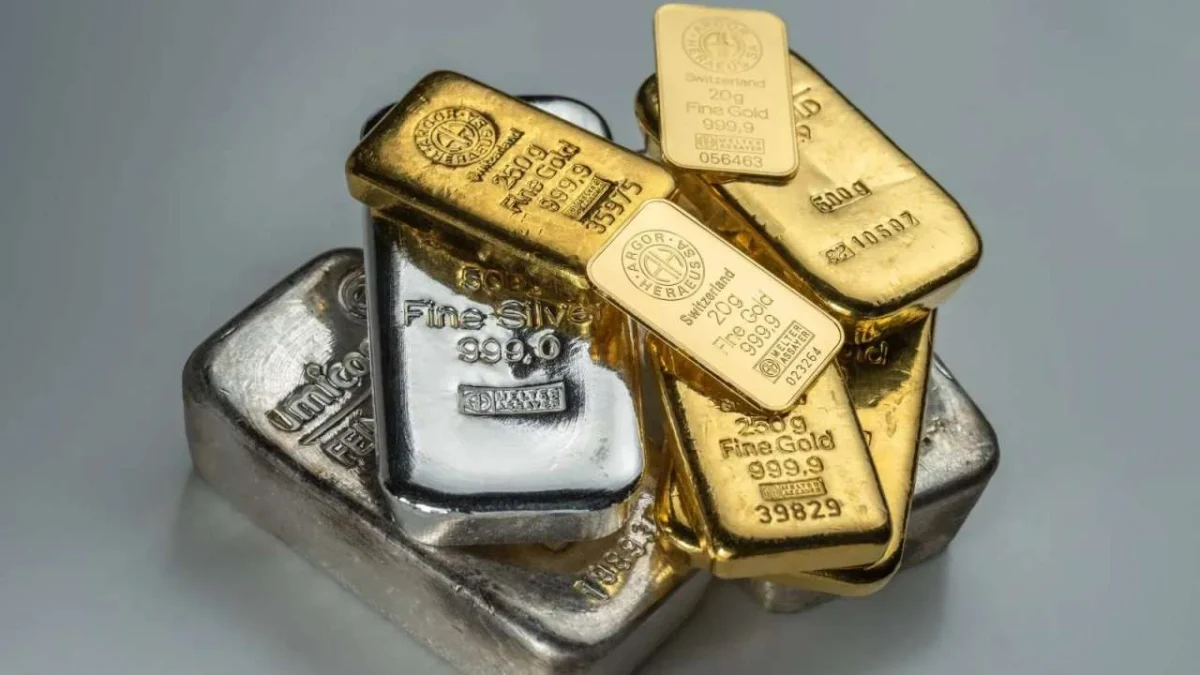
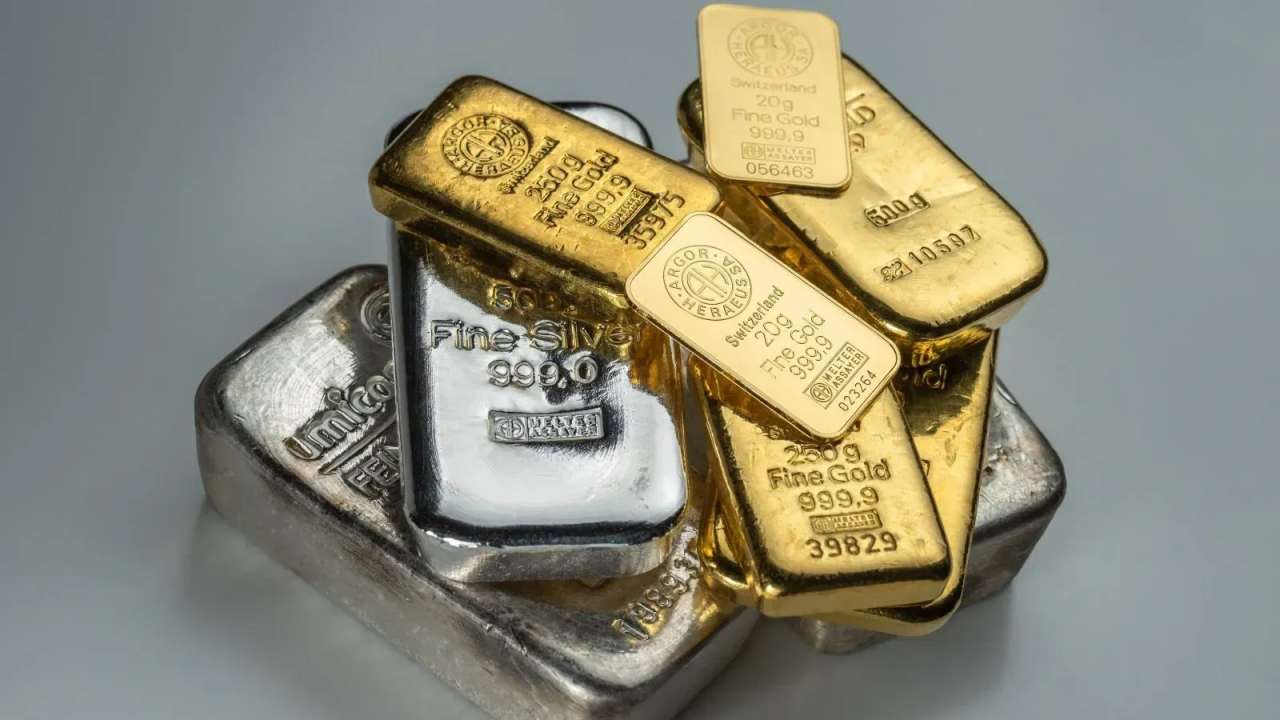
- 24-Karat Gold (999 Purity): The national average for 24K gold is pegged at Rs 15,667 per gram. This purity is often favored by investors for its intrinsic value.
- 22-Karat Gold (91.67% Purity): Commonly used for crafting exquisite jewellery, 22K gold is priced at Rs 14,361 per gram.
Silver Prices Today:
- 999 Pure Silver: The benchmark rate for 999 pure silver stands at approximately Rs 2,49,900 per kilogram.
- Silver 925 (Sterling Silver): Sterling silver, with a purity of 92.5%, is currently valued at Rs 2,49,000 per kilogram. This grade is widely popular for jewellery and decorative items.
These figures represent the immediate market reality, shaped by a confluence of macroeconomic factors and local sentiment.

A Look Back: Chronology of Recent Market Influences
The current prices of gold and silver on September 5, 2026, are not isolated figures but rather the culmination of a series of events and trends that have shaped the precious metals market over recent months. Understanding this chronology is crucial for comprehending today’s valuations.
Early 2026: The year began with a sense of cautious optimism in global markets, buoyed by hopes of easing inflation and a potential plateauing of interest rate hikes by major central banks, particularly the US Federal Reserve. However, this optimism was quickly tempered by lingering geopolitical tensions in Eastern Europe and the Middle East, which consistently fueled safe-haven demand for gold. Investors, wary of potential economic slowdowns and geopolitical flashpoints, increasingly diversified their portfolios with precious metals.
)
Mid-2026 (June-August): The summer months saw a seesaw battle between inflation concerns and central bank rhetoric. While some economies showed signs of cooling, core inflation remained stubbornly high in key regions. This sustained inflationary pressure, coupled with a slight weakening of the US Dollar against a basket of major currencies, provided a significant tailwind for gold prices. A weaker dollar makes dollar-denominated commodities, like gold, cheaper for holders of other currencies, thus stimulating demand.
Simultaneously, silver, which often tracks gold’s movements but also boasts substantial industrial demand, benefited from renewed optimism in manufacturing and green energy sectors. Reports of increased industrial uptake in solar panels, electric vehicles, and electronics contributed to its upward trajectory. Domestic factors in India also started to gain prominence. Monsoon season performance, while not directly impacting global prices, influenced rural incomes and, consequently, demand for physical gold and silver, especially in anticipation of the upcoming festive season. Early preparations and pre-booking for weddings and festivals like Diwali and Akshaya Tritiya, though still months away, began to create a baseline demand.
)
Late August to Early September 2026: In the immediate run-up to September 5, 2026, the market observed several key developments. Speculation surrounding the US Federal Reserve’s next policy moves intensified, with futures markets pricing in a higher probability of prolonged elevated interest rates. While typically a headwind for non-yielding assets like gold, this was largely offset by renewed fears of a global economic slowdown, which paradoxically boosts gold’s safe-haven appeal. The Indian Rupee’s exchange rate against the US Dollar also played a pivotal role. A slight depreciation of the Rupee during this period made imported gold and silver more expensive in local currency terms, contributing to the domestic price increase even if international dollar prices remained relatively stable. This period also saw a subtle increase in consumer buying ahead of Ganesh Chaturthi and other regional festivals, signaling the start of the festive season’s impact on demand.
Therefore, today’s prices are a reflection of continuous global economic re-evaluation, persistent geopolitical risks, the specific trajectory of the US Dollar, and the burgeoning domestic demand fueled by cultural significance and investment strategies.
)
Diving Deeper: Supporting Data and Influencing Factors
The daily valuation of gold and silver in India is a sophisticated dance between global economic forces and specific domestic dynamics. Understanding these intricate layers of influence is key to interpreting the market.
Global Market Dynamics
The international gold price, often benchmarked in US Dollars, is the primary driver. Several global factors exert significant influence:
)
- Interest Rates and Monetary Policy: Decisions by central banks, especially the US Federal Reserve, on interest rates profoundly impact precious metals. Higher interest rates typically increase the opportunity cost of holding non-yielding assets like gold, making it less attractive. Conversely, expectations of rate cuts or prolonged low rates make gold more appealing. Today’s slight increase suggests that the market might be factoring in a longer period of economic uncertainty despite high rates, or anticipating future rate adjustments.
- Inflationary Pressures: Gold is widely considered a hedge against inflation. When the cost of living rises and purchasing power erodes, investors often turn to gold to preserve wealth. The sustained inflationary pressures witnessed globally are a significant contributor to the current robust gold prices.
- Geopolitical Instability: Conflicts, political tensions, and economic crises in any part of the world can trigger a flight to safety, with investors flocking to gold. Ongoing global uncertainties provide a constant underlying support for gold prices.
- US Dollar Strength: As gold is priced in US Dollars, a weaker dollar makes gold cheaper for international buyers holding other currencies, thereby increasing demand and driving up prices. Conversely, a stronger dollar can suppress gold prices. The recent performance of the INR against the USD further complicates this in the Indian context.
- Crude Oil Prices: Often an indicator of global economic activity and inflationary expectations, high crude oil prices can indirectly support gold by signaling potential inflation.
Local Demand and Cultural Significance
India’s unique cultural relationship with gold plays an unparalleled role in its domestic pricing.
- Festive and Wedding Seasons: India is the world’s second-largest consumer of gold, largely driven by cultural and religious festivals (e.g., Diwali, Akshaya Tritiya, Dhanteras) and the extensive wedding season. Gold is an integral part of dowries, gifts, and auspicious purchases. While September 5th is not peak festive season, anticipation and early buying can create a steady demand.
- Investment Demand: Beyond cultural buying, a significant portion of Indian households view gold as a traditional form of savings and investment, especially in rural areas where access to formal financial instruments might be limited. Digital gold and Gold ETFs are gaining traction, but physical gold remains dominant.
- Industrial Demand for Silver: Silver’s utility extends far beyond ornaments. Its demand is heavily influenced by industrial applications in electronics, solar panels, photography, and medical devices. Global manufacturing trends and technological advancements directly impact silver prices.
Currency Exchange Rates
The exchange rate between the Indian Rupee (INR) and the US Dollar (USD) is a critical factor. India imports nearly all its gold.
)
- INR Depreciation: When the Rupee weakens against the Dollar, it means that Indian importers have to pay more Rupees for the same quantity of dollar-denominated gold. This directly translates to higher domestic gold and silver prices, even if international dollar prices remain stable. The recent marginal depreciation of the Rupee has contributed to the observed price increases.
Detailed City-Wise Price Breakdown: September 5, 2026
The prices of precious metals often vary slightly across major Indian cities due to local taxes, transportation costs, and specific market dynamics. Here’s a detailed look:
Gold Prices by City:
)
| City | Purity | Price per Gram (Rs) |
|---|---|---|
| Delhi | 24K | 15,682 |
| 22K | 14,376 | |
| Mumbai | 24K | 15,667 |
| 22K | 14,361 | |
| Kolkata | 24K | 15,667 |
| 22K | 14,361 | |
| Chennai | 24K | 15,667 |
| 22K | 14,361 |
- Delhi: Typically sees slightly higher prices due to local taxes and its status as a major consumption hub.
- Mumbai, Kolkata, Chennai: These major metropolitan and port cities often share similar price points, reflecting efficient supply chains and competitive markets.
Silver Prices by City:
| City | Purity | Price per 10 Grams (Rs) |
|---|---|---|
| Delhi | 999 | 2,499 |
| Mumbai | 999 | 2,499 |
| Kolkata | 999 | 2,499 |
| Chennai | 999 | 2,499 |
- Uniformity in Silver: Silver prices often exhibit more uniformity across major cities due to lower logistical costs per unit value compared to gold, and a more streamlined distribution network.
Expert Insights: Official Responses and Analyst Commentary
While there are no direct "official responses" from government bodies on daily price fluctuations, the market’s movements are constantly analyzed by industry experts, economists, and financial institutions. Their commentary provides crucial context and forward-looking perspectives.
)
Views from Bullion Market Analysts:
"The current uptick in gold prices, even with hawkish central bank stances, highlights the market’s deep-seated anxiety about global economic stability," observes Mr. Rajesh Sharma, Head of Bullion Research at GoldVista Financials. "Investors are increasingly prioritizing wealth preservation over growth in the face of persistent inflation and geopolitical flashpoints. We anticipate this trend to continue, especially as we approach the end of the year, which historically sees heightened demand."
Regarding silver, Ms. Priya Singh, a Senior Commodity Strategist at WealthMax Advisors, notes, "Silver’s dual role as an investment asset and an industrial metal makes its price trajectory particularly interesting. While it benefits from gold’s safe-haven appeal, its industrial demand, particularly from the burgeoning green technology sector, provides a robust floor. The slight increase today reflects both these factors in play."
)
Industry Body Perspectives:
The Indian Bullion and Jewellers Association (IBJA), a prominent industry body, often provides insights into market sentiment. A recent statement from an IBJA spokesperson, while not directly commenting on today’s prices, indicated that "the industry is gearing up for a strong festive season. Despite price fluctuations, the intrinsic value and cultural importance of gold and silver in India ensure sustained demand. Jewellers are managing inventory cautiously, balancing consumer affordability with supply chain dynamics." This suggests that the industry is adapting to the current price levels, expecting continued demand.
Economic Policy Influence (RBI):
The Reserve Bank of India (RBI), while not commenting on daily precious metal prices, plays a critical indirect role through its monetary policy. The RBI’s decisions on interest rates, its management of inflation, and its interventions in the foreign exchange market (to stabilize the Rupee) significantly influence the cost of importing gold and the attractiveness of alternative investments. For instance, if the RBI were to aggressively hike rates, it could make fixed deposits more appealing, potentially diverting some investment away from gold. Conversely, a dovish stance could further support gold. The current economic environment, marked by the RBI’s efforts to balance growth and inflation, contributes to the overall backdrop against which precious metal prices are determined.
)
Looking Ahead: Implications for Various Stakeholders
The current price trends in gold and silver carry significant implications for a diverse range of stakeholders, from individual investors and consumers to the broader economy and the jewellery industry.
Implications for Investors
- Diversification and Safe Haven: For investors, the current environment reinforces gold’s role as a crucial portfolio diversifier and a hedge against inflation and economic uncertainty. The slight increase today suggests that many are continuing to allocate a portion of their wealth to precious metals.
- Short-term Volatility vs. Long-term Growth: While daily fluctuations are common, analysts suggest a long-term bullish outlook for gold due to ongoing global uncertainties and central bank gold buying. Silver offers a higher beta to gold, meaning it can see more significant swings, presenting both greater opportunity and risk.
- Alternative Avenues: The rise of digital gold platforms and Sovereign Gold Bonds (SGBs) offers investors alternatives to physical gold, providing liquidity, storage convenience, and in the case of SGBs, a small annual interest payment. These avenues are increasingly popular for those seeking investment without the hassle of physical possession.
Implications for Consumers
- Festive Season Planning: With the festive and wedding seasons approaching, consumers will need to closely monitor prices. Today’s rates might influence purchase decisions, with some opting to buy smaller quantities or choose lighter jewellery designs to stay within budget.
- Budgeting and Affordability: The elevated prices of gold and silver necessitate careful budgeting for those planning significant purchases, such as wedding jewellery or investment-oriented assets. Consumers are advised to check daily rates and consider buying during periods of price dips.
- Purity Awareness: Understanding the difference between 24K and 22K gold, or 999 and 925 silver, is crucial for consumers to ensure they are getting the intended value for their money.
Implications for the Jewellery Industry
- Inventory Management: Jewellers face the challenge of managing inventory in a volatile market. Buying at favorable rates and hedging against price fluctuations become critical strategies to maintain profitability.
- Design and Marketing: The industry often adapts to higher prices by introducing lighter weight designs or promoting silver jewellery as a more affordable yet elegant alternative. Marketing strategies may focus on the emotional and cultural value of precious metals rather than just their weight.
- Sales Volumes: While culturally driven demand for gold is robust, sustained high prices can put pressure on sales volumes for larger, heavier pieces. However, the overall market typically remains strong due to the continuous cycle of weddings and festivals.
Broader Economic Implications
- Current Account Deficit: India is a major importer of gold. High gold prices, coupled with strong domestic demand, can lead to increased import bills, potentially widening the country’s current account deficit. This can put pressure on the Rupee and impact overall economic stability.
- Household Savings: Gold continues to be a significant component of household savings in India. Its price movements directly affect the perceived wealth of millions of families, particularly in rural areas.
- Policy Considerations: The government and RBI constantly monitor gold imports and prices, sometimes introducing measures like import duty adjustments to manage demand and protect the economy from excessive outflows.
In conclusion, the prices of gold and silver on September 5, 2026, are a reflection of a dynamic and interconnected global financial landscape, significantly shaped by India’s unique demand characteristics. As economic uncertainties persist and festive seasons draw near, these precious metals will continue to play a pivotal role in India’s financial and cultural narrative, demanding continuous vigilance from all stakeholders.