

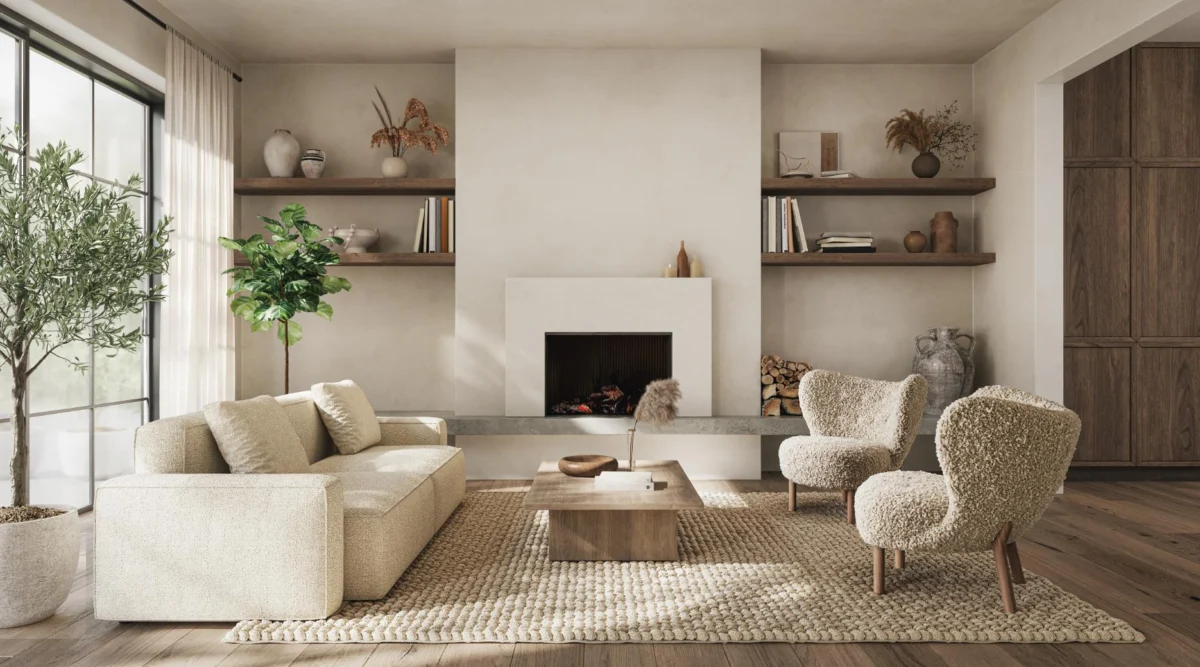
In an era dominated by the high-gloss finishes of "Instagram-perfect" homes and the clinical precision of ultra-modern minimalism, a centuries-old Japanese philosophy is staging a quiet but powerful comeback. Wabi-sabi, the aesthetic movement centered on the acceptance of transience and imperfection, has moved beyond the tea houses of Kyoto to become a cornerstone of contemporary interior design.
This guide explores the rise of wabi-sabi, its philosophical foundations, and how homeowners are leveraging this "quietest" of design movements to create spaces that are not only beautiful but profoundly authentic.
Main Facts: The Resurgence of the Authentic Home
Wabi-sabi is often misunderstood as a synonym for "rustic" or "shabby chic." However, its modern application is far more sophisticated. In the context of 21st-century interior design, wabi-sabi represents a fundamental shift away from consumerist "perfection" toward a more sustainable, emotionally resonant way of living.
At its core, the style prioritizes three simple realities: nothing lasts, nothing is finished, and nothing is perfect. In a world of mass-produced, disposable furniture, the wabi-sabi movement advocates for objects that age gracefully. This has led to a surge in demand for raw materials—unpolished stone, reclaimed wood, and hand-forged metals—that develop a "patina" over time.
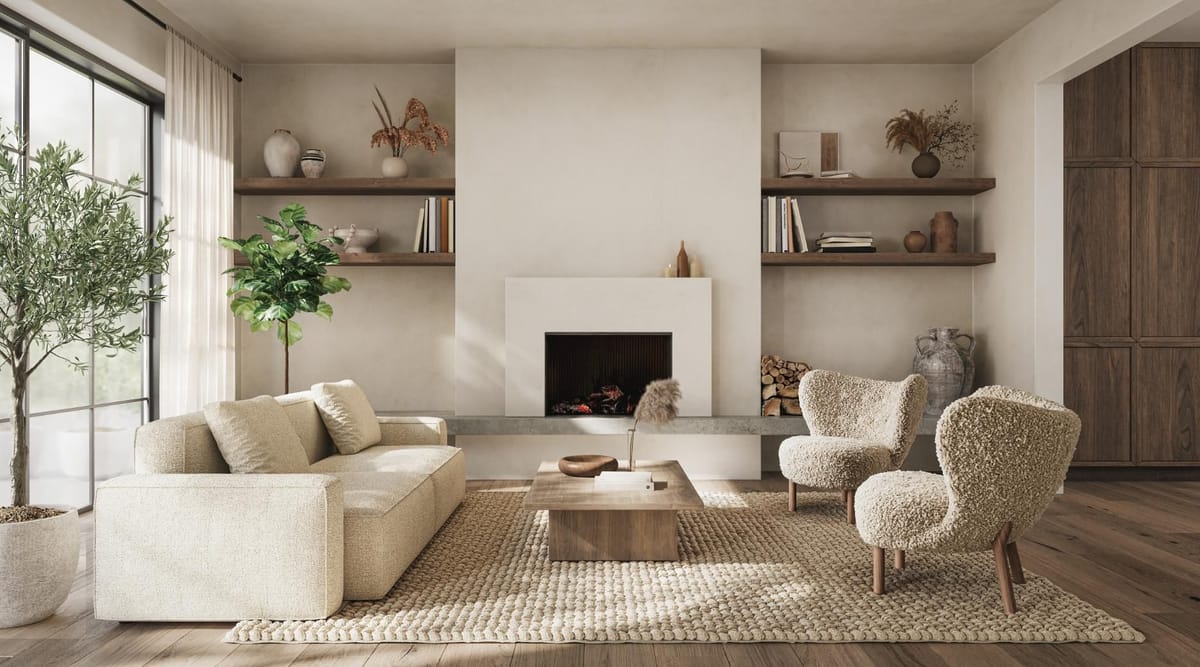
Market data suggests that the "slow living" movement, of which wabi-sabi is a primary aesthetic, has influenced a 35% increase in the consumption of artisanal and handmade home goods over the last five years. Designers are increasingly moving away from the "catalog look," opting instead for "lived-in" environments that celebrate the history of the inhabitants.
Chronology: From Zen Buddhism to Global Design Trend
To understand the current popularity of wabi-sabi, one must trace its evolution from a spiritual practice to a global design phenomenon.
The 15th Century: The Reaction Against Opulence
The roots of wabi-sabi lie in 15th-century Japan, particularly within the Japanese tea ceremony (chanoyu). During this period, the prevailing trend was the use of expensive, perfect, and ornate Chinese porcelain. Legend has it that Murata Jukō and later Sen no Rikyu, the most influential tea masters, revolutionized the ceremony by introducing locally made, rustic pottery. They argued that a cracked, repaired bowl held more "soul" and "presence" than a flawless imported one. This marked the birth of the wabi-sabi aesthetic—a protest against ostentatious displays of wealth.
The 20th Century: Crossing the Pacific
While Japan remained the steward of this philosophy for centuries, the Western world began to take notice in the late 20th century. Designers like Axel Vervoordt, the Belgian interior designer and antiquarian, became instrumental in translating wabi-sabi for a Western audience. Vervoordt’s work—combining ancient artifacts with raw, monastic spaces—showed that wabi-sabi could coexist with high-end luxury.
2020-Present: The Pandemic Pivot
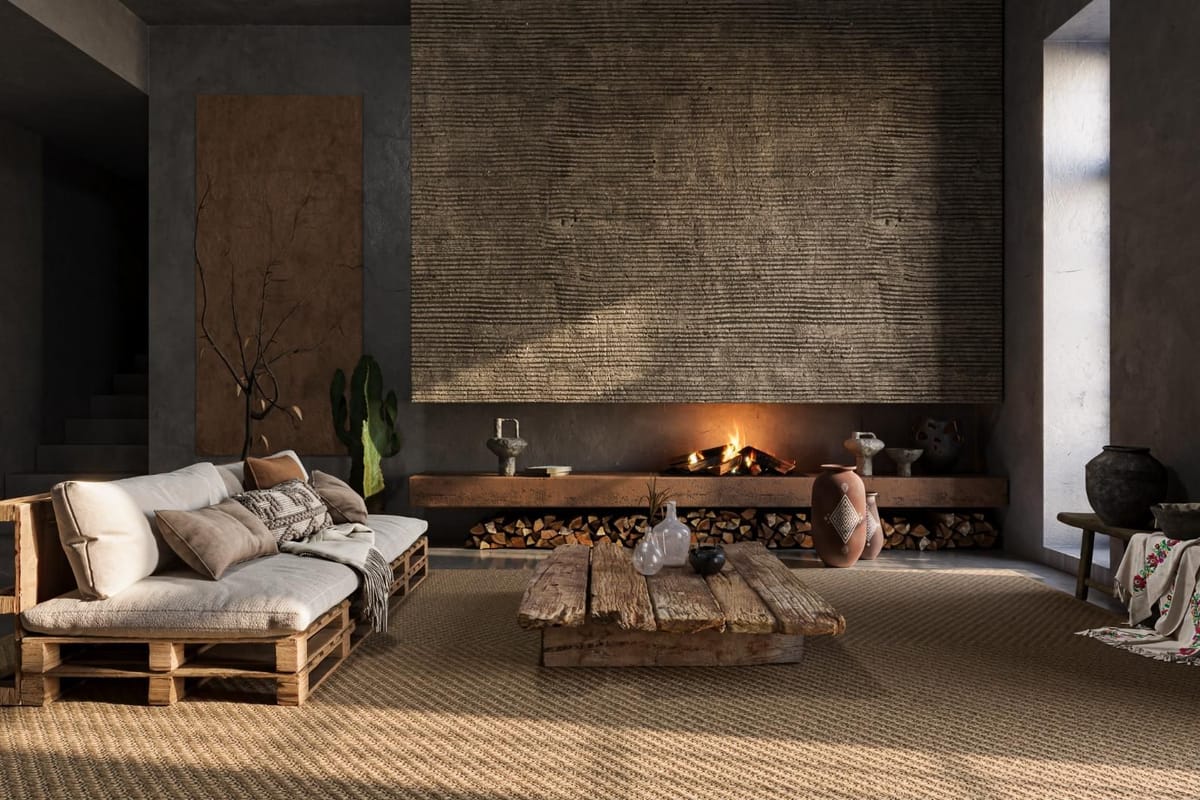
The global pandemic served as a major catalyst for the style’s current dominance. As people spent unprecedented amounts of time at home, the "museum-like" quality of minimalist interiors became stifling. There was a collective craving for comfort, tactile textures, and a home that didn’t feel "ruined" by a stray coffee mug or a scratched floor. Wabi-sabi provided the perfect framework for this new, more forgiving relationship with our living spaces.
Supporting Data: The Anatomy of a Wabi-Sabi Interior
Achieving a wabi-sabi look is not about buying "distressed" furniture from a big-box retailer; it is about the careful selection of materials and a restrained approach to layout.
The Color Palette of the Earth
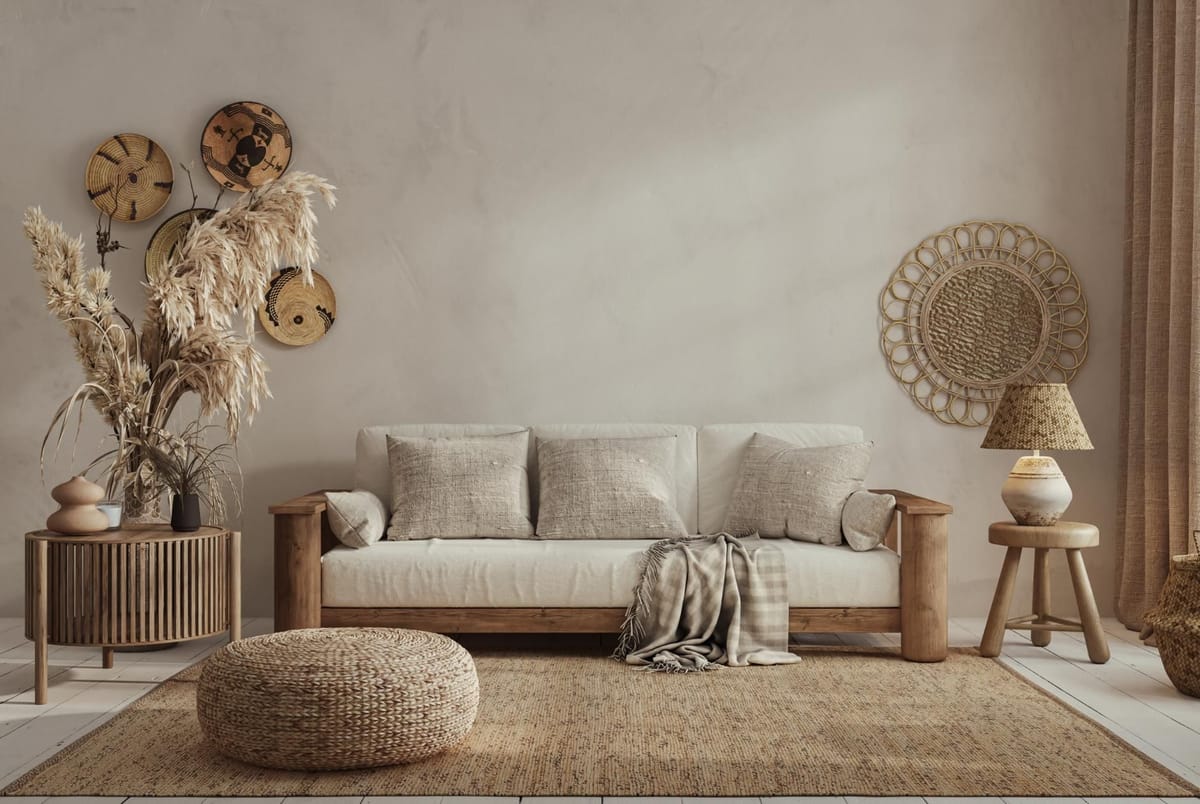
Wabi-sabi relies on a "low-frequency" palette. Unlike minimalism, which often leans on stark whites and cool grays, wabi-sabi embraces the warmth of the natural world.
- Primary Neutrals: Bone, sand, taupe, and charcoal form the foundation.
- Earth Tones: Sage green, terracotta, and ochre are used to add depth without creating visual "noise."
- The Rule of Tone: Designers suggest a 70/30 split—70% neutral base and 30% muted earth tones to maintain a sense of calm.
Materiality and Tactile Depth
In wabi-sabi, the way an object feels is as important as how it looks. The goal is to stimulate the "haptic" sense—the sense of touch.
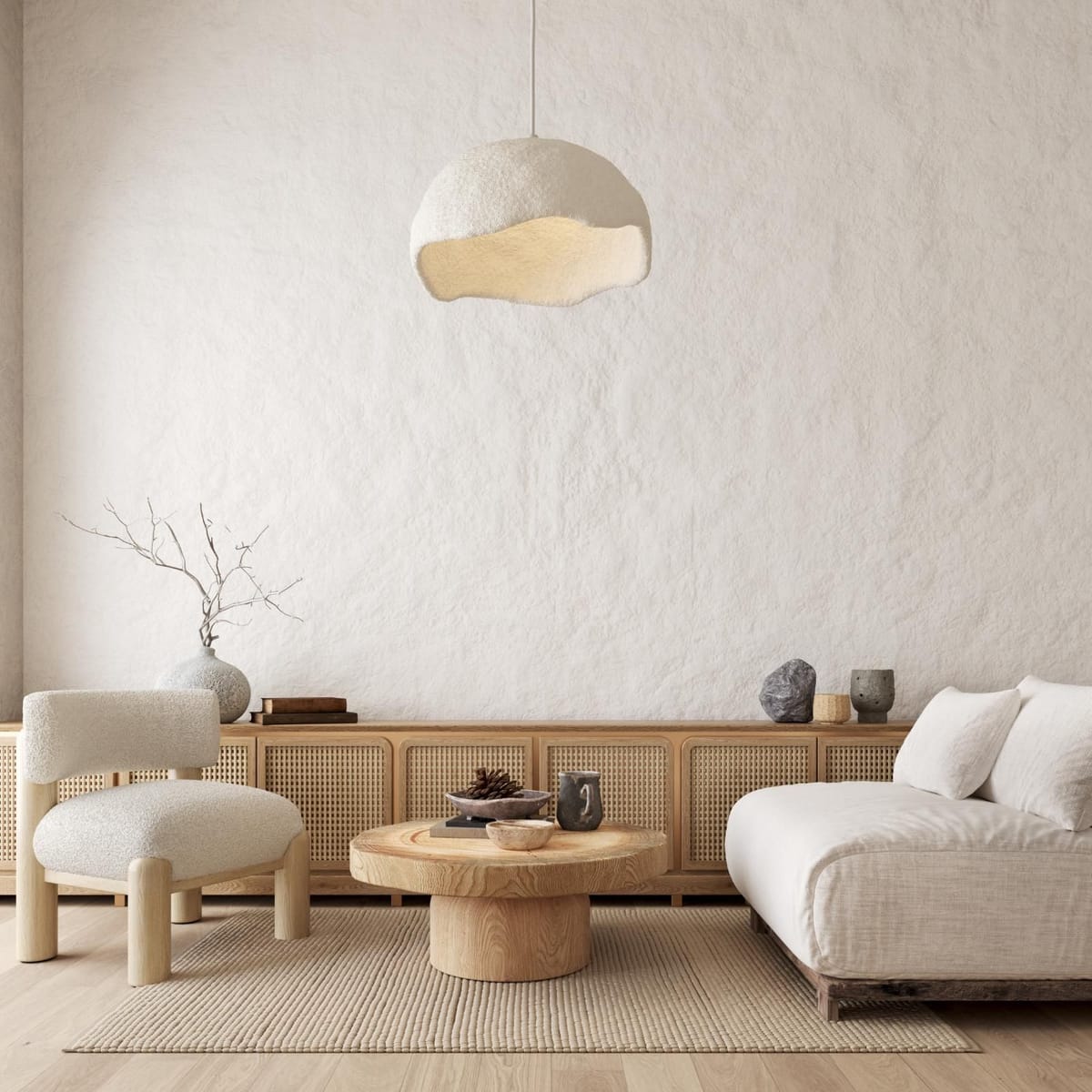
- Reclaimed Wood: Features like knots, grain variations, and even old nail holes are seen as assets.
- Natural Textiles: Linen, wool, and jute are preferred for their irregular weaves. A linen sofa that stays slightly wrinkled is the epitome of the style.
- Stone and Clay: Unpolished marble, limestone, and hand-thrown ceramics provide a grounding, geological presence.
- Kintsugi: The Japanese art of repairing broken pottery with gold or silver lacquer. This practice exemplifies the philosophy by making the "scar" the most beautiful part of the object.
Lighting: The "Tanizaki" Effect
Inspired by Jun’ichirō Tanizaki’s essay In Praise of Shadows, wabi-sabi lighting avoids the "interrogation-style" brightness of modern LEDs. Instead, it utilizes:
- Soft Diffusion: Paper lanterns (like Isamu Noguchi’s Akari lamps) that mimic moonlight.
- Shadow Play: Allowing corners of a room to remain dark to create a sense of mystery and depth.
- Natural Light: Maximizing the changing quality of daylight as it moves across textured walls.
Official Responses and Expert Perspectives
Industry experts suggest that the move toward wabi-sabi is more than a seasonal trend; it is a psychological response to the digital age.
"We are living in a ‘liquid’ society where everything is digital and fleeting," says Dr. Elena Rossi, a psychologist specializing in environmental design. "Wabi-sabi offers ‘friction.’ The roughness of a stone wall or the weight of a heavy ceramic mug grounds us in the physical world. It provides a sense of permanence that our digital screens cannot."
Renowned interior architects also note the distinction between wabi-sabi and its cousin, Minimalism. While Minimalism seeks to remove the clutter to reach a state of perfection, wabi-sabi accepts the clutter of life as part of the narrative.
"Minimalism can be quite judgmental," notes lead designer Marcus Thorne. "If you leave a book out in a minimalist room, the design fails. In a wabi-sabi room, that book—especially if it has dog-eared pages and a worn spine—actually completes the design."
Implications: Sustainability and the Future of Living
The adoption of wabi-sabi has significant implications for the future of the design industry, particularly regarding environmental sustainability and mental health.
1. The Death of "Fast Furniture"
Wabi-sabi is inherently anti-consumerist. By valuing the aged and the repaired, it encourages homeowners to keep furniture for decades rather than years. This "buy once, buy well" mentality is a direct challenge to the "fast furniture" model that contributes millions of tons of waste to landfills annually. The implication is a shift toward a circular economy where repair is valued over replacement.
2. Mental Health and the "Perfection Trap"
The psychological burden of maintaining a "perfect" home is significant. Wabi-sabi acts as a form of "visual therapy." By surrounding ourselves with objects that are allowed to be flawed, we subconsciously give ourselves permission to be flawed as well. This reduces the anxiety associated with domestic maintenance and fosters a more compassionate living environment.

3. The "Japandi" Evolution
The fusion of Japanese wabi-sabi and Scandinavian Hygge (known as "Japandi") is currently the most dominant global interior trend. This hybrid style takes the functionalism of the North and infuses it with the soulfulness of the East. The implication for the real estate and staging markets is clear: homes that look "lived-in" and authentic are currently selling faster than those that look like sterile showrooms.
Summary Reference Table
| Element | The Wabi-Sabi Approach | The Minimalist Approach |
|---|---|---|
| Philosophy | Embracing the beauty of the flawed | Achieving beauty through the perfect |
| Texture | Rough, organic, and tactile | Smooth, polished, and uniform |
| Aging | Celebrates patina and wear | Seeks to keep things "as new" |
| Symmetry | Asymmetrical and organic | Symmetrical and geometric |
| Mood | Warm, grounded, and humble | Cool, airy, and aspirational |
Closing Note: Living the Philosophy
Wabi-sabi is not a checklist of items to buy; it is a lens through which to view your environment. It asks us to stop fighting the passage of time and instead find the hidden beauty in the fraying edges of our lives. When we stop chasing the "perfect" home, we finally find the space to live in a "real" one. As the movement continues to grow, it serves as a necessary reminder that in an increasingly artificial world, the most luxurious thing we can own is something that is authentically, beautifully imperfect.
