

For many travelers from the southern reaches of India, Jammu and Kashmir often exists as a cinematic construct—a montage of snow-capped peaks, high-altitude romances, and the somber undertones of geopolitical friction portrayed in Hindi cinema. However, stepping onto the tarmac at Srinagar International Airport, the air offers a different narrative. It is a crisp, bracing reality where the past and present do not merely collide but coexist in a delicate dance of heritage, resilience, and profound beauty.
Srinagar, the summer capital of the union territory, is currently undergoing a transformative phase. While the remnants of its tumultuous history remain visible, they are increasingly framed by a renewed sense of honor and a flourishing tourism sector that seeks to showcase the "Paradise on Earth" beyond the stereotypes. This report explores a condensed 36-hour itinerary that captures the city’s architectural marvels, ancient markets, and its legendary culinary landscape.

I. Main Facts: The Evolving Identity of the Kashmir Valley
Srinagar is a city defined by its geography and its craftsmanship. Nestled in the Kashmir Valley on the banks of the Jhelum River, the city is famous for its stationary houseboats and the iconic Shikaras on Dal Lake. Historically, it served as a vital node on the ancient trade routes, which is reflected in its unique architectural vernacular—a blend of Persian, Central Asian, and indigenous Kashmiri styles.
Today, the city is witnessing a surge in "experiential tourism." Visitors are no longer content with just viewing the mountains; there is a growing demand for deep dives into the "Shehr-e-Khaas" (the Old City), the intricacies of the Wazwan (a multi-course meat-based feast), and the preservation of traditional crafts like copperware and papier-mâché. The recent entry of international luxury hospitality brands, such as the Radisson Collection, signals a new era of global confidence in the region’s stability and its potential as a premier travel destination.

II. Chronology: 36 Hours in the Summer Capital
Tuesday: The Spiritual and Historical Heart
5:00 PM | The Architectural Deviance of Jamia Masjid
The journey begins in the bustling streets of downtown Srinagar at the 600-year-old Jamia Masjid. Unlike the typical domed mosques of the Islamic world, Jamia Masjid is an embodiment of Indo-Saracenic and Hellenic influences. It features 378 massive deodar pillars, each carved from a single tree trunk, reaching 14 meters into the air.
Tour guide Yunus Bhatt notes the functional brilliance of the design: “The roof is pyramidal to allow snow to slide off easily during the harsh winters, preventing structural damage.” As the Maghrib prayers resound, the courtyard—filled with pigeons and a central fountain—offers a moment of serenity against the backdrop of the Hari Parbat fort.

7:00 PM | The Sufi Legacy at Khanqah-e-Moula
A short walk through the Zaina Kadal area leads to the Khanqah-e-Moula, one of Kashmir’s oldest Sufi shrines. Dedicated to Mir Syed Ali Hamadani, the structure is a masterclass in the "Taq" system—a traditional Kashmiri method of interlocking wooden beams without the use of nails. The interior is a riot of color, featuring intricate papier-mâché work on the ceilings and walls, reflecting the Persian influence brought to the valley centuries ago.
8:00 PM | Navigating the Shehr-e-Khaas
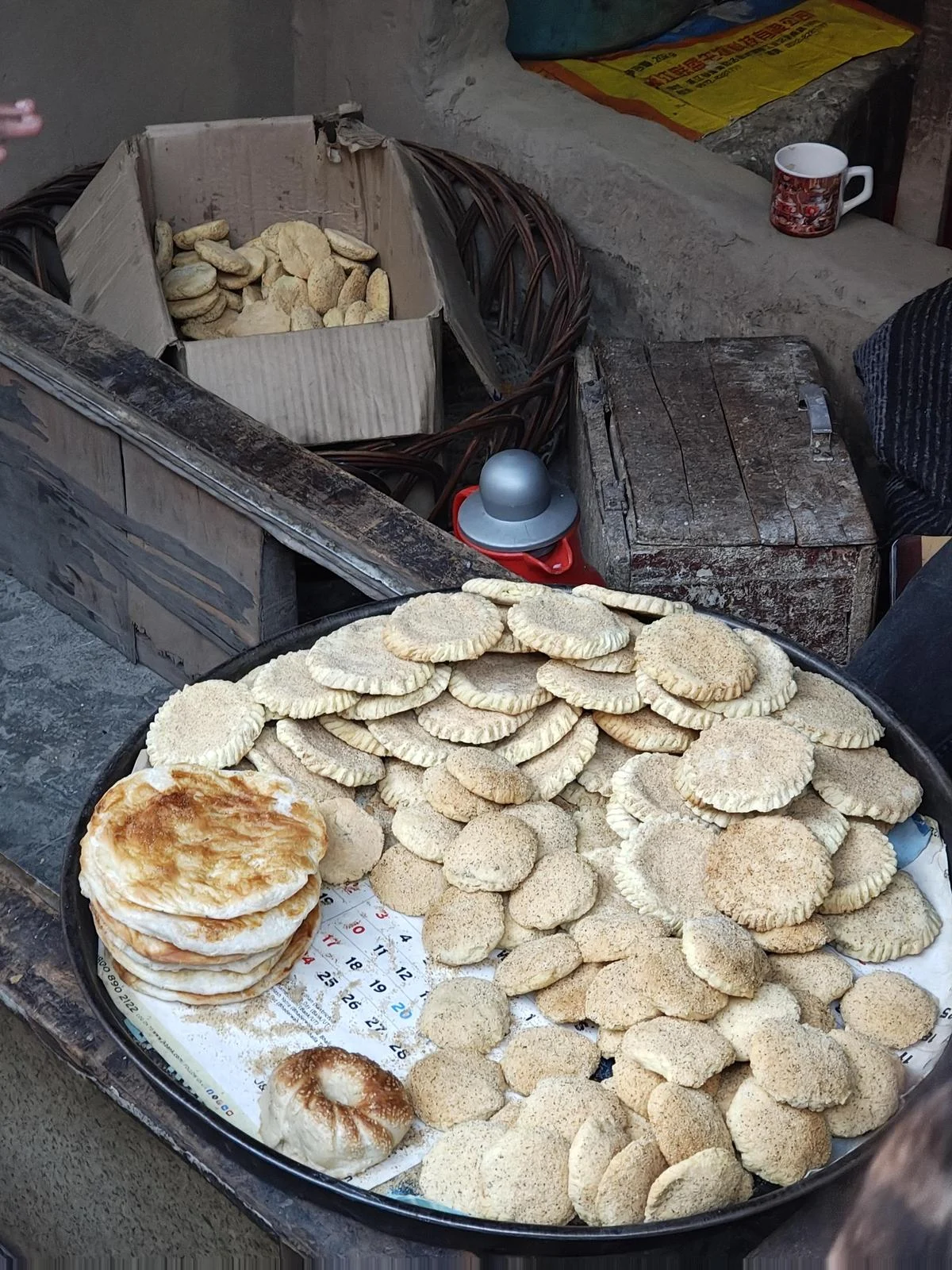
Downtown Srinagar, or Shehr-e-Khaas, is the city’s throbbing heart. Marked by seven historic wooden bridges (Kadals) over the Jhelum, the area is a sensory overload. In the narrow alleys, the scent of Bakarkhani (a thick, spiced Mughlai flatbread) wafts from traditional clay ovens. In the SR Gunj Market, the rhythmic hammering of metal smiths reveals the creation of Samovars (tea kettles) and Tash-t-Nari (ceremonial washbasins), crafts that have remained largely unchanged for generations.

Wednesday: Water, Flowers, and the Red Square
6:00 AM | Dawn on Dal Lake
The day begins before sunrise at Nehru Gate. A Shikara ride at this hour is essential to witness the floating vegetable and flower market. This transient marketplace lasts only two hours, where vendors trade Nadru (lotus stems) and fresh greens from boat to boat. Amidst the mist, floating Kahwa vendors serve the signature Kashmiri tea—a golden infusion of saffron, cardamom, and crushed almonds.
11:00 AM | The Bloom of the Zabarwan
The Indira Gandhi Memorial Tulip Garden, the largest in Asia, is a seasonal spectacle. Spanning 30 hectares at the foothills of the Zabarwan Range, it hosts over 1.8 million tulips. With 70 varieties of blooms, the garden is a testament to the region’s floricultural heritage, though its beauty is fleeting, typically lasting only from mid-March to mid-April.

4:00 PM | The Commercial Pulse of Lal Chowk
Lal Chowk (Red Square), named after Moscow’s iconic plaza, remains the city’s political and commercial nerve center. Under the shadow of the Ghanta Ghar (Clock Tower), the area is a hub for high-quality Kashmiri woolens. Shoppers can find authentic Pherans (traditional cloaks), Pashmina shawls, and contemporary treats at bakeries like Crème by Ahdoos, famous for its walnut tarts.
7:30 PM | The Gastronomic Ritual of Wazwan
The day concludes with a formal Wazwan dinner at Firdaus, located within the Radisson Collection Hotel. This is not merely a meal but a ritual. Served on a Traem (a large copper platter), the feast includes Tabak Maaz (deep-fried lamb ribs), Gushtaba (velvety meat balls in yogurt gravy), and Rista (meatballs in red gravy). Prepared by Executive Chef Naresh Kharbanda, the meal illustrates the complexity of Kashmiri spices and the "nose-to-tail" philosophy of the local cuisine.

Thursday: A Sweet Departure
8:00 AM | The Legacy of Moonlight Fudge
Before heading to the airport, a stop at Moonlight The Walnut Fudge Shop is mandatory. Established in 1896, this institution uses a secret recipe involving local walnuts, honey, and dates to create a dense, chewy fudge that has become a symbol of Srinagar’s culinary identity.
III. Supporting Data: Architectural and Cultural Anchors
| Feature | Description | Significance |
|---|---|---|
| Taq System | Interlocking timber and masonry. | Provides seismic resistance in earthquake-prone zones. |
| Deodar Wood | Himalayan Cedar used in Jamia Masjid. | Known for durability and resistance to rot. |
| Nadru | Lotus stem harvested from Dal Lake. | A staple of Kashmiri cuisine, symbolizing the lake’s bounty. |
| Pheran | Loose-fitting wool/cotton cloak. | Essential for surviving the "Chillai Kalan" (40 days of harsh winter). |
The Tulip Garden’s impact is also quantifiable. In 2024, the garden saw record-breaking footfalls, contributing significantly to the local economy during the "shoulder season" of spring, which was historically a slower period for tourism.

IV. Official Responses and Local Perspectives
The shift toward high-end, culturally immersive tourism is a deliberate strategy. Shubhankar Jyoti, General Manager of the Radisson Collection Hotel & Spa, Riverfront Srinagar, emphasizes the importance of authenticity. "Srinagar has a distinctive cultural identity. The property was envisioned as more than just a luxury hotel; it was designed to immerse guests in the spirit of Kashmir through curated local experiences," Jyoti stated during the hotel’s 2024 debut.
Local guides also see this as a way to preserve their heritage. Yunus Bhatt, who navigates the Old City daily, believes that explaining the "why" behind the architecture—like the pyramidal roofs or the absence of minarets—helps tourists respect the city as a living museum rather than just a photo opportunity.

V. Implications: The Future of the Valley
The enrichment of the Srinagar travel experience has several long-term implications:
- Economic Diversification: By moving beyond "scenery" and into "craft and cuisine," the city is creating a more sustainable economic model for local artisans and chefs.
- Cultural Preservation: Increased interest in the "Taq" and "Dhajji Dewari" architectural styles encourages the restoration of crumbling heritage buildings in the Old City.
- Normalization of Tourism: The presence of global hospitality brands and the high volume of domestic travelers suggest a stabilizing environment, though the heavy security presence at Lal Chowk serves as a reminder of the region’s complex status.
- Environmental Challenges: The reliance on Dal Lake and the Zabarwan foothills necessitates a balance between tourist influx and ecological conservation, particularly regarding water quality and urban sprawl.
In 36 hours, Srinagar reveals itself not as a movie set, but as a resilient, sophisticated metropolis. It is a place where a cup of saffron-scented tea and the silhouette of a 600-year-old pillar offer a more profound connection to the land than any cinematic portrayal ever could. For the traveler, the "Paradise" is no longer a distant dream, but a tangible, textured reality.
