

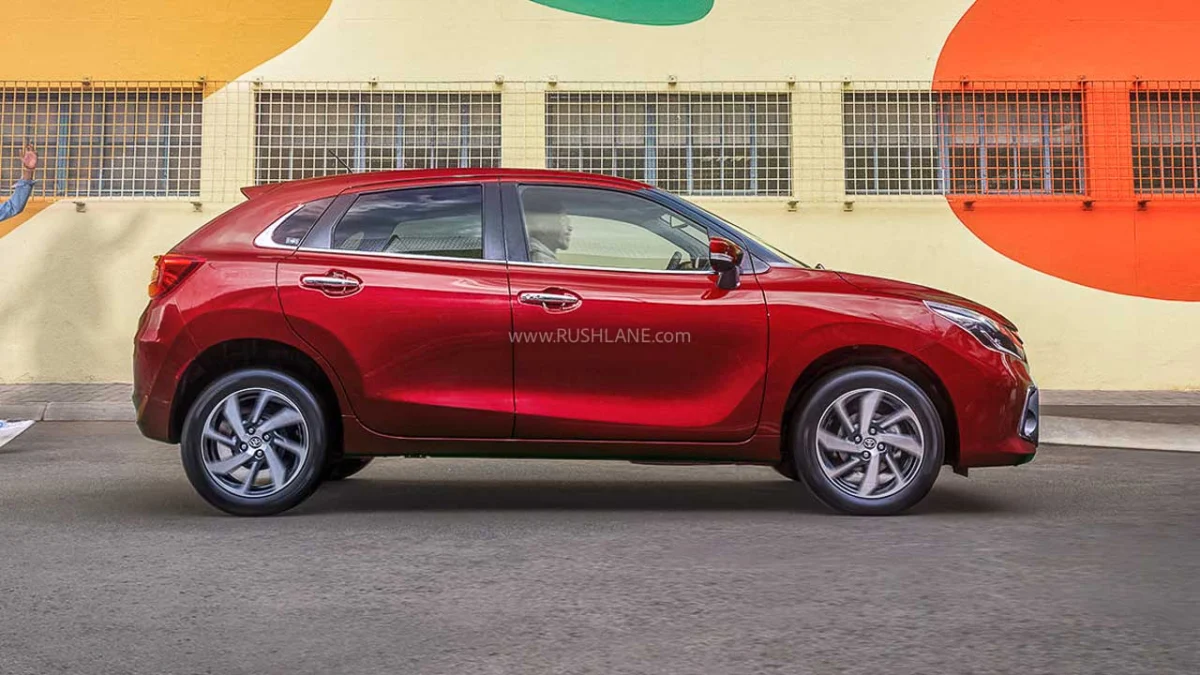
The Indian automotive landscape is witnessing a significant transformation as the strategic alliance between Maruti Suzuki and Toyota Kirloskar Motor (TKM) enters its next phase of evolution. Following the recent updates to the Maruti Suzuki Baleno, Toyota is now gearing up to launch the refreshed Glanza facelift. Scheduled for an official debut on October 14th, approximately one month after the market introduction of its Suzuki counterpart, the new Glanza aims to redefine value and technology in the premium hatchback category.
This launch is not merely a cosmetic update; it represents a fundamental shift in how badge-engineered products are positioned in the Indian market. By integrating advanced safety technologies, a new powertrain philosophy, and enhanced creature comforts, Toyota seeks to solidify its presence in a segment currently dominated by the likes of the Tata Altroz and the Hyundai i20.
Main Facts: A Comprehensive Overview of the Facelift
The upcoming Toyota Glanza facelift is poised to bring several industry-first and segment-leading features to the table. While the vehicle remains mechanically rooted in the Baleno platform, Toyota has made concerted efforts to ensure the Glanza maintains a distinct identity.
1. The Introduction of Level 2 ADAS
The most significant headline for the new Glanza is the inclusion of Level 2 Advanced Driver Assistance Systems (ADAS). This move places the Glanza at the forefront of safety technology in the hatchback segment. The suite is expected to include eight autonomous features, such as:
- Automatic Emergency Braking (AEB): Utilizing sensors to detect potential collisions and applying brakes automatically.
- Lane Keep Assist: Providing steering inputs to ensure the vehicle stays within its lane.
- Adaptive Cruise Control: Maintaining a set distance from the vehicle ahead, adjusting speed automatically.
- Auto High Beam Assist: Managing headlight intensity based on oncoming traffic.
2. The Shift to the Z-Series Engine
Under the hood, the Glanza transitions from the venerable 1.2-liter four-cylinder K-Series engine to a new 1.2-liter three-cylinder Z-Series engine. While some enthusiasts may lament the loss of a cylinder, the move is driven by the tightening grip of fuel efficiency requirements and emission norms.
3. Enhanced Interior Sophistication
To compete with the feature-rich Hyundai i20, Toyota has packed the Glanza with premium amenities. Key additions include ventilated front seats—a feature once reserved for luxury sedans—and a Qi-standard wireless charging pad equipped with active cooling to prevent smartphone overheating during long drives.
Chronology: The Evolution of the Glanza
The journey of the Toyota Glanza is a testament to the success of the Toyota-Suzuki global partnership, which began in earnest in 2017.
- June 2019: Toyota launched the first-generation Glanza in India. It was the first product of the cross-badging agreement, essentially a rebadged Maruti Baleno with a Toyota warranty.
- February 2022: The second-generation (major facelift) Baleno was launched, followed shortly by the Glanza. This version introduced a more significant visual departure between the two brands, with Toyota adopting a unique front bumper and grille.
- September 2024: Maruti Suzuki refreshes the Baleno with a focus on efficiency and tech updates.
- October 14, 2024 (Expected): The scheduled launch of the Toyota Glanza facelift. This launch follows the established pattern of Toyota trailing Maruti by approximately 30 days to allow for production ramp-up and marketing differentiation.
This timeline illustrates a maturing relationship where the "latency" between the two brands’ launches allows Toyota to observe market reception and position the Glanza as a slightly more premium or "feature-complete" alternative.
Supporting Data: Technical Specifications and Market Positioning
To understand the impact of the Glanza facelift, one must look at the data driving these changes.
Powertrain and Efficiency
The new 1.2L three-cylinder engine is designed for the urban commuter. While the previous four-cylinder unit was praised for its refinement, the new three-cylinder architecture offers higher low-end torque, which is vital for city "stop-and-go" traffic.
- Efficiency Gains: Preliminary data suggests an improvement in fuel economy of approximately 6% over the outgoing model. In a price-sensitive market like India, where petrol prices remain volatile, this is a significant selling point.
- Transmission Options: The vehicle will continue to offer a 5-speed manual gearbox and a 5-speed Automated Manual Transmission (AMT). The AMT has been refined to reduce the "head-nod" effect commonly associated with such systems.
- CNG Integration: The bi-fuel (CNG) variant will remain a staple in the lineup. However, unlike some competitors who have moved to twin-cylinder setups to save boot space, the Glanza will likely retain the single-cylinder configuration to keep costs competitive.
Dimensions and Aesthetics
The Glanza maintains its footprint, ensuring it remains easy to maneuver while providing class-leading interior space.
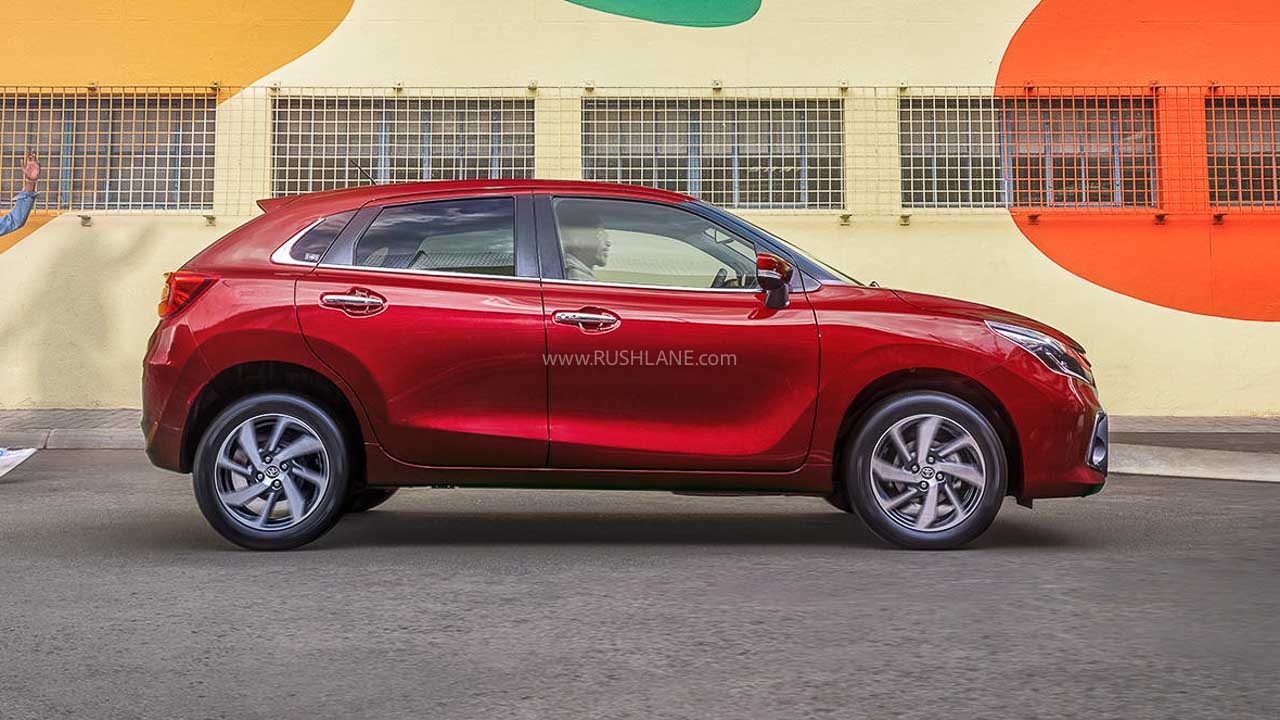
- Wheels: Toyota will continue to offer unique 16-inch alloy wheel designs that differ from the Baleno’s "Precision Cut" alloys.
- Lighting: The facelift will feature redesigned LED projector headlamps and a signature DRL (Daytime Running Light) pattern that aligns with Toyota’s global design language, moving away from the "three-dot" signature used by Maruti.
Official Context and Strategic Positioning
While official statements from Toyota Kirloskar Motor regarding the specific pricing are awaited until the October 14th launch, the company’s broader strategy provides ample context.
Toyota has historically positioned the Glanza not just as a car, but as an "experience." This is achieved through:
- Extended Warranty: Toyota often provides a standard warranty of 3 years or 100,000 km, compared to the 2-year or 40,000 km standard offered by many competitors.
- Service Quality: The "Toyota Touch" service philosophy is a primary driver for customers who choose the Glanza over the Baleno, despite the higher price tag for certain variants.
- Resale Value: Toyota vehicles traditionally command a premium in the used car market, and the Glanza has benefitted from this brand perception.
Industry analysts suggest that by introducing Level 2 ADAS, Toyota is attempting to "future-proof" the Glanza against upcoming safety regulations and the growing consumer demand for tech-heavy vehicles.
Implications: What This Means for the Industry
The launch of the Toyota Glanza facelift carries weight far beyond a single car model. It signals several shifts in the Indian automotive industry.
1. The Democratization of ADAS
Until recently, ADAS was the preserve of luxury SUVs and executive sedans. By bringing these features to a hatchback, Toyota and Maruti are forcing competitors like Tata and Hyundai to accelerate their own tech roadmaps. This "tech-war" ultimately benefits the consumer through safer roads and better-equipped vehicles.
2. The Three-Cylinder Reality
The transition to three-cylinder engines is becoming an industry standard for small displacement cars. While refinement levels (NVH – Noise, Vibration, and Harshness) are naturally lower than four-cylinder units, the gains in thermal efficiency and reduced weight are becoming non-negotiable for manufacturers aiming to meet CAFE (Corporate Average Fuel Efficiency) norms.
3. The Resilience of the Hatchback
Despite the "SUV-ification" of the Indian market, the premium hatchback segment remains a vital volume driver. The Glanza facelift proves that manufacturers are still willing to invest heavily in this segment, recognizing that a significant portion of urban buyers still prefer the compact dimensions and efficiency of a hatch over a bulky SUV.
4. Strengthening the Alliance
The Glanza facelift further cements the Toyota-Suzuki partnership. By sharing the heavy R&D costs of a new engine and ADAS suite, both companies can offer high-tech features at a price point that would be impossible if developed independently. This collaboration is likely to serve as a blueprint for other global manufacturers looking to navigate the transition to electrified and autonomous-ready platforms.
Conclusion
The Toyota Glanza facelift, arriving this October, is more than a simple refresh. It is a calculated move to capture the "premium-conscious" buyer who values safety, efficiency, and the peace of mind associated with the Toyota badge. With the addition of Level 2 ADAS and a more efficient Z-Series engine, the Glanza is no longer just a "badge-engineered Baleno"—it is a formidable contender that challenges the status quo of the Indian premium hatchback segment. As the launch date approaches, all eyes will be on Toyota to see how they price this tech-laden package in an increasingly competitive market.
