

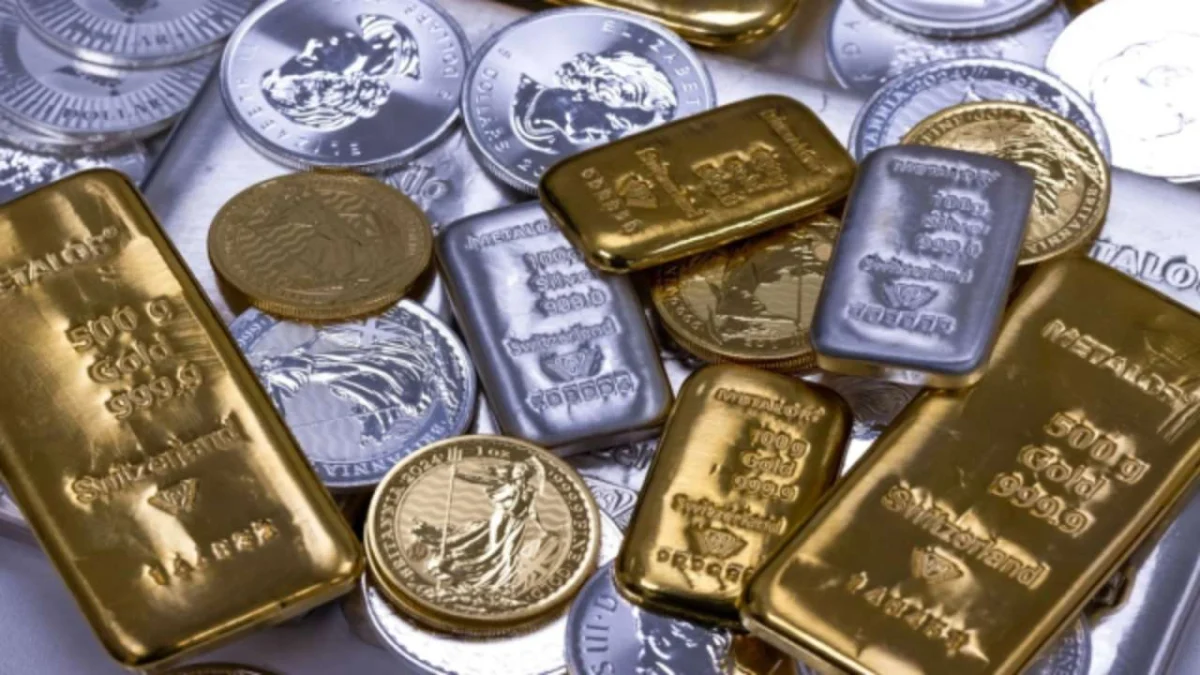
NEW DELHI, India – September 13, 2026 – India’s vibrant bullion market continues its intricate dance with global economic forces and domestic demand, reflecting a dynamic interplay of factors that shape the daily prices of gold and silver. As of September 13, 2026, precious metal rates across major Indian cities have registered nuanced movements, largely influenced by persistent inflationary pressures, shifts in international market sentiment, and the perennial allure of these metals as both investment and cultural staples.
The nation, a significant consumer and importer of gold, remains acutely sensitive to fluctuations in the international gold price, the strength of the US Dollar, and the domestic currency’s exchange rate. Silver, while often seen as gold’s junior partner, also demonstrates considerable volatility, driven by its dual role as a precious metal and a vital industrial commodity. This detailed breakdown explores the current price landscape, the underlying economic currents, expert insights, and the broader implications for investors and consumers alike.
The Immediate Snapshot: Gold and Silver Prices Today
On September 13, 2026, gold prices in India have experienced a modest uptick, a trend market analysts attribute to a combination of sustained global demand and ongoing inflationary concerns. The benchmark 24-karat gold (999 pure) is trading at approximately Rs 15,667 per gram, with slight variations across major metropolitan centres. Similarly, 22-karat gold (91.67% pure), the preferred choice for jewellery, is priced around Rs 14,361 per gram.
The silver market also presents an interesting picture. The price of 999 pure silver is hovering around Rs 2,49,900 per kilogram, or Rs 2,499 per 10 grams, indicating a steady demand. Sterling silver (925 purity) is priced at Rs 2,49,000 per kilogram. These figures underscore the continued relevance of silver as an accessible investment and a popular component in Indian ornaments and industrial applications.
)
Main Facts: City-Wise Rates on September 13, 2026
The prices of precious metals in India often exhibit slight variations from one city to another, primarily due to differing local taxes, transportation costs, and regional demand patterns. These localized rates provide a clearer picture for consumers and traders across the country.
Gold Prices on September 13, 2026 (per gram):
- Delhi:
- 24K Gold (999 Purity): Rs 15,682
- 22K Gold (91.67% Purity): Rs 14,376
- Mumbai:
- 24K Gold (999 Purity): Rs 15,667
- 22K Gold (91.67% Purity): Rs 14,361
- Kolkata:
- 24K Gold (999 Purity): Rs 15,667
- 22K Gold (91.67% Purity): Rs 14,361
- Chennai:
- 24K Gold (999 Purity): Rs 15,667
- 22K Gold (91.67% Purity): Rs 14,361
Silver Prices on September 13, 2026 (per 10 grams for 999 Purity):
- Delhi: Rs 2,499
- Mumbai: Rs 2,499
- Kolkata: Rs 2,499
- Chennai: Rs 2,499
(Note: Prices for 999 pure silver per kilogram are approximately Rs 2,49,900, while Silver 925 (sterling silver) is approximately Rs 2,49,000 per kilogram.)

Chronology: A Glimpse into Recent Market Dynamics
The current pricing levels for gold and silver on September 13, 2026, are not isolated figures but rather the culmination of several months of market activity. Over the past year, the global bullion market has been characterized by a blend of volatility and resilience. Early 2026 saw gold prices reacting to a perceived easing of global inflationary pressures, leading to some consolidation. However, persistent geopolitical tensions and renewed concerns over the stability of global supply chains and economic growth have reignited safe-haven demand in recent months.
For silver, the narrative has been slightly more complex. While it benefits from its safe-haven status alongside gold, its significant industrial applications mean its price is also heavily influenced by the health of the manufacturing sector and demand for green technologies. A global push towards renewable energy and advanced electronics throughout 2025 and early 2026 provided a floor for silver prices, even as investment demand fluctuated. The "slight increase" observed today reflects a market that has been steadily absorbing these varied influences, leaning towards a bullish sentiment as concerns about currency debasement and long-term inflation persist. The lead-up to India’s festive season typically begins around this time, gradually building demand and adding a domestic layer to the global pricing mechanism.
)
Supporting Data: Unpacking the Influencing Factors
The intricate web of factors influencing gold and silver prices can be broadly categorized into global and domestic elements. Understanding these dynamics is crucial for comprehending the daily fluctuations and long-term trends in the Indian bullion market.
Global Influences on Precious Metals:
- International Gold Price: The most significant determinant is the global spot price, primarily benchmarked against the US Dollar. Trading on major exchanges like COMEX and through institutions like the London Bullion Market Association (LBMA) sets this international standard. Any shift in these global benchmarks immediately reverberates in India.
- US Dollar Strength: There’s an inverse relationship between gold prices and the US Dollar. A stronger Dollar makes gold more expensive for holders of other currencies, potentially dampening demand and vice-versa. As the global reserve currency, the Dollar’s movements profoundly impact gold’s appeal as an alternative store of value.
- Interest Rates and Monetary Policy: Central bank policies, particularly those of the U.S. Federal Reserve, play a crucial role. Higher interest rates increase the opportunity cost of holding non-yielding assets like gold, often leading to price softening. Conversely, lower rates or quantitative easing policies tend to boost gold’s attractiveness.
- Inflationary Pressures: Gold is traditionally seen as a hedge against inflation. When the purchasing power of fiat currencies erodes, investors often flock to gold to preserve wealth. The "inflationary pressures" cited in today’s report highlight this fundamental characteristic.
- Geopolitical and Economic Uncertainty: Periods of global instability, whether political conflicts, trade wars, or economic recessions, typically drive investors towards safe-haven assets like gold, pushing prices higher.
- Central Bank Buying: Many central banks diversify their reserves by holding gold. Significant buying or selling by these institutions can impact global supply and demand dynamics.
Domestic Influences on Precious Metals in India:
- Indian Rupee (INR) Exchange Rate: Since India imports a substantial portion of its gold, a weaker Rupee makes imports more expensive in local currency terms, directly increasing domestic gold prices.
- Local Demand (Festive and Wedding Season): India’s cultural affinity for gold is unparalleled. Festivals like Diwali, Akshaya Tritiya, and Dhanteras, along with the perennially strong wedding season, trigger massive demand, often leading to price surges. The approach of the festive season around September is a key factor.
- Government Policies: Import duties, Goods and Services Tax (GST), and other regulations imposed by the Indian government significantly influence the landed cost and final retail price of precious metals. Changes in these policies can lead to immediate price adjustments.
- Investment Sentiment: Beyond physical jewellery, Indian investors increasingly view gold as a long-term investment. Options like Sovereign Gold Bonds (SGBs), gold ETFs, and digital gold have broadened access, influencing demand patterns.
- Industrial Demand for Silver: While gold is primarily a store of value and jewellery metal, silver has substantial industrial applications in electronics, solar panels, medical instruments, and photography. The growth of these sectors within India and globally directly impacts silver demand and, consequently, its price.
Official Responses and Market Analyst Insights
Given the dynamic nature of the bullion market, industry experts and financial analysts consistently monitor these influencing factors to provide projections and advice. While no direct "official responses" from government bodies regarding daily price fluctuations are typically issued, market commentary from prominent financial institutions and industry associations offers valuable insights.
)
"The slight increase in gold prices today is indicative of a broader trend where global economic uncertainties continue to fuel safe-haven buying," states an unnamed senior analyst from a leading Mumbai-based financial services firm. "Despite efforts by central banks to manage inflation, persistent pressures and the potential for a softer landing in major economies are keeping investor interest in gold elevated. We’re also seeing early signs of pre-festive season stocking up in India, which provides a solid demand base."
Regarding silver, an economist specializing in commodities noted, "Silver’s performance is a fascinating blend of its monetary and industrial characteristics. While it benefits from the same safe-haven flows as gold, its industrial applications, especially in the burgeoning renewable energy sector and high-tech manufacturing, provide a unique demand floor. The current price level reflects a balanced outlook, with industrial demand providing stability even as investment demand fluctuates based on broader market sentiment."
)
Representatives from the Indian jewellery sector often highlight the importance of stable prices for consumer confidence. "While fluctuations are part of the market, a gradual and steady appreciation of gold prices ahead of the festive season is generally seen as positive," commented a spokesperson for the All India Gem and Jewellery Domestic Council (AIGJDC). "It encourages both investment and celebratory purchases. Our focus remains on transparency, hallmarking, and offering a diverse range of designs to meet evolving consumer preferences."
These perspectives collectively paint a picture of a market driven by a complex interplay of global macroeconomics and deeply ingrained local traditions.
)
Implications: What These Prices Mean
The current prices and market trends carry significant implications for various stakeholders, from individual consumers and investors to the broader Indian economy and the jewellery industry.
For Consumers and Investors:
- Wealth Preservation: For many Indians, gold and silver are traditional forms of savings and wealth preservation. The current price levels reinforce their role as hedges against inflation and economic instability, especially for those looking to protect their purchasing power.
- Investment Opportunity: The slight increase in prices might signal a bullish trend, encouraging investors to consider precious metals as part of a diversified portfolio. Options like Sovereign Gold Bonds (SGBs) and Gold ETFs offer avenues to invest without the complexities of physical storage.
- Jewellery Purchases: With the festive season approaching, consumers planning to buy jewellery will need to factor in these prices. While a slight increase may not deter committed buyers, significant volatility could influence purchasing decisions, potentially shifting demand between 22K and 24K gold, or even towards silver ornaments.
- Financial Planning: Households planning for future expenses like weddings or education often liquidate gold. The current rates provide a benchmark for such financial planning.
For the Indian Economy:
- Import Bill: As a major importer of gold, higher international prices combined with a weaker Rupee can significantly inflate India’s import bill, potentially widening the current account deficit. This is a constant balancing act for policymakers.
- Forex Reserves: Gold imports directly impact the nation’s foreign exchange reserves. Sustained high demand for gold can put pressure on these reserves, although the Reserve Bank of India (RBI) actively manages this through various policies.
- Informal Economy: High gold prices can sometimes fuel the informal market, including smuggling, to bypass duties. This can have implications for government revenue and market transparency.
For the Jewellery Industry:
- Demand Management: Jewellers must deftly manage inventory and pricing strategies to align with consumer demand and market fluctuations. The festive season is their busiest period, and stable or gradually rising prices are generally favourable.
- Design and Innovation: The industry constantly innovates with designs and offers different purities (e.g., 18K, 14K) to cater to various price points and consumer preferences, especially when 22K and 24K gold prices are high.
- Transparency and Trust: The emphasis on hallmarking (BIS certification) ensures purity and builds consumer trust, which is paramount in a market sensitive to price and quality.
The Road Ahead: Future Outlook
The outlook for gold and silver prices in the coming months remains largely contingent on global macroeconomic developments. Analysts will closely watch central bank decisions on interest rates, particularly from the US Federal Reserve and the European Central Bank, as these will dictate the strength of the US Dollar and broader investor sentiment. Any escalation of geopolitical tensions or significant shifts in global growth forecasts could quickly alter the trajectory of precious metal prices.
)
Domestically, the onset of the major Indian festive season, starting with Navratri and culminating in Diwali and the subsequent wedding season, is expected to provide a strong floor for gold and silver demand. While online platforms and digital gold options are gaining traction, the cultural significance of physical gold in India ensures a robust underlying demand.
Ultimately, the Indian bullion market on September 13, 2026, reflects a mature ecosystem that adeptly processes global cues through the lens of local traditions and economic realities. For those engaged in this market, vigilance and an informed understanding of these complex dynamics will remain key to navigating its ever-evolving landscape.
)
Find your daily dose of All Latest News including Sports News, Entertainment News, Lifestyle News, explainers & more. Stay updated, Stay informed- Follow DNA on WhatsApp.
