

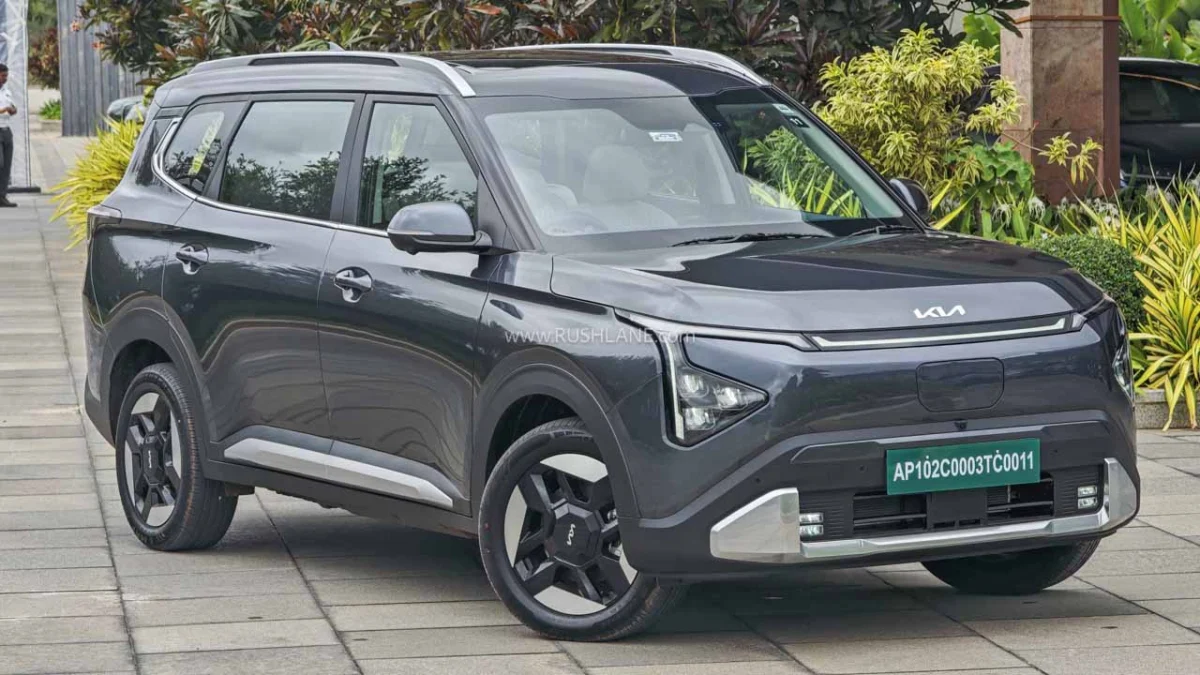
In a strategic move designed to dismantle the final barriers to electric vehicle (EV) adoption in the Indian subcontinent, Kia India has announced a groundbreaking "Lifetime High Voltage Battery Warranty" for its latest offering, the Carens Clavis EV. This industry-leading initiative offers a staggering 15 years of unlimited mileage coverage for the high-voltage battery, effectively addressing the "battery anxiety" that has long plagued prospective EV buyers regarding long-term reliability and resale value.
The announcement comes at a pivotal moment for the Indian automotive industry, which is currently witnessing a transition toward sustainable mobility. By extending battery protection far beyond the industry standard, Kia is not just selling a car; it is selling a decade-and-a-half of peace of mind.
Main Facts: A Comprehensive Look at the New Warranty Program
The "Lifetime High Voltage Battery Warranty" is a multi-faceted program tailored to the specific needs of the private car owner. The core of the announcement revolves around the extension of coverage to 15 years with no cap on the number of kilometers driven. This is a significant departure from the standard 8-year or 160,000-km warranties offered by most competitors in the Indian market, such as Tata Motors and Mahindra.
Key Highlights of the Program:
- Duration: 15 years (marketed as "Lifetime").
- Mileage: Unlimited kilometers.
- Effective Date: Applicable to all Carens Clavis EV units retailed from August 1, 2026.
- Target Audience: Exclusively for the first private owner of the vehicle.
- Retroactive Eligibility: Existing owners of the Carens Clavis EV (purchased prior to August 1, 2026) can opt into the program for a nominal fee.
However, the "Lifetime" nomenclature comes with specific legal and operational caveats. The 15-year/unlimited km coverage is non-transferable in its full form. Should the original owner decide to sell the vehicle, the warranty for the second owner reverts to the standard 8-year or 1.60 lakh km (whichever comes first) from the original date of purchase. Furthermore, commercial operators—including fleet owners and taxi services—are excluded from the 15-year program to protect the manufacturer from the extreme wear and tear associated with high-intensity commercial usage.
Chronology: The Evolution of Kia’s EV Strategy in India
Kia India’s journey into the electric segment has been deliberate and focused on premium positioning. The introduction of this warranty is the latest chapter in a timeline defined by rapid infrastructure growth and product diversification.
- Entry with EV6: Kia entered the Indian EV space with the premium EV6 crossover, built on the E-GMP platform. This served as a technology demonstrator, showcasing ultra-fast charging and long-range capabilities.
- Market Expansion (2024-2025): Recognizing the need for mass-market penetration, Kia shifted focus toward localized EV production and more accessible segments. The Carens Clavis EV represents the culmination of this effort—a vehicle designed for the Indian family.
- The Launch of Carens Clavis EV: Positioned as a versatile family mover, the Clavis EV combined the utility of an MPV with the efficiency of an electric drivetrain.
- August 1, 2026: The official commencement date for the new lifetime warranty policy, marking a shift from "standard" service to "lifestyle" assurance.
- Future Outlook: Kia plans to continue expanding its "K-Charge" ecosystem and workshop readiness, aiming to have a fully integrated EV support network across Tier 1, Tier 2, and Tier 3 cities by 2027.
Supporting Data: Specifications, Pricing, and Ecosystem
The Carens Clavis EV is not a one-size-fits-all product. Kia has introduced multiple battery and trim configurations to cater to different budget levels and range requirements.
Battery and Performance
The vehicle is offered with two distinct battery pack options:
- 42 kWh Battery: Aimed at urban commuters, providing a balance between cost and range.
- 51.4 kWh Battery: Designated as the "ER" (Extended Range) variants, catering to those who frequently undertake inter-city travel.
Variant-Wise Pricing (Ex-Showroom)
The pricing structure reflects Kia’s intent to compete directly with mid-range internal combustion engine (ICE) SUVs and rival EVs:
- HTK Plus: Rs 18.04 Lakh
- HTX E: Rs 20.00 Lakh
- HTX: Rs 20.54 Lakh
- HTX E ER (Extended Range): Rs 22.04 Lakh
- HTX ER (Extended Range): Rs 22.54 Lakh
The "K-Charge" Ecosystem
To support these vehicles, Kia has invested heavily in infrastructure. The current "K-Charge" ecosystem includes:
- 20,300+ Charging Points: Accessible via the Kia proprietary app through partnerships with 23 charge-point operators (CPOs).
- 129 Dealership DC Fast Chargers: High-capacity chargers located at Kia touchpoints for rapid top-ups.
- 275+ EV-Ready Workshops: Specialized service centers equipped with the tools and trained technicians required to handle high-voltage systems.
Upgrade Path for Early Adopters
In a move to maintain customer loyalty, Kia is allowing owners who purchased the Clavis EV before August 1, 2026, to upgrade their warranty. By paying an administrative fee of Rs 3,400 (inclusive of taxes), these owners can transition from the 8-year/1.6L km plan to the 15-year/unlimited km plan. This is subject to a vehicle health evaluation at an authorized dealership to ensure the battery has not been tampered with or damaged.
Official Responses: Confidence in Technology
The leadership at Kia India views this warranty not as a marketing gimmick, but as a testament to the engineering durability of their battery packs.

Atul Sood, Senior Vice President of Sales & Marketing at Kia India, emphasized the customer-centric nature of the move. He stated:
“At Kia, our focus has always been on making electric mobility more accessible, dependable, and rewarding for our customers. The Lifetime High Voltage Battery Warranty for the Carens Clavis EV reflects our confidence in the quality and durability of our battery technology and strengthens the long-term value of owning a Kia EV.”
Sood further noted that the decision to include existing customers was a conscious effort to build a "long-term relationship" rather than just a transactional one. "By addressing one of the biggest considerations for EV buyers—the longevity of the battery—we’re giving our customers the confidence to embrace electric mobility with complete peace of mind."
Implications: How This Changes the Indian EV Landscape
The introduction of a 15-year/unlimited kilometer warranty has far-reaching implications for the automotive market, competitors, and the second-hand car economy.
1. Challenging the "Disposable" Perception
Many skeptics view EVs as "disposable" electronics because of the high cost of battery replacement (often 40-50% of the car’s value). By guaranteeing the battery for 15 years—which coincides with the typical registration lifecycle of a vehicle in many Indian states—Kia has effectively neutralized this argument. It positions the EV as a long-term asset rather than a depreciating gadget.
2. Impact on Resale Value
While the 15-year warranty is restricted to the first owner, its existence bolsters the perceived quality of the vehicle. A car that the manufacturer is willing to back for 15 years is likely to hold its value better in the used car market compared to one with a shorter, more restrictive warranty. The 8-year/1.6L km safety net for the second owner is still competitive, ensuring that the vehicle remains an attractive purchase even in the pre-owned segment.
3. Pressure on Competitors
Kia’s move puts significant pressure on market leaders like Tata Motors. Until now, the 8-year/1.6L km warranty was the industry benchmark. With Kia nearly doubling the time limit and removing the mileage cap, other OEMs (Original Equipment Manufacturers) may be forced to revise their warranty structures or risk losing market share to Kia’s "worry-free" proposition.
4. Synergy with Battery-as-a-Service (BaaS)
Kia is also promoting its BaaS model, which allows customers to pay for the battery as they use it, rather than paying for it upfront. When combined with a 15-year warranty, the BaaS model becomes even more attractive, as the user is guaranteed a functioning battery for the entire duration of their "subscription" or ownership period.
5. Environmental Impact
By encouraging owners to keep their EVs for 15 years, Kia is indirectly promoting a more sustainable consumption cycle. Longer vehicle lifespans reduce the carbon footprint associated with manufacturing new vehicles and allow more time for battery recycling technologies to mature.
Conclusion
Kia India’s Lifetime High Voltage Battery Warranty is a bold stake in the ground. By offering 15 years of unlimited coverage, the company is tackling the psychological and financial hurdles of EV ownership head-on. As the Carens Clavis EV rolls out onto Indian roads with this unprecedented backing, it sets a new standard for what consumers should expect from the electric era: not just a cleaner drive, but a more enduring one.
