

MADURAI — In the shadow of the towering, ornate gopurams of the Meenakshi Amman Temple, where the air is a thick tapestry of jasmine, incense, and the rhythmic chanting of devotees, lies a culinary landmark that has outlasted empires and survived the relentless march of modernization. The Aathi Kalathu Original Nei Mittai Kadai, a modest establishment marked by its signature red signboard near the historic Pudumandapam, stands as a living museum of Madurai’s gastronomic heritage. For over 130 years, this shop has remained a steadfast custodian of flavor, serving sweets and savories that offer more than just sustenance—they offer a portal into the city’s storied past.
Main Facts: A Bastion of Culinary Consistency
At a time when the retail landscape of India is being homogenized by international franchises and hyper-processed snacks, Aathi Kalathu Original Nei Mittai Kadai remains an anomaly. The shop’s name, which roughly translates to "The Original Ghee Sweet Shop of Ancient Times," is not merely a marketing slogan but a literal description of its operational philosophy.
Currently managed by S. Narasiman Sundaresan, the shop specializes in traditional South Indian confections, most notably its wheat halwa and its namesake nei mittai. Unlike contemporary sweet stalls that have pivoted toward becoming multi-purpose bakeries—selling everything from Black Forest cakes to aerated drinks—Narasiman’s establishment has refused to dilute its identity. The shelves here are not lined with colorful, preservative-laden pastries; instead, they hold trays of golden-hued halwas, crunchy murukkus, and spicy pottalams, all prepared using techniques that have remained largely unchanged since the late 19th century.
The shop’s enduring popularity is evidenced by the diverse crowd it attracts. From local temple priests and vegetable vendors to tourists and expatriates returning to their roots, the queue at the red board is a cross-section of Madurai society. The attraction is simple: a guarantee of purity and a taste that triggers "sensory memory"—a flavor profile that today’s adults recognize from their grandparents’ era.
Chronology: Four Generations of the Sweet Trade
The history of Aathi Kalathu is inextricably linked with the lineage of its founders. The story began in the late 1800s, during the height of the British Raj, when G. Muthuswamy Chettiar established a small storefront to sell traditional snacks to the pilgrims visiting the Meenakshi Amman Temple.
- The Foundation (Late 19th Century): G. Muthuswamy Chettiar identified a need for high-quality, ghee-based sweets that could withstand the tropical heat of Madurai. His commitment to using pure ingredients established the shop’s initial reputation.
- The Expansion (Early 20th Century): The business passed to his son, M. Rajamanickam, who navigated the shop through the tumultuous years of the Indian Independence movement. During this period, the shop became a local fixture, known for its consistency even during times of rationing and scarcity.
- The Modern Transition (1950s): In the 1950s, leadership transitioned to N. Sundaresan, a close relative and the father of the current owner. Sundaresan is credited with streamlining the production process while fiercely guarding the secret recipes inherited from the founders. It was during his tenure that the shop witnessed the peak of the neighboring vegetable market’s activity, cementing its role as a "breakfast companion" for the city’s workers.
- The Current Era (Present Day): S. Narasiman Sundaresan now carries the mantle. His tenure has been defined by a "resistance to change" in the best possible sense. While he has observed his competitors transform into modern bakeries, he has maintained the shop’s focus on its core heritage products.
Supporting Data: The Anatomy of a Legacy Menu
The longevity of Aathi Kalathu is built upon a foundation of specific, labor-intensive products. Each item on the menu is a result of a calculated process that begins long before the shop doors open at 9:00 AM.
The Wheat Halwa: A Masterclass in Texture
The shop’s wheat halwa is arguably its most famous offering. Unlike the rubbery, neon-orange versions found in commercial supermarkets, this halwa is a deep, translucent amber. The process begins with soaking premium wheat, which is then ground to extract the "milk." This extract is slow-cooked with generous quantities of pure ghee and sugar until it reaches a specific viscosity.
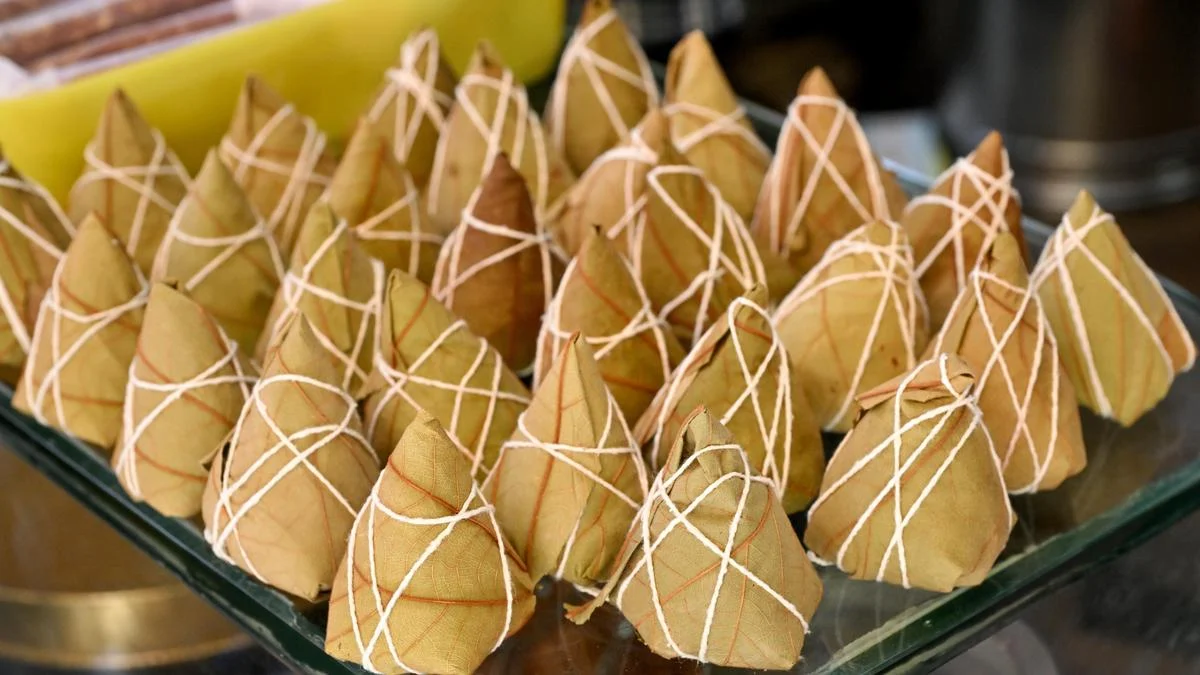
Served on a mantharai leaf—a traditional biodegradable leaf known for its subtle earthy aroma—the halwa is a sensory experience. It is glossy and soft, yet possesses a slight chewiness reminiscent of a fine chocolate ganache. The heat of the halwa releases the fragrance of the ghee, creating an olfactory lure that draws passersby from several meters away.
Thirattu Paal: The Delicate Alternative
For those who find wheat halwa too robust, the Thirattu Paal halwa offers a contrast. Made by reducing milk and sugar over a slow flame until it thickens into a grainy, semi-liquid consistency, it is exceptionally rich. Narasiman notes that this item is particularly popular among the younger generation, who appreciate its smooth, melt-in-the-mouth texture.
The Nei Mittai and the Rise of Jaggery
The shop’s namesake, nei mittai, is a candy-like confection made from crushed groundnuts, jaggery, and ghee. While it has always been a staple, Narasiman points out that its popularity has surged in the last six years. This trend mirrors a broader societal shift back toward traditional sweeteners like jaggery over refined sugar, as health-conscious consumers seek "cleaner" traditional snacks.
The Pottalam: A Historical Snack
Perhaps the most unique item is the pottalam, a spicy preparation of small onions and chillies. Its name is derived from its packaging—a small, cone-shaped parcel made of mantharai leaf. This snack serves as a savory counterpoint to the shop’s sweet offerings and carries deep historical significance.

Official Responses: Insights from S. Narasiman Sundaresan
In an era of aggressive expansion, Narasiman’s business philosophy is refreshingly conservative. "We have seen many old sweet shops change over the years," he observes. "Shops that once sold only traditional items have become bakeries. Now, you find cakes, bread, and cold drinks on every shelf. But we believe a sweet shop should remain a sweet shop."
Narasiman emphasizes that his refusal to add "modern" items is a choice, not a limitation. "We have not added new items just because they are popular now. Our customers come here for a specific taste, a taste they have known for decades. If I start selling ice cream and buns, I lose the focus on the quality of my halwa."
He also reflects on the changing geography of Madurai. In the 1980s, the shop was adjacent to a thriving vegetable market. "People would come from all over Madurai and neighboring towns at 4:00 or 5:00 AM," Narasiman recalls. "They would bring their own kanji (rice porridge) or curd rice from home and buy a spicy pottalam from us to eat with it. It was the perfect combination. The market has moved, but the tradition of the pottalam remains."
The daily routine at the shop remains rigorous. Work begins at 6:00 AM. "Everything is prepared fresh for the day," he says. "We don’t believe in stocking items for weeks. Whether it’s for a small child buying a single nei mittai or a family ordering in bulk for a baby shower or the upcoming Gokula Ashtami festival, the quality must be identical."
Implications: The Future of Heritage Brands in a Globalized Market
The story of Aathi Kalathu Original Nei Mittai Kadai carries significant implications for the future of India’s artisanal food sector. It serves as a case study in "Brand Authenticity." In the marketing world, authenticity is often a manufactured trait; here, it is an organic byproduct of 130 years of consistency.
1. The Preservation of "Slow Food":
The shop represents a rejection of the "Fast Food" culture. By utilizing labor-intensive processes—like extracting wheat milk or slow-reducing dairy—Aathi Kalathu preserves culinary techniques that are at risk of being lost to industrial automation.
2. Cultural Identity and Tourism:
For a city like Madurai, which relies heavily on religious and heritage tourism, establishments like Aathi Kalathu are essential. They provide an "experiential" layer to the visit. Tasting halwa on a mantharai leaf is as much a part of the Madurai experience as witnessing the evening aarti at the temple.
3. Economic Resilience of Niche Tradition:
The shop’s ability to thrive despite the proliferation of modern snacks suggests that there is a permanent market for high-quality traditional goods. It proves that small-scale, family-run businesses can compete with large corporations not by beating them at their own game, but by playing a different game entirely—one based on heritage, trust, and specialized flavor.
4. Environmental Sustainability:
Long before "eco-friendly" was a buzzword, Aathi Kalathu was using mantharai leaves for serving and packing. In a world struggling with plastic waste, the shop’s continued use of biodegradable packaging is a reminder that traditional methods were often more sustainable than their modern replacements.
Conclusion: The Unbroken Chain
As the sun sets over the East Avani Moola Street, the red board of Aathi Kalathu Original Nei Mittai Kadai glows under the streetlights. The sounds of the city have changed—the clip-clop of horse-drawn carriages has been replaced by the roar of motorcycles and the honking of autos—but inside the shop, the rhythm remains the same.
S. Narasiman Sundaresan continues to oversee the weighing of halwa and the folding of leaf parcels with the same meticulous care his father and grandfather did before him. In every bite of their ghee-soaked sweets, one finds the essence of Madurai: resilient, traditional, and undeniably sweet. For those seeking the "original" taste of a bygone era, the journey still ends at this small shop near the temple, where time, quite literally, melts in the mouth.
Logistics and Location:
- Address: East Avani Moola Street, Opposite the Nandhi Statue, Madurai, Tamil Nadu.
- Signature Items: Wheat Halwa, Thirattu Paal, Nei Mittai, Spicy Pottalam, Ginger Pakoda.
- Specialty: Freshly prepared in pure ghee; traditional leaf packaging.
- Contact: +91 94871 80422
