

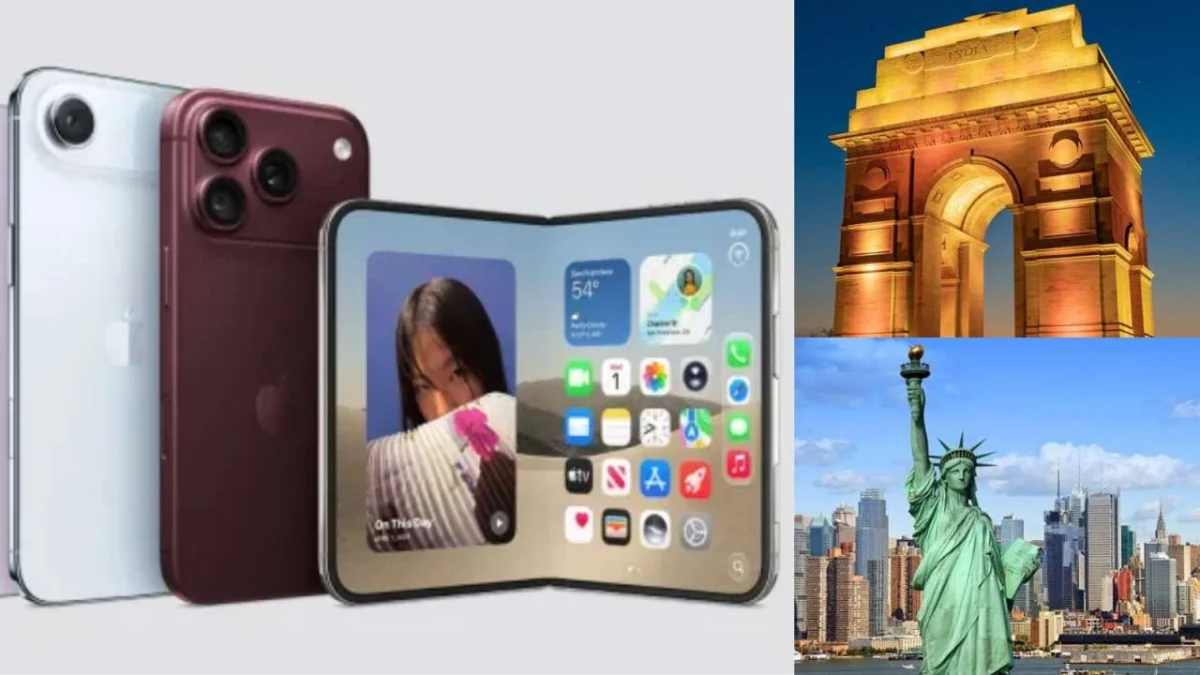
TECHNOLOGY | September 10, 2026 — As Apple unveils its latest technological marvels, the revolutionary foldable iPhone Duo and the highly anticipated iPhone 18 Pro and Pro Max series, the global tech community is abuzz with excitement. However, for consumers in India, the excitement often comes tempered with the stark reality of premium pricing. A new report by themobileindian.com highlights a significant disparity in pricing across international markets, revealing that while the allure of the new iPhones is universal, their cost is anything but, with the United States once again topping the list of countries where these coveted devices are considerably cheaper than in India.
The launch of the iPhone Duo, marking Apple’s audacious entry into the foldable smartphone segment, and the iterative yet powerful advancements in the iPhone 18 Pro series, represents a pivotal moment for the Cupertino giant. Yet, the question that inevitably follows any major Apple release for Indian buyers is: "Where can I get it for less?" This comprehensive analysis delves into the global pricing landscape, the innovative features of the new devices, the hidden costs of international purchases, and the broader implications for the Indian market.
The Stark Reality: India’s Premium Pricing Landscape
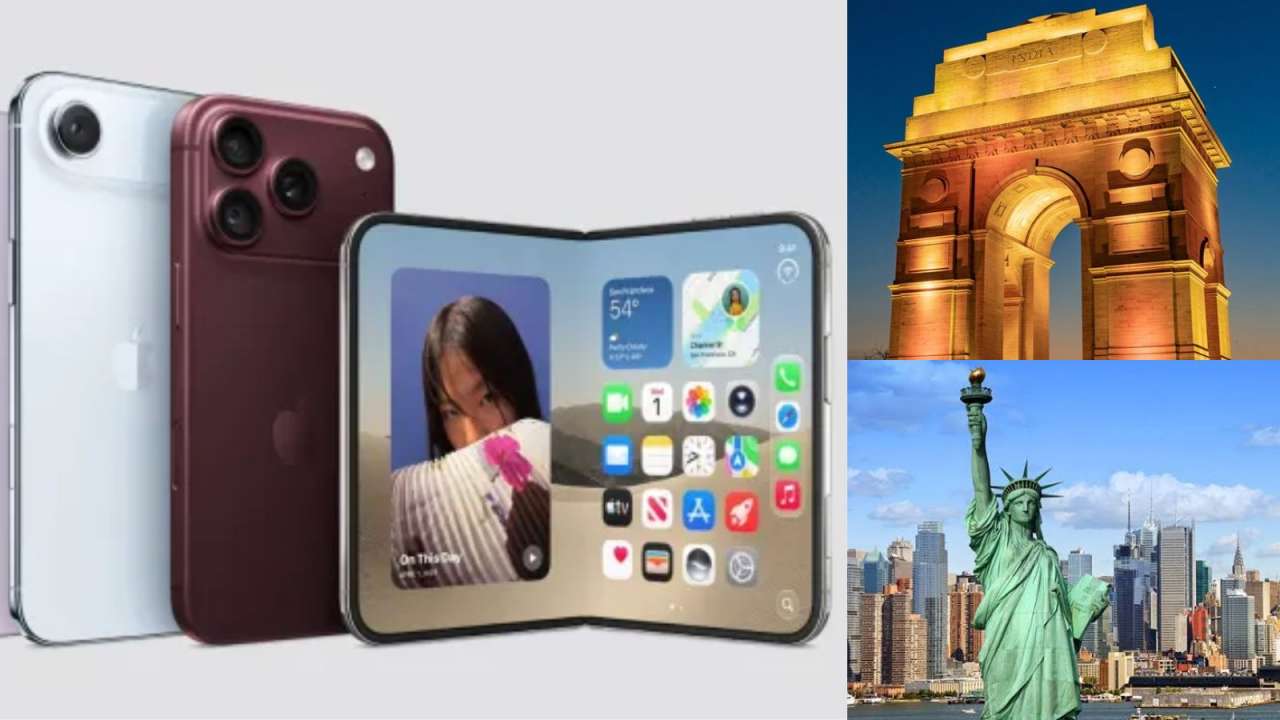
For Indian enthusiasts eagerly awaiting the new iPhone Duo, the initial sticker shock is substantial. The iPhone Duo, with its groundbreaking 256GB storage configuration, is set to debut in India at a staggering Rs 2,99,900. Similarly, the iPhone 18 Pro carries a price tag of Rs 1,64,900, while its larger sibling, the iPhone 18 Pro Max, is priced at Rs 1,79,900. These figures, even after factoring in currency conversion, stand significantly higher than prices in several other major global markets. The disparity is so pronounced that it often prompts consumers to explore international purchasing options, despite the inherent complexities and risks.
Chronology of Innovation and Market Anticipation
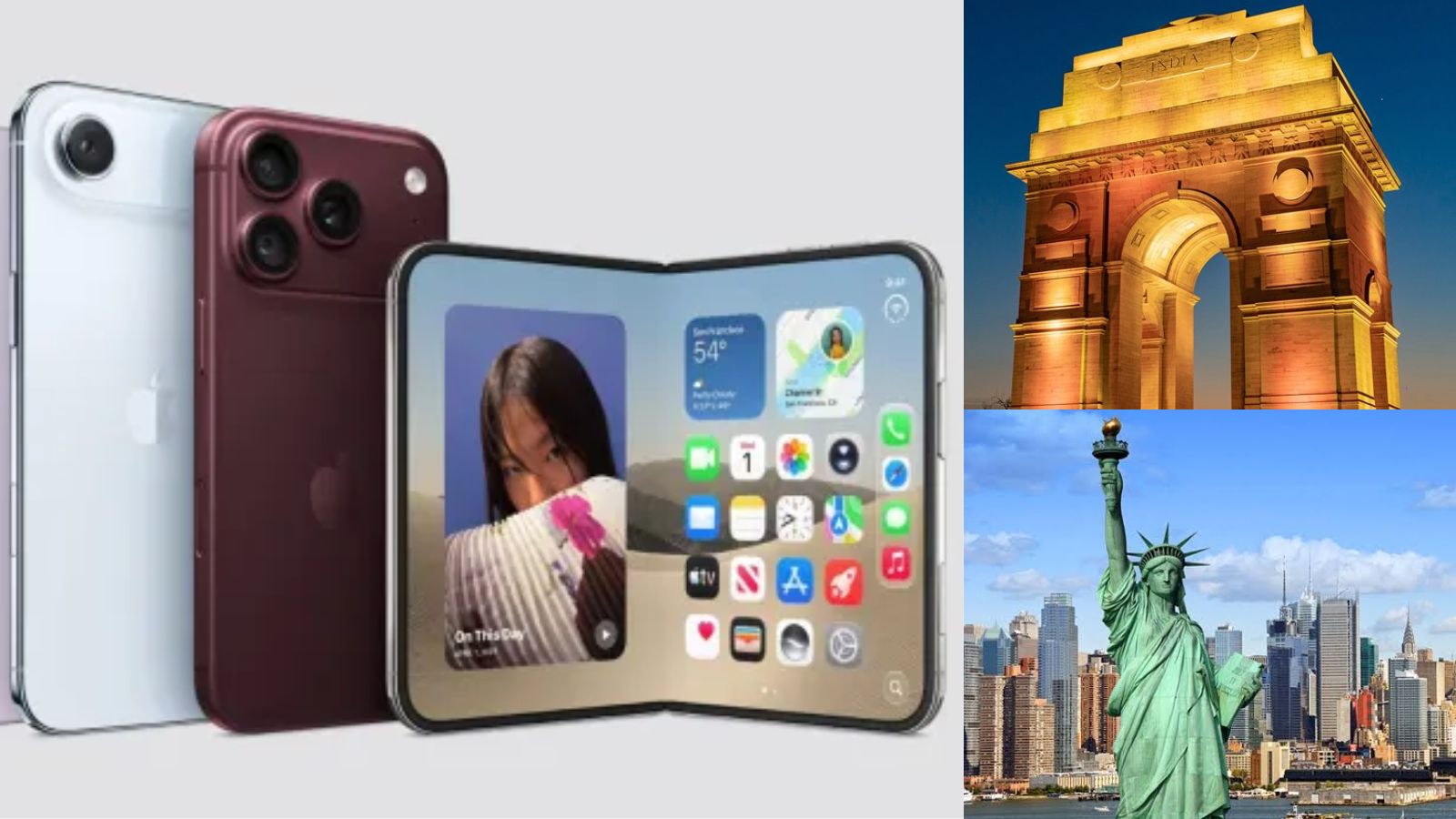
The journey to the launch of the iPhone Duo and the iPhone 18 Pro series has been one marked by intense speculation, leaks, and a steady stream of technological advancements from Apple.
)
Early 2020s: Rumours of an Apple foldable device began circulating, hinting at the company’s long-term interest in the form factor. Patents for foldable screen technologies and hinge designs emerged periodically, fueling anticipation.
2025-2026: As the foldable phone market matured with offerings from competitors, pressure mounted on Apple to introduce its own take. Whispers of an "iPhone Fold" or "iPhone Flip" grew louder, with analysts predicting a late 2026 or early 2027 launch. Concurrently, the annual refresh cycle for the standard iPhone lineup continued, with each generation pushing the boundaries of mobile photography, processing power, and display technology.

September 10, 2026 (Launch Event): The culmination of years of R&D and strategic planning. Apple CEO John Ternus, taking the stage, officially unveiled the "first-ever foldable iPhone Duo," alongside the iPhone 18 Pro and 18 Pro Max. Ternus’s statement, "I continue to be inspired every single day," underscored the revolutionary nature of the Duo and the continuous drive for innovation across the product line. The event showcased the devices’ cutting-edge features, from the Duo’s dual-display architecture to the A20 Pro chip’s unparalleled performance, setting a new benchmark for mobile technology. Immediately following the announcement, global pricing details began to emerge, quickly highlighting the significant cost differences for consumers worldwide.
Supporting Data: A Global Price Comparison
The themobileindian.com report clearly indicates that the US leads the pack as the cheapest country to purchase the new iPhones. While the original report did not provide specific price points for all countries, drawing from historical trends and market dynamics, we can illustrate the potential savings.
)
Illustrative Global Pricing (Approximate, based on September 10, 2026 exchange rates and typical market differentials):
For the purpose of this analysis, we assume a USD to INR exchange rate of approximately 1 USD = 83 INR, reflecting potential future currency movements. It’s crucial to note that US prices are typically listed without local sales tax, which varies by state (0% to over 10%).
)
| Country | iPhone Duo (256GB) (Approx. Local Price) | Equivalent INR (Approx.) | iPhone 18 Pro (Approx. Local Price) | Equivalent INR (Approx.) | iPhone 18 Pro Max (Approx. Local Price) | Equivalent INR (Approx.) | Potential Savings vs. India (Duo) |
|---|---|---|---|---|---|---|---|
| India | Rs 2,99,900 | Rs 2,99,900 | Rs 1,64,900 | Rs 1,64,900 | Rs 1,79,900 | Rs 1,79,900 | N/A |
| United States | ~$2,499 (before sales tax) | ~Rs 2,07,417 | ~$1,349 (before sales tax) | ~Rs 1,11,967 | ~$1,449 (before sales tax) | ~Rs 1,20,267 | ~Rs 92,483 |
| Canada | ~CAD 3,599 | ~Rs 2,19,400 | ~CAD 1,949 | ~Rs 1,18,600 | ~CAD 2,099 | ~Rs 1,27,700 | ~Rs 80,500 |
| Japan | ~JPY 369,800 | ~Rs 2,21,880 | ~JPY 199,800 | ~Rs 1,19,880 | ~JPY 214,800 | ~Rs 1,28,880 | ~Rs 78,020 |
| Hong Kong | ~HKD 21,999 | ~Rs 2,33,189 | ~HKD 11,899 | ~Rs 1,26,099 | ~HKD 12,799 | ~Rs 1,35,639 | ~Rs 66,711 |
| Australia | ~AUD 4,199 | ~Rs 2,36,340 | ~AUD 2,299 | ~Rs 1,29,390 | ~AUD 2,499 | ~Rs 1,40,640 | ~Rs 63,560 |
Note: The prices for countries other than India are illustrative estimates based on typical price differentials seen in previous iPhone generations, projecting into 2026. Actual prices may vary based on local taxes, tariffs, and Apple’s regional pricing strategies at the time of launch. Currency conversions are approximate and subject to daily fluctuations.
As evident from the table, purchasing the iPhone Duo in the US could potentially save an Indian consumer upwards of Rs 90,000 before considering sales tax, travel costs, and import duties. Other markets like Canada, Japan, Hong Kong, and Australia also offer significant savings compared to India, though they may not be in the absolute top five cheapest depending on the specific model and real-time exchange rates.
)
The Genesis of Disparity: Why iPhones Cost More in India
The reasons behind India’s higher iPhone prices are multifaceted and deeply rooted in economic policies, market dynamics, and operational costs.
- Import Duties and Taxes: India levies substantial import duties on electronic goods, particularly high-value items like premium smartphones. These duties are designed to protect local manufacturing and generate revenue but significantly inflate the final retail price for imported devices. In addition to import duties, India’s Goods and Services Tax (GST) is applied, further contributing to the cost.
- Currency Fluctuations: The Indian Rupee’s historical volatility against major currencies like the US Dollar can lead to higher pricing. Apple prices its products globally based on its internal cost structures and desired profit margins, and a weaker Rupee necessitates a higher INR price to maintain those margins.
- Logistics and Distribution Costs: While India is a rapidly growing market, the complexities of its vast geography and distribution network can add to operational costs, which are then passed on to consumers.
- Market Strategy and Premium Positioning: Apple strategically positions its products as premium offerings in India. The company often prices its devices to maintain a certain brand perception and profit margin, leveraging its strong brand loyalty even at higher price points.
- Lack of Local Manufacturing for High-End Models: While Apple has begun assembling some iPhone models in India, the latest, most advanced flagships like the Duo and new Pro series are typically imported initially. Full-scale, high-end manufacturing in India that could significantly reduce import duties takes time to establish.
Decoding the iPhone Duo: Features and Specifications
The iPhone Duo represents Apple’s ambitious leap into the foldable smartphone arena, designed to offer a blend of compact portability and expansive utility.
)
- Revolutionary Foldable Design: At its core, the Duo features a clamshell or book-style foldable design, allowing it to transform from a pocketable device into a tablet-like experience. The precision-engineered hinge mechanism promises durability and a seamless folding experience.
- Dual Super Retina XDR Displays:
- Inner Display: A stunning 7.6-inch Super Retina XDR display, offering an immersive canvas for multitasking, content consumption, and productivity. This display integrates Apple’s ProMotion technology, providing adaptive refresh rates up to 120Hz for incredibly fluid scrolling and responsiveness. The "Always On" feature ensures critical information is always visible without fully activating the screen.
- Outer Display: A convenient 5.4-inch Super Retina XDR display on the exterior, designed for quick glances at notifications, time, widgets, and even brief interactions without unfolding the device. Both displays boast exceptionally high brightness, ensuring excellent visibility even in direct sunlight.
- Unparalleled Durability: Constructed with an IP68-rated titanium frame, the iPhone Duo is designed to withstand submersion in water and resist dust ingress, a significant engineering feat for a foldable device. Titanium offers a premium feel while providing enhanced strength-to-weight ratio.
- Powerhouse Performance: At its heart lies the formidable 2nm A20 Pro chip. This next-generation silicon is expected to deliver unprecedented processing power and energy efficiency. The 2nm fabrication process allows for a greater density of transistors, translating to faster AI computations, superior graphics rendering, and seamless handling of demanding applications and augmented reality experiences.
- Extended Battery Life: Equipped with two strategically integrated batteries, the Duo promises an impressive endurance of up to 31 hours of video playback, a crucial metric for a device with dual high-resolution displays.
- Enhanced Security: In a notable shift, the iPhone Duo reintroduces and likely enhances Touch ID, integrating it into the power button or under the display, potentially replacing Face ID for a more versatile authentication method, especially when the device is folded or used in various orientations.
- Future-Forward Connectivity: Embracing a streamlined future, the Duo supports eSIM only, eliminating the physical SIM card tray. This move simplifies design, potentially improves water resistance, and offers greater flexibility for users to switch carriers digitally.
- Advanced Camera System: A sophisticated 48MP dual-camera configuration anchors the Duo’s photographic capabilities. This system is expected to feature advanced computational photography, enhanced low-light performance, next-generation sensor-shift optical image stabilization, and professional-grade video recording capabilities (e.g., ProRes 4K, Cinematic Mode improvements).
- Operating System: Running on iOS 27.1, the software is meticulously optimized for the foldable form factor, offering intuitive multitasking features, adaptive UIs for different screen states, and new functionalities leveraging the dual displays.
- Apple Pencil Support: The inclusion of Apple Pencil support unlocks a new realm of productivity and creativity for the Duo, allowing users to take notes, sketch, and precisely interact with the larger inner display, blurring the lines between iPhone and iPad.
The iPhone 18 Pro and 18 Pro Max: Refining Excellence
While the Duo captures headlines with its innovative form factor, the iPhone 18 Pro and 18 Pro Max continue to set the standard for conventional flagship smartphones. Building on Apple’s established Pro lineup, these models are expected to feature:
- Next-Generation A20 Bionic Chip: Likely a slightly less powerful variant than the A20 Pro in the Duo, but still offering industry-leading performance.
- Enhanced Camera Systems: Further refinements to the triple-camera array, including larger sensors, improved telephoto capabilities, and more advanced photographic algorithms.
- Brighter and More Efficient ProMotion Displays: Continuing to push the boundaries of display technology with even higher peak brightness and potentially more energy-efficient LTPO panels.
- Durability and Premium Materials: Maintaining the robust titanium frame and ceramic shield front cover for superior drop resistance.
- Improved Battery Life: Incremental gains in battery longevity through hardware and software optimizations.
- Software Enhancements: Fully leveraging iOS 27.1, with features tailored to their form factor and capabilities.
What to Keep in Mind: The True Cost of an International Purchase
While the upfront savings on an internationally purchased iPhone can be enticing, the decision is fraught with several potential pitfalls and hidden costs that savvy consumers must consider. The final cost is rarely just the converted price tag.
)
- Import Duty at Indian Customs: This is arguably the most significant hidden cost. When bringing a high-value item like an iPhone into India, customs duty can be levied. For devices exceeding a certain value (which all new iPhones do), the duty can be substantial, often ranging from 38.5% (including basic customs duty, social welfare surcharge, and GST) of the declared value. A USD 2,499 iPhone Duo could incur over Rs 70,000 in duties, significantly eroding the initial savings. Under-declaration or attempting to evade duty can lead to confiscation and penalties.
- Travel Expenses: The cost of flying to a country where the iPhone is cheaper, such as the US, Japan, or the UAE, can easily negate any savings. Airfare, accommodation, visa fees (if applicable), and local transportation can add thousands, if not tens of thousands, of rupees to the overall expense. For many, a dedicated "iPhone trip" is economically viable only if combined with existing travel plans or if multiple devices are purchased (though this increases duty risks).
- Credit Card Conversion Fees: When purchasing in a foreign currency, your credit card issuer will typically charge a foreign transaction fee, usually between 2% and 3% of the transaction value. This might seem small but adds up on a high-value purchase.
- Apple’s International Warranty Limitations: This is a critical factor. Apple’s warranty policy can be complex for internationally purchased devices. While some basic international warranty coverage exists, it is often limited. Specifically, for iPhones, Apple’s warranty is often region-locked, meaning a device purchased in the US might not be fully serviceable under warranty in India, or vice versa. Issues requiring hardware replacement might be particularly problematic, as service centres in India may not stock parts for models designated for other regions. This could leave consumers facing costly out-of-warranty repairs.
- US Sales Tax: A common misconception is that US prices are the final prices. US prices are almost always listed before sales tax, which is added at the point of sale and varies significantly by state (e.g., Oregon has 0% sales tax, while California has 7.25% state tax plus local taxes, reaching over 10% in some areas). This can add hundreds of dollars to the purchase price.
- Exchange Rate Fluctuations: The prices cited in this report are based on a specific exchange rate on September 10, 2026. Currency markets are volatile, and daily fluctuations can impact the final INR equivalent, potentially increasing or decreasing the actual cost.
- Time and Effort: The time spent researching, traveling, and potentially dealing with customs or warranty issues also represents a non-monetary cost that should be factored in.
Official Responses and Market Implications
Apple, as a multinational corporation, rarely issues specific "official responses" to questions about regional price disparities. Instead, the company typically points to a confluence of factors, including:
- Local Market Conditions: Economic factors, competitive landscape, and consumer purchasing power in each region.
- Taxes and Tariffs: The direct impact of import duties, VAT, GST, and other local taxes.
- Logistics and Operational Costs: Varying costs associated with distribution, marketing, and retail operations in different countries.
- Currency Exchange Rates: The necessity to adjust prices to account for currency strength and stability.
However, the persistent price gap has significant implications:
)
- Impact on Indian Consumers: It creates a dilemma for Indian consumers, forcing them to weigh the benefits of official local purchases (full warranty, easier service, local payment options) against potential international savings.
- Growth of the Grey Market: The substantial price differences often fuel a grey market, where devices are imported unofficially. While these might offer cheaper prices, they come with significant risks, including no official warranty, potentially tampered devices, and no guarantee of authenticity.
- "iPhone Tourism": The phenomenon of individuals or small groups traveling specifically to purchase iPhones (and other electronics) in cheaper markets, often combining it with leisure travel.
- Call for Policy Review: The ongoing disparity implicitly highlights the impact of India’s import duties on high-end electronics, prompting calls from some quarters for policy adjustments to make technology more accessible, or conversely, to further incentivize local manufacturing.
Conclusion: A Calculated Decision for the Discerning Buyer
The launch of the iPhone Duo and the iPhone 18 Pro series marks a new era for Apple, bringing forth cutting-edge technology and design. For Indian consumers, the allure of these devices is undeniable, but the journey to ownership is often complicated by a premium price tag. While countries like the United States offer significantly lower base prices, the dream of a cheaper iPhone requires a careful calculation of all associated costs – from import duties and travel expenses to credit card fees and the critical issue of international warranty.
The themobileindian.com report serves as a timely reminder that what appears to be a substantial saving on paper can quickly diminish when all variables are considered. For the discerning buyer, a thorough cost-benefit analysis is paramount. While the prospect of owning the latest Apple innovation at a lower price point is tempting, understanding the full spectrum of financial and logistical challenges is crucial to avoid turning a potential saving into an unforeseen burden. Ultimately, whether to purchase locally or venture abroad remains a personal decision, but one that must be made with eyes wide open to the complex realities of global commerce and consumer technology.
