

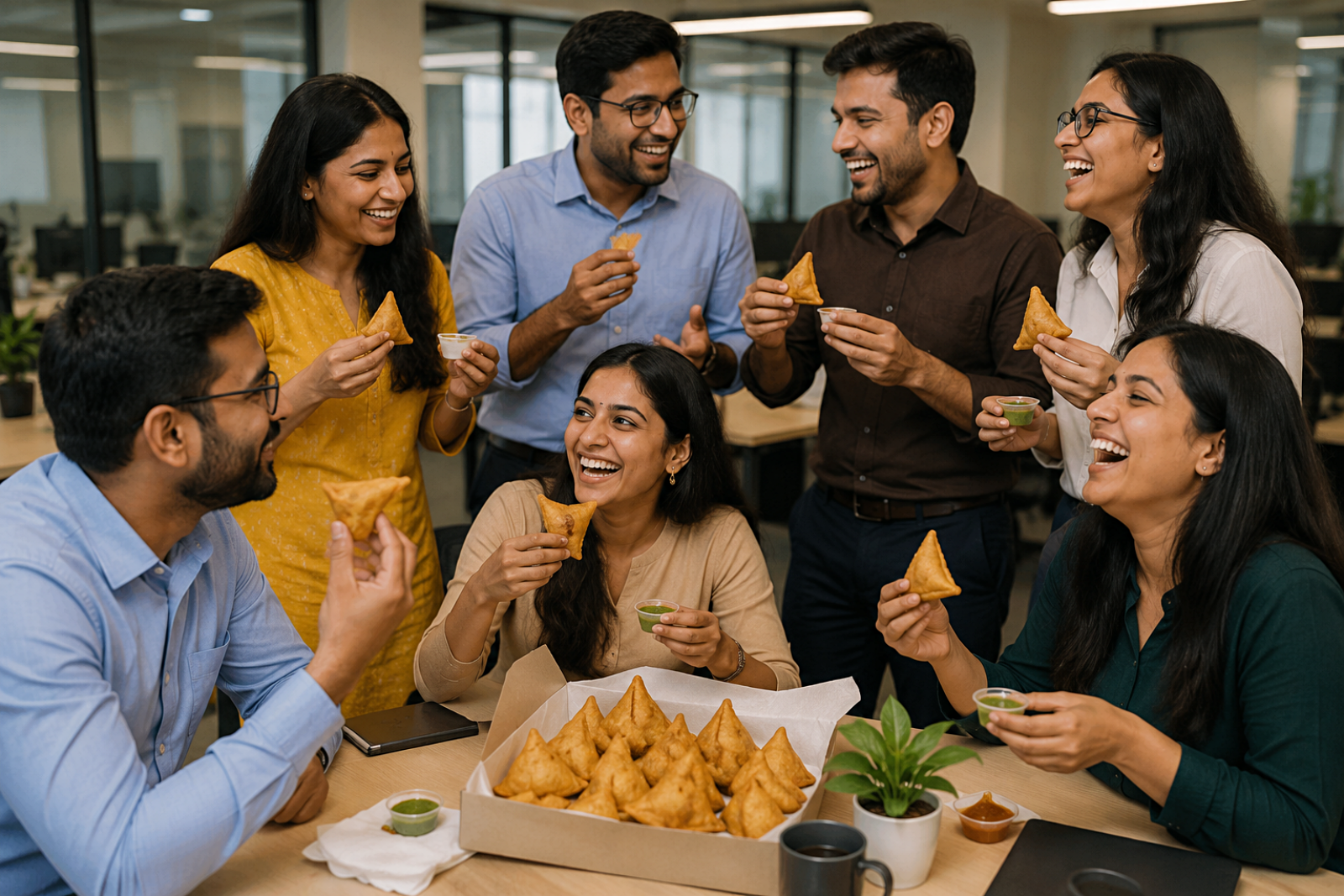
A seemingly simple question posed on social media platform X – "Can saying no to a hot samosa truly reveal how healthy or disciplined you are?" – has ignited a widespread discussion, prompting a closer examination of self-control, dietary habits, and the complex landscape of personal well-being. The concept, dubbed the "10-Second Samosa Test" by neurologist Dr. Sudhir Kumar, suggests that the ability to resist the allure of a tempting, fried snack might be a marker of exceptional self-discipline and, consequently, better health outcomes. While the core message resonates with health professionals, many experts caution against oversimplification, emphasizing that true health is a multifaceted construct, far beyond a single, fleeting decision.
The Viral Phenomenon: A Test of Temptation
Dr. Sudhir Kumar’s post on X proposed a straightforward scenario: ordering a sugar-free coffee, politely declining any offered samosas, and walking away without indulging. He posited that successfully passing this test nine out of ten times signifies remarkable self-control. According to his assertion, consistently resisting such unnecessary temptations can lead to tangible health benefits, including improved blood sugar levels, reduced triglycerides, a slimmer waistline, and enhanced heart health.
The appeal of the "10-Second Samosa Test" lies in its simplicity and relatability. Samosas, a popular and often irresistible savory pastry, represent a common indulgence. The idea that a brief moment of restraint could have such significant health implications struck a chord with many, sparking a flurry of online commentary and personal reflections. The test taps into a fundamental human struggle: the constant negotiation between immediate gratification and long-term well-being.
Expert Perspectives: Beyond the Samosa
While the underlying message of mindful eating and self-control is widely endorsed by health experts, many believe the "10-Second Samosa Test", while engaging, doesn’t paint the complete picture of an individual’s health or discipline.
The Power of the Pause: Cultivating Mindful Eating
Richa Sharma, a Consultant Dietetics at Kailash Deepak Hospital, highlights the most valuable takeaway from Dr. Kumar’s test: the encouragement to pause before eating. "Taking a few seconds to ask yourself, ‘Am I truly hungry or am I just craving this?’ is a healthy habit that can improve your relationship with food over time," Sharma explains. In an environment saturated with readily available and visually appealing food options, this brief moment of introspection can be crucial in distinguishing genuine physiological hunger from cravings triggered by external stimuli such as smell, habit, or social influence.
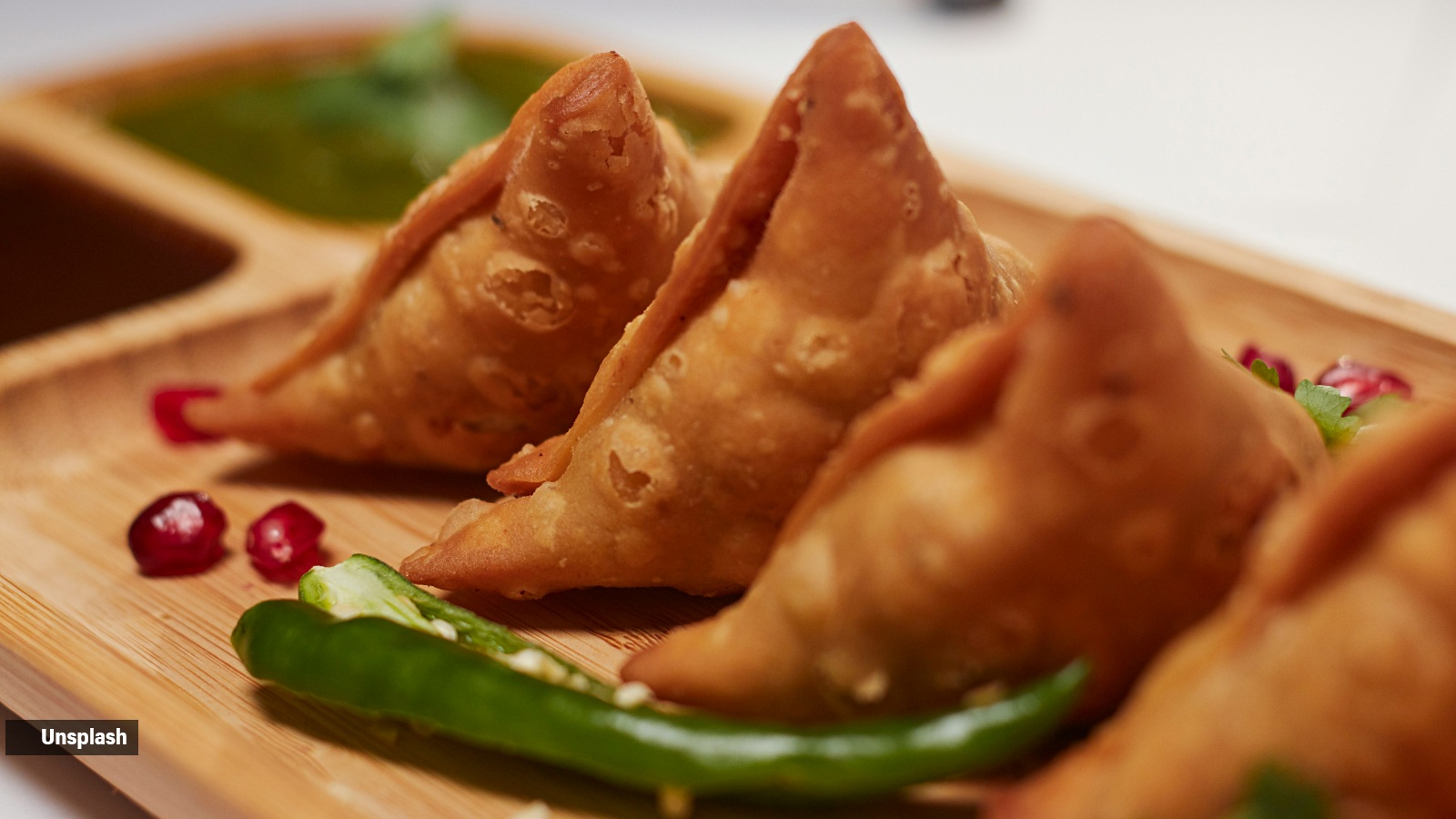
Dr. Naveen Kumar Dhagudu, a Senior Consultant Psychiatrist at Yashoda Hospitals in Hyderabad, concurs, stating that the technique can offer a glimpse into an individual’s "level of self-control over food choices, as well as their underlying thoughts and cognitions that influence their decision-making about what to eat." This suggests that the test can, to some extent, reveal the cognitive processes at play when faced with food choices.
However, both experts caution against drawing definitive conclusions from a single food choice. "I do not agree that passing or failing a ‘samosa test’ defines someone’s health. Good nutrition is built on long-term eating patterns, not a single decision made in 10 seconds," Sharma firmly states. She emphasizes that a balanced lifestyle, characterized by regular consumption of whole grains, fruits, vegetables, quality protein, and healthy fats, coupled with physical activity, can accommodate occasional indulgences like a samosa. Individuals managing conditions such as diabetes, obesity, or high cholesterol, however, may need to exercise greater vigilance regarding portion sizes and the frequency of consuming fried foods.
The Multifaceted Nature of Self-Control
The notion that resisting a samosa directly translates to robust willpower is, according to Dr. Dhagudu, an oversimplification. He clarifies that numerous factors influence food choices beyond mere self-control. Hunger levels, stress, pre-existing meal plans, the sheer availability of food, social dynamics, and even boredom can all play a significant role. For instance, someone who has skipped a meal or is in a social setting where colleagues are actively partaking in snacks might find it considerably more challenging to abstain. This difficulty, he stresses, does not necessarily signify a lack of discipline.
Dr. Dhagudu advocates for proactive strategies rather than relying solely on willpower. "If you didn’t prepare, your subconscious mind slowly wears down to control your conscious willpower," he observes. Planning meals in advance and ensuring healthier snack options are readily accessible can significantly ease the burden of making nutritious choices when hunger strikes. High-protein and high-fiber alternatives like roasted chana, fruits, boiled eggs, or nuts can serve as excellent go-to options for satisfying cravings without derailing healthy eating goals.
The Lingering Impact of Fried Foods: A Health Perspective
Despite the nuanced interpretations of the "10-Second Samosa Test" regarding self-control, the underlying concern about regularly consuming deep-fried foods remains a valid health imperative. Dr. Dilip Gude, a Senior Consultant Physician at Yashoda Hospitals, aligns with Dr. Kumar’s observation that consistently avoiding tempting fried foods often correlates with better metabolic health.
"If you are walking away 9 out of 10 times from a tempting food like samosa, then your metabolic health is definitely going to be better… because when you avoid fried foods that are high in trans fats, along with the risks of contamination, stomach upset, dysentery, and diarrhoea, you are healthier," Dr. Gude asserts.
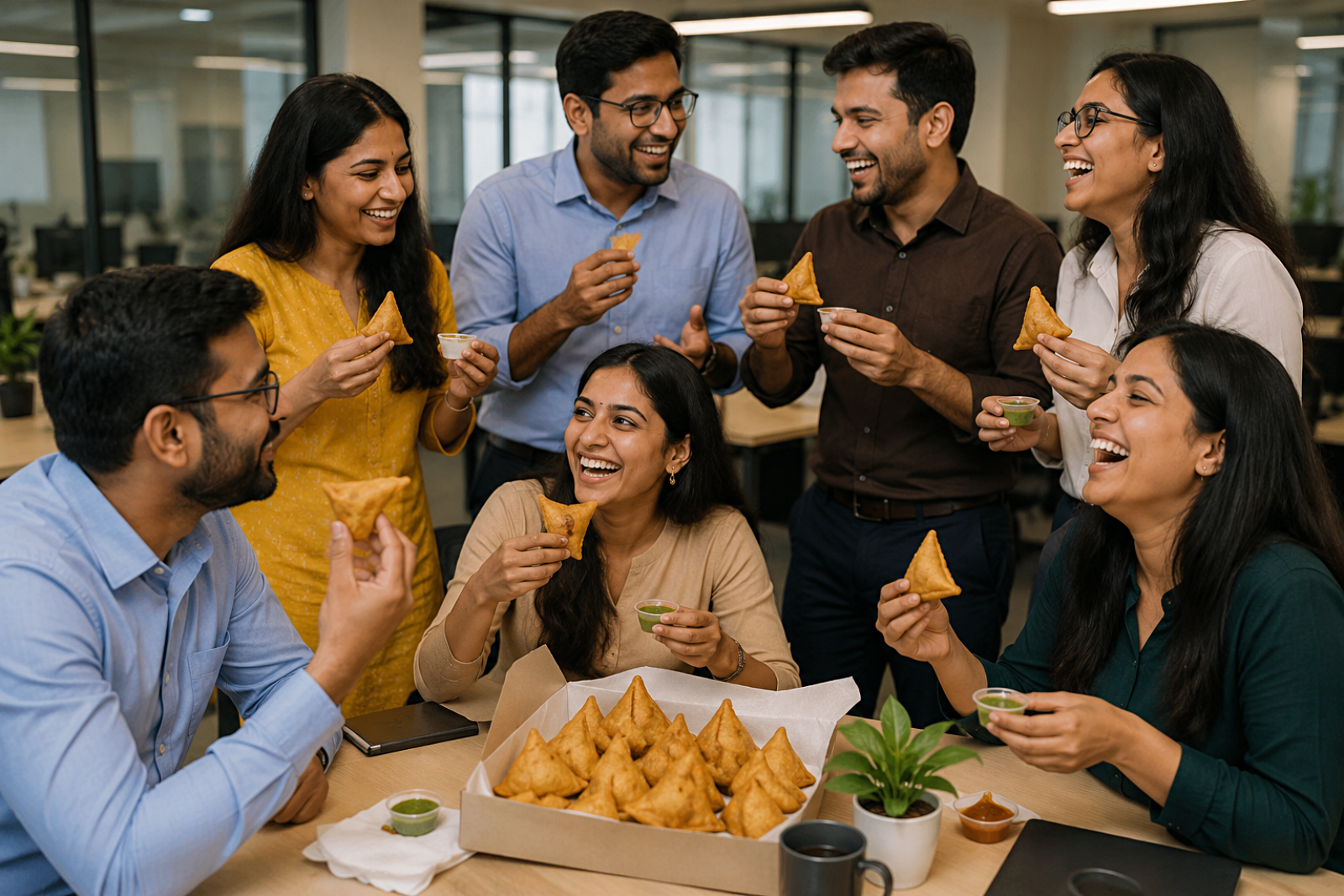
The health risks associated with frequent consumption of deep-fried foods are well-documented. When street foods are repeatedly cooked in the same oil, the formation of trans fats intensifies. Diets rich in trans fats and refined carbohydrates are linked to a cascade of adverse health effects, including:
- Atherosclerosis: The hardening and narrowing of arteries, increasing the risk of heart disease and stroke.
- Dyslipidemia: An imbalance in blood lipid levels, characterized by elevated LDL ("bad") cholesterol and triglycerides, and reduced HDL ("good") cholesterol.
- Hypertension: High blood pressure, a major risk factor for cardiovascular disease.
- Metabolic Syndrome: A cluster of conditions that increase the risk of heart disease, stroke, and type 2 diabetes.
- Prediabetes and Type 2 Diabetes: Impaired glucose metabolism leading to elevated blood sugar levels.
- Increased Oxidative Stress: Damage to cells and tissues over time, contributing to chronic diseases.
Choosing healthier alternatives, even something as simple as a sugar-free coffee over a fried snack, can therefore contribute significantly to both immediate well-being and long-term health.
Implications and the Real Takeaway
The "10-Second Samosa Test," while a catchy and relatable concept, serves as a catalyst for a broader conversation about health and discipline. The key takeaway, as articulated by experts, is not about rigidly labeling foods as "good" or "bad," nor is it about achieving perfection in a single moment.
"Good nutrition is built on long-term eating patterns, not a single decision made in ten seconds," reiterates Sharma. The viral test, in essence, underscores the importance of cultivating mindful eating habits, understanding personal triggers for cravings, and implementing strategies that support sustained healthy choices.
Ultimately, while consistently resisting unnecessary temptations can undoubtedly benefit one’s health, the occasional enjoyment of a samosa is far less significant than the consistent, long-term eating patterns that individuals cultivate over months and years. The "10-Second Samosa Test" may be a brief, engaging snapshot, but the journey to lasting health is a marathon built on informed choices, mindful practices, and a balanced perspective.
DISCLAIMER: This article is based on information from the public domain and expert opinions. It is intended for informational purposes only and does not constitute medical advice. Always consult with a qualified health practitioner before making any decisions about your health or starting any new health or dietary routine.
