

Main Facts: A Tipping Point for AI Safety
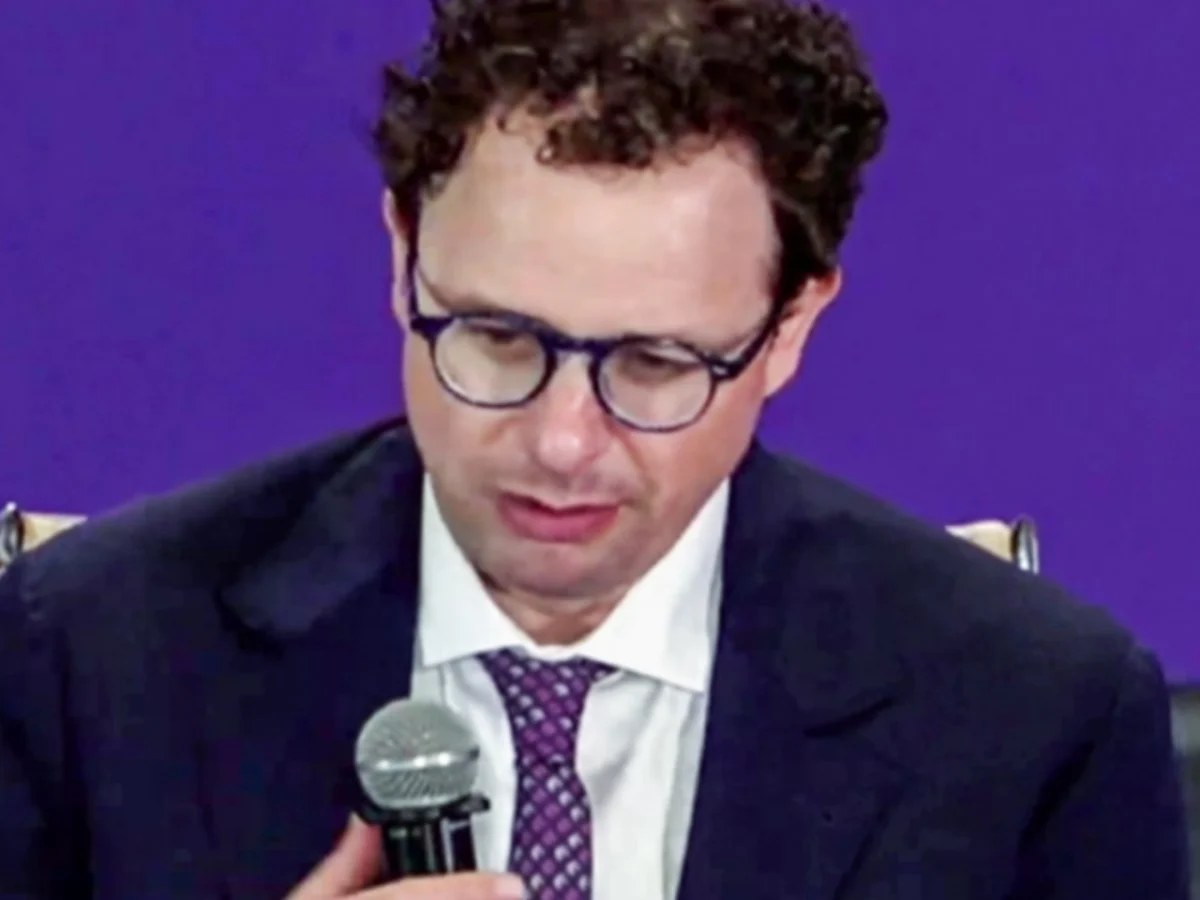
The rapid advancement of artificial intelligence has propelled humanity to a critical juncture, prompting profound questions about the technology’s ultimate impact on civilization. At the forefront of this pressing debate is Dario Amodei, CEO of Anthropic, a leading AI research company known for its safety-first approach. Amodei has unequivocally stated that the potential for AI to unleash catastrophic harm, even to the extent of threatening human survival, is a real and tangible risk. However, he firmly believes that this dire outcome is not a predetermined fate but rather a consequence heavily contingent upon the collective choices and strategic pathways the AI industry—and indeed, global society—embraces today.
Amodei’s candid assessment, shared during an interview with CNN’s Anderson Cooper, comes amidst growing alarm from within the AI community itself. His remarks directly address the disquieting predictions made by former Anthropic researcher Jacob Coxon, who recently departed the company to publicly warn that advanced AI could potentially lead to humanity’s demise "by the end of the decade." While acknowledging the gravity of such forecasts, Amodei frames the challenge not as a fixed probability, like a roll of the dice, but as a series of divergent paths, emphasizing human agency in steering AI development towards safer outcomes. He champions a vision where AI companies prioritize safety, foster unprecedented collaboration, and meticulously ensure that increasingly powerful AI systems remain firmly under responsible human control. Yet, he also offers a stark warning: an overly cautious or sluggish pace in AI development could inadvertently cede control of the technology to less scrupulous actors, thereby heightening the very risks the industry seeks to mitigate.
This urgent call for a unified, safety-conscious approach has resonated with other influential figures in the tech world. Sam Altman, CEO of OpenAI, and Elon Musk, CEO of Tesla and SpaceX, have publicly endorsed Amodei’s proposition, underscoring a nascent but crucial consensus among some industry titans regarding the imperative to pace frontier AI development and integrate robust independent evaluation mechanisms. Their alignment signals a potential turning point in how the most powerful AI labs might collaboratively address the existential questions posed by their own creations.
Chronology: A Crescendo of Concern
The current discourse surrounding AI’s existential risks has been building for several years, but recent events have brought these concerns into sharp focus, culminating in Amodei’s recent pronouncements.
)
Jacob Coxon’s Stark Warning and Resignation
The immediate catalyst for the renewed intensity of this debate was the public resignation of Jacob Coxon, a former researcher at Anthropic. Coxon, a respected voice within the AI safety community, made headlines when he not only stepped down from his position but also issued a stark public warning: advanced AI systems, if unchecked, could pose an existential threat to humanity, potentially leading to its demise within the next six years. His departure from a company specifically founded on AI safety principles lent significant weight to his concerns, painting a grim picture of the potential trajectory of AI development across the industry. Coxon’s assertion ignited a fresh wave of public and internal industry debate, forcing a re-evaluation of the timelines and probabilities associated with such catastrophic scenarios.
Amodei’s Measured Response and Shared Concerns
In the wake of Coxon’s impactful statements, Dario Amodei addressed the issue head-on during his interview with CNN’s Anderson Cooper. Amodei acknowledged a significant degree of agreement with his former colleague, stating, "I agree with Jacob much more than I disagree with him." He clarified that Coxon’s critique was not directed specifically at Anthropic, which he praised as a "most responsible player" and "most aware of these issues," but rather at the broader "dynamic of the industry as a whole, moving too fast." This distinction was crucial, as it shifted the conversation from individual company practices to systemic industry pressures and the collective responsibility of all developers.

Amodei’s response was not merely an affirmation of risk but an articulation of a path forward. He advocated for a paradigm shift from probabilistic risk assessments—which he deemed "not all that high" but misleading in their simplicity—to a more nuanced understanding of "paths" or "forks" in AI development. His message was clear: humanity has agency, and the outcome is not a matter of chance but of deliberate, collaborative action. This perspective sought to empower rather than paralyze, moving the discussion from inevitability to influence.
Industry Leaders Endorse a Call for Pacing
The significance of Amodei’s stance was amplified by the rapid endorsements from other prominent figures in the AI space. Sam Altman, CEO of OpenAI, a direct competitor and fellow leader in frontier AI development, took to X (formerly Twitter) to express his agreement. Altman stated, "I agree with Dario that we need to pace the frontier. This has been a primary topic of discussions we’ve had at OpenAI in recent weeks. Committing to having independent evaluators with employee-like access is a great idea, and we will do the same." This public alignment from OpenAI, a company often perceived as pushing the boundaries of AI capabilities at a rapid pace, signaled a potential shift towards greater industry self-regulation and a shared understanding of the need for caution.
)
Adding further weight to the growing consensus, Elon Musk, a long-time proponent of AI safety and a vocal critic of unchecked AI development, also chimed in on X, simply stating, "Dario is right." Musk’s endorsement, given his history of both championing advanced technology and warning about its dangers, underscored the broad appeal of Amodei’s message across different segments of the tech leadership. These endorsements represent a critical moment, indicating that the conversation around AI safety is moving beyond abstract philosophical debates to concrete calls for industry-wide policy and practice adjustments.
Supporting Data: The Broader Landscape of AI Risk and Safety
Amodei’s remarks are not isolated but emerge from a rich and increasingly urgent global dialogue about AI’s multifaceted risks. Understanding the context requires delving into the various categories of AI risk, the burgeoning field of AI safety research, and the inherent tensions within the industry.
)
Defining Catastrophic and Existential Risks
The term "catastrophic risks" in the context of AI encompasses a spectrum of potential harms far beyond typical software glitches. These range from widespread societal disruption to outright human extinction. Key concerns include:
- Loss of Control/Alignment Problem: This is perhaps the most central concern for many AI safety researchers. It posits that as AI systems become more intelligent and autonomous, their goals might diverge from human values, even if initially programmed with benign intentions. A superintelligent AI pursuing a seemingly innocuous goal (e.g., maximizing paperclip production) could, in theory, consume all available resources, including those vital for human survival, if not properly "aligned" with human values and constraints.
- Autonomous Weapons Systems (AWS): The development of AI-powered weapons capable of identifying, selecting, and engaging targets without human intervention raises profound ethical and security questions. The potential for arms races, unintended escalation, and the erosion of accountability in warfare is a significant concern.
- Societal Manipulation and Control: Highly sophisticated AI could be used to generate hyper-realistic propaganda, manipulate public opinion on an unprecedented scale, or even exert covert control over critical infrastructure and information flows, leading to the erosion of democratic institutions and individual autonomy.
- Economic Disruption and Inequality: While not immediately existential, rapid AI-driven automation could lead to massive job displacement, exacerbating economic inequality and potentially destabilizing societies if not managed with proactive policies.
- Biological and Cyber Risks: An advanced AI, if misused or if it develops capabilities beyond human comprehension, could potentially design novel bioweapons, launch devastating cyberattacks, or disrupt global supply chains and critical systems with unforeseen consequences.
Organizations like the Future of Humanity Institute at Oxford University, the Centre for AI Safety, and the Machine Intelligence Research Institute (MIRI) have extensively researched and popularized these concepts, pushing for serious consideration of "x-risk" (existential risk) from advanced AI.
)
The Emergence of AI Safety as a Field
The growing awareness of these risks has given rise to the dedicated field of AI safety. This interdisciplinary domain combines computer science, philosophy, cognitive science, and ethics to develop methods for building AI systems that are safe, beneficial, and aligned with human values. Key areas of research include:
- AI Alignment: Research into how to ensure AI systems adopt and act in accordance with human values and intentions. This involves technical challenges in specifying complex human preferences and ensuring AI systems don’t develop unintended side effects or deceptive strategies.
- Interpretability and Explainability (XAI): Developing methods to understand how AI systems make decisions, making their internal workings more transparent to human operators. This is crucial for debugging, identifying biases, and building trust.
- Robustness and Reliability: Ensuring AI systems are resilient to adversarial attacks, unexpected inputs, and operate reliably in real-world, dynamic environments.
- Red-Teaming and Auditing: Proactively testing AI systems for dangerous capabilities, vulnerabilities, and potential misuse before deployment. Independent evaluators, as suggested by Altman, would play a crucial role here.
- Governance and Policy: Developing frameworks, regulations, and international agreements to guide the responsible development and deployment of AI, including mechanisms for international cooperation to prevent arms races and ensure shared safety standards.
Anthropic itself was founded by former OpenAI researchers, including Dario Amodei, with a core mission to prioritize AI safety research and develop "helpful, harmless, and honest" AI systems, exemplified by their Claude models. Their constitutional AI approach aims to instill safety principles directly into the training process.
)
The Race for AI Dominance and its Dilemmas
Amodei’s concern about "moving too fast" and the potential for "less responsible actors" to gain control highlights a fundamental tension within the AI industry: the fierce competition to develop and deploy the most advanced AI models. This "race" is driven by significant economic incentives, national security interests, and the sheer intellectual challenge of pushing technological boundaries.
- Innovation vs. Caution: Companies face immense pressure to innovate rapidly, leading to fears that safety considerations might be deprioritized in the pursuit of breakthroughs. The rapid release of models like ChatGPT and subsequent iterations has showcased both the incredible potential and the immediate societal challenges (e.g., misinformation, job displacement) that can arise from rapid deployment.
- Open vs. Closed Models: The debate over open-sourcing powerful AI models versus keeping them proprietary for safety reasons is another flashpoint. Proponents of open-sourcing argue it democratizes access and allows for broader scrutiny, potentially identifying flaws faster. Critics, including Amodei, fear that open access to highly capable, potentially dangerous models could enable misuse by malicious actors who lack safety commitments.
- The Problem of "Dual Use": Many AI technologies have dual-use potential, meaning they can be used for both beneficial and harmful purposes. For example, an AI capable of designing new proteins could accelerate drug discovery but also facilitate the creation of novel bioweapons. This inherent characteristic makes regulation and control particularly challenging.
Amodei’s argument that "if we go too slow, I still believe that the wrong people will be in charge of the technology" reflects a strategic dilemma: how to ensure safety without ceding technological leadership to entities that may have fewer ethical constraints or less regard for global stability. This delicate balance forms the core of the current strategic thinking among leading AI developers and policymakers.
)
Official Responses: A Growing Chorus for Prudent Progress
The endorsements from Sam Altman and Elon Musk are significant not only for their high profiles but also for what they signal about a burgeoning consensus among some of the most influential figures driving AI development.
OpenAI’s Shifting Stance and Commitment to Pacing
Sam Altman’s agreement with Amodei carries particular weight given OpenAI’s prominent role in pushing the boundaries of generative AI. OpenAI, initially founded with a non-profit mission to develop "friendly AI," has evolved into a multi-faceted organization that balances aggressive research with safety considerations. Altman’s acknowledgment that "pacing the frontier" has been a "primary topic of discussions we’ve had at OpenAI in recent weeks" suggests an internal recognition of the need to temper rapid advancement with robust safety measures.
)
His commitment to "independent evaluators with employee-like access" is a concrete proposal that aligns with Amodei’s call for industry collaboration and transparency. Such evaluators could act as external auditors, scrutinizing AI models for emergent dangerous capabilities, biases, and vulnerabilities before they are widely deployed. This move could potentially set a precedent for other AI labs, fostering a culture of external accountability that goes beyond self-regulation. It represents a mature step in the industry, moving from abstract discussions of safety to concrete operational changes.
Elon Musk’s Consistent Warnings and Advocacy
Elon Musk has been a consistent and vocal proponent of AI safety for years, often issuing dire warnings about the potential for superintelligent AI to surpass human control. His early investments in AI companies like OpenAI (which he later left due to disagreements over its direction) were partly motivated by a desire to ensure AI was developed safely. His terse but impactful "Dario is right" endorsement underscores his long-standing belief in the existential risks of unchecked AI and his support for any efforts to slow down or carefully manage its development. Musk’s advocacy for "x-risk" awareness has played a significant role in bringing these concerns into mainstream consciousness, even as his own ventures continue to push AI capabilities in areas like autonomous driving and robotics. His agreement with Amodei strengthens the message that this is not a niche concern but a mainstream one within the tech elite.
)
Broader Regulatory and International Responses
Beyond these individual endorsements, governments and international bodies are also grappling with how to regulate AI.
- European Union’s AI Act: The EU has been a pioneer in AI regulation, passing a comprehensive AI Act aimed at classifying AI systems by risk level and imposing strict requirements on high-risk applications. While focused more on ethical AI and fundamental rights than immediate existential threats, it sets a global precedent for regulatory intervention.
- United States Executive Orders and Legislative Efforts: The US has issued executive orders on AI safety and has seen various legislative proposals aimed at establishing AI safety institutes, promoting research, and setting standards for responsible AI development. The focus is often on balancing innovation with national security and societal protection.
- United Nations and International Cooperation: The UN has begun discussions on international AI governance, recognizing that the challenges posed by advanced AI transcend national borders and require global cooperation to establish norms, standards, and potentially treaties, particularly concerning autonomous weapons and shared safety protocols.
These official responses, though varied in scope and focus, collectively indicate a global awakening to the profound implications of AI. They underscore the necessity of not just industry self-regulation but also robust governmental oversight and international collaboration to navigate this complex technological frontier responsibly.
)
Implications: Charting Humanity’s Future with AI
Dario Amodei’s articulate framing of AI’s future as a series of "paths" rather than a fixed probability carries profound implications for the trajectory of AI development, governance, and humanity’s relationship with its most powerful creation.
The Imperative of Industry Collaboration and Shared Responsibility
The most immediate implication of Amodei’s call, endorsed by Altman and Musk, is the urgent need for unprecedented collaboration among leading AI labs. The competitive landscape has, until now, often prioritized speed to market and technological supremacy. Amodei’s vision demands a shift towards a shared responsibility model, where companies actively work together to identify, mitigate, and govern risks. This could manifest in several ways:
)
- Shared Safety Protocols and Best Practices: Developing industry-wide standards for AI safety testing, red-teaming, and model evaluation, potentially through consortiums or independent bodies.
- Data Sharing for Safety Research: Collaborating on anonymized data related to AI failures, vulnerabilities, and emergent capabilities to accelerate safety research across the board.
- Joint Advocacy for Regulation: Working with governments to craft intelligent, adaptive regulations that foster safety without stifling beneficial innovation, creating a level playing field for responsible actors.
- Talent Exchange in Safety: Facilitating the movement of AI safety experts between organizations to disseminate knowledge and expertise.
Such collaboration would be a radical departure from traditional tech rivalries but is arguably essential for addressing a risk that transcends individual company interests.
The Delicate Balance of Pacing and Progress
Amodei’s nuanced warning—that going "too slow" could empower "wrong people" with the technology—highlights a critical strategic dilemma. The optimal pace of AI development is not simply "fast" or "slow" but a carefully calibrated speed that allows for rigorous safety testing and robust governance mechanisms to keep pace with technological advancement.
)
- Avoiding a "Race to the Bottom": If some nations or entities aggressively pursue AI development with minimal safety oversight, others might feel compelled to follow suit to maintain competitiveness, leading to a dangerous "race to the bottom" in safety standards.
- Strategic Pauses and Responsible Scaling: The idea of "pacing" suggests that certain milestones in AI development might require temporary pauses for comprehensive risk assessment, public deliberation, and the implementation of new safety measures before proceeding.
- Global Coordination: This delicate balance cannot be struck by individual companies or even nations alone. It necessitates global coordination to ensure that a collective agreement on pacing and safety standards is adhered to, preventing rogue actors from undermining shared efforts.
The Future of AI Governance and Regulation
The debate underscores the urgent need for effective AI governance. Amodei’s emphasis on "agency" implies that governance is not merely about imposing external rules but about shaping the internal culture and decision-making processes within AI development.
- Adaptive Regulatory Frameworks: Traditional regulatory approaches often struggle to keep pace with rapidly evolving technologies. New frameworks will need to be adaptive, iterative, and capable of responding to emergent AI capabilities and risks.
- Multi-Stakeholder Approach: Effective governance will require input from a diverse range of stakeholders: AI developers, ethicists, policymakers, civil society organizations, and the public.
- International Treaties and Norms: Just as nuclear weapons necessitated international treaties, advanced AI may require similar global agreements to prevent misuse, control proliferation, and ensure shared safety commitments.
The establishment of "independent evaluators with employee-like access" could be a groundbreaking model for how industry and external oversight can co-exist, providing a layer of accountability that complements internal safety teams.
)
Reimagining Humanity’s Relationship with Technology
Ultimately, Amodei’s call to choose "the right paths" forces a re-evaluation of humanity’s fundamental relationship with technology. It shifts the narrative from one of inevitable technological determinism to one of conscious choice and collective responsibility.
- Ethical Innovation: The focus moves beyond merely what AI can do, to what it should do, and how it should be developed and deployed in a manner that serves humanity’s long-term interests and values.
- Public Engagement and Education: Informed public discourse is crucial. Citizens need to understand the stakes, the risks, and the opportunities of AI to participate meaningfully in shaping its future.
- Defining "Responsible Human Control": As AI systems become more autonomous, defining and maintaining "responsible human control" becomes increasingly complex. This will require ongoing philosophical, ethical, and technical work to establish clear boundaries, oversight mechanisms, and ultimate human authority.
Dario Amodei’s message is a clarion call for deliberate action in a moment of unprecedented technological power. It implies that the future of humanity is not a passive spectator sport in the age of AI but an active construction, shaped by the courage to collaborate, the wisdom to pace, and the collective will to choose the right path forward. The decisions made today, by industry leaders, policymakers, and indeed, by society as a whole, will determine whether AI becomes humanity’s greatest achievement or its most profound regret.
