

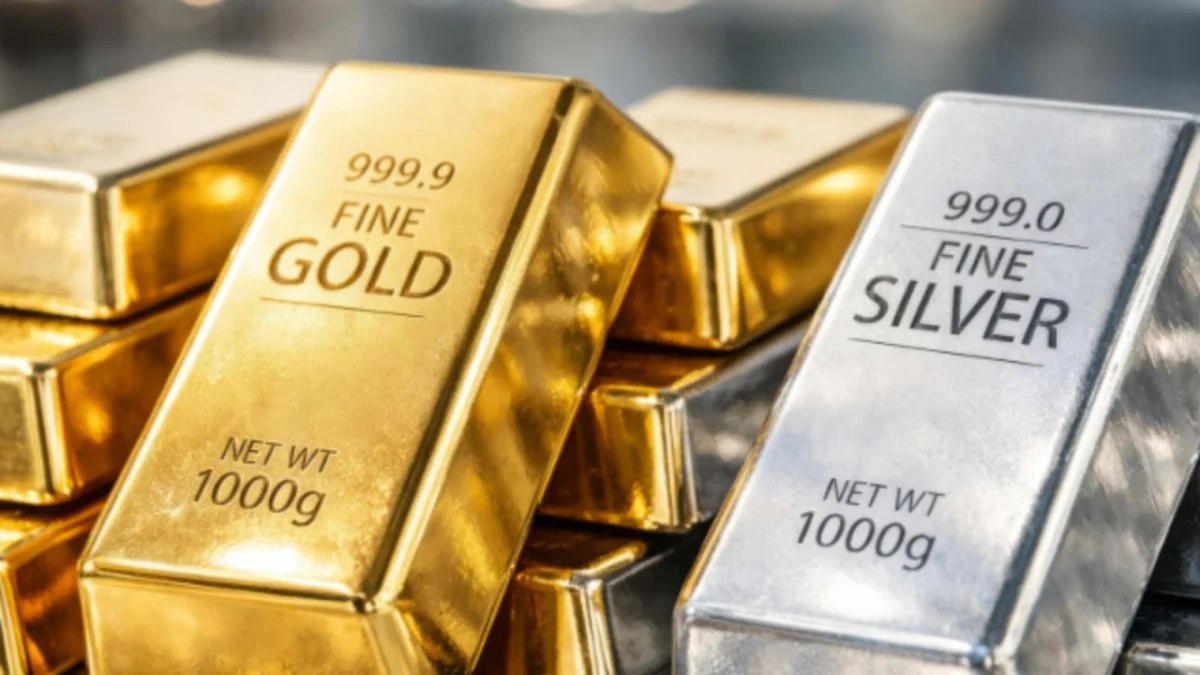
NEW DELHI, India – September 18, 2026 – India’s vibrant precious metals market is witnessing a subtle uptick in gold and silver prices today, September 18, 2026, as a complex interplay of global economic forces, domestic demand patterns, and fluctuating currency rates continues to dictate their trajectory. Investors and consumers alike are closely monitoring these movements, with gold maintaining its allure as a safe-haven asset amidst persistent inflationary pressures, and silver demonstrating its dual appeal as both an investment vehicle and an essential industrial commodity.
The benchmark 24-karat gold, revered for its purity (999 fine), is presently valued at Rs 15,283 per gram across major Indian cities, while the more commonly used 22-karat gold, preferred for intricate jewellery designs, stands at Rs 14,009 per gram. Silver, often seen as gold’s more volatile counterpart, is trading at approximately Rs 2,44,900 per kilogram for its 999 purity, with sterling silver (925 fine) fetching Rs 2,44,000 per kilogram. This slight upward movement reflects an underlying bullish sentiment driven by global market trends and a burgeoning domestic appetite for these traditional stores of value.
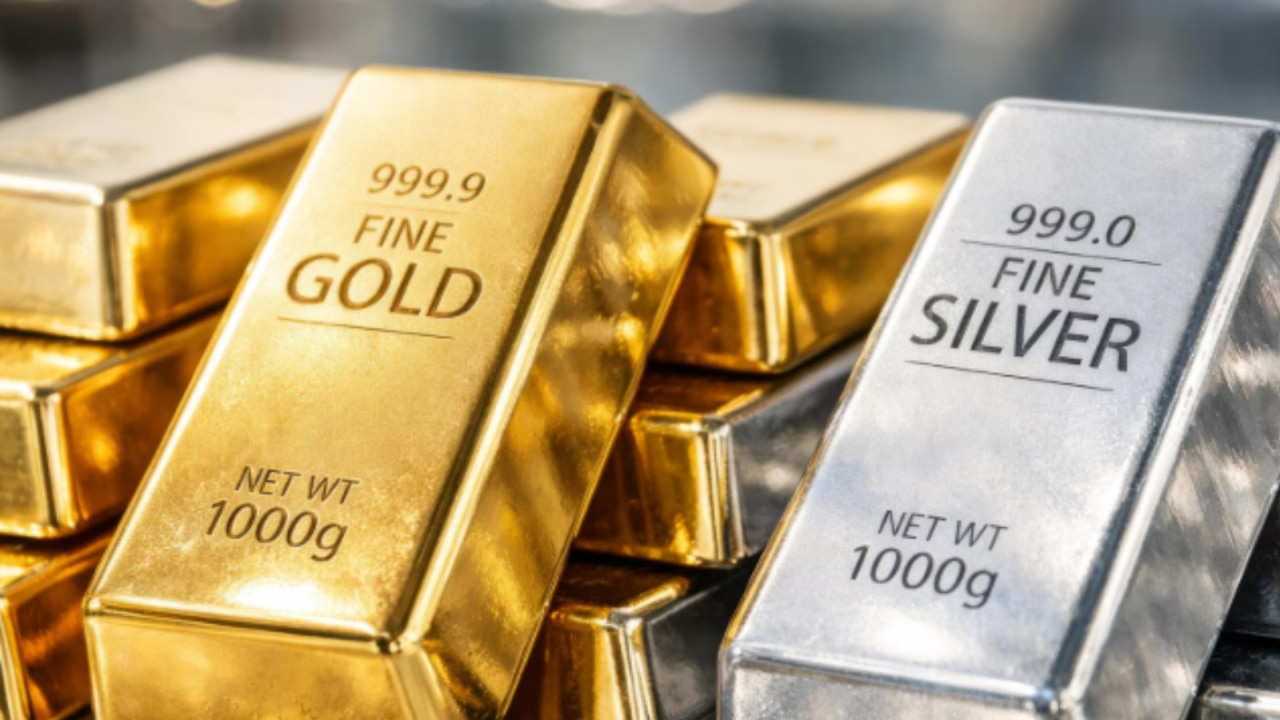
Main Facts: A Snapshot of Today’s Precious Metal Prices
As of Friday, September 18, 2026, the Indian precious metals market exhibits a nuanced picture:
-
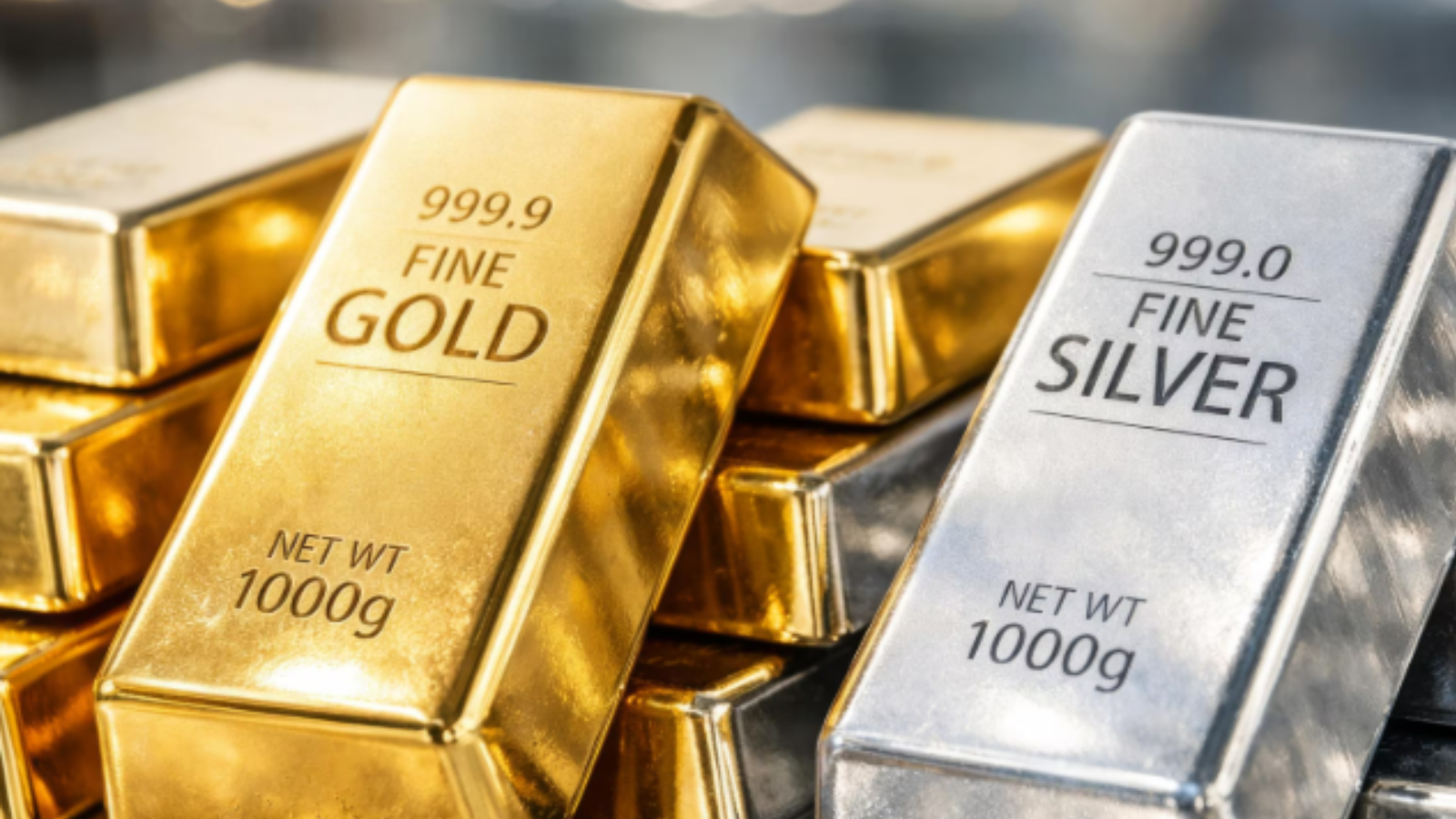
Gold Prices (24K, 999 Pure):
)
- National Average: Rs 15,283 per gram
- Delhi: Rs 15,298 per gram
- Mumbai: Rs 15,283 per gram
- Kolkata: Rs 15,283 per gram
- Chennai: Rs 15,283 per gram
-
Gold Prices (22K, 91.67% Pure):
- National Average: Rs 14,009 per gram
- Delhi: Rs 14,024 per gram
- Mumbai: Rs 14,009 per gram
- Kolkata: Rs 14,009 per gram
- Chennai: Rs 14,009 per gram
-
Silver Prices (999 Pure):

- National Average: Rs 2,44,900 per kilogram (or Rs 2,449 per 10 grams)
- Delhi: Rs 2,449 per 10 grams
- Mumbai: Rs 2,449 per 10 grams
- Kolkata: Rs 2,449 per 10 grams
- Chennai: Rs 2,499 per 10 grams (Note: Slight variation observed)
These figures underscore a marginal but noteworthy increase, attributed primarily to global demand pressures and the persistent shadow of inflation, making gold an attractive hedge for investors. The variations across cities, though minor, often reflect localized demand-supply dynamics, state taxes, and logistical costs.
Chronology: Tracing the Path to September 2026
The current pricing landscape for gold and silver in India is not an isolated event but rather the culmination of several macroeconomic and geopolitical developments over the past year and beyond. The trajectory of precious metals in 2026 has been shaped by a blend of persistent global uncertainties and India’s unique domestic consumption patterns.
)
2025: A Year of Volatility and Resilience
The preceding year, 2025, saw significant volatility across global commodity markets. Gold, traditionally a safe haven, experienced periods of robust appreciation driven by escalating geopolitical tensions in Eastern Europe and parts of the Middle East, coupled with growing concerns over global economic slowdowns in major economies like the Eurozone and China. Central banks worldwide, including the Reserve Bank of India (RBI), grappled with balancing inflation control with economic growth, leading to a seesaw of interest rate expectations that directly impacted the non-yielding asset. Silver, with its substantial industrial demand component, mirrored gold’s movements but also faced additional pressures from fluctuating manufacturing outputs and supply chain disruptions. The latter half of 2025 witnessed a notable surge in investment demand for both metals as global equity markets showed signs of fatigue, prompting a flight to quality.
Early 2026: Inflationary Headwinds and Currency Dynamics
Entering 2026, the global economic narrative continued to be dominated by stubbornly high inflation rates, particularly in developed nations. This environment proved broadly supportive for gold, as investors sought refuge from the eroding purchasing power of fiat currencies. The U.S. Federal Reserve’s cautious stance on interest rate cuts, even as other central banks began easing, strengthened the U.S. Dollar. This, in turn, put pressure on the Indian Rupee (INR), making dollar-denominated gold imports more expensive in local currency terms. This currency depreciation served as a significant internal factor pushing up gold prices in India, even if international dollar prices remained relatively stable.
)
Mid-2026: Festive Season Anticipation and Industrial Revival
As India moved into mid-2026, the anticipation of the crucial festive season (beginning post-monsoon and extending through Diwali) began to build. This period traditionally witnesses a massive surge in demand for gold and silver jewellery, driven by cultural traditions, weddings, and gift-giving. Jewellers started stocking up, creating an upward demand pressure. Simultaneously, a nascent revival in global manufacturing, particularly in the electronics and solar energy sectors, began to boost industrial demand for silver, providing a strong tailwind for the white metal. Supply chain optimizations and increased mining activities helped moderate price spikes, but the overall trend remained positive for silver.
September 2026: The Current Confluence
The current situation on September 18, 2026, reflects a convergence of these trends. Global markets are still grappling with inflation, though perhaps with a slightly more optimistic outlook on central bank actions. The Indian Rupee, while exhibiting some stability, remains sensitive to international capital flows and trade balances. Domestically, the festive spirit is palpable, with consumers showing a sustained interest in precious metals as both an adornment and a sound investment. The slight increase observed today is a testament to this ongoing interplay, suggesting a market that is fundamentally strong but responsive to external stimuli.
)
Supporting Data: Deconstructing the Price Drivers
The current prices of gold and silver in India are a meticulous calculation influenced by a multitude of factors, each contributing to the daily fluctuations witnessed by consumers and investors. Understanding these drivers is key to comprehending the market’s dynamics.
1. International Gold Price (The Global Benchmark):
The most significant determinant of Indian gold prices is the international spot price, primarily set in London (LBMA) and New York (COMEX). These global benchmarks are influenced by factors such as:
)
- Monetary Policies of Major Central Banks: Decisions by the U.S. Federal Reserve, European Central Bank, and Bank of Japan regarding interest rates, quantitative easing, or tightening directly impact the opportunity cost of holding non-yielding gold. Higher interest rates typically make gold less attractive.
- Geopolitical Stability: Conflicts, political instability, and international trade disputes often drive investors towards gold as a traditional safe-haven asset, increasing its demand and price.
- Inflation Expectations: When inflation is high or expected to rise, gold’s appeal as a hedge against the erosion of purchasing power increases, leading to higher prices. The "inflationary pressures" mentioned in the article are a direct manifestation of this.
- Strength of the U.S. Dollar: Since gold is globally priced in U.S. Dollars, a stronger dollar generally makes gold more expensive for buyers using other currencies, potentially dampening demand. Conversely, a weaker dollar can make gold cheaper and more attractive.
2. Exchange Rate of the US Dollar (USD/INR):
For Indian consumers, the USD/INR exchange rate is a critical factor. India is a major importer of gold. When the Rupee weakens against the Dollar, the cost of importing gold rises in INR terms, even if the international dollar price remains constant. This directly translates to higher local prices. The RBI’s interventions in the forex market, India’s trade balance, and foreign institutional investor flows all play a role in shaping this exchange rate. A volatile Rupee can introduce significant uncertainty into the local gold market.
3. Domestic Jewellery and Investment Demand:
India’s cultural affinity for gold is unparalleled. Demand peaks during wedding seasons and major festivals like Diwali, Akshaya Tritiya, and Dhanteras. This seasonal demand creates significant upward pressure on prices. Beyond jewellery, gold is also a popular investment asset, particularly in rural areas, serving as a hedge against economic uncertainty and a store of wealth.
)
- Gold Purity Explained: The article highlights two common purities:
- 24K Gold (999 Pure): This is the purest form of gold, containing 99.9% pure gold. It is highly valued for investment purposes (e.g., coins, bars) due to its untarnished purity. Its current price reflects its intrinsic value.
- 22K Gold (91.67% Pure): This variety contains 91.67% gold and the remaining 8.33% is a mix of other metals like copper or silver, added to increase durability and make it suitable for crafting intricate jewellery. The lower purity naturally translates to a lower price per gram compared to 24K. Consumers typically buy 22K gold for jewellery due to its strength and aesthetic appeal.
4. Industrial Demand for Silver:
Unlike gold, a significant portion of silver’s demand comes from industrial applications. Silver’s excellent conductivity, ductility, and reflectivity make it indispensable in:
- Electronics: Smartphones, computers, electrical contacts.
- Solar Energy: Photovoltaic cells.
- Automotive Industry: Electrical systems, sensors.
- Medical Applications: Imaging, antibacterial agents.
- Photography: Though declining, it still has some use.
Fluctuations in global manufacturing output, technological advancements, and economic growth directly impact silver’s industrial demand. A robust global economy generally bodes well for silver prices.
5. City-Wise Price Variations:
The slight discrepancies in gold and silver prices across Indian cities (e.g., Delhi’s gold being marginally higher, Chennai’s silver differing) can be attributed to several factors:
)
- Local Taxes and Levies: State-specific taxes or local body levies can cause minor price differences.
- Transportation Costs: Moving precious metals across different regions incurs logistical costs, which are factored into the final retail price.
- Local Demand-Supply Dynamics: Specific regional preferences or concentrated demand during certain periods can create temporary local price variations.
- Jewellers’ Margins: While largely standardized, individual jewellers’ operational costs and profit margins can also contribute to slight differences.
Official Responses: Expert Views and Industry Insights
The precious metals market, with its profound economic and cultural significance in India, consistently draws commentary from financial analysts, industry bodies, and sometimes, even government observers. On September 18, 2026, the prevailing sentiment suggests cautious optimism with an eye on global developments.
Economists’ Outlook:
Dr. Rohan Sharma, a leading commodities economist at an independent research firm, remarked, "The slight uptick in gold prices today is indicative of persistent global inflation concerns rather than any immediate, sharp economic shock. Central banks, though keen to tame inflation, are also wary of stifling growth, leading to a delicate balancing act. This creates a fertile ground for gold, as it offers a traditional hedge against currency devaluation. For silver, the industrial recovery narrative is equally compelling. If global manufacturing continues its gradual rebound, silver could see more pronounced gains." He further cautioned, "However, any sudden hawkish shift from the Federal Reserve or a significant strengthening of the U.S. Dollar could introduce headwinds."
)
Jewellery Industry Perspective:
Mr. Rajesh Mehta, President of the All India Gems and Jewellery Domestic Council (AIGJDC), expressed confidence in the upcoming festive season. "Despite the current price levels, we anticipate robust demand for gold and silver jewellery as we approach Diwali and the wedding season. Gold and silver are not just commodities in India; they are integral to our culture and traditions. Consumers view them as both an investment and an heirloom. We’ve seen a shift towards lighter, more contemporary designs, but the underlying demand for precious metals remains strong. We encourage consumers to buy hallmarked jewellery for assurance of purity." He also highlighted the industry’s efforts to promote transparency and ethical sourcing.
Government and Regulatory Stance:
While no specific government statements were released today concerning gold and silver prices, the Ministry of Finance and the Reserve Bank of India (RBI) consistently monitor the precious metals market due to its impact on India’s balance of payments and foreign exchange reserves. Government policies, such as import duties on gold and silver, are periodically reviewed to manage demand and curb illicit trade. The introduction and promotion of sovereign gold bonds (SGBs) and gold exchange-traded funds (ETFs) over the years reflect the government’s strategy to channel physical gold demand into financial instruments, thereby reducing reliance on imports and offering investors a secure, paper-based alternative. The RBI’s management of the Rupee’s exchange rate, through various monetary policy tools, also indirectly impacts the landed cost of these metals.
)
Implications: What This Means for Consumers and Investors
The current price trends for gold and silver on September 18, 2026, carry significant implications for various stakeholders, from individual consumers looking for jewellery to seasoned investors seeking portfolio diversification.
For Consumers:
)
- Festive Season Planning: With the festive season approaching, consumers planning to purchase gold and silver jewellery should remain vigilant. While prices have seen a slight increase, they remain susceptible to global shifts. Buying earlier might hedge against potential further increases, but waiting could also capitalize on any temporary dips.
- Purity and Hallmarking: It is paramount for consumers to insist on hallmarked jewellery (BIS hallmark for gold, and potentially for silver as well, if a similar standard is widely adopted). This ensures the stated purity and protects against fraudulent practices.
- Making Charges: Beyond the metal price, "making charges" (labor costs for crafting jewellery) significantly add to the final price. These charges can vary widely, so comparing different jewellers is advisable.
- Silver as an Alternative: For those with budget constraints, silver offers a more affordable alternative for investment and adornment, particularly popular in certain regions of India. The current price for silver 999 at Rs 2,449 per 10 grams makes it accessible.
For Investors:
- Inflation Hedge: Gold continues to serve its traditional role as an inflation hedge. With global inflationary pressures still a concern, maintaining a portion of one’s portfolio in gold can offer protection against the erosion of purchasing power.
- Diversification: Precious metals act as a strong diversifier in a portfolio, often performing inversely to equity markets during times of economic uncertainty. The current slight increase underscores its resilience.
- Long-Term vs. Short-Term: While short-term fluctuations are common, many analysts view gold and silver as long-term wealth preservers. Investors with a longer horizon might consider current levels as an entry point, especially if they believe global uncertainties or inflation will persist.
- Investment Avenues: Beyond physical gold and silver, investors can consider:
- Gold ETFs: Offer exposure to gold prices without the hassle of physical storage.
- Sovereign Gold Bonds (SGBs): Issued by the government, they offer interest payments in addition to capital appreciation linked to gold prices, with tax benefits.
- Digital Gold: Allows buying and selling of gold in small denominations, often through online platforms.
Broader Economic Impact:
)
- Trade Deficit: India’s significant reliance on gold and silver imports can impact its trade deficit, especially when international prices are high and the Rupee is weak. High import bills strain foreign exchange reserves.
- Household Savings: Gold and silver constitute a substantial portion of household savings in India. Price fluctuations directly affect the wealth of millions of families.
- Economic Sentiment: Rising precious metal prices can sometimes signal underlying economic anxiety, as people flock to safe assets. Conversely, stable or moderately rising prices can reflect confidence in a sustained economic recovery.
In conclusion, the precious metals market on September 18, 2026, is a microcosm of broader global and domestic economic narratives. Gold and silver, deeply woven into India’s cultural and financial fabric, continue to navigate a complex environment of inflation, currency dynamics, and evolving demand, offering both opportunities and challenges for all participants. Close monitoring of both international economic indicators and local market sentiments will be crucial in the days and weeks ahead.
