

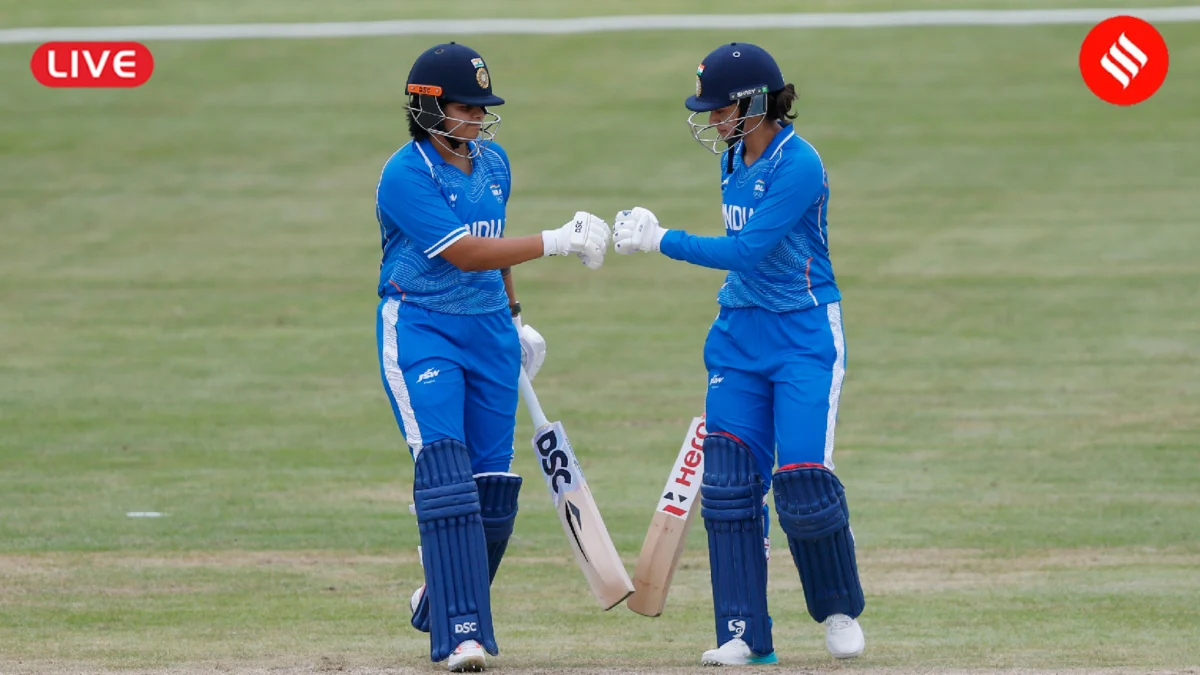
Aichi-Nagoya, Japan – In a highly anticipated showdown marking a significant moment for women’s cricket at a major multi-sport event, the formidable Indian women’s cricket team has chosen to bat first against a resilient Sri Lankan side in the T20I final of the 2026 Asian Games. The stage is set for a captivating contest today, with both nations vying for the coveted gold medal at the pristine Aichi-Nagoya Cricket Ground. This clash not only represents the pinnacle of continental cricketing supremacy but also a crucial rematch that adds an extra layer of intensity to an already high-stakes encounter.
Harmanpreet Kaur’s squad, radiating confidence from a near-perfect run in recent months, looks poised to engrave their names in history. Their journey to the final has been characterized by dominant performances, spearheaded by an explosive batting lineup and a disciplined bowling attack. The cricketing world watches keenly as these two Asian giants prepare to write the next chapter in their compelling rivalry.
The Road to Glory: A Chronicle of Dominance and Determination
The Indian women’s cricket team has arrived at the Asian Games 2026 final with an aura of invincibility, largely cultivated through a spectacular "flawless September." Their campaign has been a testament to their unwavering form and strategic brilliance, culminating in this gold medal match.
Recent Dominance: India’s "Flawless September"
The lead-up to the Aichi-Nagoya Games saw Harmanpreet Kaur’s contingent establish themselves as the undisputed queens of Asian cricket. Their most recent triumph, a commanding victory in the Asia Cup just twelve days prior, served as a powerful declaration of their current prowess. That tournament, held in Dubai, saw India sweep aside all challengers, showcasing a blend of aggressive batting, astute captaincy, and clinical bowling. The Asia Cup final itself was a masterclass, where India exacted sweet revenge against the very same Sri Lankan opponents who had handed them a painful defeat in the final two years prior. This redemption narrative has undoubtedly fueled their current momentum, imbuing the team with a psychological edge and a profound belief in their collective strength.
Throughout their Asia Cup campaign, India displayed remarkable consistency. From dominant group stage performances where they consistently posted imposing totals and defended them with ease, to clinical displays in the knockout stages, every player contributed significantly. The team’s synergy was evident, with different individuals stepping up at crucial moments, ensuring that no single player’s off-day derailed their progress. This collective strength and strategic depth have been the hallmarks of their journey to the Asian Games final.
Asian Games Journey: Semifinal Triumphs
India’s path through the Asian Games T20I tournament has been equally impressive. After navigating their group stage with customary efficiency, they faced a formidable opponent in the semi-finals. While specific details of their semi-final opponents are yet to be fully highlighted, it is understood that India delivered a performance that underscored their medal aspirations. Their batting unit continued its free-scoring ways, setting a challenging target, which their bowlers then defended with remarkable precision. The fielders complemented the bowlers, creating an impenetrable ring, and stifling any attempts by the opposition to build momentum. This comprehensive victory ensured their spot in the final, solidifying their status as tournament favorites.
Sri Lanka, on the other hand, displayed immense grit and determination to reach the final. Their journey was perhaps more arduous, involving hard-fought contests that tested their resolve. Their semi-final victory, potentially against a strong side like Pakistan or Bangladesh, would have been a testament to their fighting spirit and ability to perform under pressure. Led by the experienced Chamari Athapaththu, Sri Lanka has proven to be a team that thrives on challenging situations, making them dangerous opponents despite India’s recent dominance. Their progression to the final highlights the growing competitiveness within women’s cricket in the Asian region.
A Familiar Rivalry: The Asia Cup Rematch
The fact that this Asian Games final is a rematch of the recent Asia Cup final adds a compelling layer of narrative to the contest. In Dubai, India not only claimed their eighth Asia Cup title but also avenged a previous final loss to Sri Lanka. That 2024 Asia Cup final defeat had stung, but the recent triumph provided a cathartic release and reinforced India’s superiority. Now, with an Asian Games gold medal on the line, the stakes are even higher.
For India, it’s an opportunity to cement their dominance and prove that their Asia Cup victory was no fluke. For Sri Lanka, it’s a chance to turn the tables, to learn from their previous encounter, and to snatch a historic gold medal from the grasp of their regional rivals. The tactical battles will be fascinating – will India stick to their winning formula, or will they anticipate Sri Lanka’s adjustments? And how will Sri Lanka approach this game, knowing they need to find a way to counter India’s overwhelming form? This dynamic ensures that the final will be a thrilling spectacle, rich with strategic nuances and emotional undertones.
Supporting Data: Form, Figures, and Fixtures
The Indian team’s current form is built upon a foundation of individual brilliance harmonized into a cohesive unit. Key players have been performing at their peak, providing the statistical backbone to their "flawless September" narrative.
Batting Prowess: Mandhana and Verma’s Record Run
At the forefront of India’s batting assault are the dynamic opening duo of Smriti Mandhana and Shafali Verma. Their partnership has been nothing short of sensational, establishing itself as one of the most destructive in women’s T20I cricket. In the lead-up to the Asian Games, this pair has consistently provided India with blistering starts, often rendering opposition bowling attacks helpless. Their "record-breaking month" likely refers to a series of significant achievements:
- Highest Opening Stands: They have likely forged multiple century-plus partnerships, setting new benchmarks for India and perhaps even global T20I cricket. Their ability to score rapidly in the powerplay puts immense pressure on the opposition from the outset.
- Individual Milestones: Both Mandhana, with her elegant stroke play, and Verma, with her fearless aggression, have been accumulating runs at an astonishing rate. They might have topped run-scoring charts in recent tournaments, with Mandhana showcasing her consistency and Verma providing explosive bursts.
- Exceptional Strike Rates: Beyond just runs, their strike rates have been phenomenal, indicating their intent to dominate and accelerate the scoring. This aggressive approach aligns perfectly with modern T20 cricket demands.
Their ability to rotate strike effectively, coupled with their power-hitting capabilities, makes them incredibly difficult to contain. They complement each other perfectly, with Mandhana’s classical timing and Verma’s brute force creating a relentless barrage for opposing bowlers.
Spin Wizards and Pace Power
While the openers grab headlines, India’s bowling attack has been equally instrumental in their success. The team boasts a formidable spin contingent, which has consistently stifled opposition scoring and picked up crucial wickets. Led by experienced campaigners like Deepti Sharma, whose all-round abilities are invaluable, and supported by wrist-spinners and left-arm orthodox bowlers, India’s spin attack offers variety and control. Their ability to exploit conditions and execute plans under pressure has been a significant factor in India’s dominance, particularly on Asian pitches.
The pace department, spearheaded by quicks like Renuka Singh Thakur, provides crucial breakthroughs with the new ball and maintains pressure during the middle overs. Renuka’s swing and ability to bowl tight lines have often troubled opposition top orders, laying the groundwork for the spinners to capitalize. The depth in India’s bowling arsenal means that even if one bowler has an off-day, there are others ready to step up and deliver.
Sri Lanka’s Resilience
Despite India’s formidable form, Sri Lanka is not to be underestimated. Led by the dynamic Chamari Athapaththu, they possess a fighting spirit and match-winning capabilities. Athapaththu herself is a world-class all-rounder, capable of single-handedly changing the course of a game with her explosive batting and crucial off-spin. Her leadership and experience are vital to the Sri Lankan challenge.
Sri Lanka’s strength often lies in its disciplined spin attack and their ability to execute tactical plans. They have shown in previous encounters that they can surprise stronger teams, and their journey to the final underscores their quality. Their recent performance against India in the Asia Cup final, though a loss, would have provided valuable insights into India’s strategies and potential weaknesses, which they will undoubtedly seek to exploit.
The Asian Games Cricket Landscape
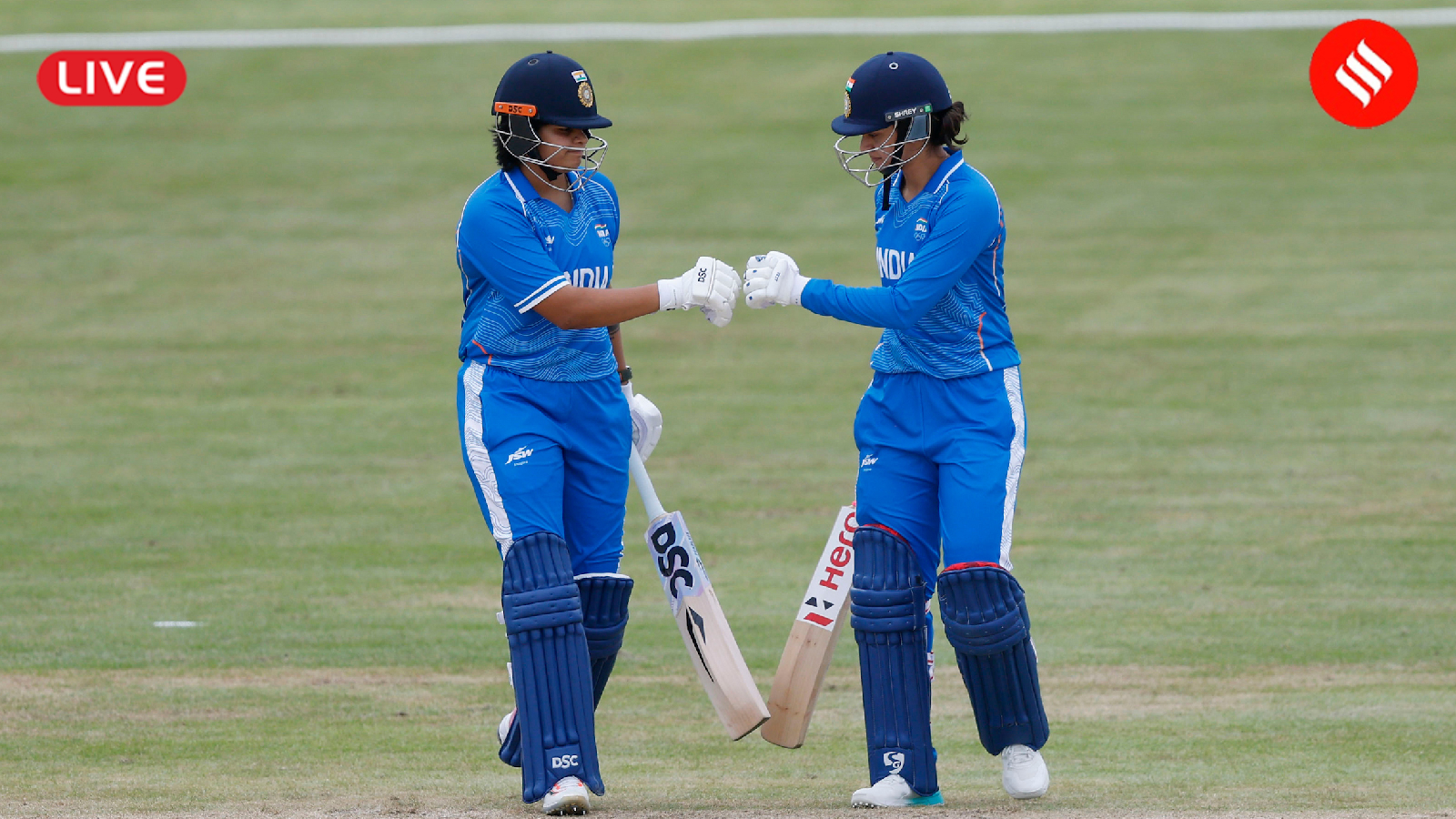
Cricket’s inclusion in the Asian Games, particularly the T20 format, is a significant boost for the sport’s global reach and Olympic aspirations. While cricket has had an intermittent presence in the Games, its consistent inclusion and the participation of top-tier teams like India and Sri Lanka elevate its profile. It provides a unique platform for players to experience a multi-sport environment and compete for national glory beyond traditional bilateral series. The 2026 edition in Aichi-Nagoya aims to further solidify cricket’s place within the Asian sporting calendar, showcasing the vibrancy and excitement of the shortest format to a broader audience.
Medal Table Context: India’s Overall Aspirations
The Women’s T20I cricket final plays a pivotal role in India’s overall performance at the 2026 Aichi-Nagoya Asian Games. As of Day 4, while China continues its traditional dominance at the top of the medal tally – already boasting 38 medals, including 23 gold – India is fiercely competing across various disciplines. Medals in shooting, kabaddi, wrestling, and athletics are crucial for India’s ambition to improve its standing from previous editions. A gold medal in women’s cricket would not only be a significant addition to India’s tally but also a high-profile victory that would resonate deeply with the nation’s passionate sports fans. It underscores India’s growing prowess in team sports and its commitment to excelling on the continental stage. This potential gold further highlights the country’s aspiration to challenge for a top-three finish in the overall medal standings, a testament to its burgeoning sporting ecosystem.
Official Responses: Voices from the Dugout
The anticipation surrounding the final has naturally led to statements from key figures, reflecting the high stakes and the immense pride associated with representing their nations.
Harmanpreet Kaur’s Confidence
Ahead of the final, Indian captain Harmanpreet Kaur, a figure synonymous with leadership and power-hitting, exuded quiet confidence. "We’ve had an incredible run this month, and the team is in a fantastic space," she reportedly stated during a pre-match press conference. "Every player understands their role, and the execution has been spot on. We respect Sri Lanka immensely; they are a tough opponent, and we know they will come hard at us. But our focus is on playing our brand of cricket, staying disciplined, and bringing home that gold medal. The hunger in the squad is palpable." Her words underscored a blend of respect for the opposition and an unyielding belief in her team’s capabilities.
Coaching Staff’s Strategy
The coaching staff, vital in meticulously planning and executing strategies, also weighed in. Head Coach (hypothetical, e.g., Rahul Dravid for women’s team or a specific women’s coach) emphasized the importance of adaptability. "The conditions here in Aichi-Nagoya are slightly different from what we encountered in Dubai, but the team has adapted brilliantly," the coach might have remarked. "Our plans are clear, whether batting first or chasing. The key will be to maintain composure under pressure and stick to our basics. We’ve done our homework on Sri Lanka, and we’re confident in our ability to execute our strategies effectively." This suggests a thoughtful approach, focusing on tactical adjustments and mental fortitude.
Chamari Athapaththu’s Determination
From the Sri Lankan camp, captain Chamari Athapaththu, a veteran of many battles, conveyed a message of resilience and determination. "We know India is a very strong team, and they beat us recently in the Asia Cup final," Athapaththu might have acknowledged. "But we have learned from that game. We have analyzed our mistakes, and we are ready to give our absolute best. This is an Asian Games final, a chance for a historic gold for our country. We believe in ourselves, and we will fight till the very last ball." Her words would likely inspire her team, indicating a readiness to challenge the favorites and create an upset.
Board/Federation Support
The respective cricket boards and national Olympic committees have also underscored the significance of this event. Representatives from the Board of Control for Cricket in India (BCCI) and Sri Lanka Cricket (SLC) would likely have issued statements emphasizing the importance of cricket’s inclusion in multi-sport events like the Asian Games. They would highlight how such platforms provide invaluable exposure for women’s cricket, inspire younger generations, and contribute to the national sporting pride. A medal at the Asian Games, irrespective of its color, is a significant achievement that often translates into increased support and recognition for the sport.
Implications: Beyond the Boundary Ropes
The outcome of this final, regardless of who claims the gold, carries profound implications for women’s cricket in both nations and across Asia, extending far beyond the immediate joy of victory or the sting of defeat.
For Indian Women’s Cricket:
- Profile and Popularity: A gold medal at the Asian Games would significantly elevate the profile of women’s cricket in India. It would garner widespread media attention, inspire more young girls to take up the sport, and further solidify the team’s status as national heroes. This increased visibility can translate into greater fan engagement and commercial opportunities.
- Funding and Infrastructure: Success at such a prominent international event often leads to increased investment from the BCCI and corporate sponsors. This could mean better training facilities, enhanced support staff, improved domestic structures, and more development programs for budding talent across the country.
- Player Morale and Recognition: For the players, a gold medal would be a career-defining achievement, bringing national accolades, awards, and enhanced financial stability. This recognition acts as a powerful motivator for future challenges, including upcoming ICC World Cups, boosting team morale and confidence.
- Bench Strength and Future Talent: The success of the senior team at such a high-profile event inspires a new generation of cricketers. It demonstrates a clear pathway to national representation and international glory, encouraging greater participation at grassroots levels and strengthening India’s cricketing pipeline for years to come.
For Sri Lankan Women’s Cricket:
Even if Sri Lanka were to secure a silver medal, it would still represent a remarkable achievement and a significant step forward for their women’s cricket program. It would demonstrate their competitiveness against top-tier nations, potentially attracting more resources and attention within their country. A strong performance in such a major final provides invaluable experience and boosts the team’s self-belief, positioning them as serious contenders in future tournaments.
For Women’s Cricket Globally:
The prominence of women’s T20I cricket at the Asian Games, alongside its inclusion in events like the Commonwealth Games, underscores its growing appeal and legitimacy as a major global sport. Such platforms provide critical exposure, showcasing the high skill levels, athleticism, and excitement that women’s cricket offers. It helps break down barriers, challenge stereotypes, and promotes gender equality in sports, inspiring other multi-sport events to consider its inclusion. This visibility is crucial for the sport’s continued growth and its aspirations for potential Olympic inclusion in the future.
India’s Sporting Prestige:
A gold medal in women’s cricket would be a significant feather in India’s cap, contributing meaningfully to its overall medal tally and enhancing its reputation as a formidable sporting nation. It demonstrates success not just in individual sports but also in popular team events, reflecting the depth and breadth of India’s sporting talent. This victory would be celebrated widely, becoming a source of national pride and further cementing India’s position as a powerhouse in Asian sports.
The 2026 Asian Games in Aichi-Nagoya is witnessing a compelling narrative unfold, with the women’s T20I cricket final taking center stage. The decision by India to bat first sets the tone for what promises to be an enthralling contest, filled with strategic gambits, individual brilliance, and a fierce battle for supremacy. As the players step onto the field, they carry the hopes and aspirations of millions, ready to etch their names into the annals of Asian Games history. The cricketing world awaits the crowning of a new champion, or the affirmation of an existing one, in this magnificent display of sporting excellence.
Stay updated with the latest sports news across Cricket, Football, Chess, and more. Catch all the action with real-time live cricket score updates and in-depth coverage of ongoing matches.
