

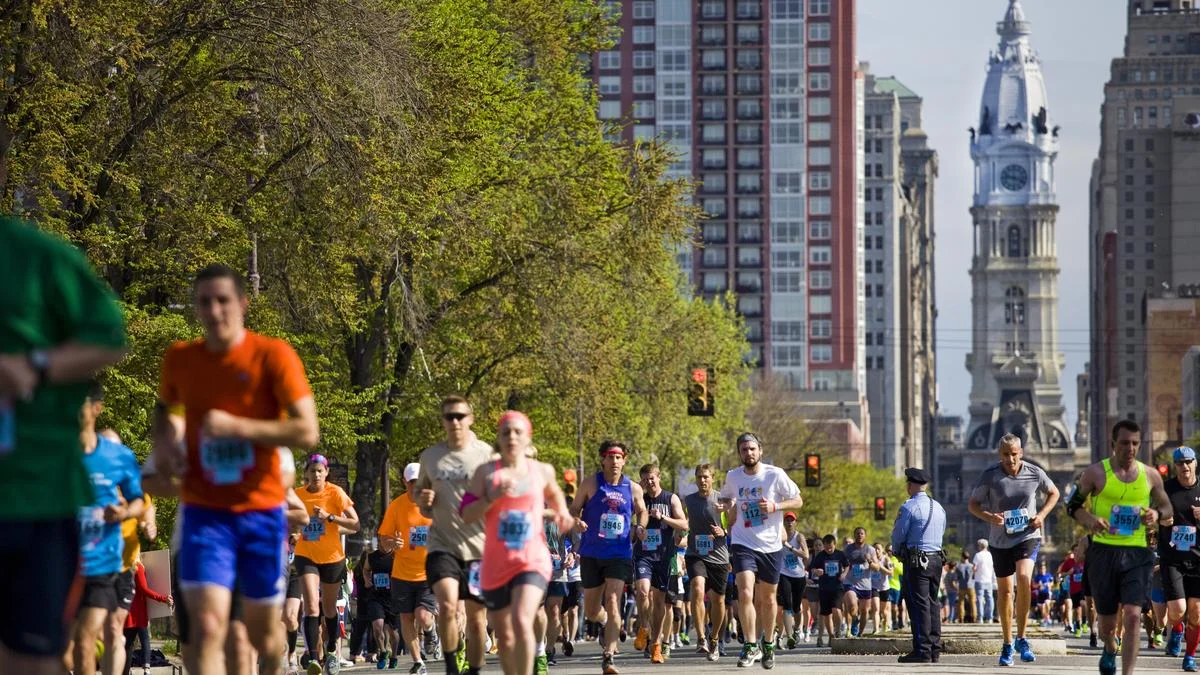
Bengaluru, India – Long before the city awakens to its characteristic hum, for many Indian runners, the day begins with the pounding of feet on pavement, a dedication to fitness that is increasingly extending beyond local tracks and into the global arena. A burgeoning trend, dubbed "race-cations," is transforming how Indians approach travel, merging the thrill of international marathons with the allure of exploring new cultures and landscapes. This isn’t just about crossing a finish line; it’s about experiencing the world, one stride at a time.
The New Wanderlust: Running as a Gateway to Discovery
For Sunil Lade, an ad-film producer from Bengaluru, the upcoming London Marathon on April 26th is more than just a race; it’s the catalyst for a solo adventure. Following London, he’s set his sights on the Chicago Marathon on October 11th. His travels are a carefully orchestrated blend of athletic pursuit and personal rejuvenation. "While the London marathon is the prime reason he is travelling, he plans to explore the Scottish Highlands for five days," the original article states. This sentiment encapsulates the essence of race-cations – a holistic approach to travel where the sporting event serves as a focal point, but the journey itself offers a wealth of experiences.
Sunil articulates a common sentiment among this growing cohort: "I’ve been to cities for work and for travel," he shares. "But what you see when you’re running is totally different. You notice details you’d never catch in a car or train." This perspective highlights a key differentiator of race-cations: a more immersive and intimate engagement with a destination. Runners don’t just see landmarks; they become part of the fabric of the city, experiencing its rhythm, its people, and its hidden corners in a way that conventional tourism often misses.
Curated Experiences: From Rainforests to Iconic Cities
The race-cation phenomenon is not confined to individual endeavors. A new breed of tour operators and platforms are emerging to cater to this demand, offering expertly curated experiences that blend athletic training with cultural immersion. Tanya Gupta, the host and founder of The Reckless Collective, a Delhi-based platform established in 2025, exemplifies this trend. Her organization specializes in sports-led retreats across the globe.
"Participants receive a curated pre-retreat training plan, along with focussed skill work, endurance sessions, and detailed technique breakdowns, before being guided by an expert athlete on the day of the run," Tanya explains, detailing an upcoming guided running retreat in the rainforests of Borneo from June 19th to 24th. This retreat, led by Kieren, is designed to help runners adapt to unpredictable terrain, showcasing the specialized nature of these travel packages. The Reckless Collective’s offerings extend beyond running, encompassing activities like trail-running, kitesurfing, snowboarding, and free diving, with past retreats held in Sri Lanka and Kazakhstan and future expeditions planned for Malaysia, Portugal, Egypt, and Japan. This diversification underscores the broad appeal of active travel and the burgeoning "endorphin economy."
The "Endorphin Economy": A Global Shift in Travel Preferences
The rise of race-cations is not merely anecdotal; it’s backed by significant market trends. A collaborative study released in January 2026 by Accor, a multinational hospitality company, and travel trend forecasting agency Globetrender, surveyed over 4,300 travelers from India, the UK, and the US. The report identifies the "endorphin economy" as a significant growth area, with a remarkable 89% of surveyed travelers stating that live events like marathons are worth traveling for.
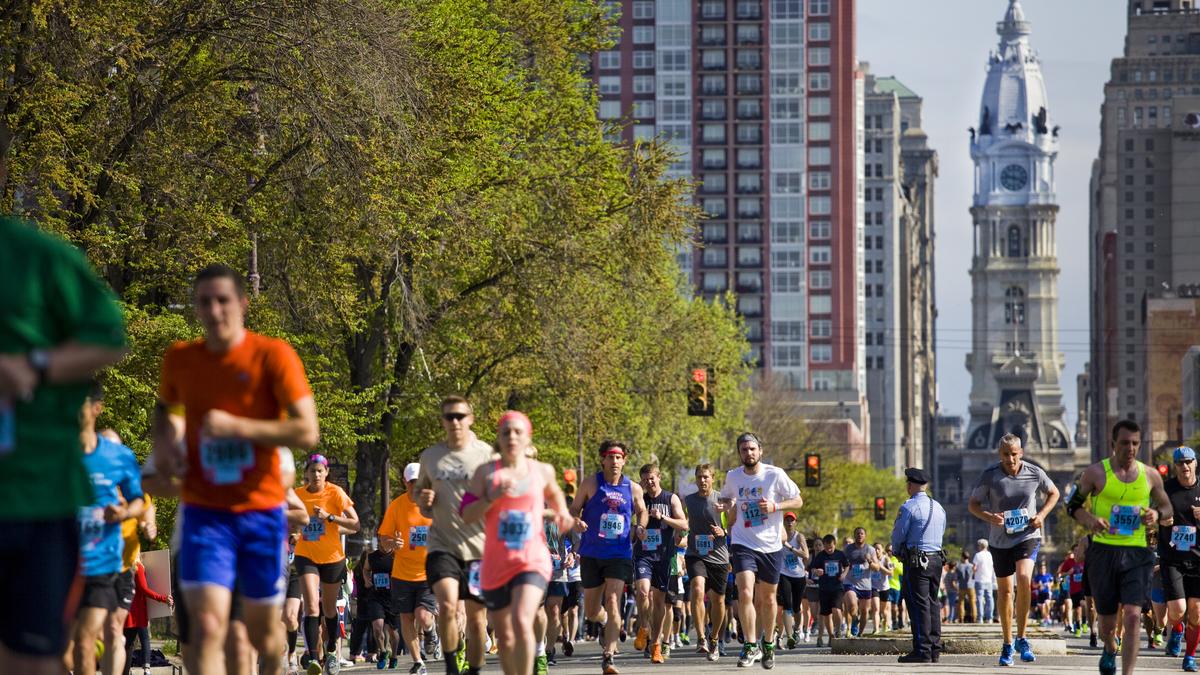
This shift has not gone unnoticed by the travel and hospitality industry. Hotels are increasingly advertising their proximity to popular running routes, and travel agencies are meticulously crafting itineraries that revolve around race weekends. Even airports are getting in on the action, recognizing the potential to engage with this active travel segment. Hyderabad’s Rajiv Gandhi International Airport hosts an annual "Airport Run" every January, featuring 5K and 10K races that bring together both novice and experienced runners. Similarly, the Philadelphia International Airport offers a unique "5K on the Runway" experience, allowing participants to race on the tarmac amidst the comings and goings of aircraft.
Exploring India’s Diverse Running Landscape
Within India, a vibrant tapestry of races is emerging, catering to various preferences and skill levels. February offers the community-driven marathon in Auroville and the Jaisalmer half marathon, set against the backdrop of sand dunes, forts, and the desert festival. In June, Coorg hosts the Bison Ultra, a challenging race winding through steep coffee estates. For those seeking the ultimate test of endurance, the Ladakh high-altitude marathon in Leh presents a formidable challenge, pushing runners to their limits at extreme elevations.
The "Rocky" Effect and Post-Race Recovery
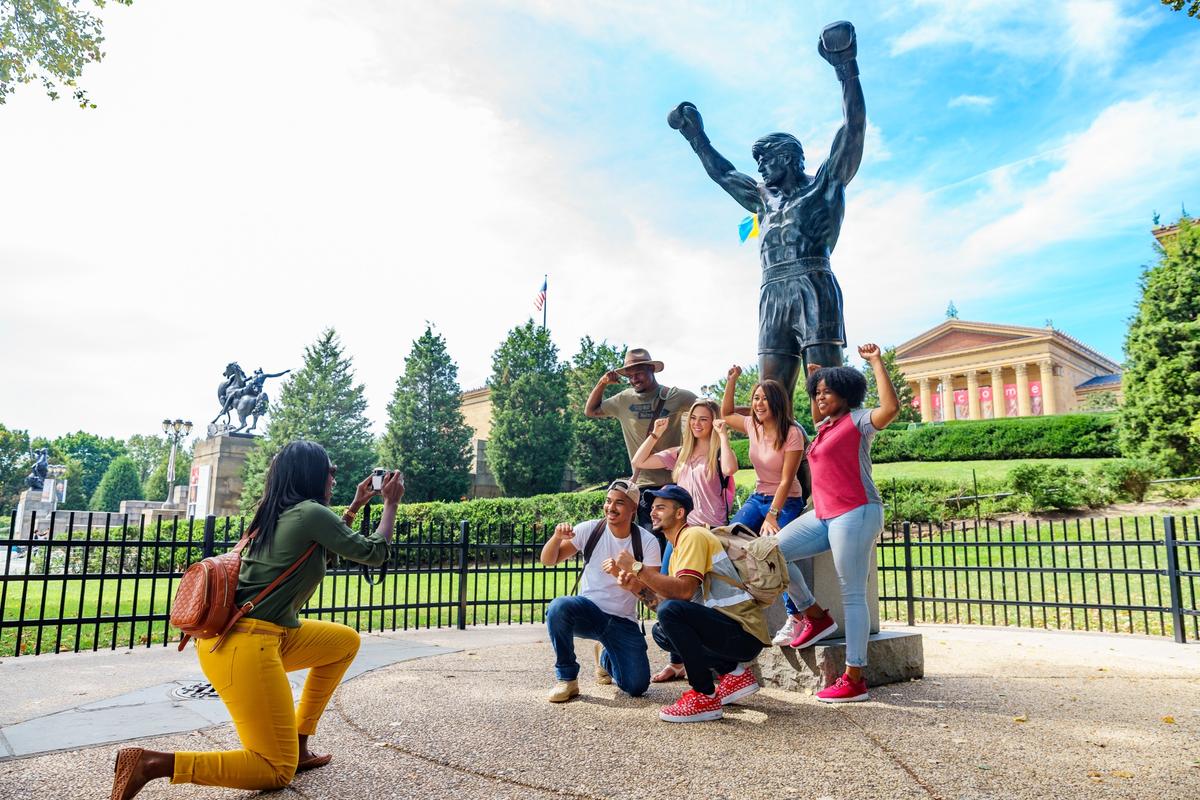
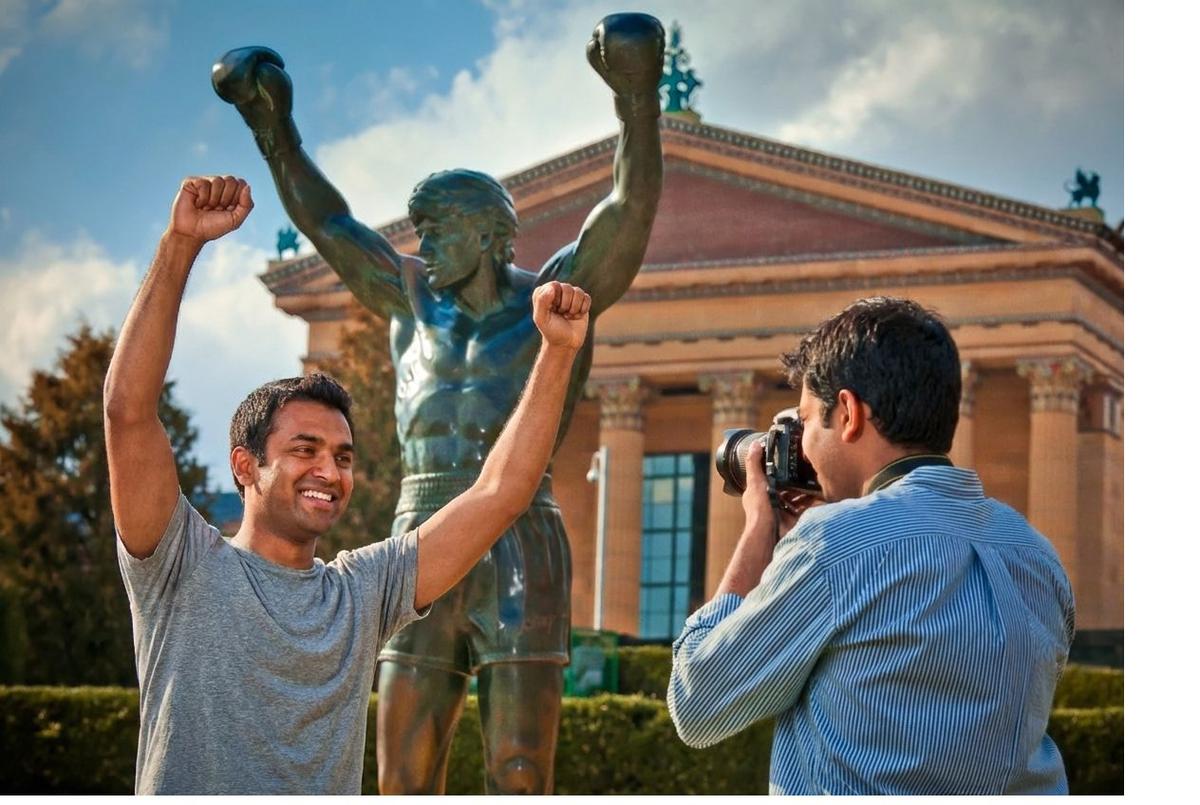
The allure of iconic race locations is also a significant driver for many. Daivik Rai, captain of the Indian indoor cricket team, shared his experience running the Philadelphia Marathon last year, driven by the desire to "run in Rocky’s footsteps" – a pilgrimage to the iconic steps of the Philadelphia Museum of Art immortalized in film. With America celebrating its 250th Independence Day and the 50th anniversary of the Rocky franchise coinciding, Philadelphia is poised for an even more significant marathon event.
Beyond the race itself, the focus on post-race recovery is becoming increasingly sophisticated. Sports physiotherapy clinics report a surge in bookings during marathon weeks, with many offering specialized recovery packages. These often include ice baths, compression therapy, and gait analysis, strategically timed to aid athletes in their post-competition recuperation. Athletes often extend their cooldowns in the green spaces of the Benjamin Franklin Parkway, a testament to the holistic approach runners are taking to their fitness journeys.

Training for the World: Commitment and Discipline
While race-cations offer the promise of adventure, they are far from casual holidays. They demand significant commitment, months of rigorous training, meticulous planning, and the careful balancing of work schedules and budgets. Training often commences one to three months prior to the race, requiring dedication and discipline.
Mohammed Suhail, founder of Bengaluru’s Fit District, trains a diverse clientele, from amateur enthusiasts to professional endurance athletes, including Bollywood stars like Varun Dhawan and Yash. He emphasizes the importance of adherence to a strict regimen. "I ask runners to skip bar hopping and the much-coveted buffet spreads while on a running vacation," he states. "They are advised to pack their suitcases with electrolytes and protein shakes. And still, they don’t find it restrictive." This quote underscores the dedication required and the willingness of these athletes to prioritize their goals.
Pushing Boundaries: Extreme Environments and Mental Fortitude
For some Indian runners, the race-cation concept extends to the realm of extreme environments, where the lines between travel, endurance, and survival blur. Ultramarathon runner Kieren D’Souza, currently based in Manali and renowned for competing in sub-zero conditions, embodies this adventurous spirit. Races in temperatures as low as -10°C to -15°C necessitate local acclimatization, with training often taking place in regions like Jammu or Kashmir.
Kieren, currently training in Ladakh for the upcoming marathon season, highlights the dual nature of these extreme races. "In races that stretch to 100 kilometers or run over 48 hours, it’s as much a mental challenge as a physical one," he explains. For him, competing in foreign territories is a profound way to discover his own limits. He cites the Yading Skyrace in China, held at an altitude of 4,000 meters, as his toughest yet most rewarding challenge.
Diet plays a crucial role in these demanding endeavors. "It’s hard to get your macros in – so I end up eating a good steak on most days, full of fresh veggies and meat," Kieren shares. "I also make sure I have a lot of fruits tucked into my bags or training kits – it’s refreshing and gives me a good boost of energy."
Mental strength is equally paramount. Sahirah Oshidar, a social media influencer and long-distance runner from Bengaluru, believes in the power of daily meditation to prepare for new running challenges in unfamiliar countries. "I believe that running outside one’s comfort zone keeps one mentally agile," she asserts. This focus on mental resilience echoes Kieren’s experience during his first race-cation in 2015 at the CCC Marathon in the French Alps. He recounts learning to embrace solitude, a significant personal achievement without the immediate support of family and friends.
Ultimately, Kieren believes running fosters a powerful sense of global camaraderie. "You’re keeping pace with people from all over the world," he observes. "Everyone’s struggling together. There’s a shared language, even if you don’t speak to each other." This shared experience, the unspoken understanding forged through mutual effort and challenge, is a profound aspect of the race-cation phenomenon, transcending cultural and linguistic barriers.
Upcoming Races and Essential Training Tips
For those inspired to embark on their own race-cation, a multitude of exciting events await:
Upcoming Races:
- London Marathon, April 26th, 2026: Renowned as one of the world’s most popular races, attracting over 1.1 million applicants this year.
- Cape Town Marathon, May 24th, 2026: Offers a breathtaking backdrop of Table Mountain.
- Sydney Marathon, August 30th, 2026: A prestigious event on the Majors circuit, showcasing the iconic Harbour Bridge and Opera House.
- Philadelphia Marathon, November 22, 2026: This year’s race coincides with America’s 250th Independence Day, promising significant city-wide celebrations.
Training Tips by Mohammed Suhail:
DO’s:
- Gradual Mileage Increase: Increase training mileage by up to 10% each week to build endurance safely.
- Simulate Conditions: Train in similar local conditions to those you expect to encounter at your international race destination.
- Tapering is Key: Reduce your training load 2-3 weeks before the competition to allow for optimal recovery and peak performance.
- Hydration and Fueling: For runs exceeding 60-90 minutes, consume carbohydrate-electrolyte combinations to maintain energy levels.
DON’Ts:
- Race Day Novelties: Avoid trying new gear or unfamiliar nutrition on race day; stick to what you’ve tested during training.
- Sun Protection: Never forget adequate sun protection during long runs to prevent UV damage and discomfort.
- Rest is Essential: Do not skip rest days; they are crucial for muscle repair and preventing burnout.
The race-cation trend signifies a dynamic evolution in travel, driven by a generation seeking not just destinations, but experiences that enrich their lives, challenge their bodies, and expand their horizons. As more Indians lace up their running shoes for global adventures, the world becomes a more accessible and exhilarating playground, one marathon at a time.
