

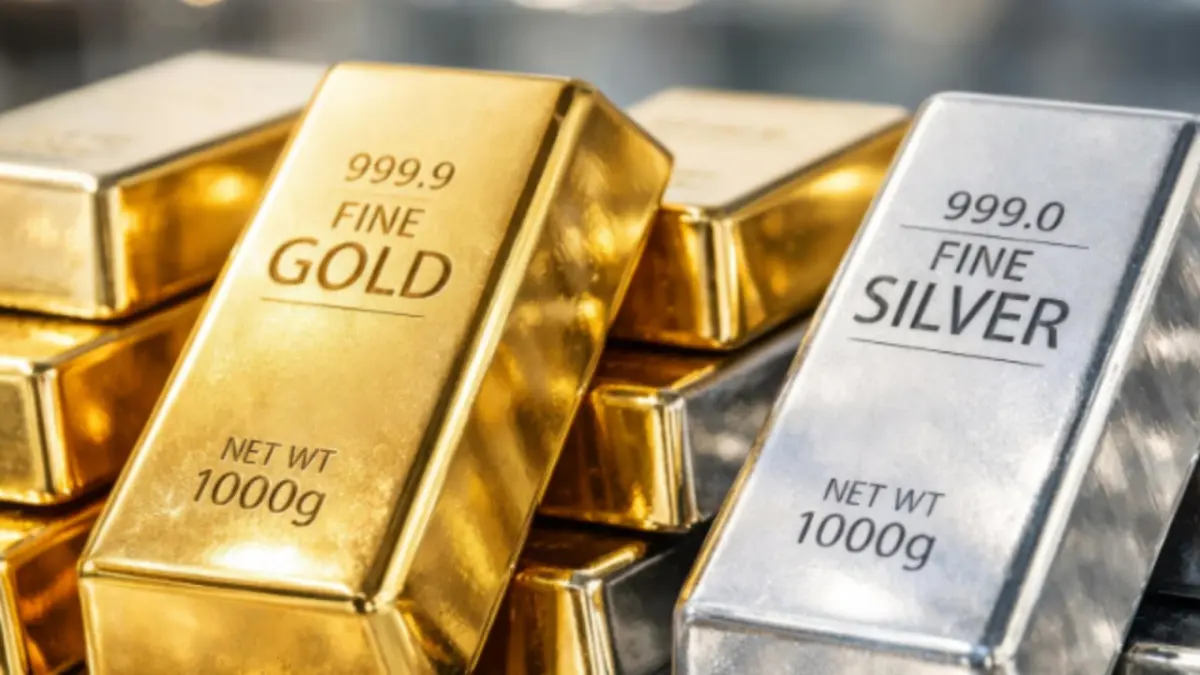
NEW DELHI, India – October 2, 2026, marks another dynamic day in India’s vibrant precious metals market, with gold and silver prices reflecting a complex interplay of global economic forces, domestic demand, and currency fluctuations. Investors and consumers alike are closely watching these trends, which hold significant implications for personal finance, cultural traditions, and the broader Indian economy. As of today, gold has experienced a slight uptick, primarily driven by persistent global inflationary pressures and robust international demand, while silver maintains its position as a key industrial and investment metal with its own set of market drivers.
Current Market Snapshot: Key Prices on October 2, 2026
The precious metals market in India remains highly sensitive to a myriad of factors, from international geopolitical events to the domestic festive calendar. Here’s a detailed breakdown of gold and silver prices across major Indian cities today.
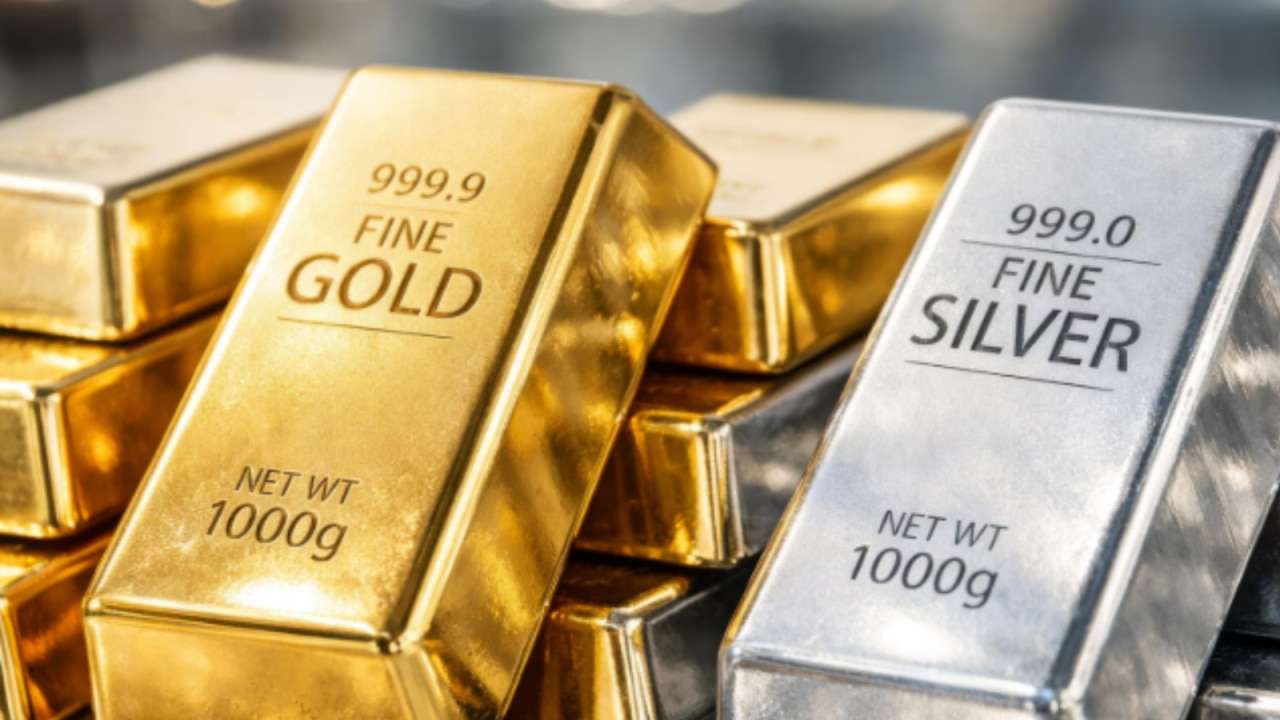
Gold Prices on October 2, 2026
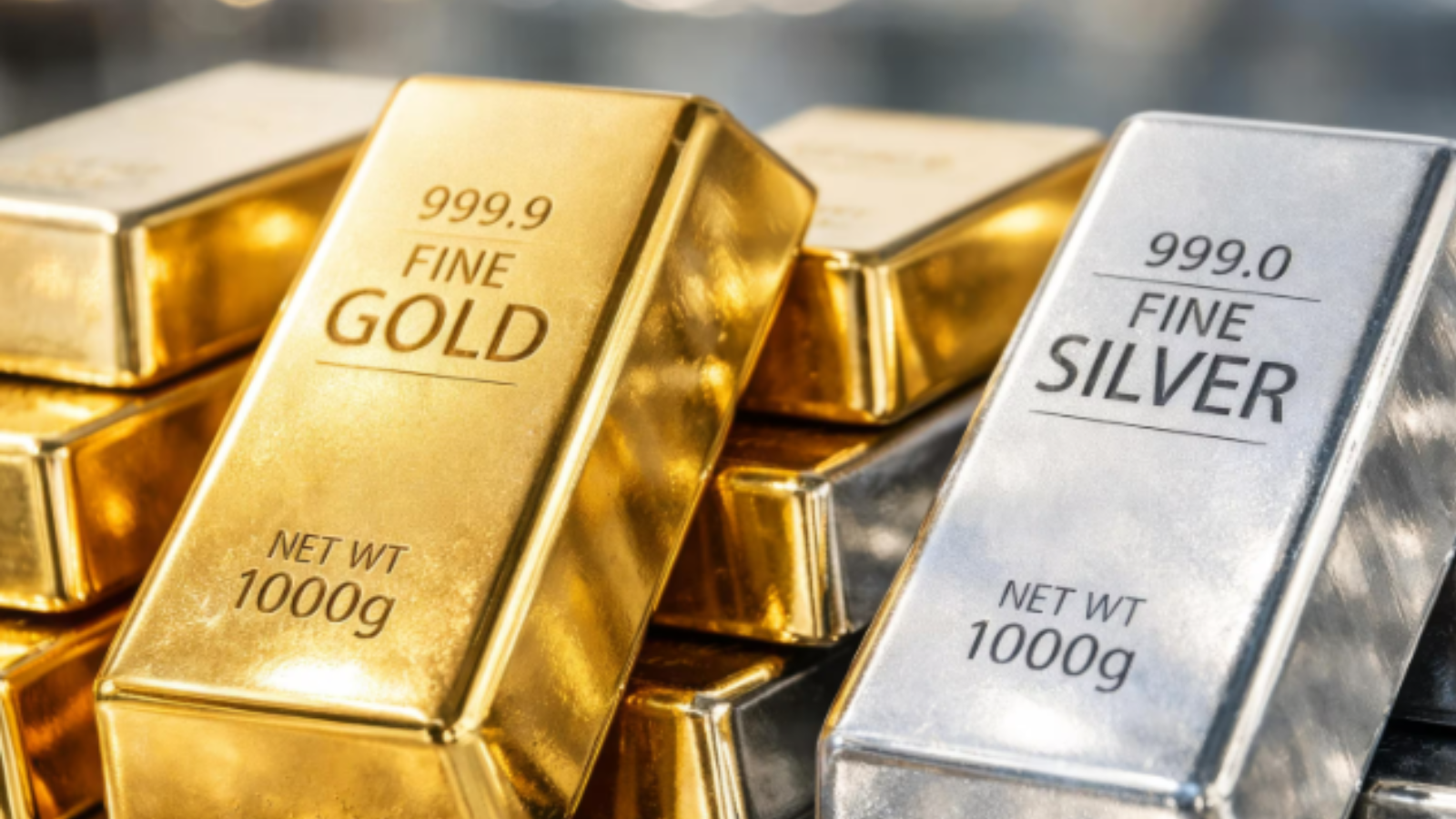
Gold, often considered a safe-haven asset, continues to see robust demand. The price of 24-karat gold (999 pure gold) and 22-karat gold (91.67% pure gold, commonly used in jewellery) has shown a slight increase today, underscoring the metal’s enduring appeal.
-
National Average (Approximate):
)
- 24K Gold (999 Purity): Rs 14,923 per gram
- 22K Gold (916 Purity): Rs 13,679 per gram
-
City-Wise Gold Rates (as per Good Returns):
- Gold Prices in Delhi:
- 24K Gold: Rs 14,940 per gram
- 22K Gold: Rs 13,694 per gram
- Gold Prices in Mumbai:
- 24K Gold: Rs 14,923 per gram
- 22K Gold: Rs 13,679 per gram
- Gold Prices in Kolkata:
- 24K Gold: Rs 14,923 per gram
- 22K Gold: Rs 13,679 per gram
- Gold Prices in Chennai:
- 24K Gold: Rs 14,923 per gram
- 22K Gold: Rs 13,679 per gram
- Gold Prices in Delhi:
These city-specific variations are often attributable to local taxes, transportation costs, and regional demand patterns.

Silver Prices on October 2, 2026
Silver, with its dual identity as a precious metal and an industrial commodity, also presents an intriguing market landscape. Its prices are influenced not only by investment sentiment but also by demand from various industrial sectors, including electronics, solar panels, and automotive manufacturing.
-
National Average (Approximate):
)
- Silver (999 Purity): Rs 2,34,900 per kilogram (or Rs 2,349 per 10 grams)
- Silver (925 Sterling): Rs 2,34,000 per kilogram
-
City-Wise Silver Rates:
- Silver Price in Delhi:
- Silver 999: Rs 2,349 per 10 grams
- Silver Price in Mumbai:
- Silver 999: Rs 2,349 per 10 grams
- Silver Price in Kolkata:
- Silver 999: Rs 2,349 per 10 grams
- Silver Price in Chennai:
- Silver 999: Rs 2,399 per 10 grams
- Silver Price in Delhi:
Chennai’s higher silver rate often reflects robust local demand for silver ornaments and articles, particularly in South India.
)
Chronology and Recent Market Dynamics
The current price levels for gold and silver on October 2, 2026, are not isolated figures but are the culmination of several months of evolving market dynamics. Throughout 2026, the precious metals market has been characterized by periods of significant volatility, interspersed with phases of consolidation and steady growth.
Gold’s Journey in 2026:
The year 2026 began with gold prices already on an upward trajectory, building on the momentum from late 2025. Concerns over persistent global inflation, coupled with uncertainties stemming from geopolitical hotspots in Eastern Europe and the Middle East, propelled gold’s safe-haven appeal. Central banks globally, including the Reserve Bank of India, continued to diversify their reserves by increasing gold holdings, further underpinning demand. While interest rate hikes by major central banks earlier in the year exerted some downward pressure on non-yielding assets like gold, the overarching narrative of economic instability and currency devaluation fears provided a strong counter-argument, pushing prices higher. The slight increase observed today is consistent with this broader trend, indicating sustained buying interest.
)
Silver’s Dual Narrative:
Silver’s performance in 2026 has been a fascinating blend of its roles as a precious metal and an industrial commodity. Early in the year, strong industrial recovery post-pandemic boosted demand from sectors like solar energy and electric vehicles, providing a solid floor for prices. However, economic slowdowns in certain major economies periodically tempered industrial uptake, leading to price corrections. When gold rallied on safe-haven demand, silver often followed suit, albeit with higher volatility, a characteristic of its market. The current prices reflect this delicate balance, where investment demand combined with steady, albeit sometimes fluctuating, industrial consumption, determines its value.
Supporting Data: The Influential Factors at Play
The prices of gold and silver are shaped by a complex web of interconnected factors, both global and domestic. Understanding these drivers is crucial for interpreting current trends and forecasting future movements.
)
Global Economic and Geopolitical Landscape
- Inflationary Pressures: A primary driver for gold, inflation erodes the purchasing power of fiat currencies, making gold an attractive hedge. Global supply chain disruptions, energy price volatility, and expansive fiscal policies in various nations have kept inflation concerns elevated throughout 2026, directly supporting gold prices.
- Interest Rates and Monetary Policy: Decisions by major central banks, particularly the U.S. Federal Reserve, on interest rates significantly impact gold. Higher interest rates increase the opportunity cost of holding non-yielding assets like gold. However, if rate hikes are seen as insufficient to curb inflation or lead to economic slowdowns, gold’s appeal as a safe haven can still strengthen.
- US Dollar Index (DXY): Gold and the US dollar typically share an inverse relationship. A stronger dollar makes gold more expensive for holders of other currencies, potentially dampening demand. Conversely, a weaker dollar makes gold more affordable and often leads to an upward price movement. The relative strength or weakness of the dollar against a basket of major currencies has been a key determinant of global gold prices in 2026.
- Geopolitical Tensions: Conflicts, trade wars, and political instability create uncertainty in financial markets, driving investors towards safe-haven assets like gold. The ongoing global geopolitical landscape has ensured a consistent underlying demand for gold as a store of value amidst turmoil.
- Global Economic Growth: For silver, global economic growth is particularly critical due to its extensive industrial applications. Robust manufacturing output, particularly in renewable energy, electronics, and automotive sectors, translates directly into higher industrial demand for silver, pushing prices upwards. Any signs of a global recession, however, can quickly dampen this demand.
Domestic Indian Factors
- Indian Rupee (INR) to US Dollar (USD) Exchange Rate: Since India imports almost all its gold, the exchange rate plays a pivotal role. A depreciating rupee makes gold imports more expensive in local currency terms, directly increasing domestic gold prices. The fluctuations in the INR/USD rate have been a significant factor throughout 2026.
- Local Demand (Festive and Wedding Season): India is one of the world’s largest consumers of gold, driven by deeply ingrained cultural traditions. The ongoing period, leading up to major festivals like Diwali and the robust wedding season, typically witnesses a surge in demand for gold jewellery and investment, exerting upward pressure on prices. This seasonal demand often overrides some global bearish sentiments.
- Monsoon and Rural Income: A good monsoon season often translates into higher agricultural income, particularly in rural India, which is a major consumer of gold. Increased disposable income in these regions typically fuels higher gold purchases, contributing to overall demand.
- Government Policies: Import duties on gold, Goods and Services Tax (GST), and other regulatory measures imposed by the Indian government can directly influence domestic gold prices. Changes in these policies are closely watched by market participants.
- Investment Avenues: The growing popularity of alternative investment avenues like gold ETFs (Exchange Traded Funds), digital gold platforms, and sovereign gold bonds (SGBs) also influences demand patterns, diverting some physical gold demand into financial instruments.
Official Responses and Expert Insights
While there are no direct "official responses" to daily price fluctuations, the broader economic policies and statements from central banks and financial institutions provide a crucial backdrop.
Reserve Bank of India (RBI) Stance:
The Reserve Bank of India’s monetary policy decisions, particularly concerning inflation control and currency stability, indirectly impact precious metal prices. The RBI’s efforts to manage inflation through interest rate adjustments or liquidity operations are critical. If the RBI is perceived as effectively controlling inflation, the urgency to hedge with gold might diminish. Conversely, concerns about persistent inflation despite RBI’s efforts could bolster gold’s appeal. Furthermore, the RBI’s accumulation of gold reserves, often highlighted in its reports, signals confidence in gold as a long-term asset, providing psychological support to the market.
)
Market Analyst Perspectives:
Leading financial analysts and economists generally concur that gold will continue to be influenced by global macroeconomic uncertainties. "We anticipate gold to remain a key portfolio diversifier," states Dr. Anjali Sharma, Chief Economist at Zenith Capital. "The ongoing global inflationary environment, coupled with geopolitical volatility, ensures a floor for gold prices. Any significant easing of central bank hawkishness could provide further upside."
For silver, analysts emphasize its dual nature. "Silver’s trajectory in 2026 is a tug-of-war between its safe-haven attributes and industrial demand," explains Mr. Rajesh Kumar, Senior Commodity Strategist at Bullion Insights. "While investment flows mimic gold, the real wild card is the pace of global industrial growth, especially in green technologies. Strong manufacturing data will be key to silver breaking new highs."
)
Industry Bodies:
The World Gold Council (WGC) and the India Bullion and Jewellers Association (IBJA) regularly publish reports and data that shed light on market trends. Their analyses often highlight India’s unique demand drivers, such as the cultural significance of gold, making it distinct from Western markets where investment demand might solely dominate. IBJA’s daily price dissemination is a critical reference point for the industry.
Implications for Stakeholders
The current price levels and market trends have significant implications for various stakeholders in India.
)
For Consumers
- Wedding and Festive Budgets: For millions of Indian families, gold jewellery is an integral part of weddings and festivals. Rising prices mean higher costs for these traditional purchases, potentially leading to adjustments in designs, quantities, or a shift towards lighter jewellery or silver.
- Investment Decisions: For individuals considering gold as an investment, the current upward trend might encourage buying, viewing it as a hedge against inflation or currency depreciation. However, the slightly higher prices also necessitate careful consideration of entry points.
- Purity and Authenticity: With prices at these levels, ensuring the purity and authenticity of gold and silver purchases becomes even more crucial. Consumers are advised to buy from reputable jewellers and insist on hallmarked jewellery.
For Investors
- Portfolio Diversification: Gold continues to serve as an excellent portfolio diversifier, offering a hedge against equity market volatility and economic downturns. Its non-correlation with other asset classes makes it attractive in uncertain times.
- Long-term vs. Short-term: While short-term traders might capitalize on daily fluctuations, long-term investors often view gold as a wealth preservation tool. Silver offers a higher beta to gold, meaning it can see more significant swings, appealing to investors with a higher risk appetite.
- Digital Gold and ETFs: The rise of digital gold platforms and gold ETFs provides convenient and cost-effective ways for investors to gain exposure to precious metals without the complexities of physical storage. Sovereign Gold Bonds, backed by the government, offer an additional layer of security and often an interest component.
For Jewellers and Retailers
- Inventory Management: Rising prices can impact inventory costs for jewellers, requiring careful management of stock to mitigate risks. Hedging strategies become essential to protect against price volatility.
- Sales and Margins: While higher prices can deter some discretionary buying, the strong cultural demand often ensures steady sales, especially during peak seasons. However, higher input costs can pressure profit margins if not managed effectively.
- Customer Preferences: Jewellers need to adapt to evolving customer preferences, offering a mix of traditional and contemporary designs, and catering to various price points by offering lighter jewellery options or alternative metals.
Broader Economic Impact
- Import Bill: India’s substantial gold imports contribute significantly to its overall import bill, impacting the country’s current account deficit. Higher international prices and a weaker rupee exacerbate this effect.
- Foreign Exchange Reserves: The RBI’s management of foreign exchange reserves and its gold holdings play a role in maintaining economic stability and influencing market sentiment.
- Informal Economy: The precious metals sector also has linkages with the informal economy, particularly in smaller towns and rural areas, providing livelihoods to artisans and traders.
Outlook and Future Considerations
Looking ahead, the precious metals market is likely to remain dynamic. For gold, the interplay of global inflation, central bank policies, and geopolitical developments will continue to dictate its trajectory. Should inflation persist or escalate, gold’s appeal as a hedge will strengthen. Conversely, a definitive cooling of inflation combined with aggressive interest rate hikes could temper its rise.
Silver’s future will largely depend on the twin engines of investment demand and industrial recovery. The ongoing global push towards green energy and technological advancements provides a strong structural tailwind for industrial silver demand. However, any significant economic slowdowns could weigh on this aspect.
)
Key areas to watch include:
- Further developments in global conflicts.
- Inflation data from major economies, particularly the US and Europe.
- Interest rate decisions by central banks.
- The performance of the Indian monsoon and its impact on rural incomes.
- Any changes in government policies regarding precious metal imports or taxation.
In conclusion, as of October 2, 2026, gold and silver prices in India stand at a juncture shaped by powerful global currents and deeply embedded domestic traditions. Navigating this market requires vigilance, informed decision-making, and an understanding of the multifaceted factors that drive the value of these timeless metals. Whether for investment, adornment, or cultural practice, the allure of gold and silver continues to shine brightly in the Indian landscape.
