

TECHNOLOGY | India’s Premium Smartphone Market
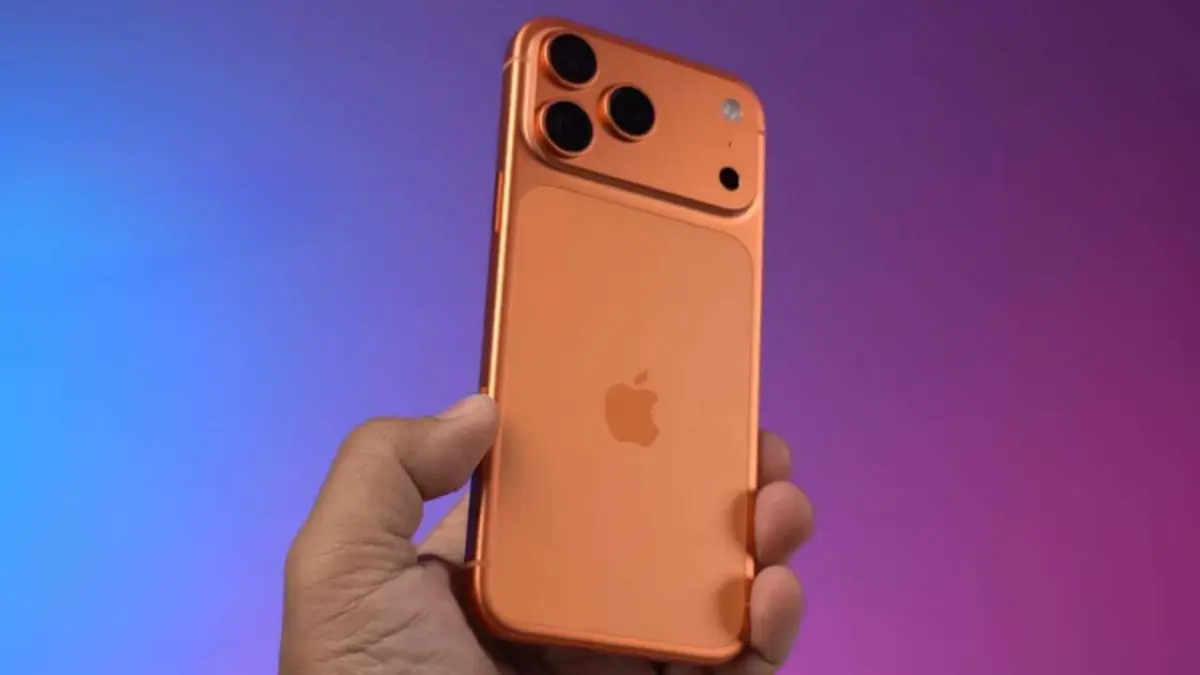
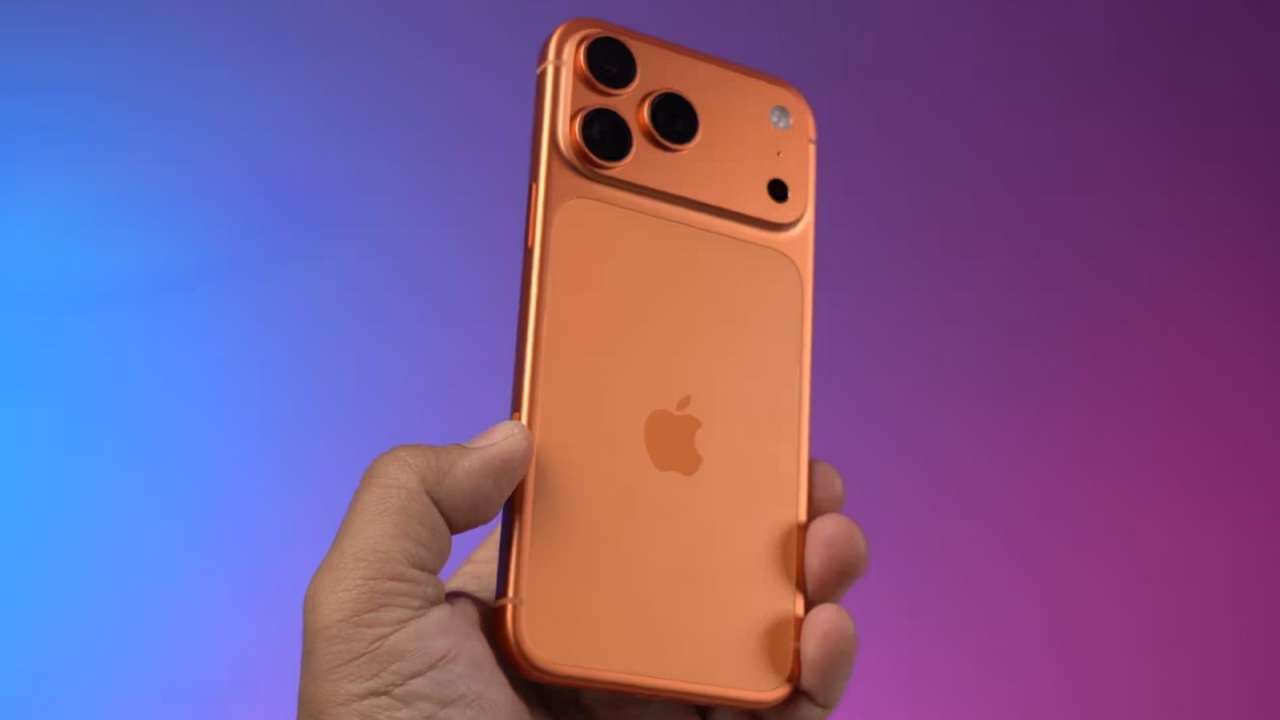
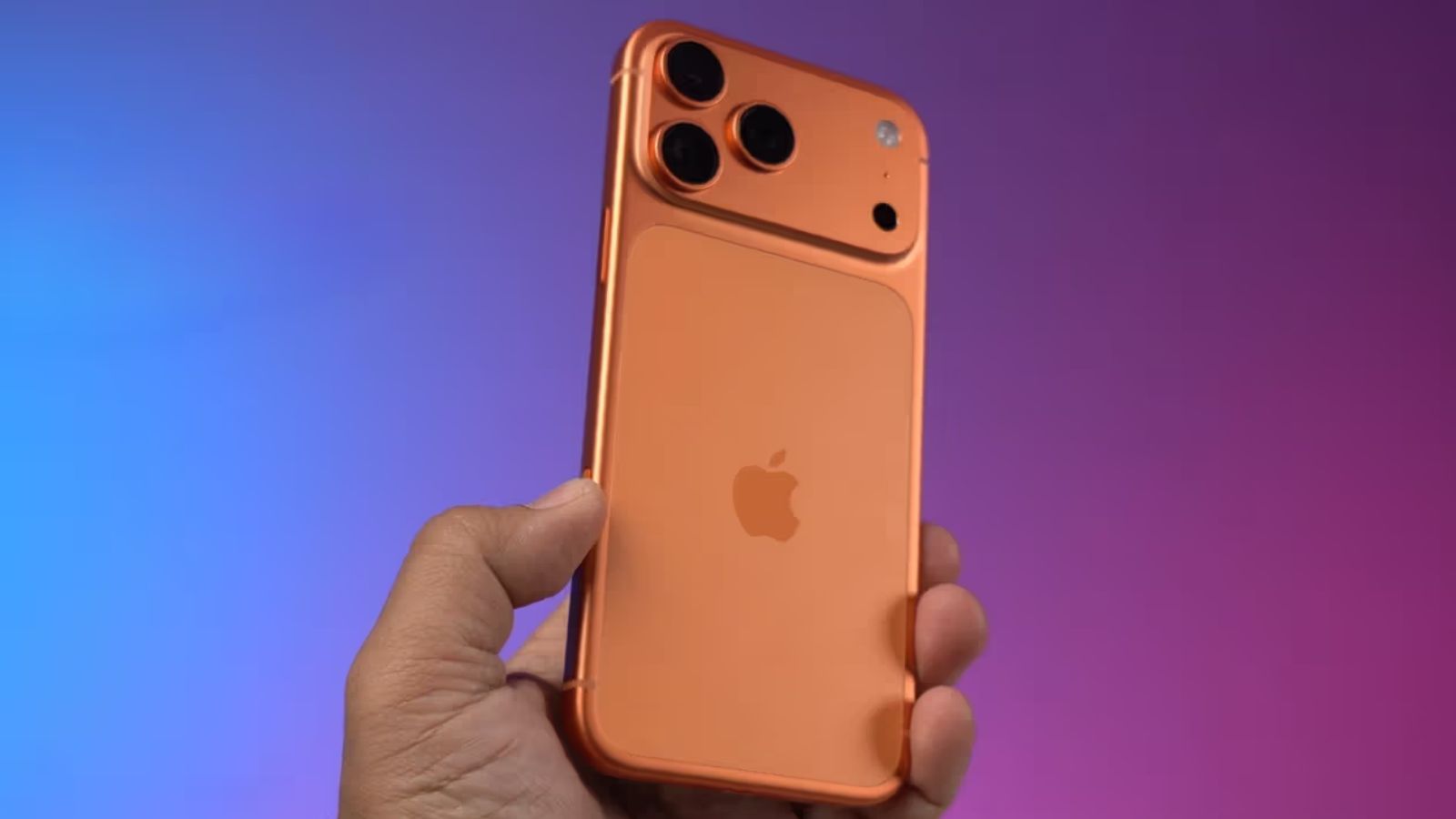
NEW DELHI, India – In a move that has sent ripples of excitement through India’s tech-savvy consumer base, Apple’s latest flagship, the iPhone 17 Pro, is reportedly available at an astonishingly low effective price during ongoing festive sales. From its premium launch price of Rs 1,34,900, discerning buyers can potentially acquire this coveted device for as little as Rs 57,000 to Rs 70,000, a reduction of nearly 60%. This remarkable price drop isn’t a direct markdown from Apple, but rather the strategic culmination of aggressive exchange programs, lucrative bank offers, and festive bonuses orchestrated by leading Indian retailers.
The prospect of owning a cutting-edge device like the iPhone 17 Pro, renowned for its advanced camera system, powerful A-series chip, and stunning ProMotion display, at such an accessible price point underscores the fierce competition within India’s premium smartphone segment and the evolving dynamics of consumer purchasing during peak sales seasons. This deep dive explores the intricate mechanisms behind these discounts, the strategic timing, the market forces at play, and the broader implications for both consumers and the industry.
Deconstructing the Deal: A Multi-Layered Approach to Savings
The journey from a hefty Rs 1,34,900 to an effective price below Rs 70,000 is a testament to the power of stacked discounts. It’s not a single offer, but a carefully constructed ladder of savings that consumers can ascend by leveraging multiple avenues.
The Base Price and the Indian Market Context
The iPhone 17 Pro, like its predecessors, commands a significant premium in the Indian market. With a base price of Rs 1,34,900 for its entry-level storage variant, it positions itself firmly at the zenith of the smartphone hierarchy. For many Indian consumers, this price tag, while reflective of Apple’s brand prestige and technological prowess, often remains aspirational rather than immediately attainable. The high import duties, GST, and Apple’s global pricing strategy contribute to this elevated cost. Therefore, any substantial reduction, even if indirect, fundamentally shifts the perceived value proposition and significantly expands the potential buyer demographic. The current festive sales tap directly into this aspiration, offering a gateway to premium ownership that was previously out of reach for a considerable segment of the market.
The Power of Exchange: Unlocking Hidden Value
The cornerstone of these massive savings lies in the exchange program. Retailers offer substantial value for an old smartphone, effectively subsidizing a significant portion of the new iPhone’s cost. The value attributed to the traded-in device is not arbitrary; it’s meticulously calculated based on several critical factors:
)
- Brand and Model: Newer, premium smartphones, especially previous-generation iPhones (like the iPhone 14 Pro or iPhone 15 series) or high-end Android flagships (Samsung Galaxy S series, Google Pixel Pro models), naturally fetch higher exchange values. Their robust secondary market demand and retained value make them attractive trade-ins.
- Age and Storage: More recent models and those with higher internal storage capacities command better prices.
- Condition: This is perhaps the most crucial factor. A phone in "good" or "excellent" condition – with no physical damage, a fully functional screen, and all original components intact – will receive the maximum possible value. Minor scratches or battery degradation might lead to deductions, while significant damage could render a device ineligible for the highest tiers of exchange value.
During these festive sales, leading retailers such as Reliance Digital, Croma, and Flipkart are reportedly offering exchange values ranging from Rs 44,500 to an impressive Rs 55,000 for eligible premium phones. For instance, an iPhone 14 Pro Max in pristine condition could easily qualify for the upper end of this spectrum, instantly reducing the effective price of the iPhone 17 Pro by nearly half. This mechanism not only makes the new device more affordable but also provides a convenient way for consumers to dispose of their old devices responsibly and profitably. The psychological impact of seeing a significant chunk of the price tag disappear through a trade-in cannot be overstated, making the premium purchase feel far more justifiable.
Festive Bonuses: The Catalyst for Deeper Discounts
Beyond the standard exchange value, retailers sweeten the deal with an "exchange bonus" – an additional incentive specifically designed to ignite sales during festive periods. This bonus typically ranges from Rs 10,000 to Rs 12,000 and is applied on top of the regular exchange value. It acts as a powerful accelerator, pushing the effective price down even further.
These bonuses are strategic and often time-bound, coinciding with major Indian festivals like Diwali, Dussehra, and Christmas, or retailer-specific events like Flipkart’s "Big Billion Days" or Amazon’s "Great Indian Festival." They are also often model-specific, targeting popular premium devices to maximize sales volume. The limited-time nature creates a sense of urgency, encouraging consumers to make their purchase decisions swiftly. This additional layer of discount is where the "deal" truly begins to feel substantial, transforming an expensive aspiration into a tangible possibility.

Bank Offers: The Final Slice of Savings
The final component in this elaborate discount structure comes from partnerships between retailers and various banks. These "bank offers" typically include instant discounts or cashback schemes, usually ranging from Rs 3,000 to Rs 4,000. These are applicable on credit and debit card transactions from specific banking partners.
Furthermore, many retailers offer no-cost EMI (Equated Monthly Installment) options, allowing consumers to spread the cost of the iPhone 17 Pro over several months without incurring additional interest charges. This significantly eases the financial burden, making the high upfront cost manageable. It is crucial for consumers to verify the eligible cards and the terms and conditions of these bank offers before making a purchase, as these can vary widely between retailers and banks. These financial incentives are critical in overcoming the initial sticker shock and enabling consumers to complete the purchase without depleting their immediate savings.
A Chronology of Opportunity: Timing Your Purchase
The availability of such lucrative offers is not random; it’s a meticulously planned strategy that aligns with India’s unique retail calendar and consumer behavior patterns. Understanding this chronology is key to seizing the best deals.
)
The Indian Festive Sales Phenomenon
India’s retail landscape is heavily influenced by its vibrant calendar of festivals. Major festivals like Diwali, Dussehra, Eid, Onam, Pongal, Christmas, and New Year are not just cultural celebrations but also monumental periods for consumer spending. Retailers, both online and offline, gear up months in advance for these "festive sales," transforming them into highly anticipated shopping extravaganzas. Events like Flipkart’s "Big Billion Days," Amazon’s "Great Indian Festival," and similar sales from Reliance Digital and Croma are not merely discount periods; they are carefully orchestrated marketing spectacles designed to drive massive sales volumes.
During these periods, competition among retailers reaches its peak. Each player strives to offer the most attractive deals, often combining various discounts to outperform rivals. This intense rivalry directly benefits the consumer, as retailers are compelled to offer increasingly aggressive pricing strategies, especially for high-value items like premium smartphones. The iPhone 17 Pro deal is a prime example of how these seasonal sales create a unique window of opportunity for consumers to access premium technology at significantly reduced prices.
Historical Context of Premium Phone Discounts
The trend of deep discounts on premium smartphones, particularly iPhones, during festive sales has evolved over the past decade. Initially, price reductions were modest, often limited to bank cashbacks or small exchange bonuses. However, as the Indian market matured and competition intensified, retailers began stacking offers, realizing that a multi-layered discount approach was more effective in attracting high-value buyers.
)
This evolution has seen the emergence of "effective price" marketing, where the advertised price is the final cost after all potential discounts (exchange, bonus, bank offer) have been factored in. This strategy allows retailers to showcase a dramatically lower price without directly devaluing the product’s official MSRP (Manufacturer’s Suggested Retail Price), which is crucial for brand image, especially for premium brands like Apple. The current iPhone 17 Pro deal represents the pinnacle of this evolved discounting strategy, pushing the boundaries of affordability for a flagship device.
The Cycle of Releases and Discounts
While the iPhone 17 Pro is a current-generation device, its attractive pricing during festive sales also aligns with a broader industry cycle. New iPhone launches typically occur in the fall, followed by a period where retailers strategically offer discounts on the current and previous models to clear inventory and maintain sales momentum. Even without a direct successor on the immediate horizon, the festive period serves as a crucial mid-cycle sales booster.
Retailers, leveraging their relationships with distributors and sometimes even direct tie-ups with Apple, plan these aggressive offers to coincide with peak consumer demand. This ensures that even relatively new flagships can be part of the discount frenzy, providing a continuous stream of sales and keeping Apple’s market presence strong in the premium segment. It’s a symbiotic relationship where Apple benefits from increased market penetration without directly engaging in price wars, and retailers benefit from attracting high-value customers.
)
Supporting Data and Market Dynamics: Understanding the Landscape
The spectacular offers on the iPhone 17 Pro are not isolated incidents but rather reflections of broader trends and strategic maneuvers within India’s dynamic premium smartphone market.
The Premium Smartphone Segment in India
India’s premium smartphone segment (devices priced above Rs 45,000) has witnessed robust growth in recent years. According to a report by Counterpoint Research, the premium segment continues to be the fastest-growing segment in India, driven by increasing disposable incomes, easy financing options, and a strong aspirational desire for high-end devices. Apple, with its strong brand equity, consistently dominates this segment.
Consumers are increasingly willing to invest in premium devices for their superior performance, camera capabilities, build quality, and longevity. The iPhone, in particular, carries immense social currency and is often seen as a status symbol. The availability of lucrative discounts on models like the iPhone 17 Pro capitalizes on this aspiration, making the dream of owning an Apple flagship a reality for a wider audience, thereby fueling further growth in the premium sector. Analysts predict that this segment will continue to expand by over 20% year-on-year, with bundled offers being a key driver.
)
The Economics of Trade-ins
From a retailer’s perspective, offering high exchange values is not merely a philanthropic gesture. It’s a calculated business strategy with multiple benefits:
- Customer Acquisition: Attractive trade-in offers are powerful magnets for new customers, especially those looking to upgrade from older devices or switch ecosystems.
- Inventory Clearance: By encouraging trade-ins, retailers can stimulate sales of new, high-margin devices, ensuring a healthy inventory turnover.
- Driving Foot Traffic/Online Engagement: Deals on flagship devices generate significant buzz, drawing consumers to physical stores or e-commerce platforms, where they might also purchase accessories or other products.
- Secondary Market: The traded-in phones are often not simply discarded. They feed into a burgeoning refurbished smartphone market, where they are repaired, certified, and resold at lower price points, creating another revenue stream for retailers or their partners. This circular economy model adds an environmental benefit by extending the life cycle of electronic devices.
Retailer Strategies: A Competitive Edge
The competition among major retailers like Reliance Digital, Croma, and Flipkart is intense, especially during festive periods. Each player employs distinct strategies to capture market share:
- Reliance Digital: Often known for offering some of the most aggressive combined deals, particularly with high exchange values and bonuses. Their extensive network of physical stores across India, combined with online presence, gives them a significant advantage in reaching a broad customer base and facilitating in-store trade-ins.
- Croma: Another strong contender, Croma frequently matches or closely follows Reliance Digital with similar stacked offers. Their focus on customer service and in-store experience can be a differentiator.
- Flipkart: As a leading e-commerce giant, Flipkart leverages its massive online reach and logistics network. Its "Big Billion Days" sale is legendary for driving unprecedented sales volumes, and iPhone deals are consistently a major highlight, typically featuring strong exchange and bank discounts.
Consumers are strongly advised to compare prices and offers across these platforms before making a purchase. The exact exchange value, bonus amount, and bank offers can fluctuate daily and vary between retailers, making thorough research indispensable to securing the absolute best deal. The online vs. offline dynamic also plays a role, with some consumers preferring the instant gratification and in-person assessment of trade-ins at physical stores, while others prioritize the convenience and potentially wider selection of online platforms.
)
Official Responses and Strategic Partnerships
While Apple itself rarely comments on retailer-specific discounts, the prevalence and scale of these offers during festive periods highlight a sophisticated ecosystem of strategic partnerships and indirect influences.
Retailer Perspectives
Though direct quotes from retailers are often guarded due to competitive sensitivities, industry observers suggest that leading electronics chains view these high-value offers as more than just sales events. "These are not just about clearing stock; they are strategic customer acquisition and retention programs," explains a veteran retail analyst who preferred anonymity. "When a customer upgrades to a flagship iPhone through us, especially with a trade-in, they are likely to return for accessories, service, and future upgrades. It builds long-term loyalty."
Retailers invest heavily in these festive campaigns, often absorbing a portion of the discount margin themselves or negotiating favorable terms with distributors and banks. Their partnerships with major financial institutions for instant discounts and no-cost EMI options are crucial. These collaborations ensure that the financial infrastructure is in place to support large-scale premium purchases, making the deals accessible to a wider segment of consumers who might otherwise be deterred by the upfront cost.
)
Apple’s Indirect Influence
Apple maintains a premium brand image by rarely engaging in direct price cuts for its latest models. However, their distribution model and sales targets implicitly encourage retailers to find innovative ways to move units. By setting attractive wholesale prices for large orders and supporting marketing efforts, Apple indirectly facilitates these aggressive retailer-led discounts. The brand benefits from increased market penetration and ecosystem growth without diluting its brand value through overt price reductions. For Apple, the "effective price" strategy employed by retailers is a win-win: it expands their user base in a crucial market like India while maintaining the perceived luxury of their products.
Analyst Commentary
Market analysts at TechInsights India highlight that the increasing sophistication of these bundled offers is a sign of a maturing market. "The Indian consumer is incredibly price-sensitive, even in the premium segment," notes Priya Sharma, a Senior Research Analyst at TechInsights India. "Retailers have mastered the art of presenting a highly attractive ‘effective price’ that resonates with this psychology. It’s a delicate balance of maintaining brand prestige while making luxury accessible." Sharma adds, "These deals also serve to mitigate the impact of parallel imports and grey market activities by offering legitimate, warrantied products at competitive prices."
The success of these strategies during festive sales periods is critical for retailers, often accounting for a significant portion of their annual revenue from the premium smartphone segment. The sustained demand for iPhones, even at a high base price, ensures that retailers are motivated to continue offering these compelling deals.
)
Implications: Reshaping the Premium Smartphone Market
The strategic discounting of the iPhone 17 Pro has far-reaching implications, influencing consumer behavior, retailer strategies, competitive dynamics, and long-term market trends.
For Consumers
The most immediate impact is on consumer accessibility. The ability to acquire an iPhone 17 Pro for a fraction of its original price democratizes access to cutting-edge technology. This empowers a broader segment of the population to experience Apple’s ecosystem, from its robust security features to its seamless integration with other Apple devices.
However, consumers must also exercise due diligence. Understanding the terms and conditions of exchange programs, accurately assessing the value of their old phone, and verifying eligible bank offers are crucial to achieving the advertised effective price. The psychological impact of obtaining such a significant "deal" can also lead to impulse purchases, highlighting the need for informed decision-making. These offers also accelerate upgrade cycles, as the perceived cost of moving to the latest model becomes significantly lower.
)
For Retailers
For retailers, these aggressive sales strategies translate into boosted sales volumes, increased foot traffic (both online and offline), and enhanced customer loyalty. The festive season becomes a critical period for meeting annual sales targets, with premium smartphones often serving as loss leaders or high-volume drivers. Managing inventory, coordinating with banking partners, and training staff to handle complex exchange processes become paramount during these intense sales periods. The success of these campaigns reinforces the importance of omnichannel strategies, blending the convenience of online shopping with the assurance of in-store services like physical device inspection for trade-ins.
For Competitors
The availability of the iPhone 17 Pro at such an aggressive effective price exerts immense pressure on other premium Android manufacturers. Brands like Samsung, OnePlus, and Google, which compete in the high-end segment, are compelled to offer equally compelling, if not more aggressive, incentives to retain their market share. This often leads to a "race to the bottom" in terms of effective pricing, benefiting consumers across the board. The "Apple halo effect," even at a discounted price, means that a discounted iPhone 17 Pro directly competes with top-tier Android flagships that might be priced similarly, forcing Android brands to innovate not just in features but also in their sales and marketing strategies.
Long-Term Market Trends
In the long run, these sophisticated bundled offers are likely to become a normalized aspect of high-value electronics purchasing in India. The festive sales period will continue to solidify its position as the most critical time for consumer electronics sales. This trend suggests an evolving landscape where the "sticker price" becomes less relevant than the "effective price" for consumers, driving retailers to continuously innovate their discount strategies. The increasing penetration of financing options, coupled with robust trade-in programs, will continue to make premium technology more accessible, further accelerating the growth of India’s smartphone market and solidifying its position as a global tech consumer powerhouse.
)
Conclusion
The opportunity to acquire the iPhone 17 Pro for an effective price as low as Rs 57,000 during festive sales is a landmark event in India’s premium smartphone market. It’s a sophisticated interplay of consumer aspiration, retailer strategy, and financial partnerships, transforming what was once an exclusive luxury into an attainable dream for a broader segment of the population. While the allure of such a deal is undeniable, savvy consumers are reminded to meticulously compare offers, understand the terms and conditions, and accurately assess their trade-in device’s value to truly unlock the maximum potential savings. As India’s tech retail landscape continues to evolve, these multi-layered discounts are set to redefine how premium devices are purchased, making advanced technology more accessible than ever before.
Find your daily dose of All Latest News including Sports News, Entertainment News, Lifestyle News, explainers & more. Stay updated, Stay informed- Follow DNA on WhatsApp.
