

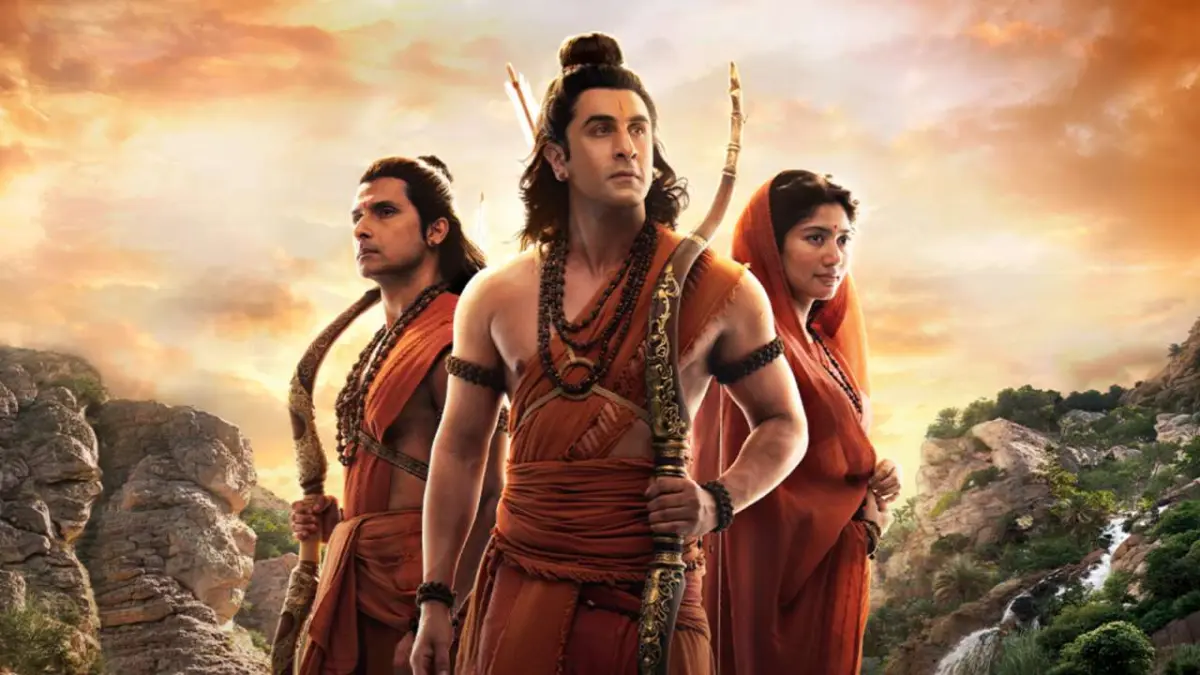
Mumbai, India – The highly anticipated cinematic adaptation of India’s most revered epic, the Ramayana, has officially ignited the anticipation of audiences worldwide with the unveiling of a breathtaking new poster and the confirmation of its release date. On the auspicious first day of Navratri, the makers of "Ramayana" revealed a visually stunning ensemble poster that prominently features Ranbir Kapoor as Lord Rama, Sai Pallavi as Sita, Ravie Dubey as Lakshman, and a formidable Yash as Ravana. The film, helmed by acclaimed director Nitesh Tiwari, is poised to be a monumental cinematic undertaking, with the first part set to grace cinemas globally on November 5, 2026, just days before the vibrant festival of Diwali. Advance bookings for this epic spectacle are slated to commence on Dussehra, promising an immediate surge of excitement among devoted fans.
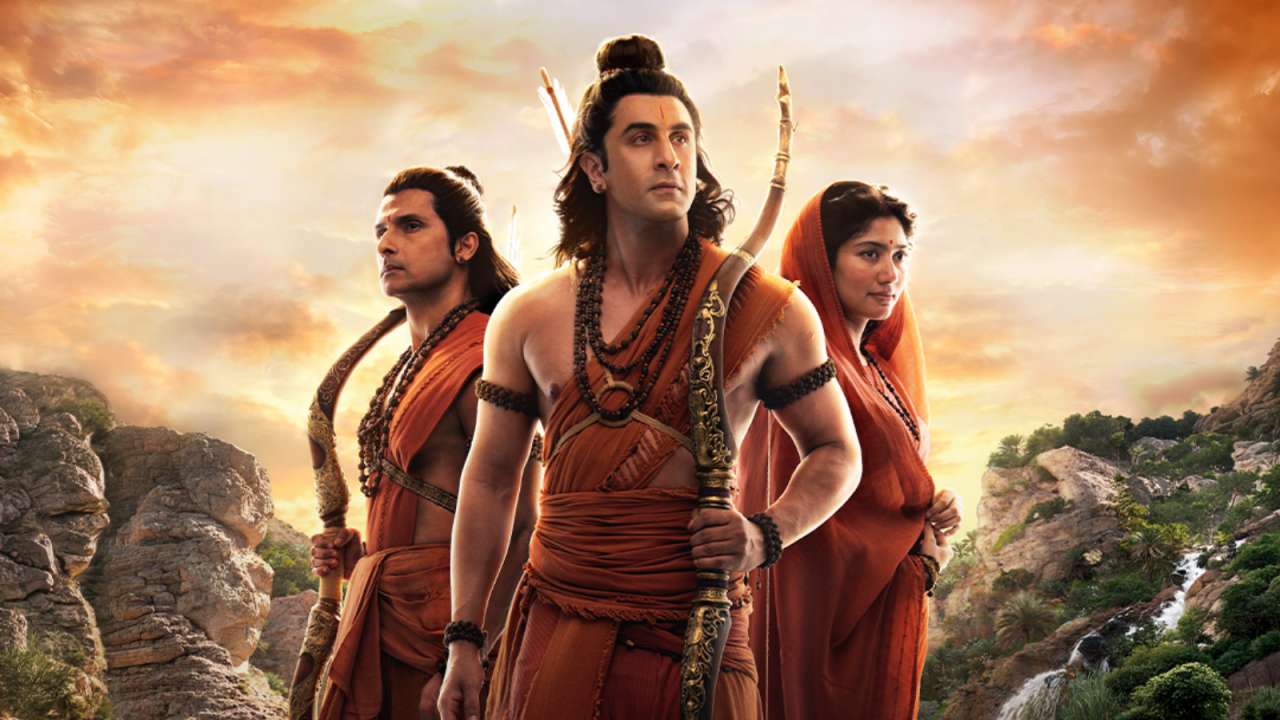
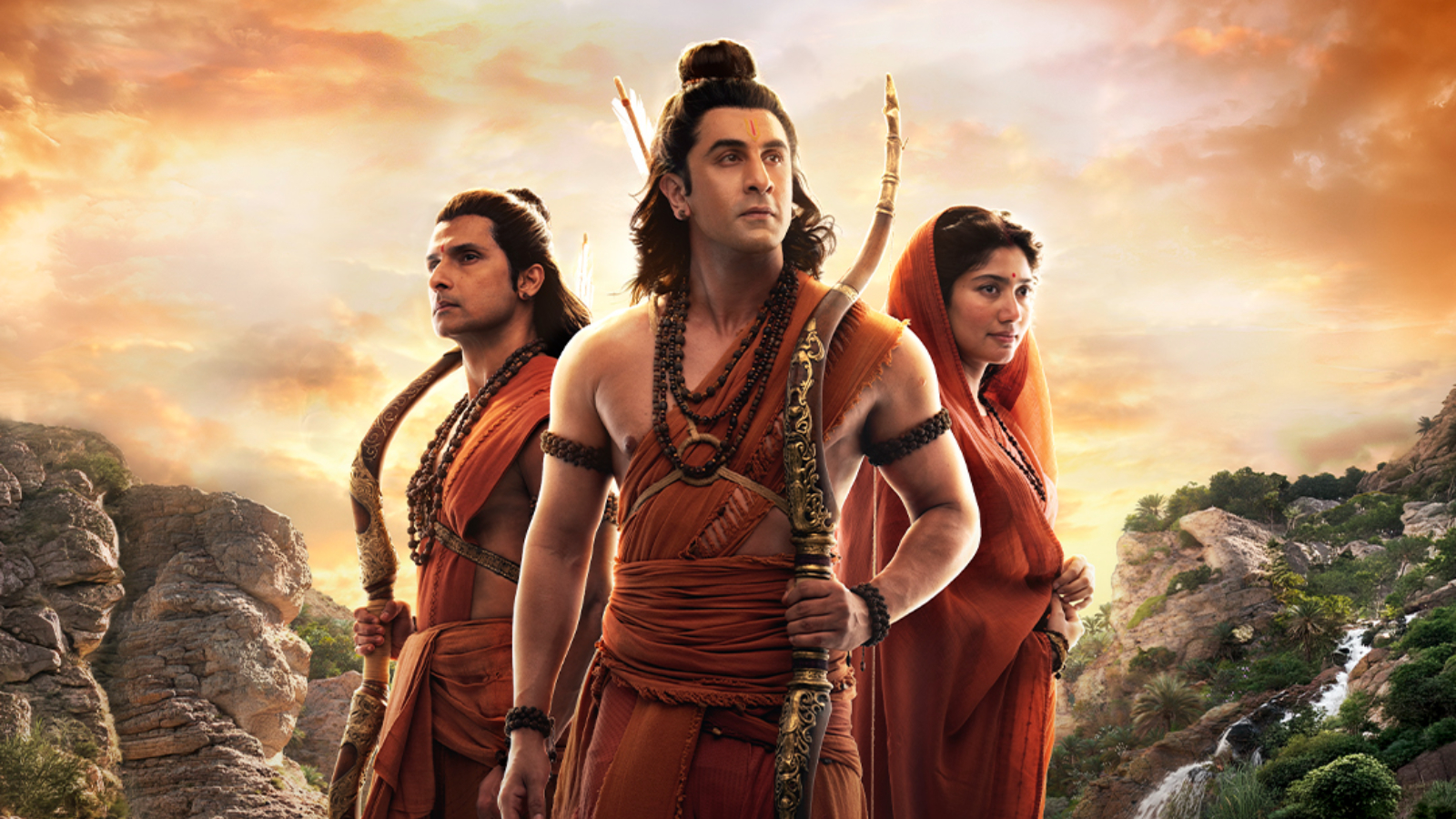
The tagline accompanying the poster, "Yeh Ram Ke Yug Ka Aarambh Hai" (This is the beginning of Rama’s era), serves as a powerful declaration of the film’s ambitious scope and its intent to usher in a new era of mythological storytelling on screen. The poster itself is a testament to the grandeur and meticulous craftsmanship that has gone into its production. Ranbir Kapoor, Sai Pallavi, and Ravie Dubey are depicted in the foreground, radiating divinity and strength as the central trio of the epic. In stark contrast, Yash’s portrayal of Ravana dominates the backdrop, his imposing presence hinting at the formidable antagonist that will drive the narrative’s central conflict. The intricate detailing of the costumes, the elaborate sets, and the overall visual palette suggest a film that aims to be both a faithful retelling and a visually spectacular cinematic experience.
)
A Pantheon of Stars: Assembling the Divine Cast
The directorial vision of Nitesh Tiwari, known for his nuanced storytelling and ability to bring complex narratives to life, is further amplified by an ensemble cast that reads like a dream roster of Indian cinema. Beyond the central quartet, "Ramayana" boasts a constellation of celebrated actors who will embody pivotal characters from this timeless saga. Sunny Deol is set to portray the mighty Hanuman, a character whose unwavering devotion and immense strength are integral to the Ramayana’s narrative. The supporting cast is equally impressive, featuring the seasoned talents of Lara Dutta, Sheeba Chadha, Arun Govil (who famously portrayed Lord Rama in the iconic 1980s television series), Vivek Oberoi, Rakul Preet Singh, Indira Krishnan, and Kunal Kapoor, among others. This deliberate selection of actors, many of whom have a deep connection to the mythological genre or possess a formidable screen presence, underscores the filmmakers’ commitment to authenticity and cinematic impact. The inclusion of Arun Govil, in particular, is a poignant nod to the legacy of the Ramayana on Indian television, potentially bridging generations of viewers.

A Cinematic Saga: Two Parts to Unfold the Epic
"Ramayana" is conceived as a grand two-part cinematic saga, a testament to the sheer scale and narrative depth of the epic. Produced by Namit Malhotra’s Prime Focus Studios in collaboration with the eight-time Oscar-winning visual effects company DNEG and Yash’s Monster Mind Creations, the film is positioned to leverage cutting-edge technology and world-class visual artistry. The collaboration with DNEG, renowned for its work on blockbusters like "Inception," "The Dark Knight," and the "Harry Potter" series, signals an intent to deliver visual effects of unparalleled quality, bringing the fantastical elements of the Ramayana to life with breathtaking realism.
)
The strategic release of Part 1 just before Diwali is a calculated move, aiming to capitalize on the festive fervor and the traditional inclination of Indian audiences to engage with grand narratives during this period. The choice of November 5, 2026, for the worldwide release, followed by Diwali on November 8, ensures that the film will be a central part of the celebratory atmosphere. This also allows ample time for audiences to immerse themselves in the world of Rama before the next installment. Part 2 is slated to arrive during Diwali 2027, creating a distinct two-year cinematic event that will undoubtedly capture the nation’s imagination. This phased release strategy is also a practical approach to managing the immense production demands of such an ambitious project, allowing each part to receive its due focus and impact.
)
The Genesis of an Era: Navratri Marks the Beginning
The choice of Navratri, a festival celebrating the divine feminine and the triumph of good over evil, for the poster launch is deeply symbolic. It aligns with the core themes of the Ramayana and sets a spiritual tone for the film’s unveiling. The official announcement, shared across social media platforms, resonated with a fervent message: "On the auspicious occasion of Navratri, we celebrate the beginning of a new era. Yeh Ram ke Yug ka Aarambh hai. Namit Malhotra’s Ramayana Part 1: In cinemas WORLDWIDE, across all premium formats, from 5th November. Advance bookings open on Dussehra." This announcement was accompanied by a tweet from the official "The World Of Ramayana" handle, solidifying the project’s presence in the digital sphere and its reach to a global audience. The mention of "all premium formats" further indicates a commitment to offering an immersive viewing experience, likely including IMAX and 3D, enhancing the visual spectacle.
)
A Deep Dive into the Narrative and Production
The Ramayana, a cornerstone of Hindu literature and philosophy, narrates the life of Prince Rama of Ayodhya, his banishment to the forest, the abduction of his wife Sita by the demon king Ravana, and Rama’s subsequent efforts to rescue her. It is a tale of dharma (righteousness), duty, love, sacrifice, and the eternal battle between good and evil. Retelling such a deeply ingrained story for a modern cinematic audience is a task that requires not only directorial prowess but also a profound understanding of the source material and the cultural significance it holds.
)
Nitesh Tiwari, whose previous directorial ventures like "Dangal" and "Chhichhore" have been lauded for their emotional depth and universal appeal, is well-equipped to navigate the complexities of the Ramayana. His ability to blend engaging narratives with strong character development suggests that this adaptation will likely resonate with a broad spectrum of viewers, not just those familiar with the epic. The casting of Ranbir Kapoor, an actor known for his versatility and ability to embody intense emotional performances, as Lord Rama is a significant choice. Similarly, Sai Pallavi, celebrated for her naturalistic acting and expressive portrayals, is expected to bring a unique depth to the character of Sita. The casting of Yash, who garnered international acclaim for his role as Rocky in "K.G.F.", as Ravana promises a powerful and menacing antagonist.
)
The technical aspects of the production are equally crucial for a film of this magnitude. The involvement of DNEG is a significant indicator of the film’s commitment to pushing the boundaries of visual effects. The meticulous recreation of ancient India, its kingdoms, its celestial weapons, and its mythical creatures will rely heavily on their expertise. The elaborate costumes and set designs, hinted at in the newly released poster, suggest a rich and immersive world-building process. This attention to detail is vital for creating a believable and engaging mythological universe that can transport audiences back in time.
)
The Economic and Cultural Ramifications
The release of a film as monumental as "Ramayana" carries significant economic and cultural implications. It has the potential to become one of the highest-grossing Indian films, both domestically and internationally, given the global appeal of the epic. The production itself provides employment to thousands of individuals across various sectors of the film industry, from technicians and artists to support staff. Furthermore, such a large-scale adaptation can reignite interest in the epic itself, potentially leading to renewed engagement with the literature, its philosophical teachings, and its cultural relevance among younger generations.
)
The film also faces the inherent challenge of meeting the high expectations of a diverse audience, many of whom hold deep personal and spiritual connections to the Ramayana. Filmmakers will need to strike a delicate balance between artistic interpretation and fidelity to the revered source material. Any deviation from established narratives or characterizations could spark debate and criticism. However, the current casting choices and the directorial pedigree suggest a conscious effort to approach the epic with reverence and artistic integrity.
)
Looking Ahead: The Dawn of a New Cinematic Era
With the release date firmly set and the first glimpse of its visual grandeur revealed, "Ramayana" is no longer just a project in development; it is a cinematic event on the horizon. The pre-Diwali release date for Part 1 is strategically positioned to capture the celebratory spirit of the festival, making it a focal point of entertainment. The opening of advance bookings on Dussehra, a day that commemorates the victory of good over evil, further amplifies the thematic resonance of the film.
)
As the world awaits November 5, 2026, the excitement surrounding "Ramayana" continues to build. The promise of a visually spectacular, star-studded, and epic retelling of one of humanity’s most enduring stories has firmly placed this film on the global cinematic radar. The journey of Prince Rama is about to unfold on an unprecedented scale, and audiences are poised to embark on this divine adventure. The "Ram ke Yug" has indeed begun, and its cinematic dawn is eagerly anticipated.
