

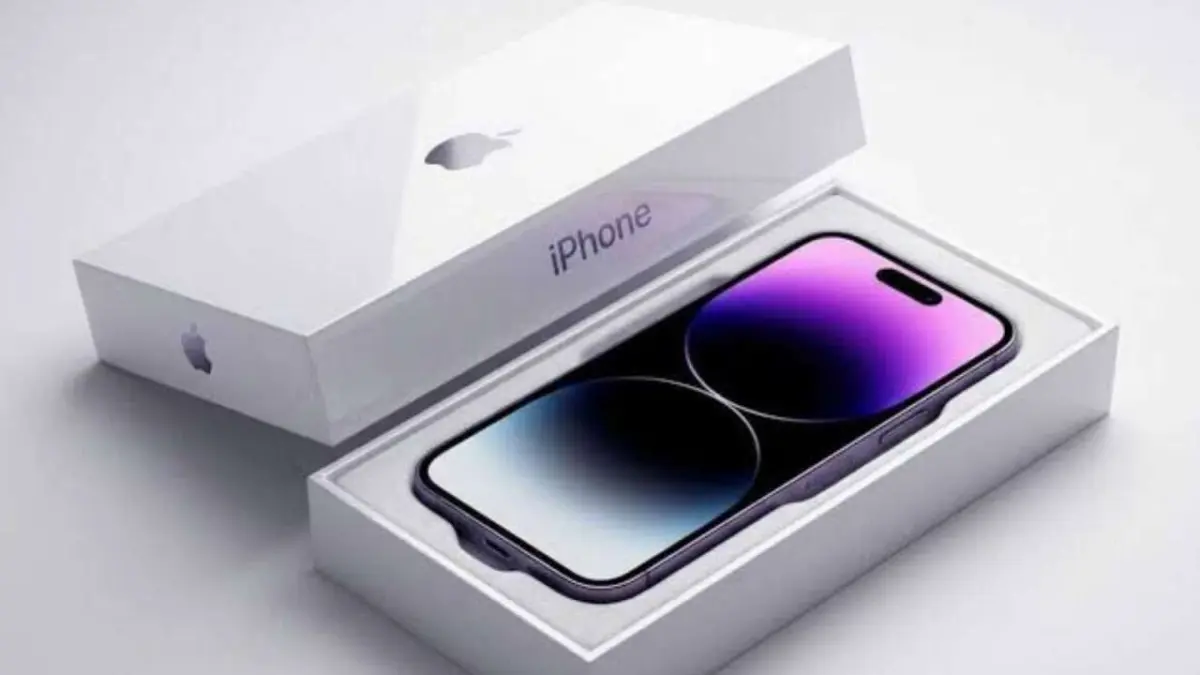
TECHNOLOGY
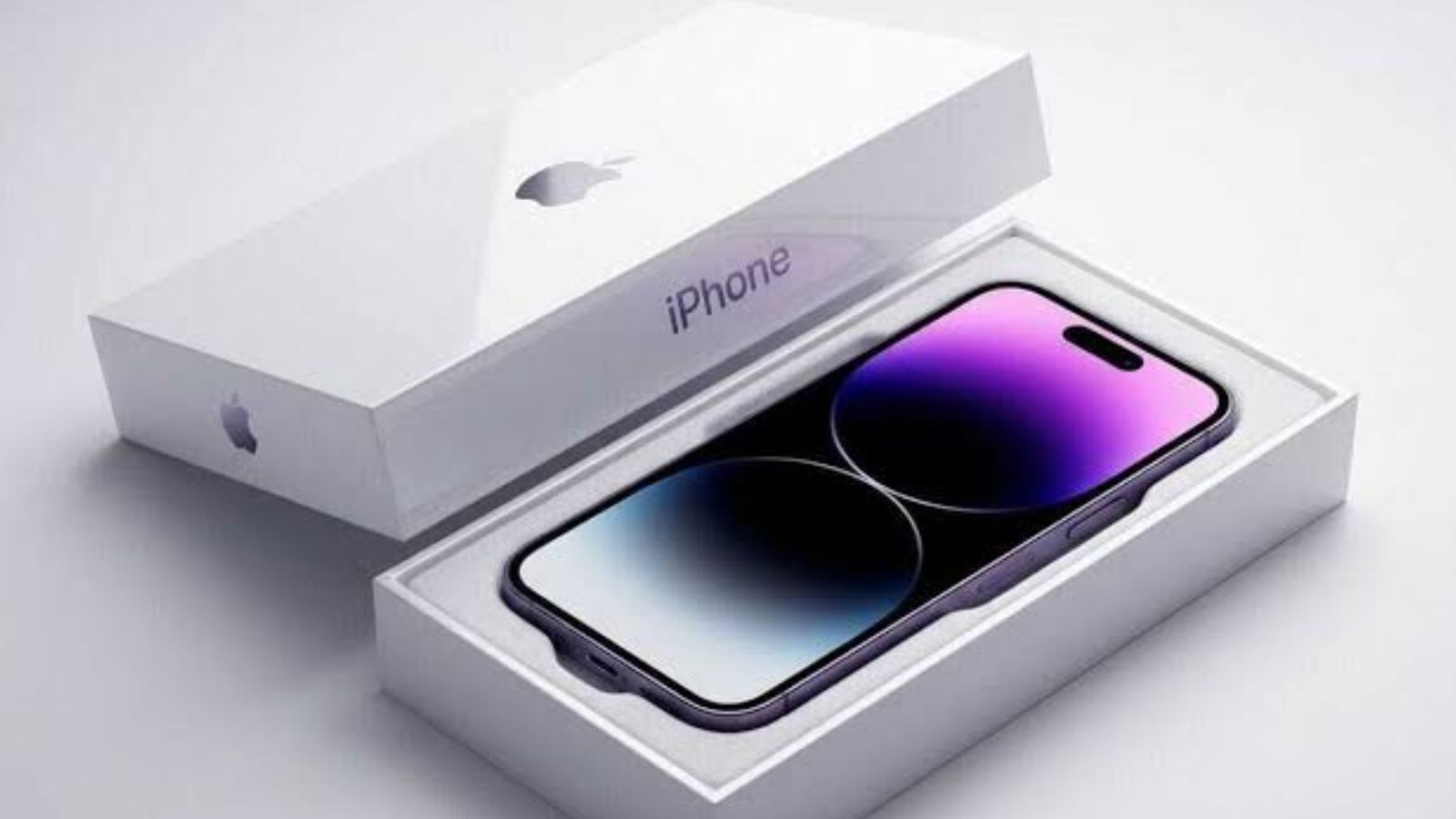
In a significant development signaling potential challenges for Apple’s latest premium smartphone offerings, reports indicate that the tech giant has requested its suppliers to reduce component orders for the iPhone 18 Pro and iPhone 18 Pro Max. This reported cut, estimated at 15 to 20 percent for the month of October, comes just weeks after the highly anticipated September launch, pointing towards a possible cooling of consumer demand in the face of rising prices and broader economic headwinds.

The news, initially broken by Nikkei Asia, a publication with a strong track record of accurate insights into Apple’s supply chain, suggests that even the formidable brand power of Apple may not be immune to the global economic climate. Analysts and industry observers are now scrutinizing the factors contributing to this apparent slowdown, chief among them the higher price points for the new Pro series and the escalating costs of crucial memory chips, further exacerbated by currency fluctuations in key markets.
The Unfolding Narrative: Main Facts and Initial Reactions
The core of the matter revolves around Apple’s directive to its component suppliers. For the flagship iPhone 18 Pro and its larger sibling, the iPhone 18 Pro Max, a reduction in component manufacturing of between 15% and 20% for the current month of October has been requested. This move is particularly noteworthy given the typical initial surge in demand following an iPhone launch, especially for the premium "Pro" models which often command longer waiting times.
)
The reported cuts are attributed to a confluence of factors, primarily "signs of cooling demand" among consumers. This softening of the market is, in turn, linked to the increased retail prices of the iPhone 18 Pro series compared to its predecessors, alongside the rising costs of key components, particularly memory chips. These twin pressures are creating a challenging environment for Apple, forcing a recalibration of production plans much earlier in the product cycle than might ordinarily be expected for a device of this stature.
While Apple traditionally maintains a staunch silence on supply chain rumors and future production plans, the Nikkei Asia report carries significant weight within the industry. Such reports, often based on confidential discussions with multiple suppliers across Apple’s vast manufacturing network, serve as an early, albeit unofficial, barometer of market performance and operational adjustments. The immediate implication is a potential downward revision of sales forecasts for the iPhone 18 Pro lineup in the crucial holiday quarter, a period traditionally dominated by Apple’s strong performance.

A Chronology of Anticipation and Adjustment
The journey of the iPhone 18 Pro series began long before its public unveiling, marked by intense speculation and high expectations, a hallmark of any new Apple product.
Pre-Launch Hype and Anticipation: Months leading up to the September event were filled with leaks and rumors, detailing potential upgrades like a more powerful A18 Pro Bionic chip, advanced camera systems, improved display technology, and possibly new satellite communication features. Industry analysts had largely anticipated robust demand, particularly for the Pro models, which have consistently driven a significant portion of Apple’s revenue and profit growth. The expectation was that these devices would continue to attract users seeking the pinnacle of smartphone technology, willing to pay a premium for Apple’s ecosystem and perceived quality.
)
The September Unveiling: Apple officially launched the iPhone 18 series in September, showcasing the new Pro models with their enhanced capabilities. During the launch event, Apple executives highlighted various innovations, including performance improvements, photographic advancements, and refinements to the user experience. Crucially, the pricing structure for the new models was also announced. In the United States, the iPhone 18 Pro saw a $100 price increase over its previous generation, a significant jump for an already premium device. In India, a critical emerging market for Apple, the iPhone 18 Pro started at Rs 1,64,900, with the iPhone 18 Pro Max commanding Rs 1,79,900. These price points immediately positioned the devices at the very high end of the market spectrum.
Initial Post-Launch Observations: Following the launch, there was an initial period where, as is typical for new iPhones, waiting times for delivery began to stretch, particularly for popular configurations of the Pro models. This is often interpreted as a sign of strong demand overwhelming initial supply. However, as October progressed, a shift began to be observed. UBS analysts, who closely track Apple’s supply chain and retail channels, reported a notable decrease in average waiting times for the iPhone 18 Pro in over 30 markets globally. While a reduction in waiting times could sometimes indicate improved supply chain efficiency, the context of subsequent reports suggests a more concerning interpretation: potentially reduced actual demand. This observation from UBS provided an early signal that the initial rush might be subsiding faster than anticipated, paving the way for the Nikkei Asia report confirming the production adjustments.
)
The October Production Cuts: The reported decision by Apple to instruct suppliers to reduce component production for October marks a critical juncture. It indicates that the company is responding proactively to what it perceives as a recalibration of market demand, rather than simply waiting for inventory to build up. This rapid adjustment, so soon after launch, underscores the sensitivity of the premium smartphone market to economic fluctuations and consumer spending patterns.
Supporting Data: A Web of Economic Pressures
The reported production cuts for the iPhone 18 Pro series are not isolated incidents but rather symptoms of a complex interplay of economic factors impacting both Apple’s operational costs and consumer purchasing power.
)
The Escalating Price Barrier:
The most direct factor cited is the higher price point of the iPhone 18 Pro series. The $100 increase in the US, while seemingly modest in percentage terms for a device costing over $1,000, pushes the base price of the Pro model even further into the ultra-premium segment. In markets like India, the local currency equivalent, Rs 1,64,900 for the Pro and Rs 1,79,900 for the Pro Max, represents a substantial investment for most consumers. This pricing strategy, while aimed at maintaining high revenue per unit and offsetting rising costs, also tests the elasticity of demand for even the most loyal Apple customers. There appears to be a growing segment of consumers who, while appreciating the brand, are becoming more price-sensitive, questioning whether the incremental upgrades justify the ever-increasing cost. This could lead to longer upgrade cycles or a shift towards older, more affordable iPhone models, or even competing premium Android devices.
Global Economic Headwinds and Inflation:
Beyond the device’s specific price, the global economic climate plays a critical role. Many economies worldwide are grappling with persistent inflation, rising interest rates, and a general tightening of household budgets. Consumers are facing increased costs for essentials like food, energy, and housing, leaving less disposable income for discretionary luxury purchases such as a new high-end smartphone. This broader economic uncertainty naturally leads to more cautious spending habits, even among affluent consumers who might otherwise upgrade their devices annually. The perceived value proposition of a new iPhone becomes more scrutinized when every dollar, rupee, or euro counts.
)
The Surge in Memory Chip Costs:
A significant contributor to Apple’s internal cost pressures is the global increase in memory chip prices. This surge is not primarily driven by smartphone demand but by the insatiable appetite from tech companies building advanced Artificial Intelligence (AI) data centers. The rapid expansion of AI infrastructure requires vast quantities of high-performance memory (DRAM and NAND flash), leading to a global supply crunch and subsequent price hikes. As a major consumer of these components, Apple’s Bill of Materials (BOM) for each iPhone unit has likely increased. While Apple’s immense buying power allows it to negotiate favorable terms, these market-wide trends inevitably impact production costs, which are then often partially passed on to the consumer through higher retail prices.
The Indian Market: A Dual Challenge:
India, a market Apple has been aggressively expanding into, presents a unique set of challenges. In addition to the global component cost increases, the weakening Indian Rupee against the US Dollar further exacerbates the situation. Since component costs are largely denominated in US dollars, a weaker rupee makes imports more expensive, forcing Apple to adjust local pricing upwards to maintain profit margins. This currency effect, combined with the overall economic slowdown in India, makes the already high price of the iPhone 18 Pro series even less accessible to a broader segment of the population, despite India’s growing aspirational middle class.
)
IDC’s Sobering Forecast:
The broader industry outlook reinforces these concerns. Research firm IDC anticipates a significant 16.7% drop in global smartphone shipments in 2026. This forecast paints a picture of a shrinking volume market. Paradoxically, IDC also expects the average selling prices (ASPs) of smartphones to rise by 27.6% in the same period. This indicates a bifurcation in the market: fewer phones are being sold overall, but the ones that are being purchased are increasingly expensive. Consumers are holding onto their devices for longer, only upgrading when absolutely necessary, and when they do, they are often opting for higher-end models that offer better longevity and features. This trend, while seemingly beneficial for premium players like Apple, also means that demand for each individual premium unit needs to be strong to offset the overall market contraction. If even a market leader like Apple faces demand issues for its most expensive models, it signals a tough road ahead for the entire industry.
UBS Analyst Insights on Waiting Times:
The observation by UBS analysts that average waiting times for the iPhone 18 Pro have decreased in over 30 markets is a critical piece of evidence. In the past, extended waiting times for new iPhones were a clear indicator of overwhelming demand. A swift reduction, especially so early after launch, strongly suggests that either Apple’s supply chain has become exceptionally efficient overnight (which is possible but less likely to be the sole reason for such a broad observation), or more plausibly, that the initial rush of orders has tapered off, and new demand is not keeping pace with production capabilities. This data point, combined with the Nikkei report, forms a compelling argument for cooling consumer enthusiasm.
)
Official Responses: Silence Amidst Speculation
Apple, as a matter of long-standing corporate policy, maintains a strict silence regarding supply chain rumors, production figures, and future product plans. This steadfast approach means there has been no official confirmation or denial of the Nikkei Asia report detailing the iPhone 18 Pro component order cuts.
This silence, while standard for Apple, leaves the market to interpret the implications based on the available reports and industry context. The absence of an immediate counter-narrative from Apple often lends additional credibility to reports from reputable sources that claim to have access to internal company or supplier information.
)
What has been implicitly communicated, however, is Apple’s current stance on pricing. The original article notes that Apple has not announced any price cuts for the iPhone 18 Pro series, and prices are expected to remain stable. This indicates that despite the reported demand headwinds, Apple is not currently planning to engage in aggressive pricing strategies or discounts for its flagship devices. This approach aligns with Apple’s premium brand positioning, where maintaining high average selling prices and perceived value often takes precedence over chasing volume through price reductions. It suggests that Apple might be banking on the long-term appeal of its products and brand loyalty to weather any short-term demand fluctuations, or that they believe the current price point accurately reflects the device’s value and their cost structure. Any potential price adjustments, if they were to occur, would likely be much later in the product cycle, or reserved for older models.
Implications: Ripples Across the Ecosystem
The reported production cuts for the iPhone 18 Pro series carry significant implications, not just for Apple but for the broader technology industry and consumer behavior.
)
For Apple’s Financial Health and Strategy:
A sustained slowdown in demand for the iPhone 18 Pro series could directly impact Apple’s financial performance in the upcoming quarters. The Pro models are crucial revenue drivers, often accounting for a disproportionately large share of profits due to their higher margins. Missed sales targets could lead to lower-than-expected revenue growth and potentially impact profit margins. This situation might prompt Apple to re-evaluate its pricing strategy for future generations, potentially exploring more aggressive innovation to justify premium pricing or considering different tiered pricing models. It also tests Apple’s vaunted supply chain management capabilities, requiring swift adjustments to avoid inventory buildup and maintain strong supplier relationships. Investors will be closely watching Apple’s upcoming earnings calls for any hints regarding iPhone sales performance and future outlook.
For the Global Smartphone Market:
The challenges faced by the iPhone 18 Pro reinforce a broader trend in the global smartphone market: a shift towards a market characterized by lower unit volumes but higher average selling prices. This means consumers are increasingly holding onto their phones for longer periods, and when they do upgrade, they are opting for more expensive, feature-rich devices that offer better longevity. If even Apple, a market leader with immense brand loyalty, is struggling with demand for its premium offerings, it signals a difficult environment for all smartphone manufacturers, especially those competing in the high-end segment. It underscores the intensifying pressure to innovate meaningfully and justify price points in a climate of constrained consumer spending and rising component costs. The IDC forecast of declining shipments but rising ASPs will likely accelerate, with only the most innovative or value-driven products finding success.
)
The Foldable iPhone Dilemma: A Steep Uphill Battle?
Perhaps one of the most significant implications, highlighted by the article, is the potential fate of Apple’s much-rumored and reportedly delayed foldable phone, the "iPhone Duo." The original report indicates a staggering price point of Rs 2,99,900 in India for the 256GB model, making it an ultra-premium device. A source cited by Nikkei Asia deemed it "pricey for a smartphone."
If consumers are already balking at the Rs 1.6-1.8 lakh price tags of the iPhone 18 Pro series, the prospect of shelling out nearly Rs 3 lakh for a foldable device presents an even steeper uphill battle for Apple. The foldable form factor itself introduces significant manufacturing complexities, from the specialized flexible display technology to the intricate hinge mechanisms, all while adhering to Apple’s notoriously stringent quality standards. These complexities inevitably drive up production costs, which are then passed on to the consumer.
)
The nascent foldable smartphone market is already challenging. While companies like Samsung have made strides in popularizing foldables, they still represent a niche segment, plagued by concerns over durability, software optimization, and their inherent premium pricing. For Apple to enter this market with an even more expensive, and reportedly delayed, offering, especially when the demand for its conventional flagship is showing signs of weakness, could be a significant risk.
The iPhone Duo’s appeal lies in offering a large screen in a compact form factor, a compelling proposition for specific users. However, at its reported price, it moves beyond a mere premium smartphone into the realm of luxury tech. In an economic climate where consumers are becoming more discerning and budget-conscious, the "Duo" might primarily serve as a "halo product" – a showcase of Apple’s engineering prowess – rather than a device aimed at significant commercial volume.
)
The advice for consumers remains pertinent: for such a substantial investment, especially in a rapidly evolving and expensive category like foldables, patience and careful evaluation are key. Users with functional phones should consider waiting for the technology to mature, for prices to potentially adjust, and to compare the iPhone Duo against other established foldables and even older, more affordable premium devices. The current market signals suggest that rushing into an ultra-premium, novel device like the iPhone Duo might not be the most prudent decision for many.
In conclusion, the reported production cuts for the iPhone 18 Pro series serve as a stark reminder that even industry giants like Apple are not immune to the pervasive forces of global economics. The interplay of higher device prices, escalating component costs, and a tightening consumer purse string is creating a challenging landscape, forcing strategic adjustments and raising questions about the future of premium smartphone demand and the viability of ultra-expensive new form factors. The coming months will be critical in determining the true extent of these demand headwinds and how Apple navigates this complex environment.
