

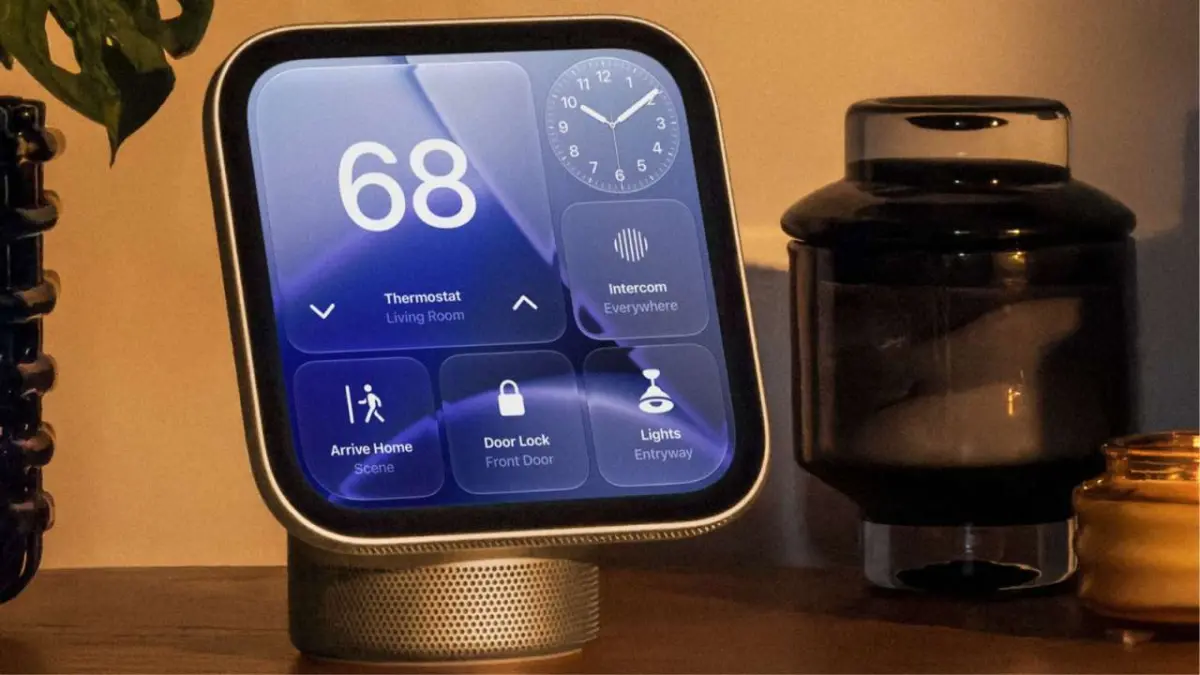
NEW YORK, USA – Apple has officially thrown its hat back into the smart home ring with the introduction of the HomeView, a 7-inch smart display designed to seamlessly extend the iPhone experience into the heart of the home. Priced at USD 299 and slated for a November launch, HomeView represents a strategic pivot for the Cupertino giant, emphasizing simplicity, personalization, and—critically—privacy, as it gears up to challenge the decade-long dominance of Amazon and Google in the connected home ecosystem.
Main Facts: Apple’s HomeView Enters the Smart Home Arena
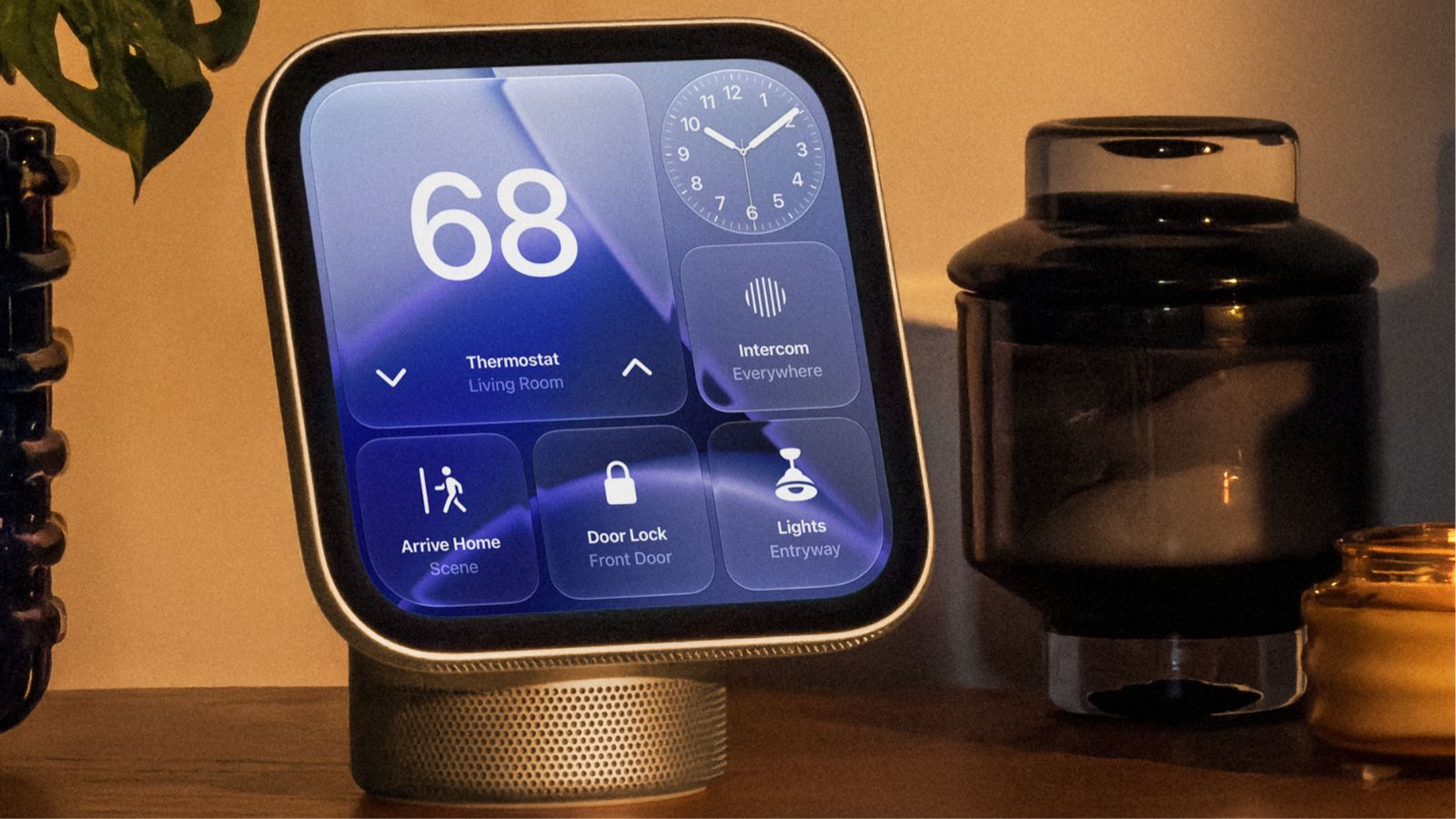
Apple’s HomeView is positioned not as a revolutionary standalone device, but rather as an intuitive extension of the user’s iPhone, bringing a familiar interface and personalized intelligence to shared living spaces. Unveiled at a recent New York event, the device is a compact 7-inch touchscreen, aesthetically designed with Apple’s signature minimalist elegance. It offers versatile placement options, capable of resting on an aluminium base or discreetly wall-mounted, blending effortlessly into various home aesthetics.
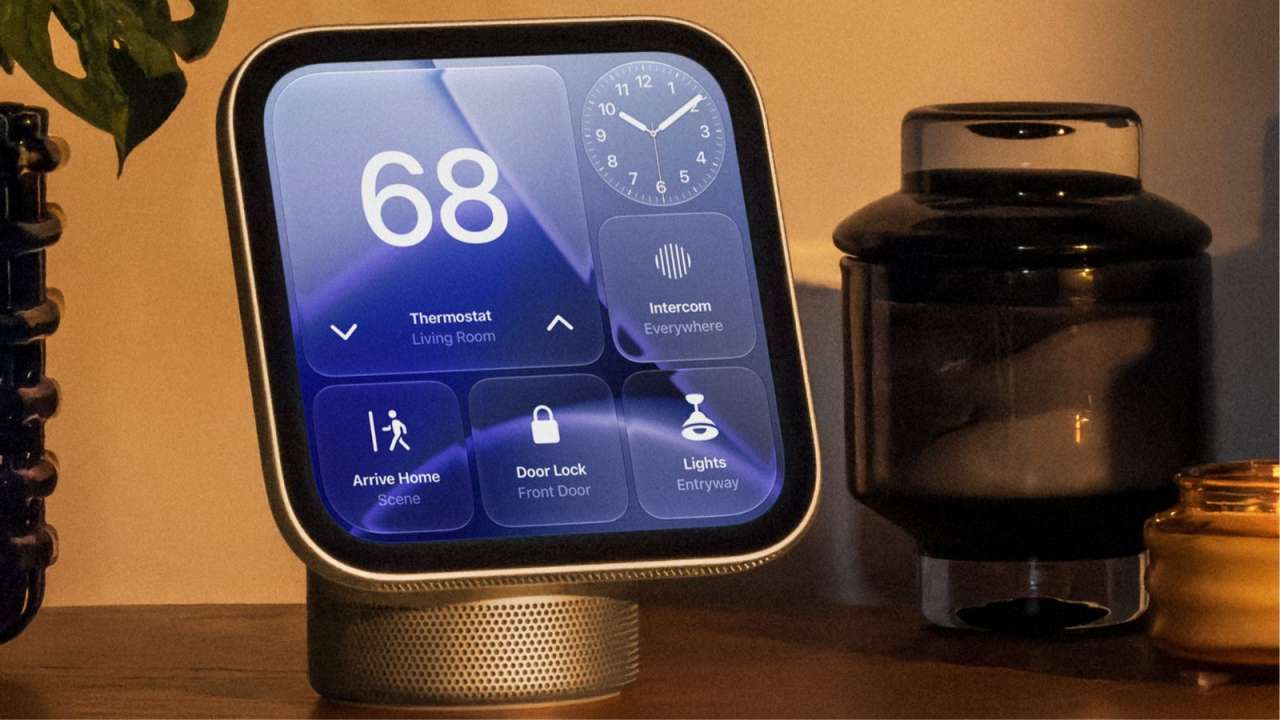
At its core, HomeView is powered by a personalized Siri AI, leveraging advanced camera and voice recognition technologies to tailor the user experience. This personalization extends to individual home screens, displaying relevant apps, calendar appointments, and notifications pertinent to the person interacting with it. Crucially, HomeView does not store sensitive personal data directly on the device. Instead, it intelligently relies on a nearby iPhone for contextual information and processing, a design choice Apple believes will foster unparalleled user confidence in data privacy.
While built-in Apple applications such as FaceTime and Apple Music are readily accessible, the integration of third-party apps like Spotify will initially require support from the paired iPhone, underscoring its role as an extension rather than a completely independent hub. This approach aims to streamline the user experience, ensuring that the features and services users already enjoy on their iPhones are effortlessly mirrored and enhanced within the home environment. The USD 299 price point places HomeView firmly in the premium segment of the smart display market, aligning with Apple’s established strategy of targeting high-end consumers who prioritize design, integration, and a robust ecosystem.
)
Chronology: Apple’s Smart Home Journey and the Evolving Landscape
The launch of HomeView marks Apple’s second significant foray into the smart home device market, a journey characterized by both ambition and learning curves. The company’s initial venture, the HomePod smart speaker, was introduced in 2018. While lauded for its exceptional audio fidelity, the HomePod struggled to gain substantial traction against the entrenched offerings from Amazon and Google. With a premium price tag of USD 349 at launch, and perceived limitations in its smart assistant capabilities and third-party integration compared to Alexa and Google Assistant, the HomePod achieved only around 6% market share, prompting Apple to eventually discontinue the original model and introduce a smaller, more affordable HomePod Mini.
This history provides critical context for HomeView. The intervening years have seen the smart home market mature significantly, yet not without its own set of challenges for the dominant players. Amazon, with its Echo line, and Google, with its Nest Hub devices, have collectively spent nearly a decade cultivating the smart home ecosystem. They have flooded the market with a plethora of devices, often at aggressive price points, and integrated a vast array of third-party services. However, despite their head start and extensive product lines, neither company has managed to establish an undisputed, clear lead or a universally beloved user experience. Consumers frequently voice concerns over complexity, fragmented ecosystems, and, increasingly, data privacy.

It is against this backdrop of an evolving, yet still somewhat chaotic, smart home landscape that Apple has carefully engineered HomeView. The announcement at the New York event signals a deliberate strategy to re-enter the market with a refined proposition, one that directly addresses the pain points and unmet needs that have emerged from the first wave of smart home adoption. With a November launch, Apple aims to capture the crucial holiday shopping season, offering a distinct alternative to the established players by emphasizing its core strengths: user-centric design, robust ecosystem integration, and a renewed focus on privacy and simplicity.
Supporting Data: A Premium Play in a Crowded Market
Apple’s decision to price HomeView at USD 299 immediately positions it at the higher end of the smart display spectrum. To understand this strategy, a brief look at the competition is essential. Google’s Nest Hub (2nd Gen) typically retails around USD 99-129, with the larger Nest Hub Max hovering around USD 229. Amazon offers its Echo Show 8 (2nd Gen) for about USD 129, and the premium Echo Show 10 (3rd Gen) for approximately USD 249. While HomeView’s price point is certainly premium, it aligns with Apple’s consistent market positioning, where it often commands higher prices based on perceived value, brand loyalty, and ecosystem advantages.
)
The performance of the original HomePod, with its modest 6% market share, serves as a stark reminder of the challenges in this segment. Analysts attributed this limited success not only to its price but also to its relatively closed ecosystem and Siri’s perceived limitations compared to Alexa and Google Assistant at the time. Apple appears to have learned from this, designing HomeView to explicitly function as an iPhone extension, thereby leveraging its colossal installed base of iPhone users and their familiarity with the iOS ecosystem.
This strategy is not new for Apple. The iPhone itself, consistently priced higher than its Android counterparts, has nevertheless maintained its dominance in the premium smartphone market globally. This success is often attributed to the seamless integration of hardware and software, a superior user experience, strong brand perception, and a perceived commitment to privacy. Apple is betting that these same tenets will resonate with smart home consumers.
)
The core of Apple’s supporting argument for HomeView lies in its "boring" strategy. In an era where AI products are often characterized by their complexity, vast data collection, and sometimes, unpredictable interactions, Apple is deliberately choosing a path of simplicity and trustworthiness. HomeView’s design, which relies on a nearby iPhone for contextual data rather than storing sensitive information locally, directly addresses growing consumer anxiety about data privacy in the age of omnipresent smart devices. This is a critical differentiator, especially as public awareness of data breaches and algorithmic biases increases. By offering personalized features—such as individual Spotify accounts (via iPhone), iMessages, and FaceTime calls—within a secure, familiar ecosystem, Apple aims to foster user confidence that their data is protected and their interactions are private. This emphasis on privacy is not just a feature; it is a strategic pillar intended to build a foundation of trust that many competitors have struggled to establish.
Official Responses: Apple’s Vision for a Trustworthy Smart Home
While direct official quotes regarding HomeView are sparse beyond its initial announcement, Apple’s strategic intent and philosophy are clearly articulated through the device’s design and stated capabilities. The company’s consistent messaging emphasizes simplicity, elegance, and user empowerment. HomeView is presented as an embodiment of these principles, designed to demystify the smart home experience rather than complicate it.
)
Apple’s leadership, through its product introductions, has long championed the idea of technology seamlessly integrating into users’ lives without demanding constant attention or raising privacy concerns. With HomeView, this vision translates into a device that acts as a natural extension of the user’s existing Apple ecosystem, rather than an entirely new learning curve. The emphasis on HomeView as an "iPhone extension" is a deliberate choice, signaling that users will not need to adapt to a completely new interface or set of commands. Instead, their personalized Siri, their favorite Apple apps, and their familiar iOS experience will simply extend to the 7-inch display.
The "boring" strategy, as some commentators have dubbed it, is Apple’s tacit official response to the perceived shortcomings of the broader smart home market. It implies a deliberate move away from the "feature bloat" and data-hungry models that have characterized some competitor offerings. Apple’s belief is that there is a significant, untapped market for a simpler, more reliable gadget that deeply integrates with the iPhone and proactively tackles privacy issues head-on. This isn’t just about selling a device; it’s about selling peace of mind and the promise of a truly personalized, yet private, home environment.
)
Furthermore, Apple’s decision to maintain a premium price point, despite the HomePod’s previous challenges, is a strong indication of its unwavering confidence in its brand value and the loyalty of its user base. It underscores their belief that quality, design, and a coherent ecosystem experience justify a higher investment for discerning consumers. For Apple, HomeView isn’t merely a product; it’s a statement about their long-term commitment to defining the future of connected living through their unique lens of user-centric design and privacy-first innovation.
Implications: Reshaping the Smart Home Landscape
The introduction of HomeView carries significant implications for the smart home market, Apple’s ecosystem, and the broader conversation around privacy and AI.
)
Disrupting the Duopoly: For nearly a decade, the smart home market has largely been a battleground between Amazon’s Alexa and Google’s Assistant. While both have built extensive device portfolios and formidable platforms, neither has achieved definitive dominance or universal user satisfaction. HomeView represents a formidable new entrant, backed by Apple’s immense brand power and loyal customer base. While it may not immediately unseat the incumbents, it certainly has the potential to carve out a substantial premium niche, potentially forcing Amazon and Google to re-evaluate their own strategies regarding privacy, simplicity, and ecosystem integration.
Strengthening the Apple Ecosystem: HomeView is designed to be an iPhone extension, a strategic move that further strengthens Apple’s already formidable ecosystem. For existing iPhone users, HomeView offers a compelling reason to deepen their commitment to Apple products, creating an even more seamless and interconnected experience across their devices. This could lead to increased sales of other Apple services and hardware, as users seek to maximize the benefits of a fully integrated home. Conversely, for users outside the Apple ecosystem, HomeView might serve as an enticing gateway, potentially encouraging them to consider an iPhone as the central hub for their smart home.
)
Privacy as a Differentiator: In an increasingly data-conscious world, Apple’s explicit emphasis on privacy with HomeView could be its "secret weapon." By relying on a nearby iPhone for contextual data and processing, and not storing sensitive personal information directly on the device, Apple is directly addressing one of the biggest consumer anxieties surrounding smart home devices. If consumers truly prioritize privacy, HomeView could set a new standard, forcing competitors to enhance their own privacy safeguards and transparency. This could elevate privacy from a secondary concern to a primary purchasing factor in the smart home market.
Challenges and Opportunities: Despite its promising premise, HomeView faces several challenges. Its USD 299 price point remains a barrier for budget-conscious consumers. Overcoming the lingering perception of the HomePod’s limited success will also be crucial. Apple will need to effectively communicate HomeView’s distinct value proposition—its simplicity, personalization, and privacy—to differentiate it clearly from its predecessors and competitors.
)
However, the opportunities are vast. If HomeView succeeds in establishing trust and delivering a genuinely seamless, personalized experience, it could catalyze a new wave of smart home adoption, particularly among those who have been hesitant due to privacy concerns or perceived complexity. Furthermore, as Apple gradually opens its ecosystem (e.g., Matter smart home standard), there’s potential for HomeView to become a central, trusted hub for an even wider array of smart home devices, cementing its place in the connected home landscape.
Ultimately, HomeView is more than just a 7-inch screen; it’s a strategic declaration from Apple. It signals a refined understanding of the smart home market, a commitment to leveraging its core strengths of design and ecosystem integration, and a bold bet that in an increasingly complex digital world, simplicity, personalization, and unwavering privacy will be the keys to unlocking the true potential of the intelligent home. Its success will not only reshape Apple’s role in the smart home but could also redefine consumer expectations for the next generation of connected living.
