

PUNE, MAHARASHTRA – In a move that solidifies India’s position as a cornerstone of its global growth strategy, Hyundai Motor India Limited (HMIL) officially inaugurated its state-of-the-art manufacturing facility in Talegaon, Pune, on October 14, 2026. The ceremony, attended by Maharashtra Chief Minister Devendra Fadnavis and top global executives from the Hyundai Motor Group (HMG), marks the beginning of a transformative era for the South Korean automaker in the Indian subcontinent.
With a phased investment plan totaling Rs 11,000 crore, the Pune plant is set to become a benchmark for automotive excellence, integrating Industry 4.0 technologies and sustainable manufacturing practices. The inauguration coincides with a series of historic milestones for the company, including 30 years of operations in India, the achievement of 1 crore domestic sales, and the celebration of 40 lakh cumulative exports.
Main Facts: A Massive Industrial Undertaking
The Talegaon facility represents one of the most significant industrial investments in Maharashtra’s recent history. The plant, which Hyundai acquired from General Motors India in 2023, has undergone an extensive overhaul to align with Hyundai’s global standards.
Capacity and Production Targets
Currently, the Pune plant boasts an installed annual production capacity of 1.70 lakh vehicles. However, this is merely the starting point. Hyundai has outlined a roadmap to expand this capacity to 3.20 lakh units annually by 2030. When combined with the existing operations at the Chennai facility, Hyundai Motor India’s total manufacturing capability will surge to nearly 11.4 lakh vehicles per year. This massive scale positions HMIL as a formidable hub for both the domestic market and international demand.

Powering the Vehicles: The Engine Shop
A critical component of the Talegaon campus is its dedicated engine shop. With an annual capacity to produce 1.50 lakh engines, the facility ensures a self-reliant supply chain for the vehicles rolling off the assembly lines. This vertical integration is designed to optimize costs and maintain stringent quality control over the powertrain components.
The Rs 11,000 Crore Roadmap
The investment of Rs 11,000 crore is structured in phases. The initial capital has been utilized for the acquisition, refurbishment, and installation of the first line of production. Subsequent phases will focus on capacity doubling, the introduction of new model lines, and the integration of advanced powertrain technologies, including hybrid and potentially electric vehicle (EV) assembly.
Chronology: From Acquisition to High-Tech Hub
The journey to the Talegaon inauguration has been a swift and strategic maneuver by Hyundai to capture market share and overcome capacity constraints at its Chennai base.
- 2023: The Strategic Acquisition: Hyundai Motor India finalized the acquisition of the General Motors (GM) Talegaon plant. This move was seen as a masterstroke, allowing Hyundai to bypass the lengthy lead times associated with greenfield projects.
- 2024–2025: Modernization and Re-tooling: The facility underwent a total digital and physical transformation. Hyundai integrated its "E-FOREST" platform, a digital manufacturing ecosystem that connects all stages of production.
- Q4 2025: The First Roll-out: Commercial production commenced in the final quarter of 2025. The first model to claim the "Made in Pune" tag was the new-generation Hyundai Venue.
- October 14, 2026: Formal Inauguration: The official ribbon-cutting ceremony marked the plant’s full operational status and its integration into the global Hyundai supply chain.
- 2026–2030: The Expansion Phase: The company enters a four-year window of aggressive expansion, aiming to hit the 3.20 lakh unit mark and diversify the product portfolio.
Supporting Data: Technical Excellence and Industry 4.0
The Pune plant is not merely a factory; it is a showcase of "Smart Manufacturing." Hyundai has emphasized that this facility is among its most advanced globally.

AI and Digital Integration
The plant operates on the principles of Industry 4.0. Key features include:
- AI-Based Quality Inspection: High-speed cameras and artificial intelligence algorithms perform real-time defect detection, ensuring that every vehicle meets global quality benchmarks before leaving the floor.
- Predictive Maintenance: Sensors throughout the assembly line monitor machine health, predicting potential failures before they occur to minimize downtime.
- E-FOREST Platform: This proprietary system integrates data from the supply chain, production floor, and logistics to create a seamless, transparent manufacturing flow.
Workplace Safety and Recognition
The human element remains central to the facility’s design. The campus includes extensive medical and wellness facilities and utilizes AI-enabled systems to monitor workplace safety. This commitment to a "people-centric" design earned the facility the prestigious 2026 Red Dot Award for workplace excellence.
Research and Development Collaboration
Furthering its commitment to local innovation, Hyundai is collaborating with seven leading Indian institutes on approximately 40 research projects. These initiatives focus on:
- Advanced battery technology.
- Electrification strategies tailored for Indian road conditions.
- Future mobility solutions, including autonomous driving aids.
Official Responses: Voices from the Leadership
The inauguration was a high-profile event featuring a "who’s who" of automotive and political leadership.

Shri. Devendra Fadnavis, Chief Minister of Maharashtra, lauded the investment as a testament to the state’s industrial prowess. "Hyundai’s decision to invest Rs 11,000 crore in Talegaon reinforces Maharashtra’s position as the automotive capital of India. This facility will not only create thousands of jobs but also foster a culture of high-tech manufacturing in our region."
Mr. Euisun Chung, Executive Chair of Hyundai Motor Group, highlighted the strategic importance of the Indian market. "India is more than just a market for us; it is a global manufacturing hub. Our investment in Pune is a clear signal of our long-term commitment to ‘Make in India’ for the world."
Mr. Tarun Garg, Managing Director & CEO of HMIL, emphasized the operational impact. "The phased investment will support our manufacturing expansion, industrial development, and innovation. With the Pune plant now operational, we are better equipped to meet the evolving needs of our customers and strengthen our role in global shipments."
The Supplier Ecosystem: Economic Ripples
The impact of the Talegaon plant extends far beyond the walls of the Hyundai campus. A massive supplier ecosystem has sprouted in the Pune industrial belt to support the facility’s requirements.

- Supplier Investment: 55 supplier partners have already invested approximately Rs 4,600 crore in Maharashtra to align with Hyundai’s production needs.
- Proximity Logistics: In a move to optimize "Just-in-Time" manufacturing, nearly 50% of the supplier sourcing network is located within a 50-kilometer radius of the plant.
- Employment Generation: According to company data, this Tier 1 and Tier 2 vendor network has generated more than 18,000 employment opportunities in the state, providing a significant boost to the local economy.
Strategic Implications: Hybrids, Exports, and Market Dominance
The inauguration of the Pune plant carries deep implications for the future of the Indian automotive market.
The Hybrid Pivot
One of the most significant revelations regarding the Pune facility is its flexible production system. The lines are designed to accommodate multiple powertrains, including Internal Combustion Engines (ICE) and hybrid vehicles. While Hyundai has not officially confirmed specific models, industry observers are closely watching for the next-generation Creta Hybrid, rumored for a 2027 launch. The ability to manufacture hybrids in Pune allows Hyundai to pivot quickly as consumer preferences shift between petrol, hybrid, and electric options.
Global Export Hub
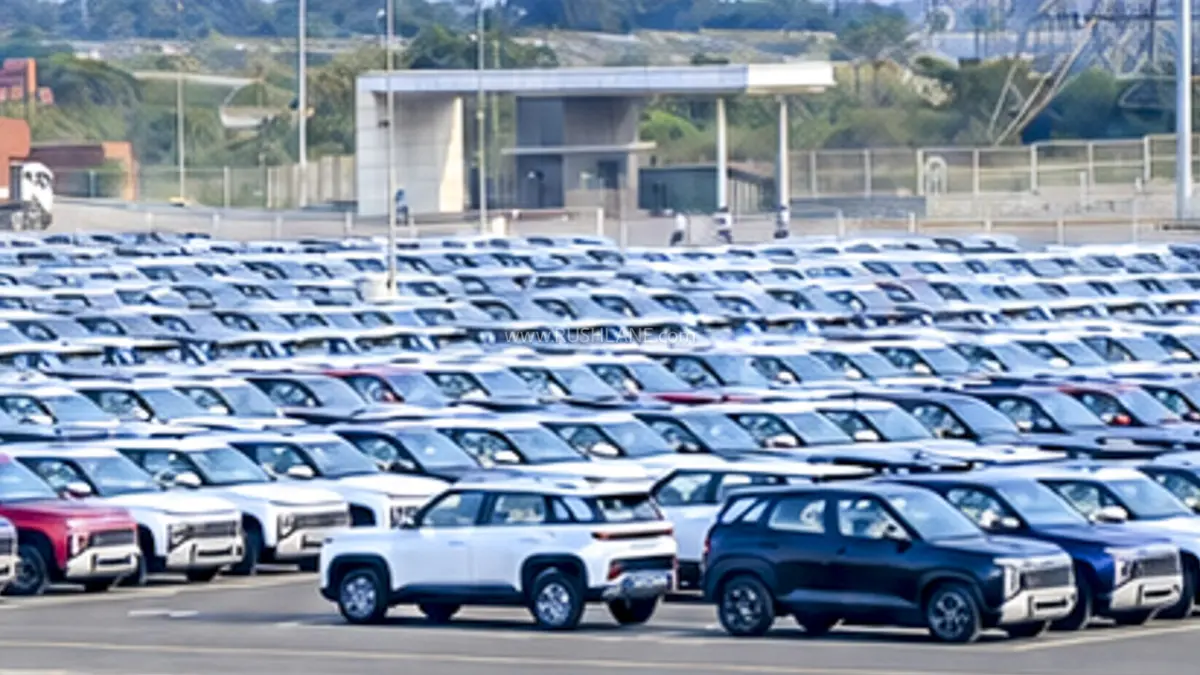
Hyundai is already India’s largest cumulative passenger vehicle exporter, having reached the 40-lakh unit milestone since 1999. The Pune plant is destined to play a starring role in the next 40 lakh. The new Venue, manufactured exclusively in Pune, is already being shipped to global markets. Hyundai plans to expand its export reach from this facility to more than 35 countries, leveraging Pune’s proximity to major shipping ports on the western coast.
Domestic Competition
By reaching a total capacity of 11.4 lakh units, Hyundai is narrowing the gap with market leaders. This increased capacity allows for shorter waiting periods for popular models and provides the "breathing room" necessary to launch niche products without cannibalizing existing production lines.

Conclusion: A Thirty-Year Legacy Continues
As Hyundai celebrates 30 years in India, the Talegaon inauguration serves as a bridge between a successful past and a high-tech future. With 1 crore domestic sales in the rearview mirror, the company is now looking toward a future defined by electrification, smart technology, and global export dominance.
The Rs 11,000 crore investment in Pune is more than a financial commitment; it is a vote of confidence in India’s manufacturing capabilities. As the first hybrids and advanced SUVs begin to roll off the Talegaon lines, the facility will undoubtedly stand as a symbol of Hyundai’s "Home away from home" philosophy, driving both the company and the Indian automotive industry toward a more innovative and sustainable horizon.
