

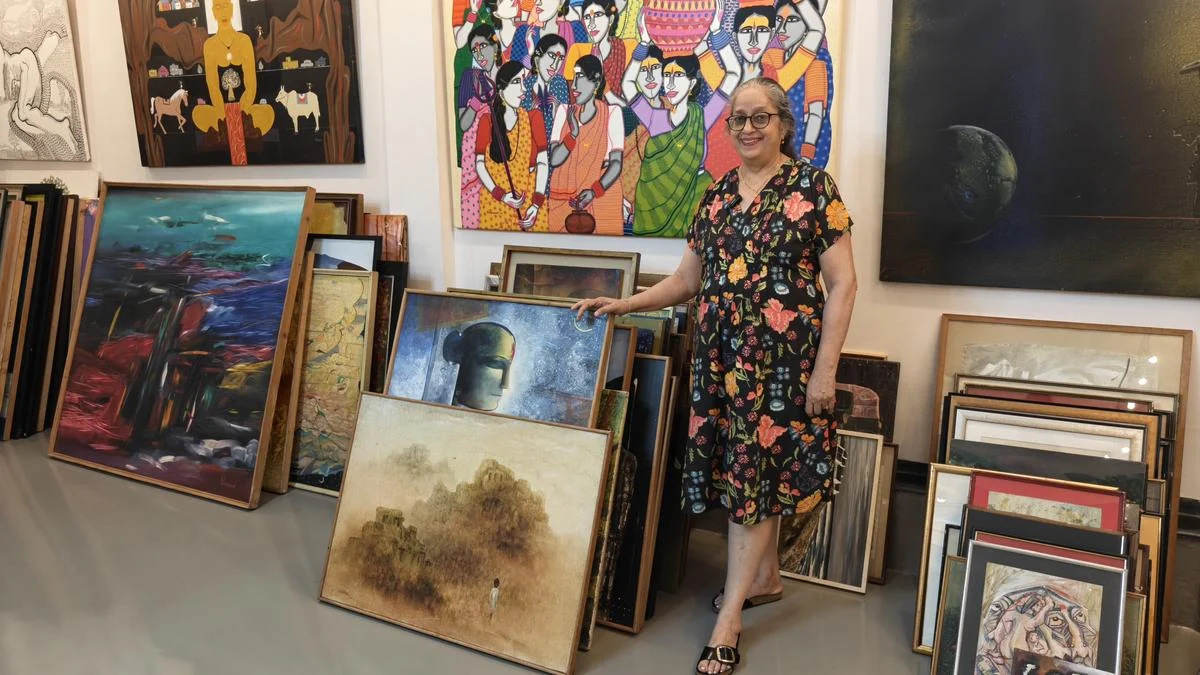
Chennai, India – The eternal question of how art is valued has, for decades, been a central tenet of the art world. While cultural significance, market demand, and the pristine condition of a piece are often the yardsticks, the discovery of something truly rare can shatter these established norms. This inherent ambiguity, where the rules are fluid and subject to the unique nature of unearthed treasures, is precisely what is captivating visitors at Sarala’s Art Centre in Chennai. In a move that transcends a conventional exhibition, the gallery, in celebration of its 60th anniversary, has opened its extensive archives, inviting the public on an unprecedented journey through the rich tapestry of modern Indian art.
A Deep Dive into Artistic Heritage
Sarala’s Art Centre, a venerable institution in Chennai’s art landscape, is currently hosting a sale that is more akin to an archaeological expedition than a typical gallery display. The ground floor of the centre is a treasure trove, brimming with decades of artistic output – paintings, prints, and sculptures that have quietly resided in its vaults. These works represent a sprawling spectrum of Indian art, featuring celebrated masters like M.F. Husain and Paritosh Sen, alongside the contributions of countless lesser-known artists who have, over the years, passed through the gallery’s influential orbit.
The exhibition is not curated around a singular theme or artistic movement. Instead, it embraces the serendipity of discovery. Visitors are encouraged to immerse themselves in the sheer volume and variety, sifting through stacks of art, pausing at unfamiliar names, and unearthing unexpected gems. This approach deliberately moves away from the conventional, often intimidating, presentation of art, fostering a more personal and engaging experience.
The Vision Behind the Unveiling: Sarala Banerjee’s Perspective
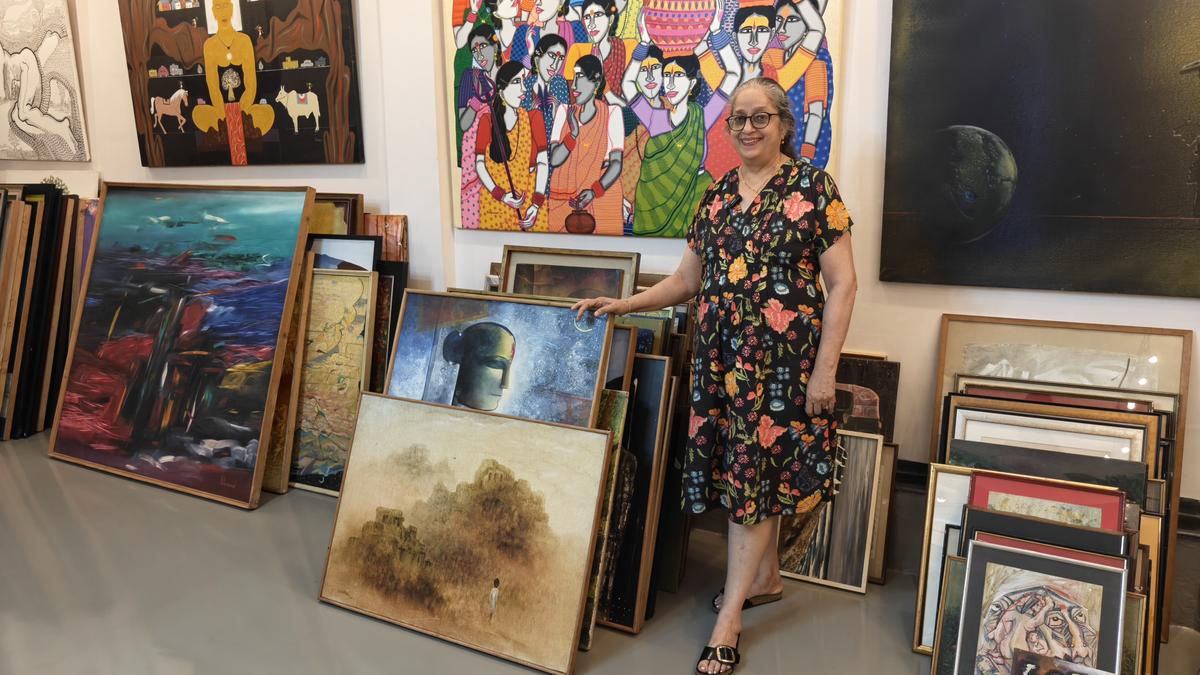
Sarala Banerjee, the esteemed owner of the gallery, articulates the driving force behind this extraordinary undertaking. "We deal with so many artists, and sometimes we don’t do justice to them," she admits. "Things go into the background, and then we don’t even see them for many years. So, this is a way of taking everything out from inside and making it visible." This sentiment underscores a deep-seated commitment to giving visibility to artists who might otherwise fade into obscurity within the gallery’s vast holdings.
The decision to bring these archival works back into public view is also a response to practical necessities. Over its six-decade history, Sarala’s Art Centre has amassed an enormous collection, a testament to its enduring legacy and extensive engagement with artists. This accumulation, however, has also led to a significant spatial constraint. "We also had a lack of space, since we have too much stuff from the past and also recent works," Sarala explains. "So, we are trying to make it accessible to people and let them enjoy what we do." This dual objective – to re-introduce overlooked art and to manage its extensive collection – has culminated in this unique archival sale.
Rather than returning unsold works to the artists, the gallery has opted to reintroduce them into the market at accessible price points. This strategy not only benefits art enthusiasts looking for unique pieces but also ensures that the legacy of these artists continues to be appreciated and acquired.

A Staggering Scale of Artistic Endeavour
The sheer magnitude of the gallery’s archive is, by all accounts, staggering. Sarala Banerjee estimates that the centre has collaborated with approximately 400 to 500 artists throughout its history. The current sale alone showcases works by over 100 artists, representing a diverse array of generations, artistic mediums, and stylistic expressions.
The collection defies easy categorization. Abstract compositions stand shoulder-to-shoulder with serene landscapes. Delicate ink drawings are displayed alongside bold figurative studies. Vibrant tribal art finds its place beside contemporary prints. The range extends to lithographs dating back to the late 1980s, iconic Raja Ravi Varma prints, and an array of sculptures and paintings. In some instances, the passage of time has rendered labels illegible, a poignant reminder of the sheer volume and age of some of these works. "Sometimes we have so much art that it is not even named. That is how old some of these paintings are," Sarala muses, her voice echoing the sentiment of uncovering buried artistic treasures.
Beyond Market Value: The Art of Discovery
In a departure from the typical art market’s emphasis on established names and monetary worth, Sarala Banerjee’s philosophy prioritizes the intrinsic beauty and emotional resonance of art. When queried about the most valuable work in the collection, she gestures briefly towards a signed M.F. Husain artwork, but swiftly pivots away from the notion of market valuation. "For me, value is how beautiful the work is and how it speaks to me. Personally, names don’t matter to me," she asserts.
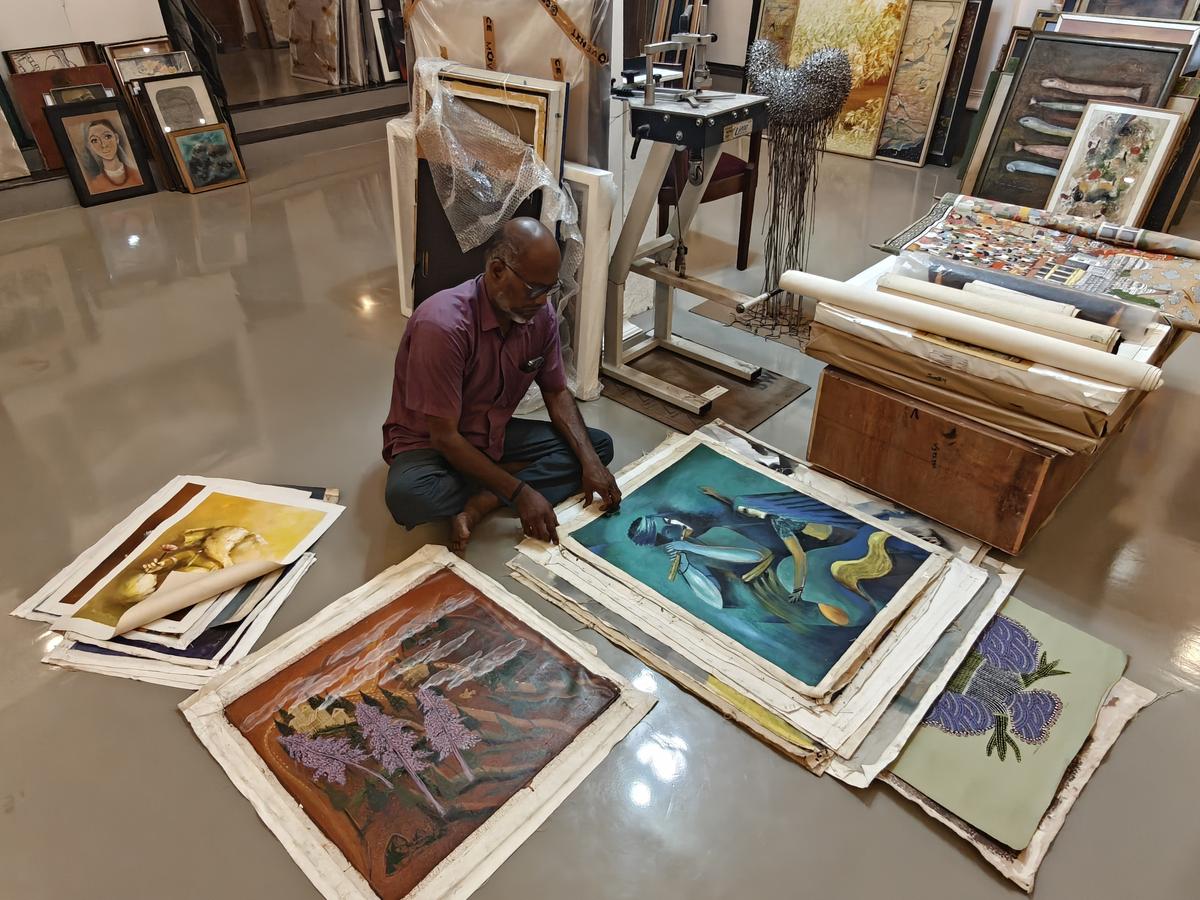
This deeply personal approach to art appreciation informs the entire ethos of the archival sale. The gallery is not merely a marketplace; it is a space for exploration and personal connection. Visitors are not passive observers but active participants in the act of discovery. The expectation is that through rummaging and engaging with the art, a deeper appreciation and curiosity will be fostered. "I want people to rummage and feel that curiosity and look through the stacks," Sarala encourages.
Implications for the Art Ecosystem
The archival sale at Sarala’s Art Centre carries significant implications for the broader art ecosystem:
- Democratization of Art Appreciation: By offering works at accessible prices and encouraging a hands-on approach, the sale makes art more approachable and less intimidating for a wider audience. This can foster new collectors and cultivate a more engaged public for the arts.
- Revitalization of Overlooked Artists: The sale provides a crucial platform for artists whose work might have been overshadowed by more prominent figures. It offers them a chance to regain visibility and find new homes for their creations.
- Historical Archiving and Preservation: The act of bringing these works to light serves as a form of historical archiving, preserving and presenting a significant portion of modern Indian art history that might otherwise remain hidden.
- Rethinking Valuation: Sarala Banerjee’s emphasis on personal connection and aesthetic beauty over market trends prompts a valuable dialogue about how art is truly valued, encouraging a more holistic and less commercially driven perspective.
- Sustainable Gallery Practices: The practical necessity of managing space and collections by Sarala’s Art Centre highlights a model for galleries to engage with their archives in a proactive and beneficial manner, turning potential storage challenges into opportunities for engagement and revenue.
A Legacy Unfolding
The archival art sale at Sarala’s Art Centre, Teynampet, running until May 20th, is more than just a commercial event; it is a celebration of legacy, a testament to the enduring power of art, and an invitation to embark on a personal journey of discovery. In an era often dominated by fleeting trends and commercial pressures, this initiative by Sarala Banerjee offers a refreshing reminder of the profound and lasting value found in the unearthing and appreciation of artistic heritage. It is an opportunity for the public to not only acquire a piece of art but to become a custodian of a story, a history, and a vision that has shaped modern Indian art for the past six decades.
