

Venice, Italy – As the art world converges on the historic canals of Venice for the 61st International Art Exhibition, India has arrived not with a singular narrative, but a resonant chorus. While anticipation builds for the announcement of the Kochi-Muziris Biennale’s seventh edition curator on May 8th, the nation has already made a significant impact on the global stage. From the contemplative explorations of the India Pavilion to powerful collateral exhibitions, India’s presence at the prestigious Venice Biennale is a vibrant testament to its diverse artistic landscape and its engagement with pressing contemporary themes.
A Chorus of Home: The India Pavilion’s Poetic Resonance
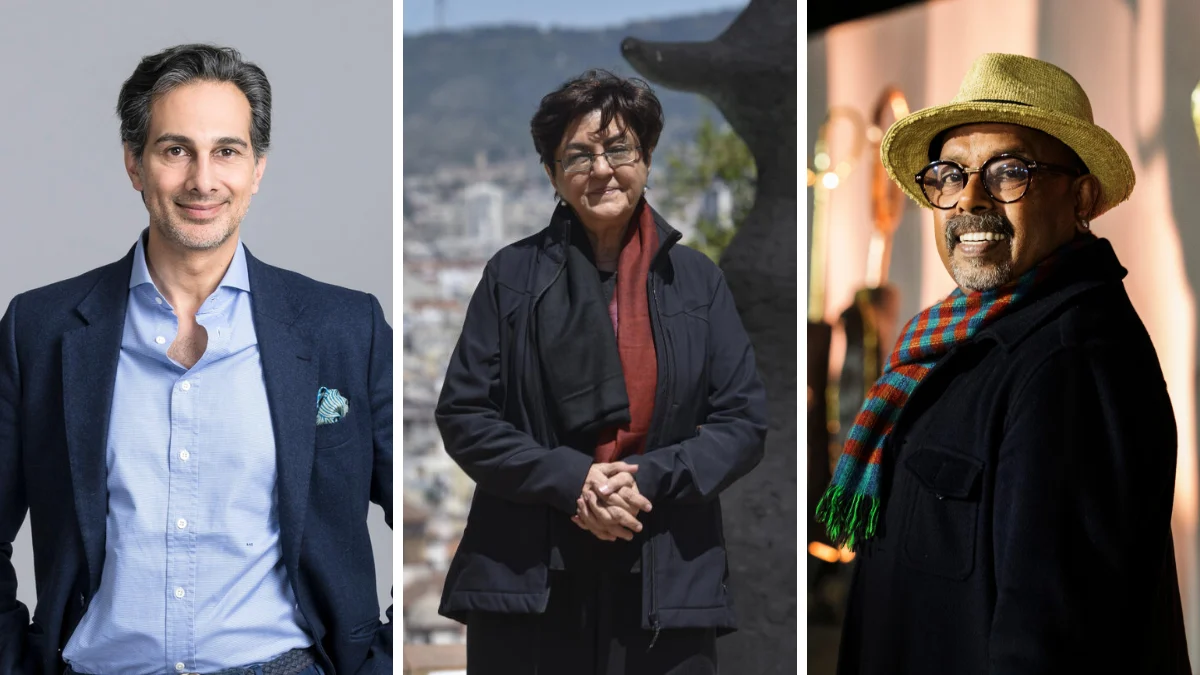
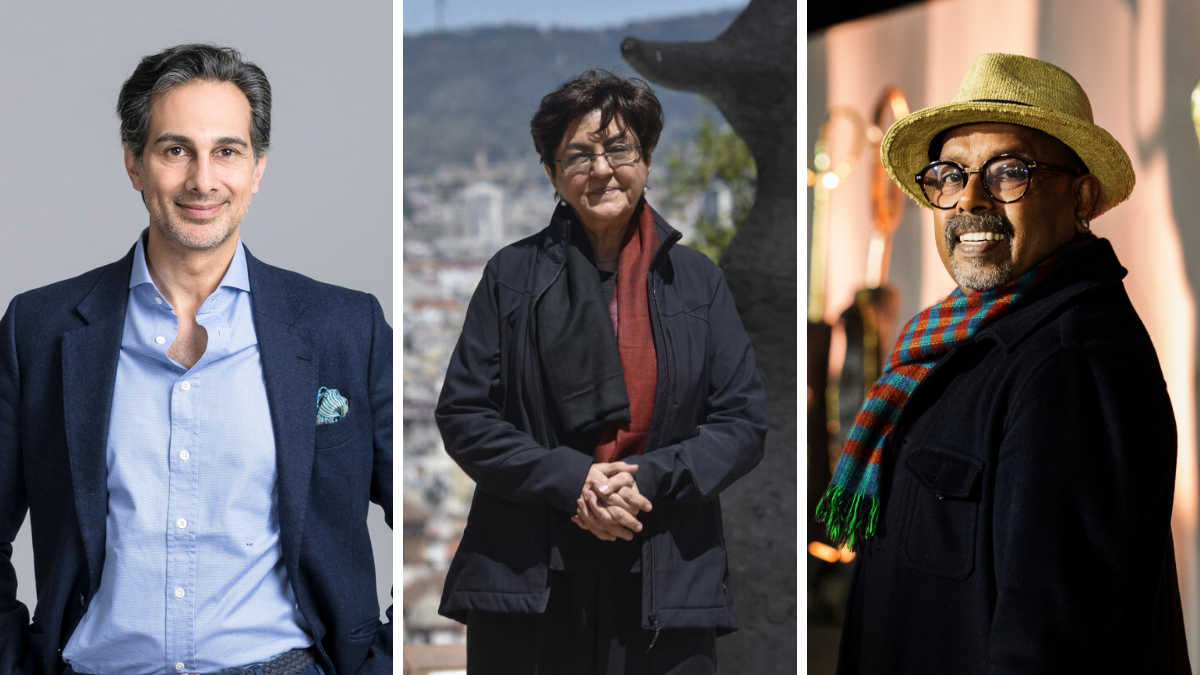
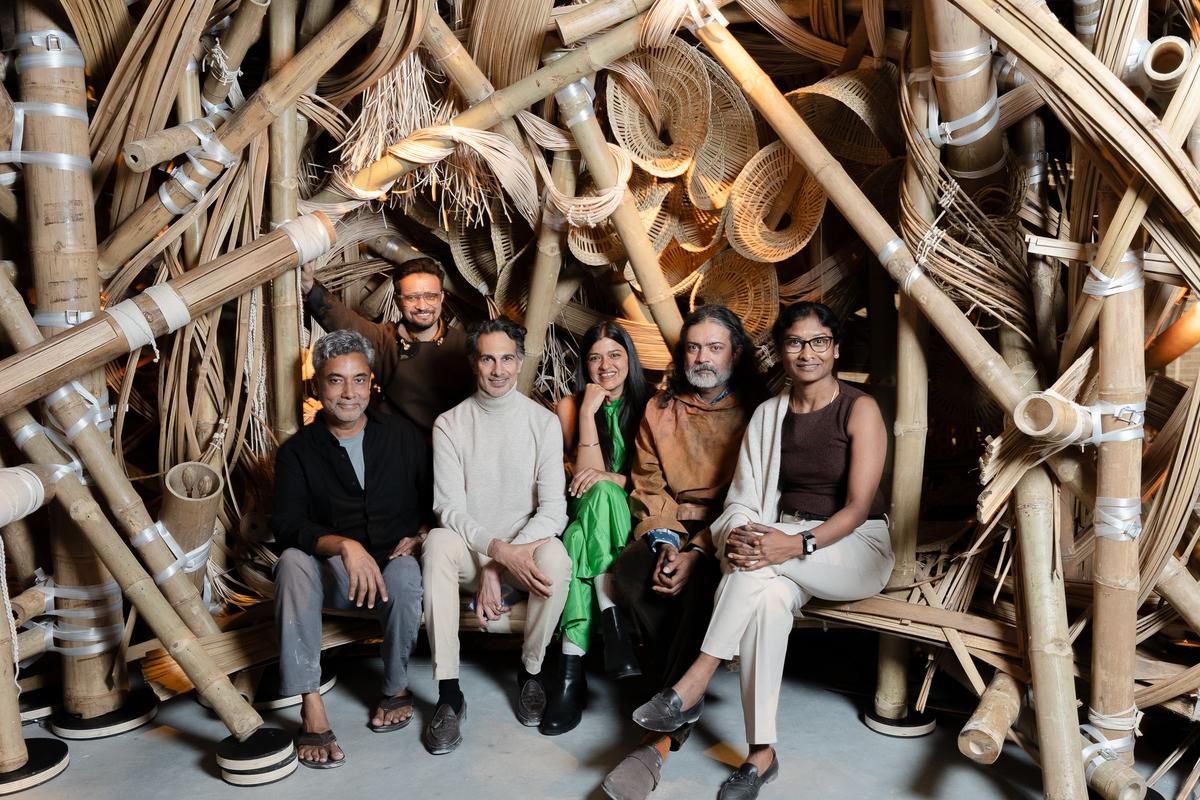
The 61st Venice Biennale, opening its doors to the public on May 9th after exclusive previews from May 6th to 8th, features the India Pavilion with an exhibition titled Geographies of Distance: Remembering Home. Presented by the National Gallery of Modern Art and the Ministry of Culture, and meticulously curated by Amin Jaffer, the pavilion delves into the profound and often elusive concepts of home, memory, and belonging. This ambitious undertaking showcases the works of five distinguished Indian artists: Alwar Balasubramaniam, Ranjani Shettar, Sumakshi Singh, Skarma Sonam Tashi, and Asim Waqif. Their contributions, deeply rooted in India’s rich material traditions, transcend geographical boundaries to explore the universal human experience of displacement and connection.
The exhibition’s conceptual framework, as articulated in Jaffer’s curatorial note, emphasizes how each artist "evokes home through material and making." Working with an array of traditional and contemporary materials – from the earth and thread to bamboo, natural fibers, and papier-mâché – these artists engage with India’s millennia-old material heritage. Yet, their artistic inquiries are acutely contemporary, posing urgent questions: "as time passes, what of our home remains? What disappears? What do we actively sustain?" This exploration of the ephemeral nature of home and the enduring power of memory resonates deeply in an era of increasing global mobility and cultural exchange.
The Artists and Their Explorations:
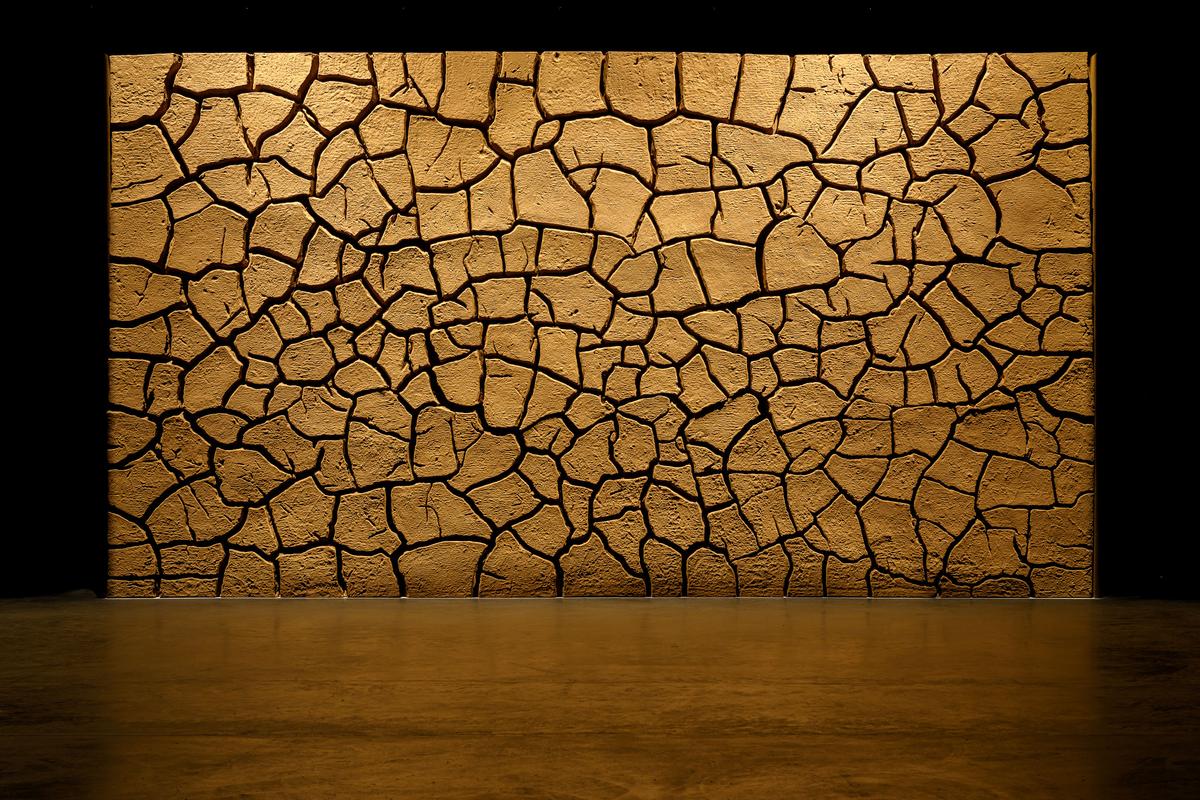
- Alwar Balasubramaniam, in his work Not Just for Us, draws inspiration from the etymological roots of "human" in the Latin word "humus" (soil). His practice involves meticulous outdoor recordings, capturing the transient beauty of fallen leaves and animal footprints, thereby connecting the human experience to the primal earth.
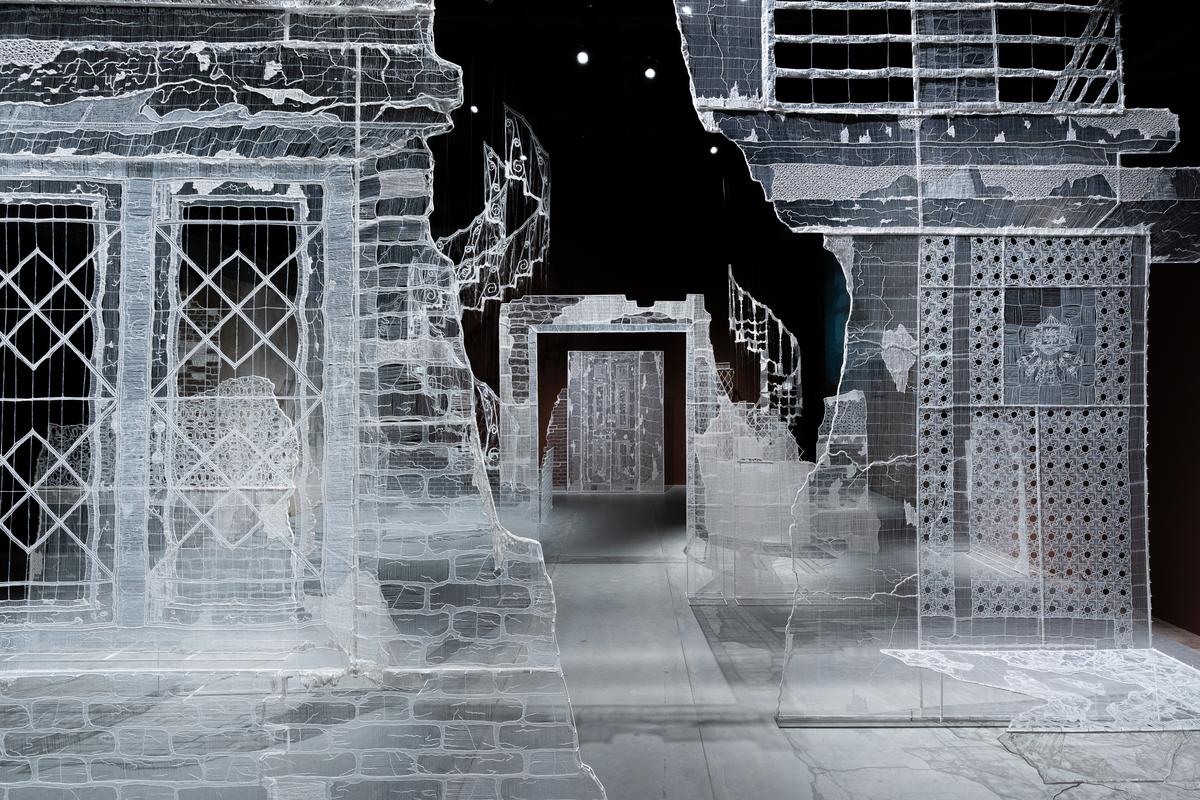
- Sumakshi Singh, with her installation Permanent Address, crafts ethereal architectural membranes from delicate threads, thinner than hair. These gossamer-like structures appear to float in air, evoking the intangible nature of memories, as if drawn from an unseen ether.
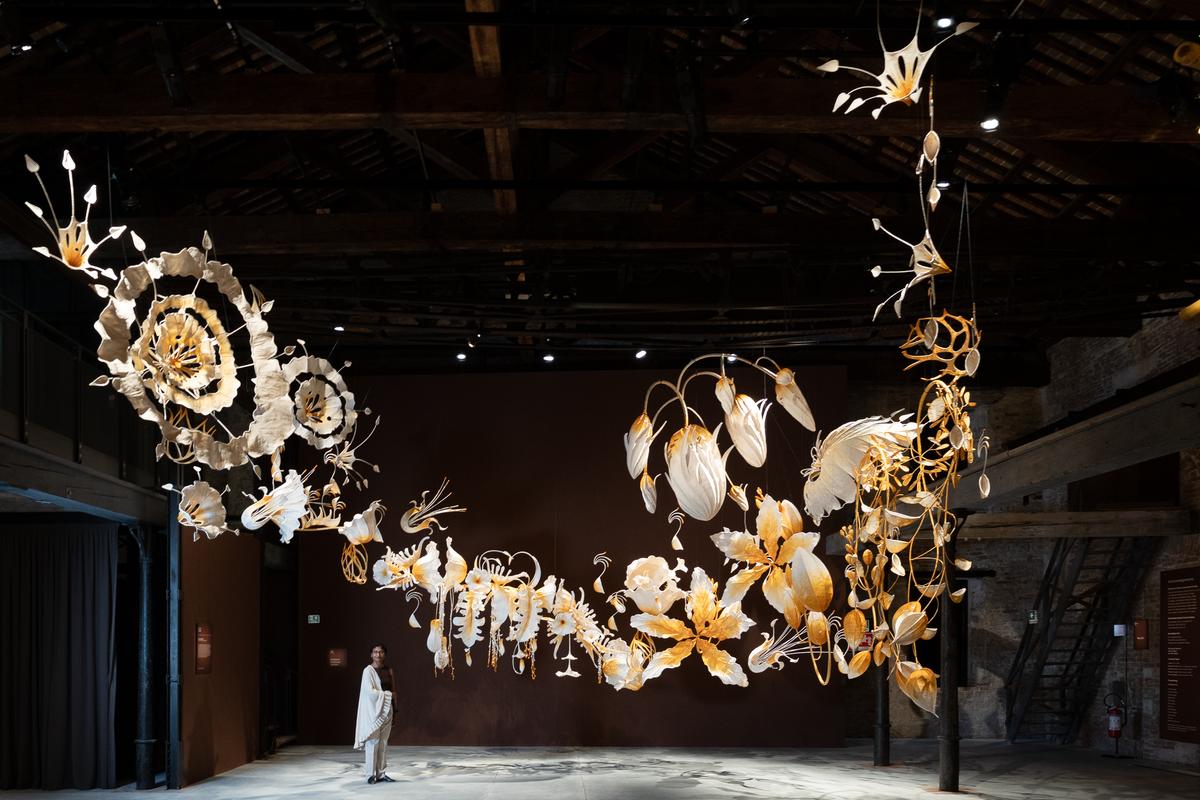
- Ranjani Shettar presents a vibrant and dynamic exploration of flora and nature through handwoven forms. Utilizing cotton and lacquer, her work choreographs a visual and sensory experience that speaks to the rhythms of the natural world.
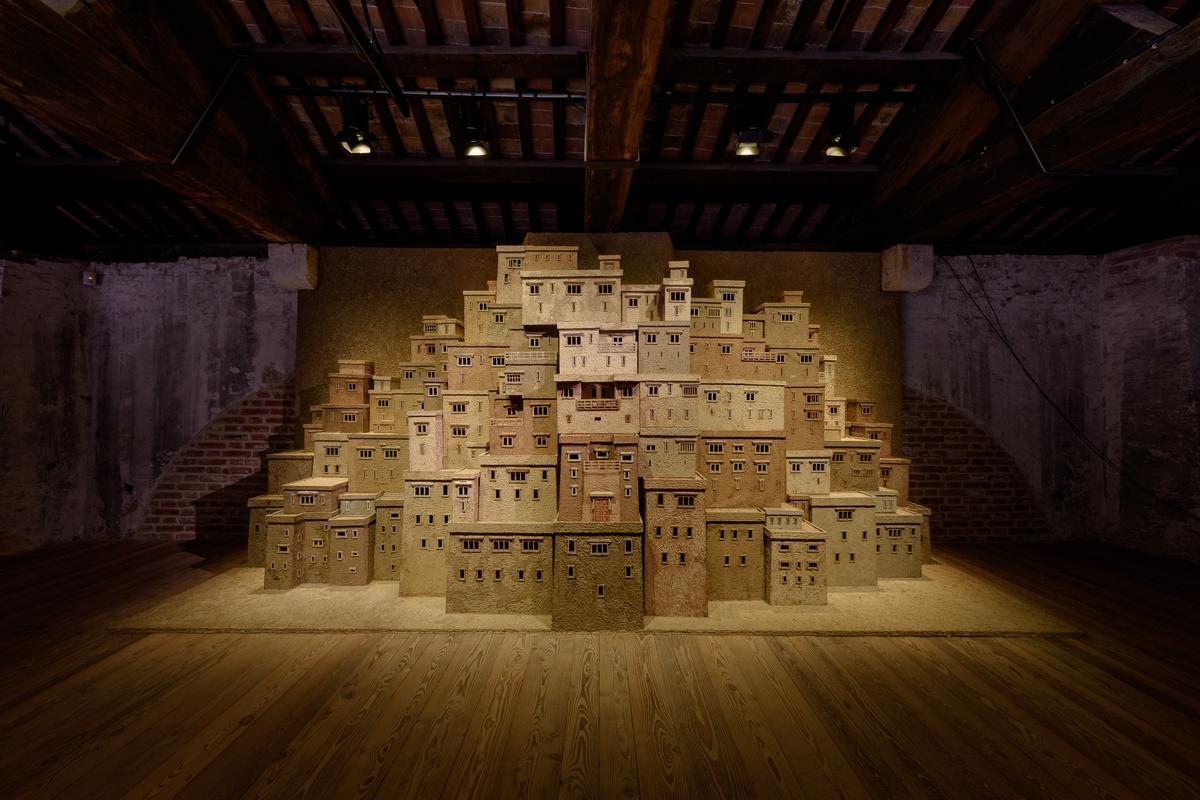
- Skarma Sonam Tashi‘s Echoes of Home delves into the artist’s personal relationship with his homeland, Ladakh. Employing recycled cardboard, papier-mâché, and clay, Tashi reflects on the enduring spirit of his region and the passage of time.
- Asim Waqif, a seasoned practitioner with nearly three decades of experience working with bamboo, addresses the broader societal shift towards standardized construction methods ("pakka") and the resulting decline in the visibility of traditional architectural practices. His work prompts reflection on the preservation of cultural heritage in the face of modernization.
The India Pavilion’s presentation is generously supported by Isha Ambani, Chairperson of the Nita Mukesh Ambani Cultural Centre, and Sunil Munjal, Founder of the Serendipity Arts Foundation, underscoring the significant backing and recognition of Indian contemporary art on the international stage.
Beyond the Pavilion: India’s Expanding Footprint
India’s presence at the Venice Biennale extends far beyond the confines of its dedicated pavilion. The exhibition circuit is enriched by several significant collateral events, further amplifying the nation’s artistic voice and its engagement with critical global issues.

A Feminist Reckoning: Nalini Malani’s "Of Woman Born"
One of the most arresting and impactful presentations is Nalini Malani’s Of Woman Born, brought to Venice by the Kiran Nadar Museum of Art (KNMA). Housed within the atmospheric 15th-century salt warehouse, Magazzini del Sale, Malani transforms the space into a darkened, immersive animation chamber. This powerful work, comprised of an astonishing 30,000 iPad drawings, draws upon ancient narratives and profound feminist thought.
Inspired by the Greek myth of Orestes, who avenges his father’s death by murdering his mother, Of Woman Born thrusts the viewer into a disorienting yet deeply moving experience. The animated projections envelop the audience, presenting a multitude of stories that resist singular interpretation. While the India Pavilion explores the construction of home, Malani’s work powerfully interrogates what remains – and what is irrevocably lost – when home itself is fractured or destroyed.
Roobina Karode, Artistic Director and Chief Curator of KNMA, eloquently describes the significance of Malani’s exhibition: "We have walked alongside Nalini’s practice for decades, and what strikes you is how the world keeps catching up to what she has always known. Of Woman Born is not a response to this moment – it is a reckoning with every moment that brought us here. Venice felt like the only right stage for that." Malani’s contribution stands as a potent testament to the enduring power of art to confront trauma, challenge patriarchal narratives, and offer a vital perspective on the human condition.
Vibrant Expressions: Paresh Maity’s "Equilibrium"
Adding a different, yet equally compelling, dimension to India’s presence is artist Paresh Maity. Known for his vibrant palette and emotionally charged canvases, Maity brings an energy of color, movement, and immediacy to Venice. His participation in the collateral exhibition Personal Structures – Confluences at the Marinaressa Gardens, Riva dei Sette Martiri, features his large-scale 3D brass-and-metal sculpture, Equilibrium. Presented by Art Alive Gallery, this marks Maity’s second consecutive appearance at the Venice Biennale, following his successful exhibition of the sculpture Genesis in 2024.
Maity describes Equilibrium as being conceptually rooted in the cardinal directions and the eight traditional Hindu directions, embodying a sense of balance and interconnectedness. The sculpture’s prominent placement in the Marinaressa Gardens ensures its visibility to a wide audience, as it is accessible to anyone traversing the waterfront between San Marco and the Giardini or Arsenale. "I’m really excited and I feel very happy and honoured to see my sculpture Equilibrium along with the works of artists from around 50 other countries," Maity shared, highlighting the international scope of the exhibition and his pride in representing India on this global platform. His inclusion underscores India’s multifaceted artistic expressions, ranging from introspective explorations of identity to outward expressions of dynamism and global harmony.
A Shadow Over the Awards: The Jury’s Resignation and its Implications
In a dramatic turn of events, just days before the official opening of the 61st Venice Biennale, the entire five-member international jury, led by Brazilian curator Solange Farkas, announced their collective resignation. The jury’s decision stemmed from their refusal to award prizes to artists from countries whose leaders face charges from the International Criminal Court (ICC). This unprecedented move, widely interpreted as a pointed reference to Russia and Israel amidst ongoing geopolitical conflicts, has cast a shadow over the prestigious Golden Lion awards.
The return of Russia to the Venice Biennale after its absence following the full-scale invasion of Ukraine in 2022 is a significant point of contention. In 2022, the Russian pavilion was left empty as its curator and artists withdrew in protest. In 2024, the space was ceded to Bolivia. Reports indicate that the Russian pavilion at the 2026 Venice Biennale will be closed to the public, accessible only during professional preview days, amidst protests from European governments. The Biennale organizers, in response to the jury’s resignation, have postponed the Golden Lion awards and opted for a public voting system for visitors to decide the recipients. This controversy highlights the complex intersection of art, politics, and international relations, and raises profound questions about the role of art in addressing global conflicts and holding power accountable.
Persistent Voices: Dayanita Singh’s Archival Interventions
Adding yet another layer to India’s rich presence, artist Dayanita Singh continues to redefine the boundaries of photography and archival practice. Her ongoing work consistently challenges traditional notions of the archive, transforming photography into a sculptural and living entity. Coinciding with the Biennale, Singh’s significant solo exhibition, Archivio, is currently on display at the State Archives of Venice, running until July 31st. This presentation further solidifies India’s engagement with diverse artistic mediums and conceptual approaches.
Conclusion: A World in Flux, An Art in Dialogue
The 61st Venice Biennale, running until November 22nd, showcases India not as a monolithic entity, but as a dynamic and evolving artistic landscape. The nation’s contributions resist simple categorization, instead contributing to a larger, more complex global dialogue about belonging, identity, and the ever-shifting nature of our world. From the introspective poetics of the India Pavilion to the bold feminist statements and the vibrant expressions of individual artists, India’s voice at Venice is a testament to its rich cultural heritage and its profound engagement with the challenges and possibilities of the 21st century. The presence of Indian art on this global stage not only showcases artistic talent but also fosters crucial conversations about shared humanity in an era of unprecedented change.
