

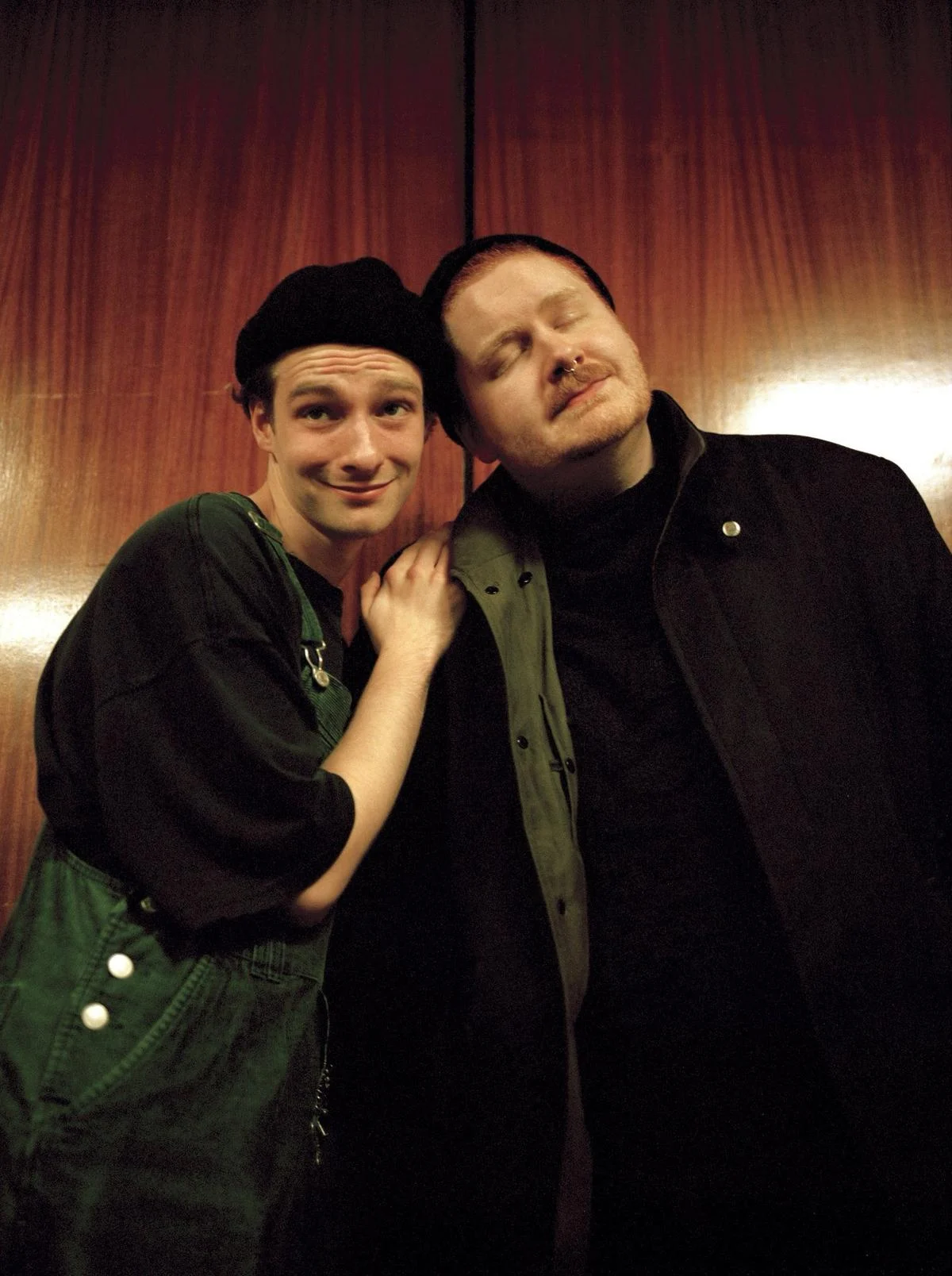
The music industry is replete with stories of fleeting fame and overnight sensations. Yet, for every meteoric rise, there are quieter narratives, tales of artists whose impact transcends commercial success, leaving an indelible mark through their authentic expression and profound connection with their audience. The story of Her’s, the Liverpool-based duo of Stephen Fitzpatrick and Audun Laading, is one such narrative, a testament to the power of understated artistry, shared vulnerability, and a legacy tragically cut short.
Their debut compilation, Songs of Her’s, released on May 12, 2017, by the small Liverpool label Heist or Hit Records, was a nine-track collection that offered a nascent glimpse into the world of two recent graduates from the Liverpool Institute for Performing Arts. At the time of its release, Fitzpatrick and Laading were still grappling with the burgeoning reality of their music resonating with strangers, a concept that seemed to catch them slightly off guard. This collection, comprising singles released throughout 2016 and 2017, inadvertently preserved an early, formative period for the band, capturing them in the process of discovering their distinct sonic identity.
Genesis of a Unique Sound: From Comedy Skits to Melancholic Melodies
The genesis of Her’s can be traced back to 2015, a period marked by a shared creative exploration between Stephen Fitzpatrick, who hailed from Barrow-in-Furness, Cumbria, and Norwegian bassist Audun Laading. The two had initially crossed paths while contributing to another local band, The Sundogs. Their collaboration, however, took an unexpected turn as they began crafting deliberately awkward comedy videos around Liverpool. It was this shared sensibility for the slightly off-centre, the charmingly peculiar, that would eventually permeate their musical endeavors.
Her’s emerged from this fertile ground, channeling themes of heartbreak, loneliness, and memory into a distinctive musical tapestry. Songs of Her’s served as an accidental time capsule, gathering the singles they had already released. This compilation was crucial in preserving the raw, evolving nature of their early work, showcasing a duo still very much in the process of defining what kind of band they aspired to become.

Influences and Intricacies: A Tapestry of Personal References
What consistently distinguished Her’s was the meticulous way their music unveiled the deeply personal influences that shaped Stephen and Audun’s artistic vision. Each song felt like an intricate mosaic, assembled from references that held profound meaning for them in their private lives, long before any external interpretation began to attach itself to their work.
Stephen Fitzpatrick frequently expressed his admiration for the hazy production techniques of Ariel Pink, a fellow artist known for his lo-fi, often nostalgic soundscapes. This influence can be felt in the dreamlike quality of many Her’s tracks. Simultaneously, Fitzpatrick drew inspiration from the direct, storytelling prowess of Bruce Springsteen, a stark contrast that somehow found a harmonious balance within their music.
Both musicians also harbored a palpable affection for David Lynch’s iconic television series, Twin Peaks. This fascination was particularly evident in the period surrounding their 2018 release, Invitation to Her’s. The surreal, often melancholic atmosphere of Lynch’s work seemed to echo in Her’s lyrical narratives, which consistently gravitated towards themes of lonely characters, forgotten objects, and the peculiar fragments of everyday existence.
Weaving Stories from the Mundane: The Heart of Their Songwriting
This reverence for the overlooked and the peculiar extended deeply into their songwriting. Her’s possessed an uncanny ability to construct compelling tunes around the seemingly ordinary, imbuing them with a poignant emotional resonance.

The song "Harvey," for instance, derived its title from the 1950 James Stewart film of the same name, which tells the story of a man whose closest companion is an invisible rabbit. However, as the band evolved, Audun began to introduce it live as a narrative about the enduring love one carries for their best friend, showcasing their fluid interpretation and personal connection to their lyrical sources.
Another track, "Marcel," was born from a wallet discovered inside a vintage jacket purchased in Liverpool. Intrigued, the duo traced the identity card within and discovered that the original owner had tragically passed away. This serendipitous discovery, tinged with the poignant reality of a life lived and ended, became the inspiration for a song that resonated with themes of memory and loss.
Even their stage presence mirrored this unique sensibility. Audun would sometimes perform in a cape procured from the women’s section of TK Maxx, not out of irony, but because he genuinely found the entire scenario amusing. Similarly, the band toured with a cardboard cut-out of Pierce Brosnan, a prop that Stephen once affectionately referred to as the band’s "spirit animal," further underscoring their whimsical and unconventional approach to performance.
"What Once Was": A Seminal Anthem of Grief and Connection
Over time, these seemingly small, idiosyncratic details coalesced into something profoundly tender and deeply affecting. At the core of this developing mythology lay their seminal breakout single, "What Once Was." This song, penned by Stephen Fitzpatrick, was deeply rooted in the personal tragedy of his mother’s death when he was just 11 years old. He skillfully buried his grief within lyrics that cautiously navigated the landscape of absence, creating a song that was both personal and universally relatable.
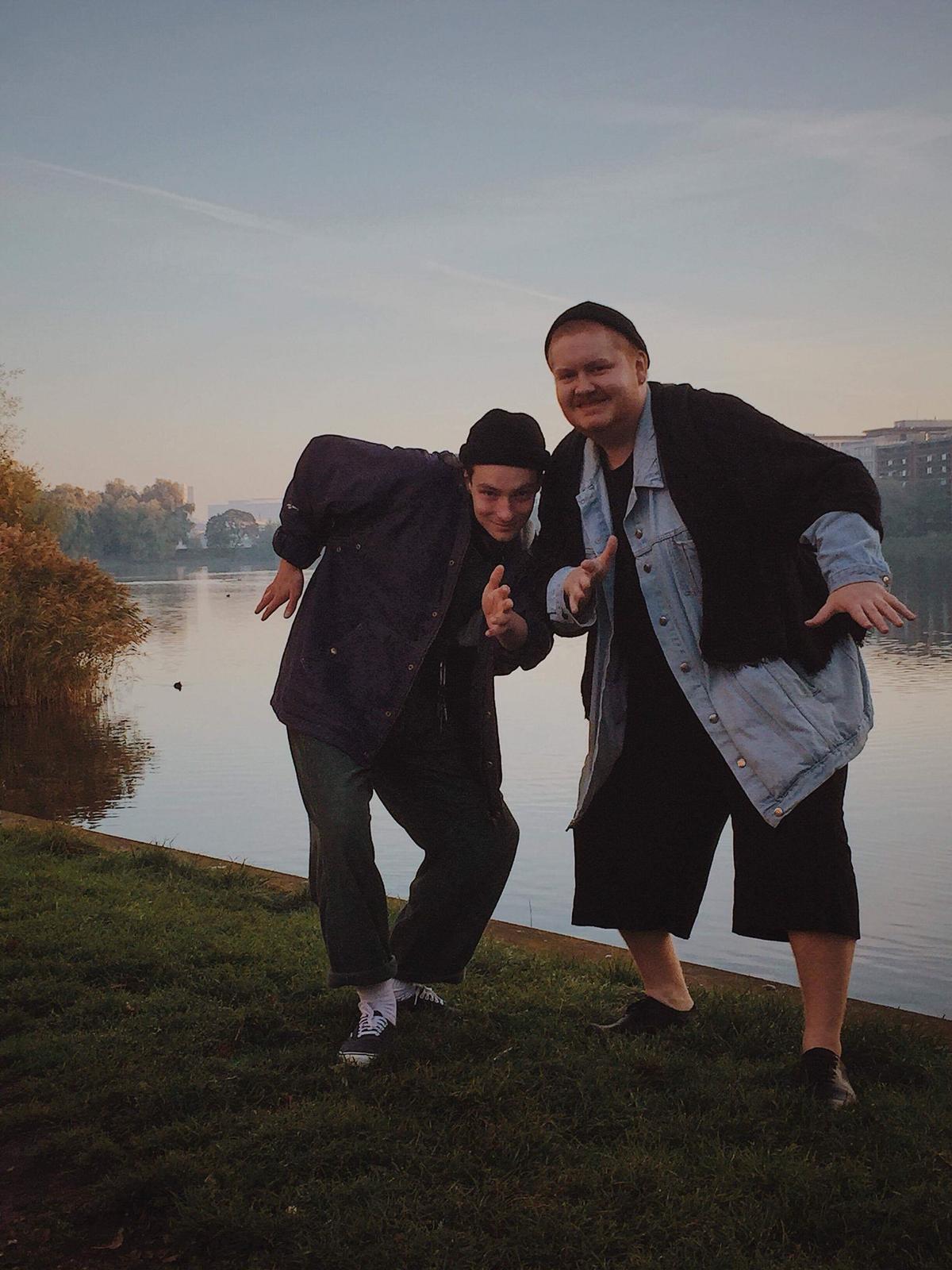
The track opens with an instantly recognizable, cascading guitar riff that remains remarkably consistent throughout its runtime, creating a hypnotic and immersive soundscape. Stephen’s vocal delivery is low and deep, maintaining an almost conversational intimacy, while Audun’s bass line provides a playful, understated counterpoint. The emotional impact of "What Once Was" was immediate and intense. During interviews surrounding Invitation to Her’s, Stephen admitted that crowds would frequently shout requests for the song before the band had even taken the stage, a testament to its profound impact and its inextricable link to the group’s burgeoning identity.
A Digital Discovery: The Unforeseen Path to Recognition
The author’s own introduction to Her’s was a quintessential example of modern digital happenstance. It occurred late one night, amidst the often melancholic ritual of "doomscrolling" on Instagram, when an algorithm surfaced a clip of the two musicians preparing to perform. The setting was a cramped studio, its shelves overflowing with books, vinyl records, and old film canisters, stretching almost to the ceiling.
The visual of the two young men, one with a bass guitar slung high, clad in an oversized off-white jacket and a tiny black beanie, the other in dark dungarees, scuffed trainers, and an identical beanie, bouncing in anticipation, was instantly captivating. The room, though unglamorous, exuded a palpable warmth. What truly resonated, however, was the knowing glance they exchanged before the music began. Both appeared painfully young, one seemingly caught between shyness and amusement, the other radiating genuine delight at the simple act of creating music alongside a friend.
The Heartbreak of "Gone Too Soon"
The immediate aftermath of hearing "What Once Was" was, for the author, an embarrassingly predictable descent into the comments section, searching for the band’s name. The soft, suspended sadness of that gorgeous opening riff was deeply affecting. However, the subsequent discovery of the phrase "gone too soon" beneath the video unleashed a wave of incapacitating melancholia, a poignant realization of the tragic circumstances that would soon define the band’s narrative.
The Tragic Loss: A Road Accident Claims Three Lives
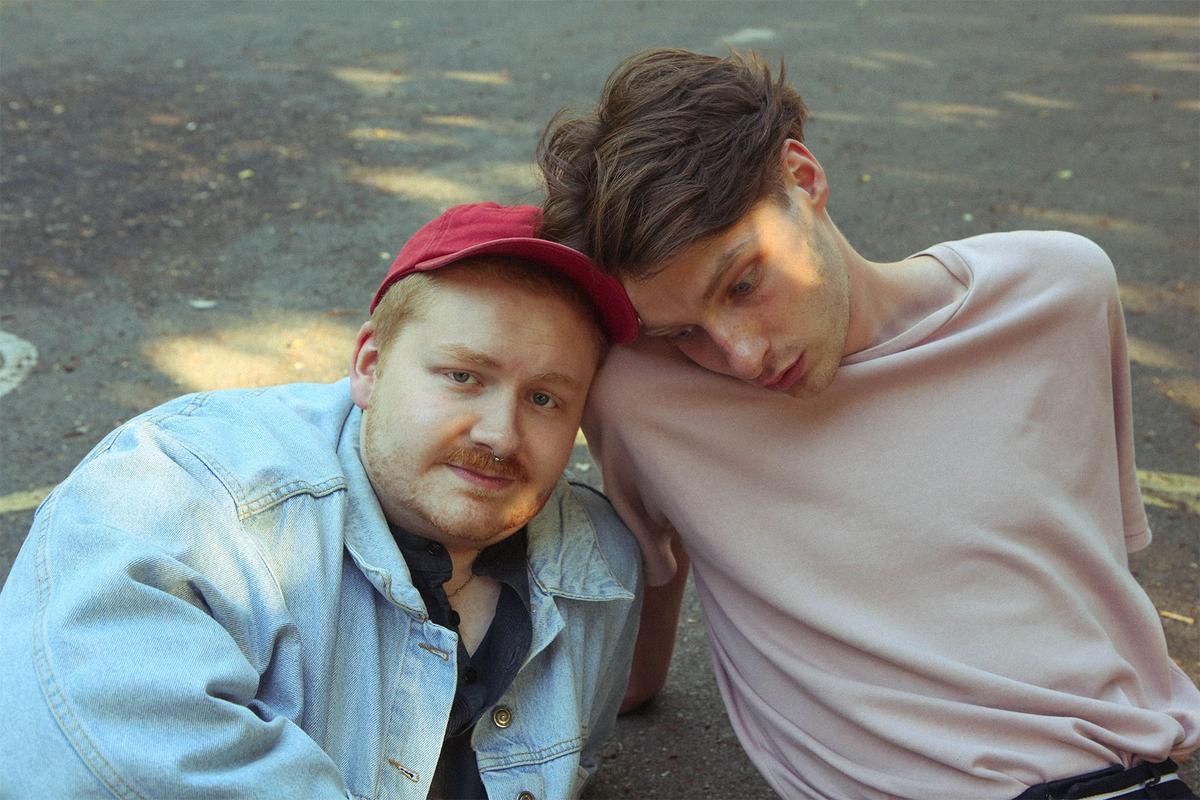
On March 27, 2019, the world of music was irrevocably altered by a devastating road accident. Stephen Fitzpatrick, Audun Laading, and their tour manager, Trevor Engelbrektson, were killed while traveling from Phoenix, Arizona, to Santa Ana, California, during the band’s second North American tour. Arizona authorities later confirmed that another driver had entered the highway in the wrong direction, resulting in a catastrophic head-on collision near Tonopah. Stephen was a mere 24 years old, and Audun had just turned 25.
An Elegy in Perpetuity: "What Once Was" as a Living Memorial
Beneath a YouTube upload of that same performance of "What Once Was" at Paste Studios in New York City, a poignant digital congregation now exists. Millions of listeners gather in the comments section, united by the knowledge that both Stephen and Audun would tragically never reach their 26th birthdays. Across those few minutes of footage, the duo appears so vibrantly alive, so completely absorbed in each other’s rhythm and presence, that the devastating awareness of their fate has become an inextricable element of the band’s elegiac legacy.
The comments section has evolved into a space of constant dialogue between admiration and mourning. The performance itself has gradually transformed into a living memorial, a digital shrine to which listeners return years after its initial upload, seeking solace, connection, and remembrance.
The Universality of Their Sound: Gentleness, Universality, and Sincerity
There was an undeniable unguarded quality to the music Her’s created on Songs of Her’s, a raw authenticity that likely contributed to their ability to traverse diverse corners of the internet, even long after their untimely deaths. Stephen and Audun infused their shoegaze-infused bedroom pop with an array of peculiar details and offbeat humor. This unique blend imbued their music with a gentleness and universality, allowing listeners to approach their songs from a vast spectrum of emotional perspectives and still find elements that resonated deeply within them.
Even their most unconventional ideas felt remarkably sincere. Their eccentricity was approached with a wide-eyed enthusiasm, a primary desire to amuse each other before engaging the audience. Ultimately, it is "What Once Was" that best encapsulates this profound connection. While Stephen’s lyrics were undeniably shaped by the shadow of death, the song rarely confronts grief directly. This subtle approach, however, paradoxically amplifies its emotional weight in retrospect.
The Digital Echo: Her’s Second Life Online
Much of the new music that captivates the author’s attention finds its way through the labyrinthine pathways of digital discovery, often serendipitously surfacing at ungodly hours or attached to evocative Instagram reels. Her’s experienced a similar rebirth, a second life fostered through the very same digital channels.
Every new listener who discovers "What Once Was" today seems to embark on a similar, albeit melancholic, journey: a pipeline of enchantment that leads to curiosity, and ultimately, to devastation. There exists a perverse, yet undeniable, thrill in introducing the track to someone for the first time. It is the experience of witnessing their complete enchantment, knowing that within minutes, they will inevitably encounter one of the most crushing pieces of indie music lore imaginable.
A Legacy Unwitnessed: The Enduring Power of Their Art
Whenever the author revisits the music of Her’s, a profound sadness often washes over them, a poignant awareness that Stephen and Audun never had the opportunity to witness the impact of their creations firsthand. Yet, there is something truly extraordinary in the way their music continues to resonate and travel through people’s lives, carrying with it nearly a decade’s worth of memories and connections that the artists themselves never had the chance to experience. The legacy of Her’s is a testament to the enduring power of authentic artistic expression, a tender melancholy captured in song that continues to echo, offering solace and a profound sense of shared humanity to those who discover it.
