

The dusty roads of the Sivaganga and Pudukkottai districts in Tamil Nadu lead to a region that feels suspended between the gilded opulence of the 19th century and the quietude of the 21st. Chettinad, the ancestral home of the Nattukottai Chettiars (also known as the Nagarathars), is not merely a geographic location but a living museum of mercantile history, global trade, and sophisticated domesticity. As the region prepares for the upcoming edition of the Chettinad Heritage and Cultural Festival, scheduled to take place from September 18 to 21, the spotlight returns to this independent microcosm of South Indian culture.
Founded to preserve and celebrate the unique identity of the Chettiar community, the festival has evolved from a niche gathering into a premier cultural event that draws scholars, artists, and travelers from across the globe. This year’s edition promises a deep dive into the trade ties between India and Southeast Asia, the architectural preservation of the region’s sprawling mansions, and the nuanced culinary traditions that have often been misunderstood by the mainstream.
Main Facts: A Multi-Sensory Exploration of the Nagarathar Legacy
The Chettinad Heritage and Cultural Festival is designed as a total immersion into the life of the Nattukottai Chettiars—a community of powerful merchant bankers who, at the height of the British Raj, established a vast financial empire spanning Burma, Ceylon, Malaya, Vietnam, and Indonesia. The wealth accumulated from these overseas ventures was funneled back into their home villages, resulting in the construction of approximately 11,000 palatial mansions across 76 villages.
The 2024 edition features a high-profile lineup of speakers and performers. Among the most anticipated events is a keynote conversation with politician and prolific author Shashi Tharoor, who is expected to discuss the socio-political landscape of colonial India—a period that directly mirrors the rise of the Chettiar mercantile class.
The festival’s programming is diverse, covering:
- Music and Dance: Performances by acclaimed artists such as Uthara Unnikrishnan and Usha Venkatraman, alongside dance renditions themed around classical indigenous games.
- Intellectual Discourse: Discussions led by researcher Peter Lee and designer Ashdeen on the historic trade ties between India and Southeast Asia, as well as sessions on the "formidable Aachis" (the matriarchs of Chettinad).
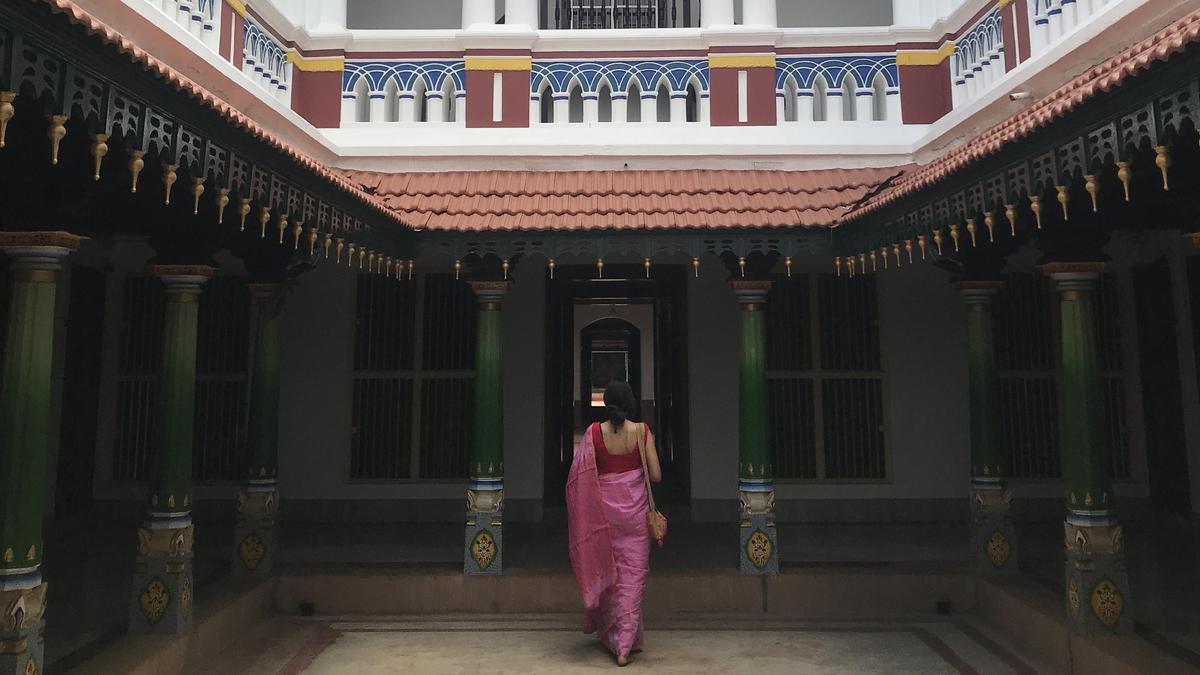
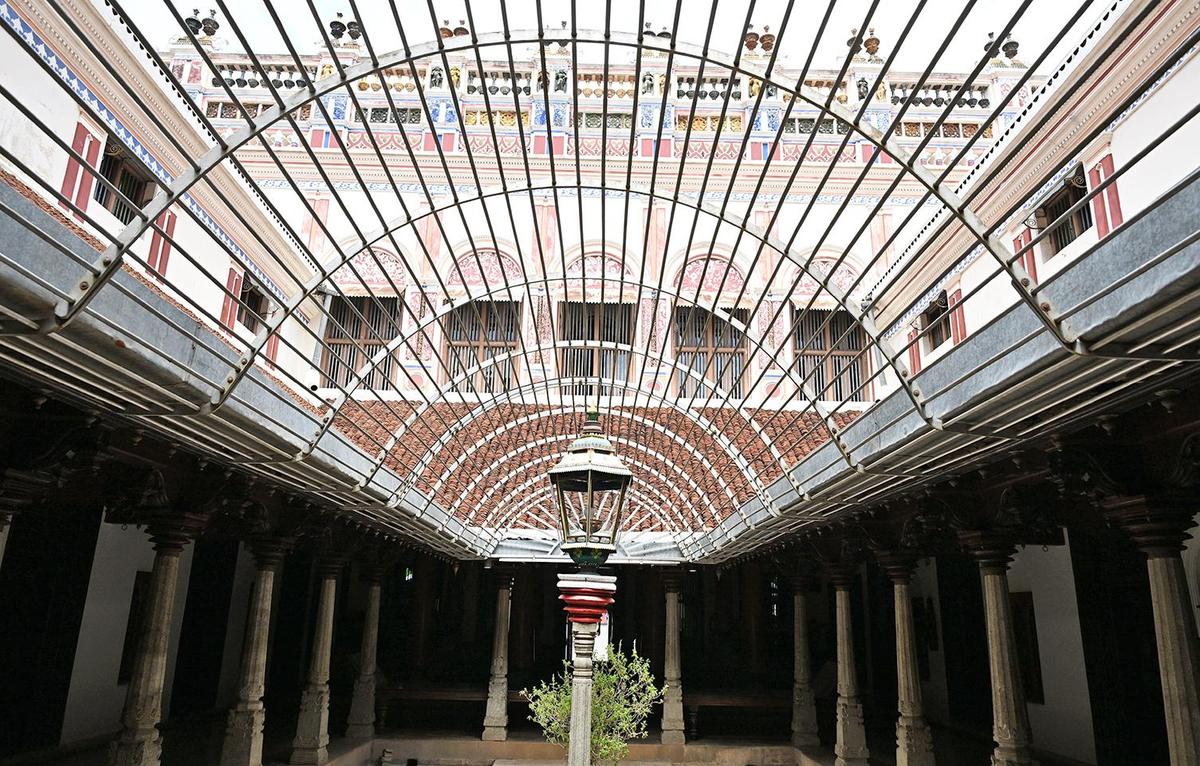
- Architectural Tours: Guided visits to century-old mansions, including Chidambara Vilas and the Athangudi Palace, showcasing the region’s signature Burma teak pillars, Belgian chandeliers, and Italian marble flooring.
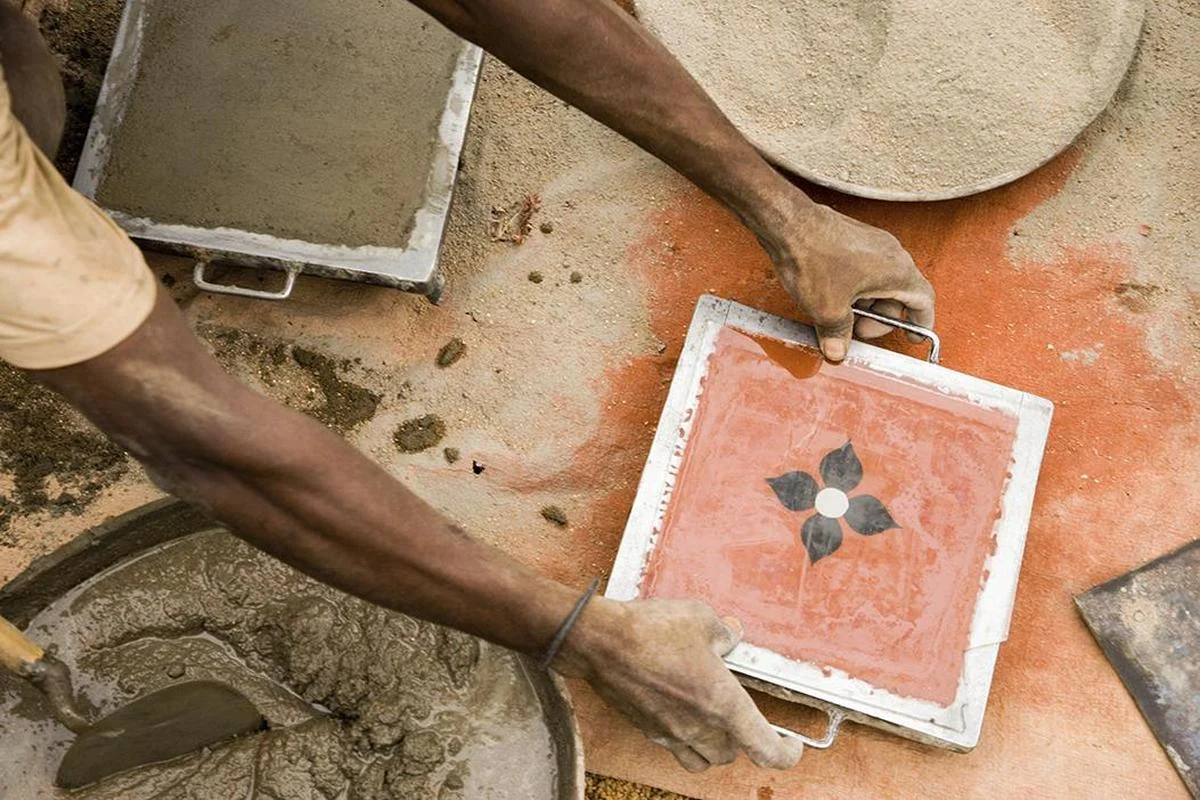
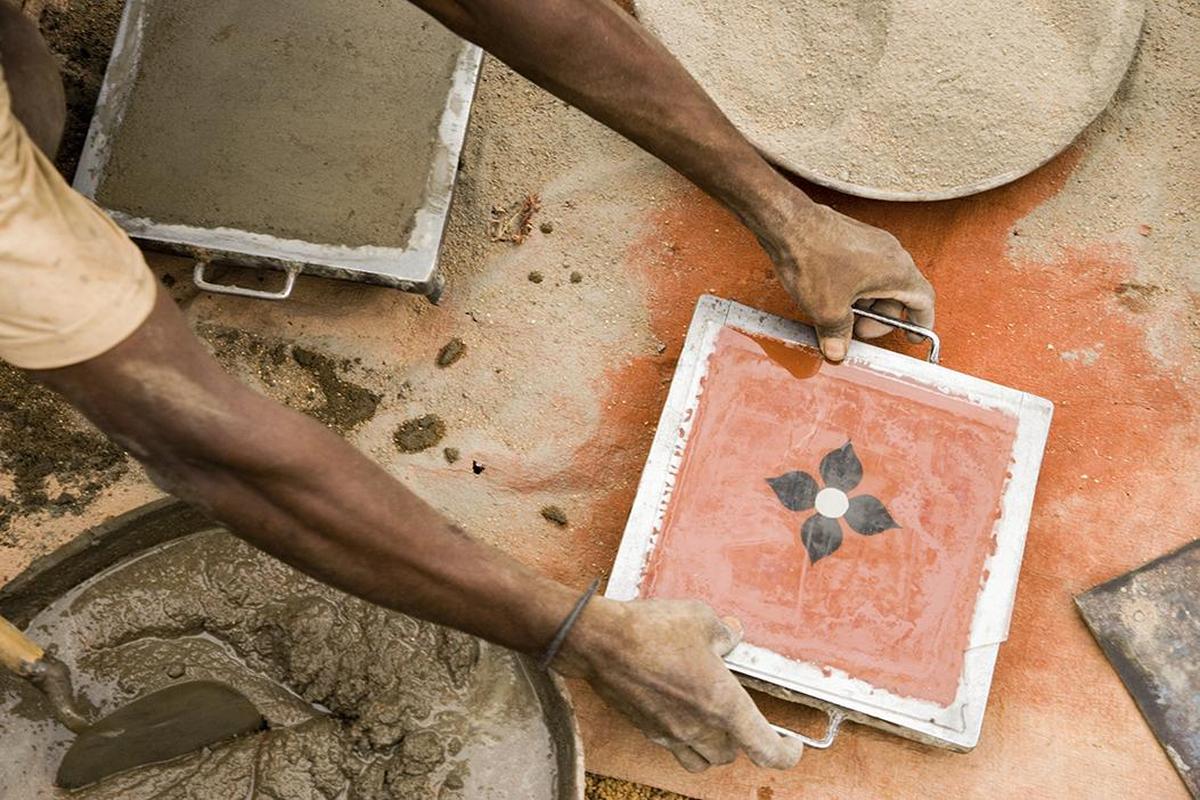
- Craftsmanship: Live demonstrations of Athangudi tile making, a traditional craft involving handmade, sun-dried terracotta tiles known for their vibrant geometric patterns.
Chronology: From Private Vision to Public Institution
The festival’s origins were remarkably humble, born from a conversation between two visionaries. Five editions ago, the late Yacob George, then-general manager of The Bangala (a renowned heritage guesthouse in Karaikudi), approached Meenakshi Meyyappan with a proposal to formalize a cultural celebration for the region.
"Yacob George asked if we could do it, and I said yes," recalls Mrs. Meyyappan, now 90, who remains the driving force behind the festival. The first edition was curated by the legendary Bharatanatyam dancer and former chairperson of the Central Board of Film Certification, Leela Samson. That inaugural event hosted a modest group of 70 to 80 guests, setting a high standard for artistic integrity and cultural depth.
Over the subsequent years, the festival’s scope expanded. What began as a private initiative to showcase the traditions of the Nagarathar community transformed into a broader exploration of Tamil Nadu’s heritage. The planning cycle has become increasingly rigorous; preparations now begin as early as December to secure international speakers and coordinate the logistics of hosting hundreds of visitors across multiple village sites.
In its latest iteration, the organizational structure has shifted. While it remains a labor of love for the Meyyappan family and a dedicated group of volunteers, the scale of the event has necessitated the involvement of a professional event management company and the establishment of a formal trust to oversee the itinerary and long-term sustainability of the festival.
Supporting Data: Architecture, Trade, and the "Gundu Molaga"
To understand the significance of the festival, one must look at the data and history that define Chettinad. The region’s mansions are architectural marvels that utilized the finest materials the 19th-century world could offer.

The Architectural Blueprint
A typical Chettinad mansion, such as the 118-year-old Chidambara Vilas, is built on a longitudinal axis. The front thinnai (veranda) was for receiving guests, while the inner courtyards served as the heart of the home. Data from heritage conservationists suggests that the use of materials was a direct reflection of trade routes:
- Teak: Imported from Burma (Myanmar).
- Crystals and Glass: Sourced from Belgium and Venice.
- Marble: Brought from Italy.
- Tiles: Sourced from Minton in England, which eventually inspired the local Athangudi tile industry.
The Culinary Science
One of the festival’s primary goals is to correct the misconception that Chettinad cuisine is defined by overwhelming heat. Mrs. Meyyappan emphasizes the importance of the Gundu Molaga (round chili) from Ramanathapuram. For this year’s festival, 500 kilograms of these chilies were sourced, deseeded, and processed to ensure flavor without excessive spiciness.
The cuisine is characterized by a complex "masala" involving star anise, stone flower (kalpasi), and Marathi moggu. The iconic Mutton Kola Urundai (finely minced meat balls) serves as a testament to the community’s culinary precision—a dish that requires a specific texture that can only be achieved through traditional grinding methods.
Official Responses: The Vision of Meenakshi Meyyappan
At 90, Meenakshi Meyyappan remains the custodian of Chettinad’s cultural flame. Her perspective on the festival is one of education rather than mere tourism.
"The festival is less about Chettiars and more about a comprehensive understanding of Tamil Nadu as a State," she says. Her focus for the current edition is on the intersection of trade and aesthetics. She expresses particular excitement for the "Registry of Sari" exhibition by Ahalya Mathan, which tracks the evolution of the Kandangi sari—the traditional coarse cotton weave of the region.
Regarding the involvement of high-profile figures like Shashi Tharoor, Mrs. Meyyappan notes that the goal is to provide intellectual weight to the heritage. "I’m excited to hear Mr. Tharoor speak. I hope he talks about colonial India. I’m also eager to hear Peter Lee and Ashdeen talk about trade ties… there’s going to be a talk about the formidable Aachi, and one about houses too."
The organizers have also addressed the logistical challenges of preserving these massive homes. Many of the 11,000 original mansions have fallen into disrepair or been dismantled for their valuable materials. The festival serves as a platform to discuss the "reality of the mansions," encouraging the younger generation of the diaspora to invest in restoration rather than demolition.
Implications: Tourism, Preservation, and the Future of the Nagarathar
The implications of the Chettinad Heritage and Cultural Festival extend far beyond a four-day event. It plays a critical role in the economic and cultural ecosystem of Southern Tamil Nadu.
1. Heritage Tourism as a Conservation Tool
By drawing international attention to Karaikudi and its surrounding villages, the festival incentivizes the preservation of ancestral homes. When these mansions are recognized as world-class heritage sites, their value shifts from "old property" to "cultural capital." This has led to the rise of boutique heritage hotels, which provide employment to local artisans, cooks, and guides.
2. Scholarly Documentation
The festival facilitates a scholarly record of a community that was historically oral and transactional. By inviting researchers like Peter Lee to discuss Southeast Asian trade, the festival helps document the Nagarathars’ role in the global financial history of the 19th century—a role that is often overlooked in Western-centric history books.
3. Cultural Continuity for the Diaspora
With many members of the Nagarathar community now living in the United States, Singapore, and Europe, the festival acts as a cultural anchor. It provides a structured way for the diaspora to reconnect with their roots, ensuring that traditions like Athangudi tile-making and Kandangi weaving do not become extinct.
As the gates of the Chettinad mansions swing open this September, the festival stands as a reminder that heritage is not a static relic of the past, but a living, breathing dialogue between generations. Through the aroma of deseeded chilies, the sheen of Burma teak, and the insights of global intellectuals, the Chettinad Heritage and Cultural Festival continues to weave the story of a community that once mastered the world of trade and now seeks to master the art of remembrance.
For details regarding the festival, tickets, and itinerary, interested parties are encouraged to contact the organizing committee at [email protected].
