

In the sun-drenched landscapes of Goa, where the humidity of April begins to press against the skin and the paddy fields turn a shimmering gold, a specific ritual unfolds. It is not found in the neon-lit bars of the northern coast, but in the quiet, verdant hinterlands of Quepem and Canacona. Here, the exchange of freshly filled, reused glass bottles is more than a transaction; it is a seasonal greeting. The proclamation, "This is the best urrak," serves as the unofficial anthem of the Goan summer.
Urrak, the cloudy, nectar-like precursor to the world-renowned Feni, is a beverage defined by its fleeting nature. Available only during the brief window of the cashew harvest from March to May, it represents a bridge between Goa’s colonial past and its artisanal future. As the global culinary world pivots toward "farm-to-table" and "soil-to-glass" philosophies, the traditional distillation of urrak stands as a masterclass in heritage preservation.
Main Facts: The First Distill of Summer
Urrak is the first distillate of fermented cashew apple juice. While Feni undergoes a second distillation to reach a higher alcohol-by-volume (ABV) and a more pungent profile, urrak remains a "single-distilled" spirit, typically hovering between 12% and 15% ABV. Its character is profoundly fruity, carrying the raw, tropical essence of the cashew apple, tempered by a mild alcoholic kick.

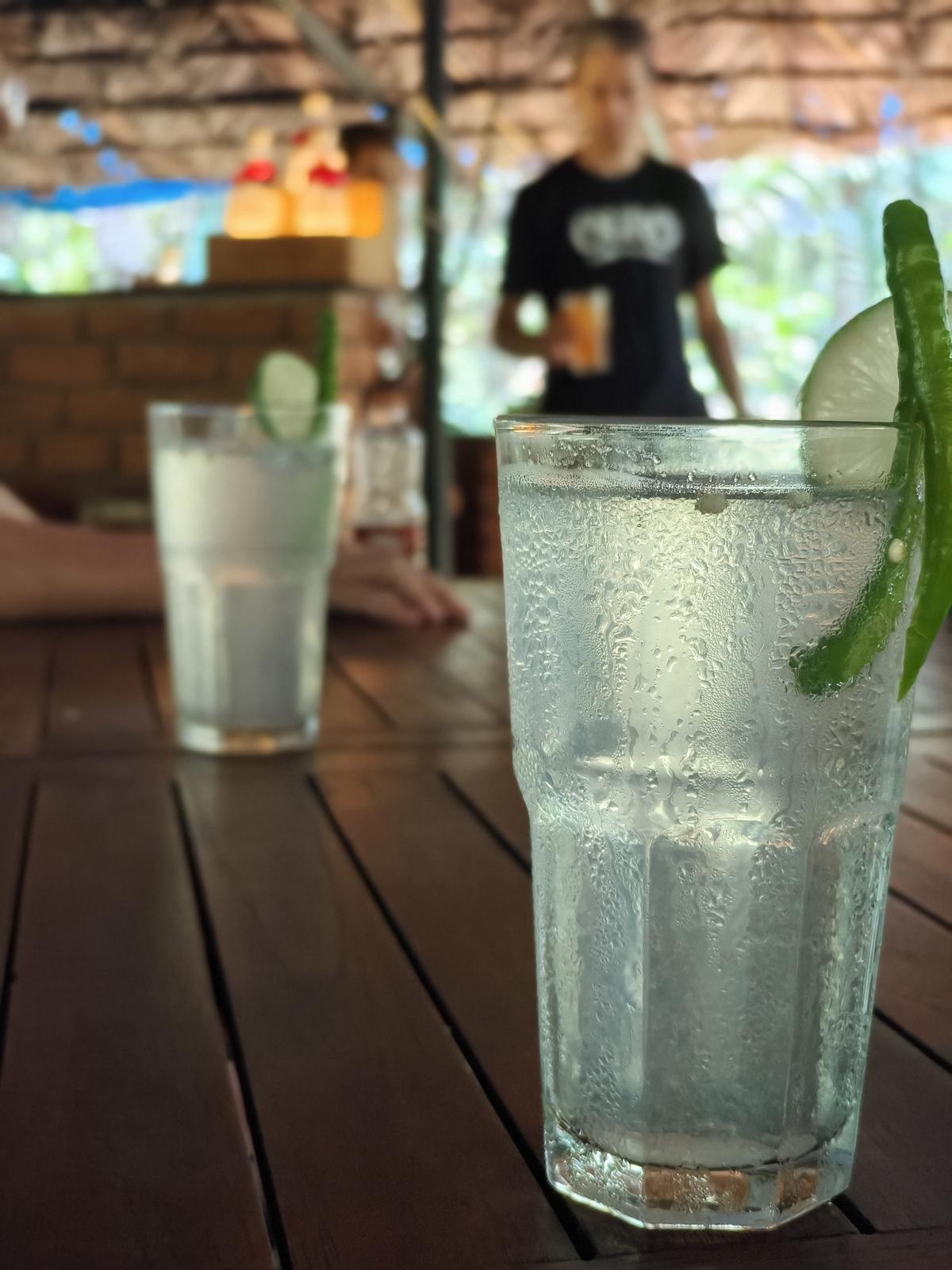
Because it is unfiltered and contains no preservatives, urrak is a living product. It is traditionally consumed fresh, often mixed with lemonade, a pinch of salt, and a slit green chili—a combination designed to hydrate and cool the body during the peak of the Indian summer. Unlike commercial spirits, urrak is deeply tied to its terroir; a bottle from the iron-rich soils of the Western Ghats foothills will taste distinctly different from one produced near the coastal belt.
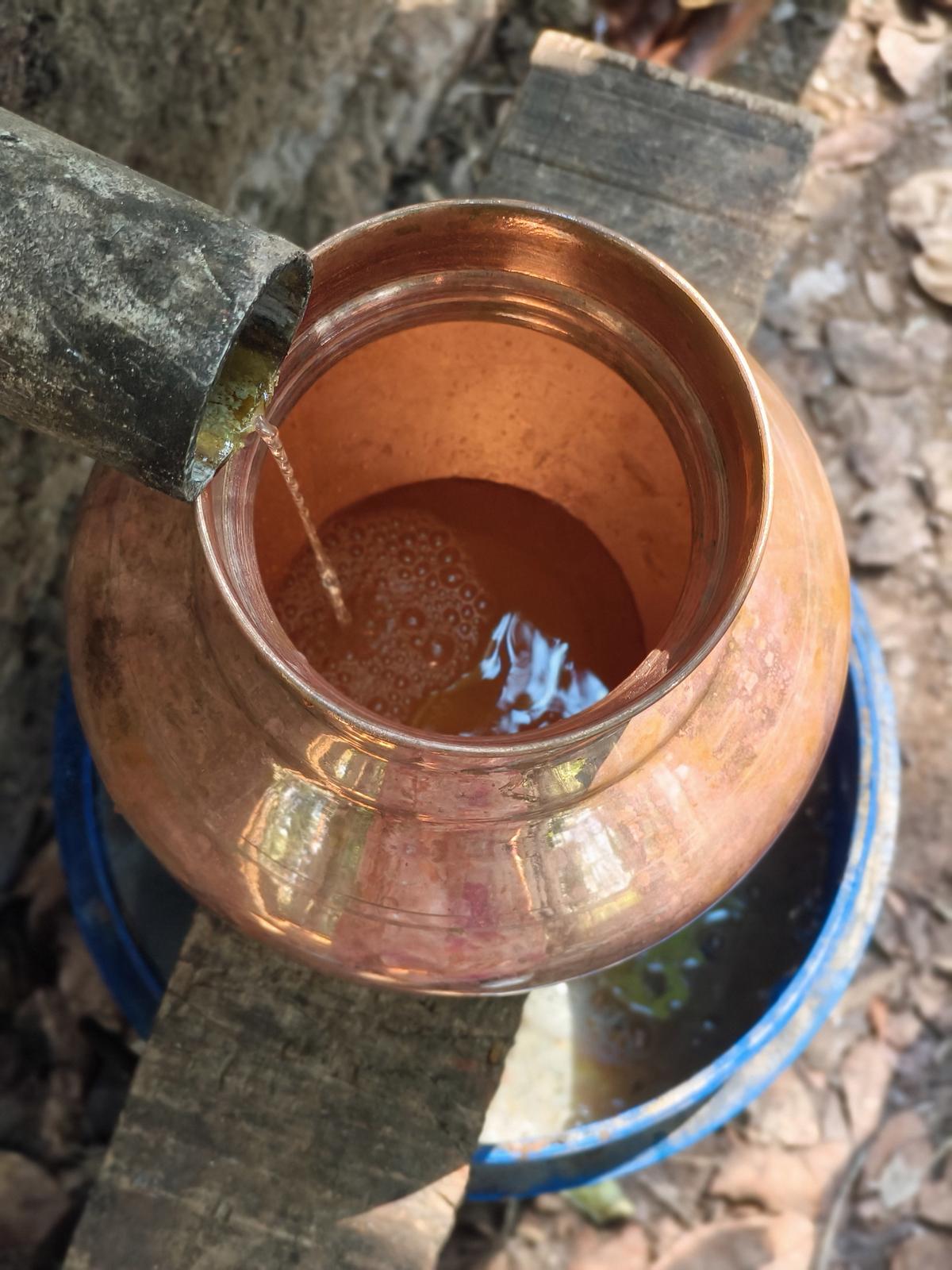
The production of urrak is an arduous, manual process that has remained largely unchanged for centuries. It begins with the collection of fallen cashew apples, which are then de-seeded and crushed to extract the juice. This juice is fermented in earthen or plastic vats before being moved to the bhaan—the traditional copper pot still—where the magic of distillation occurs.
Chronology: From Portuguese Seeds to Four-Generation Stills
The history of urrak is inextricably linked to the arrival of the cashew tree (Anacardium occidentale) in India. Introduced by the Portuguese in the 16th century, primarily to prevent soil erosion, the tree found a second home in Goa’s laterite soil. While the Portuguese brought the plant from Brazil, it was the local Goan population that pioneered the art of distilling its fruit.
By the late 1800s, families like the Diniz family in Cotombi had already established distillation as a cornerstone of village life. Solomon Diniz, a fourth-generation stakeholder in South Goa’s liquor heritage and the architect behind the premium Tinto Feni brand, notes that his family’s involvement in the craft dates back over 140 years. For over a century, the rhythm of the year in Cotombi has been dictated by the flowering of the cashew trees.
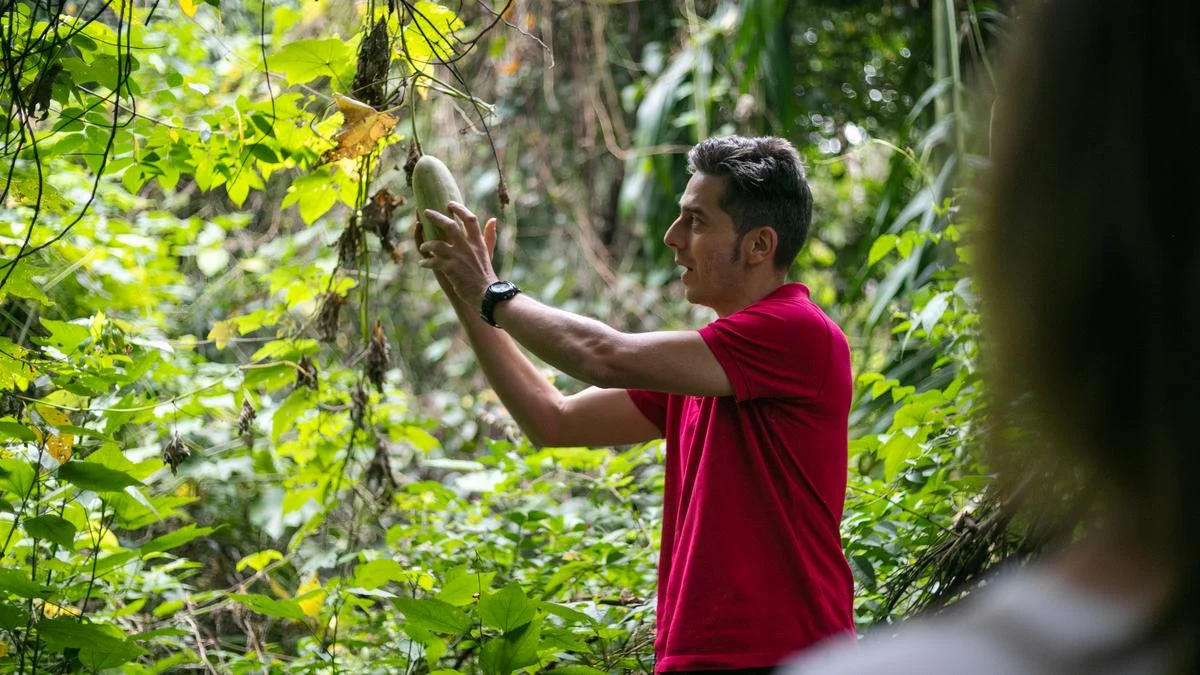
In the 1980s, a different kind of chronological milestone was set in the village of Karmane. Ajit Malkarnekar took 50 acres of what was then considered barren, unyielding laterite land near the Mollem National Park and began an ambitious horticultural experiment. Over the next four decades, this "barren" land was transformed into the Dudhsagar Plantation, an impossibly dense tropical forest that now serves as a primary site for artisanal urrak production. Today, the mantle has passed to his son, Ashok Malkarnekar, representing a new generation that chooses tradition over urban migration.
Supporting Data: The Economics and Science of the Bhaan
The distillation of urrak is a study in thermal dynamics and patience. The traditional bhaan system consists of a large copper pot placed over a wood-fired furnace. The fermented juice is heated, and the vapors are channeled through a bamboo or metal pipe cooled by a continuous flow of water. This condensation process yields the urrak.
Technical Specifications of the Spirit:
- Raw Material: 100% fermented cashew apple juice.
- Distillation: Single-pot distillation.
- Alcohol Content: 12%–15% ABV (Urrak) vs. 40%–45% ABV (Feni).
- Seasonality: 60 to 75 days (March–May).
- Yield: It takes approximately 50 to 70 kilograms of cashew apples to produce a single liter of high-quality urrak.
Economically, urrak occupies a unique space. For distillers like Solomon Diniz, these two months represent a strange market paradox. "During these two months of the year, sales of all our other premium liquors drop drastically," Diniz explains. "Everyone is only drinking freshly brewed urrak!" This seasonal "cannibalization" of sales highlights the drink’s cultural dominance. Despite the rise of global gin and craft beer brands in Goa, the local population remains fiercely loyal to the cashew harvest.
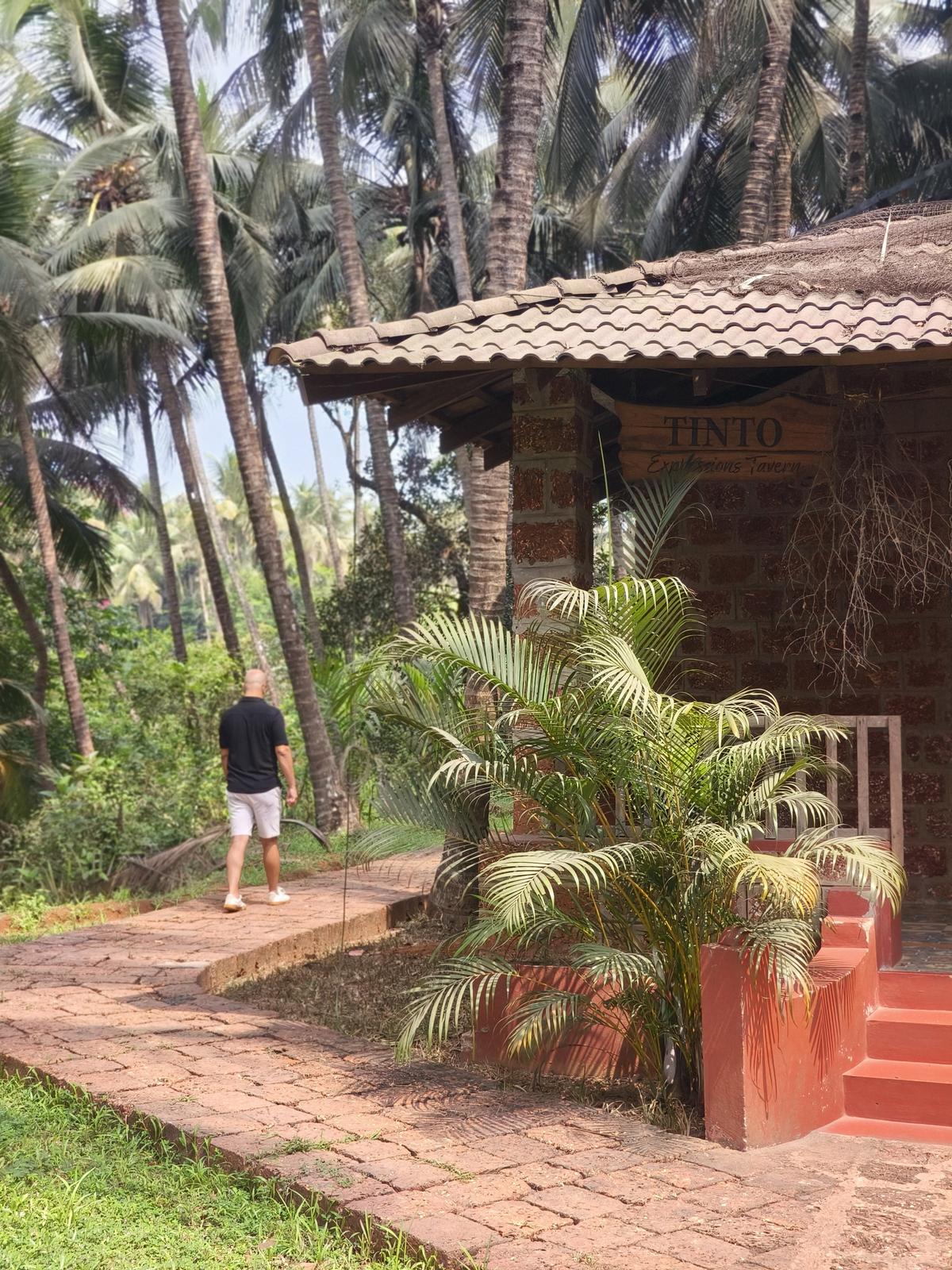
The "farm-to-glass" movement has also turned these plantations into tourism hubs. Tours at establishments like Dudhsagar Plantation and the Tinto Expressions Tavern in Quepem allow visitors to witness the "stomping" of the fruit and the tending of the fires, adding a layer of experiential value to the agricultural output.
Official Responses and Expert Perspectives: Tracing the Roots
The identity of urrak is currently being re-examined by experts who wish to elevate it from a "country liquor" to a sophisticated heritage spirit. Hansel Vaz, the founder of Cazulo Feni and a self-styled "Feni Dotor" (Doctor of Feni), has spent years researching the etymology and history of the drink.
During a recent symposium, Vaz presented a compelling case for the word’s origins, tracing it back to the Arabic word araq (meaning perspiration or distillate). Vaz points out that historically, the term urrak (or urraca) was associated with the sap of the coconut tree, which was traded extensively across the Asian continent and the Arabic world.
"The early references do not point to a cashew distillate at all," Vaz insists. He argues that the cashew fruit, with its overwhelming fragrance and high sugar content, effectively "hijacked" the vocabulary of distillation when it became the dominant crop in Goa. This linguistic evolution mirrors the spirit’s cultural evolution; what was once a generic term for a distillate has become synonymous with the soul of the Goan summer.
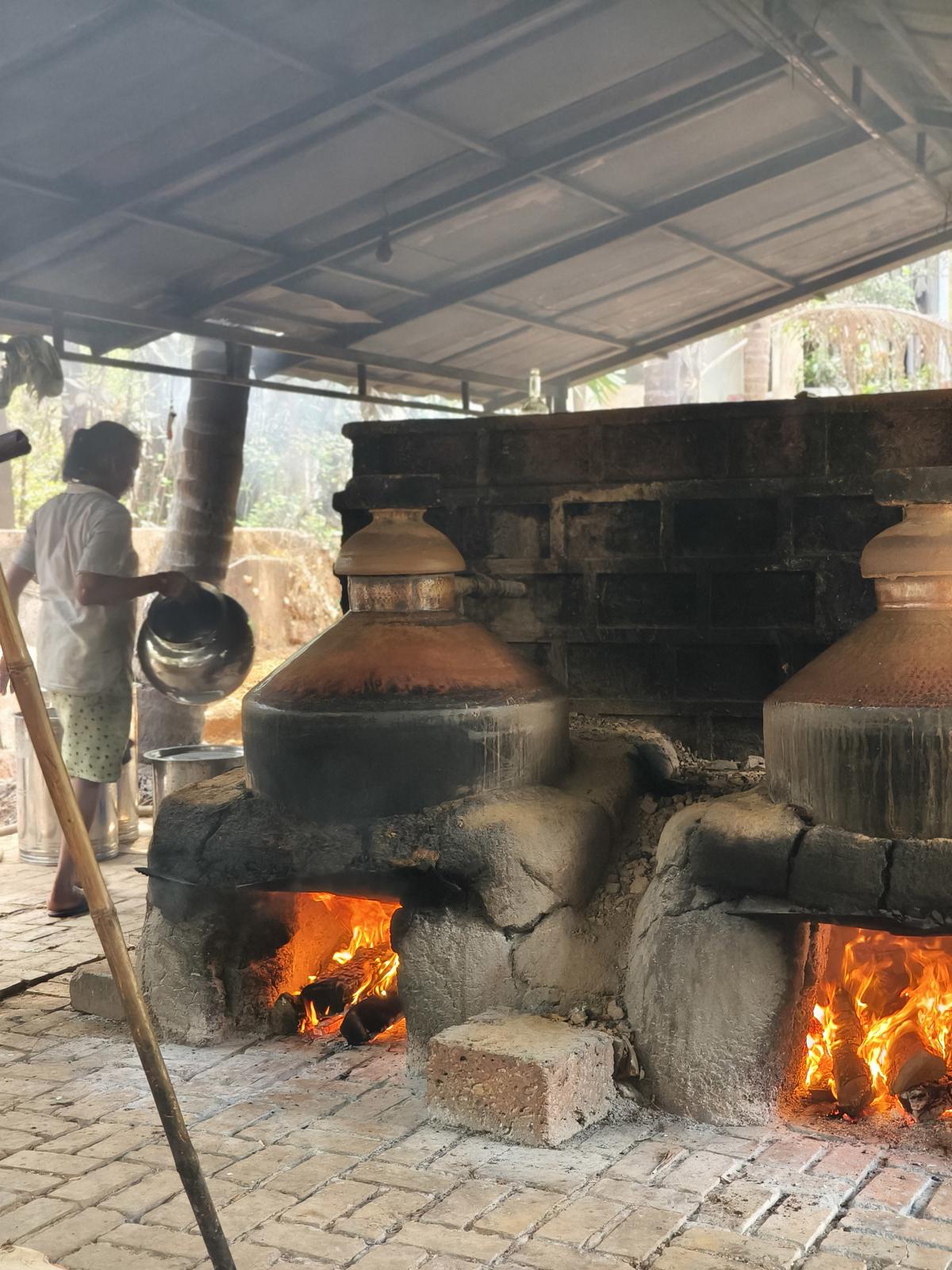
From the producer’s side, the philosophy is one of "slow living." Ashok Malkarnekar emphasizes a circular-living system where nothing is wasted. The spent cashew pulp (known as pinj) is often used as organic manure or cattle feed, ensuring that the plantation remains a self-sustaining ecosystem. "Know your trees, know your fruit, don’t rush anything," Ashok says. In a world of instant gratification, this measured approach is a radical act of preservation.
Implications: The Future of a Fragile Heritage
The survival of urrak as a cultural touchstone faces several modern challenges. The first is environmental. As climate change alters the flowering patterns of cashew trees, the "fleeting few weeks" of the harvest become increasingly unpredictable. Unseasonal rains in March can ruin a season’s worth of fermentation, making the production of high-quality urrak a high-stakes gamble.
The second implication is the tension between tradition and commercialization. As "plantation hopping" becomes a popular tourist activity, there is a debate among distillers about whether to maintain the raw, unpolished nature of the experience or to "boutique-ify" it for a global audience. Solomon Diniz’s Tinto Expressions Tavern represents a middle ground—a thoughtfully calibrated space that honors the nostalgia of the 1800s while providing the "gatekeepers" of the heritage a platform to reach a new demographic.

Finally, the geographical indication (GI) status of Feni has brought international attention to Goa’s cashew spirits. While urrak itself does not yet have the same global footprint as Feni, it is the foundation upon which the Feni industry is built. If the art of making urrak fades, the quality of Feni will inevitably decline.
For the residents of Goa, however, the implications are more personal. Urrak is a sensory anchor. It is the smell of ripened fruit under a jackfruit tree, the sight of red-rust laterite soil, and the sound of birdcall in the Western Ghats. It is a reminder that some things—much like the distillation of a copper bhaan—cannot be rushed. As long as the cashew apples fall in April, the bottles will continue to be bartered, and the "best urrak" will continue to be found in the quiet villages of the south, served with a pinch of salt and a story of four generations.
If You Go:
- Season: March to May.
- Location: South Goa (Quepem, Canacona, and Karmane village).
- Experiences: Tours are available at Adinco Distilleries and Dudhsagar Plantation, starting at approximately ₹750. These tours offer a deep dive into the fermentation, distillation, and tasting of seasonal urrak.
