

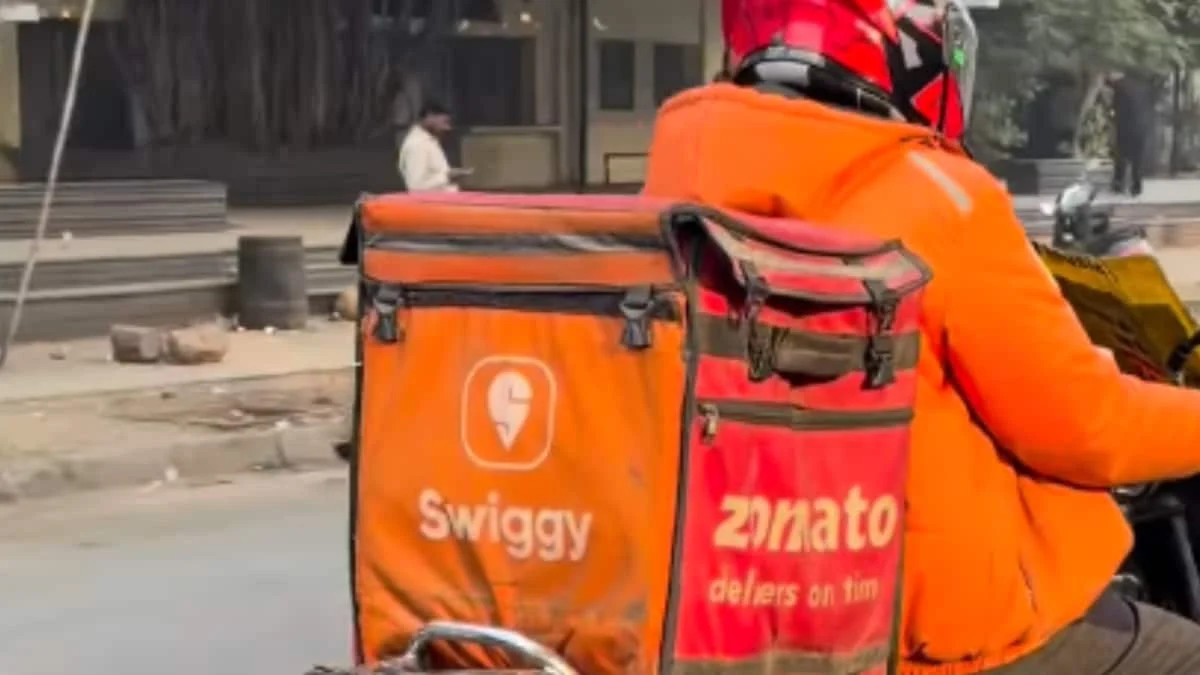
NEW DELHI, India – May 16, 2026 – A significant disruption is set to grip India’s burgeoning app-based cab and delivery services today as the Gig & Platform Service Workers Union (GIPSWU) initiates a five-hour nationwide shutdown. The industrial action, scheduled from 12 pm to 5 pm IST, comes in direct response to the government’s recent hike in petrol and diesel prices, a move that has ignited widespread anger among a workforce already grappling with precarious earnings and escalating operational costs. GIPSWU has unequivocally called for an immediate increase in per-kilometre service rates, demanding a minimum payout of Rs 20 per kilometre to offset the crippling financial burden on its members.
The strike targets major players in the digital economy, including ride-hailing giants like Ola and Uber, as well as food and quick commerce delivery platforms such as Swiggy, Zomato, Blinkit, and Zepto, alongside logistics services like Porter and Amazon Flex. Union leaders assert that the Rs 3 per litre increase in fuel prices, the first such revision in nearly four years, has pushed an estimated 1.2 crore gig workers to the brink, threatening their livelihoods and the sustainability of their engagement with digital platforms.
Main Facts: Gig Workers Launch Nationwide Strike Over Fuel Price Hike
Immediate Impact and Union’s Call to Action
The call for a five-hour cessation of services by GIPSWU represents a critical juncture for India’s rapidly expanding gig economy. The union’s directive urges all app-based cab drivers and delivery partners to halt operations, emphasizing that the increased fuel costs render their current earnings unsustainable. This immediate, coordinated action underscores the growing collective power and frustration within a segment of the workforce often characterized by its atomized and informal nature. The demand for a minimum payout of Rs 20 per kilometre is not merely a request for a marginal adjustment but a fundamental re-evaluation of the compensation structure, aiming to establish a living wage floor for these essential service providers.
The decision to strike follows a government announcement on Friday, revealing a Rs 3 per litre increase in both petrol and diesel prices. This adjustment, attributed to a sharp spike in global crude oil prices stemming from escalating geopolitical tensions in West Asia and fears of supply disruptions through the crucial Strait of Hormuz, marks the first retail fuel price revision in almost four years. While the government cites external factors, gig workers argue that the burden of these global market dynamics is unfairly offloaded onto their shoulders, without corresponding protection or compensation from either the state or the multi-billion-dollar digital platforms they serve.
The Core Grievance: Unsustainable Economics
At the heart of GIPSWU’s protest lies the profound economic vulnerability of gig workers. The union highlights that the fuel price hike disproportionately affects those dependent on two-wheelers and cabs for their daily work, particularly in a sector where workers typically bear all operational costs themselves. "The burden of the fuel price increase will largely fall on gig and platform workers, especially those dependent on two-wheelers for deliveries and ride-hailing services," a GIPSWU statement affirmed.
The union estimates that nearly 1.2 crore workers engaged with app-based platforms across India could face severe financial pressure. Their earnings, already razor-thin due to fluctuating incentive structures, high commissions taken by platforms, and the relentless pressure of performance metrics, are now further eroded by the increased cost of fuel and vehicle maintenance. This pre-existing financial stress is exacerbated by other factors, including the rising cost of LPG gas (affecting many delivery partners who also use gas-powered vehicles or face general inflation) and the gruelling working conditions during an ongoing severe heatwave. The union warns that without a significant increase in payouts from companies, many workers may be forced to abandon the sector, leading to a potential migration crisis and further destabilization of the gig workforce.
Chronology of Escalation: From Price Hike to Protest
The Government’s Fuel Price Announcement
The catalyst for today’s strike was the Central government’s announcement on Friday, May 15, 2026, detailing a Rs 3 per litre increase in the retail prices of both petrol and diesel. This revision marked a significant shift in government policy, as domestic fuel prices had remained largely stable for nearly four years, insulating consumers from the volatility of international crude markets. The Ministry of Petroleum and Natural Gas attributed the decision to a sharp and sustained rise in global crude oil benchmarks, exacerbated by escalating geopolitical tensions in the Middle East. Specifically, concerns over potential supply disruptions through the Strait of Hormuz, a critical chokepoint for global oil shipments, were cited as a primary driver for the upward trajectory of crude prices. While the government emphasized the necessity of aligning domestic prices with international rates to maintain the financial health of oil marketing companies, the timing and magnitude of the hike immediately sent ripples of concern through various sectors, none more so than the gig economy.
GIPSWU’s Swift Response and Mobilization
The Gig & Platform Service Workers Union (GIPSWU) responded with swift condemnation, recognizing the immediate and devastating impact the price hike would have on its members. Within hours of the government’s announcement, the union issued a nationwide appeal, mobilizing its extensive network of app-based cab drivers and delivery partners. The call for a five-hour service suspension on Saturday, May 16, 2026, from 12 pm to 5 pm, was strategically timed to maximize disruption and amplify the workers’ grievances. Union leadership emphasized that this was not merely a protest against the government’s fuel policy but a direct demand to digital platforms and the government to implement compensatory measures.
In a strongly worded statement, GIPSWU articulated its demands: "Gig & Platform Service Union (GIPSWU) demands increase in per-kilometre service rates from the government and digital gig platforms following hike in petrol, diesel and LPG gas prices. Rise in petrol and diesel prices will become a cause of concern and migration among gig workers. The direct impact of the increase in petrol and diesel prices will fall upon 1.2 crore gig workers." The urgency conveyed in their statements underscored the dire situation faced by workers, many of whom live paycheck to paycheck, with little to no financial buffer against such economic shocks.
A History of Discontent: Pre-existing Issues
This current strike is not an isolated incident but rather the latest manifestation of deep-seated grievances within India’s gig economy. For years, gig workers have voiced concerns over declining per-order payouts, opaque algorithms, arbitrary deactivations, lack of social security benefits, and the absence of a formal employer-employee relationship that would grant them basic labour rights. Previous protests, though often localized or short-lived, have highlighted issues such as unfair commission structures, the burden of maintenance costs, long working hours, and the psychological toll of performance pressure.
The "platform economy" model, while offering flexibility, has often been criticized for externalizing operational risks and costs onto individual workers. This has led to a "race to the bottom" in terms of worker compensation, as platforms compete aggressively for market share. The fuel price hike, therefore, serves as a flashpoint, bringing to a head years of simmering discontent over what workers perceive as exploitative practices and a systemic disregard for their welfare. This strike marks a significant step in the collective bargaining power of gig workers, who are increasingly realizing the strength in unity against powerful digital corporations and the broader economic forces at play.
Supporting Data and Economic Realities
The Gig Economy’s Rapid Expansion and Its Workforce Profile
India’s gig economy has experienced an unprecedented boom over the past few years, transforming urban landscapes and providing livelihoods for millions. Driven by the proliferation of smartphones, affordable internet, and a vast consumer base, platforms specializing in food delivery, quick commerce, and ride-hailing have become ubiquitous. According to estimates by NITI Aayog, the government’s policy think tank, India’s gig workforce stood at approximately 77 lakh (7.7 million) in 2020-21. This number is projected to skyrocket, crossing 2.3 crore (23 million) by 2029-30, indicating the sector’s critical role in future employment generation.
The typical gig worker often relies on this income as their primary source of livelihood, investing their own capital in vehicles, fuel, and maintenance. They operate across a multitude of platforms, including Zomato, Swiggy, Blinkit, Zepto, Ola, Uber, Rapido, Porter, and Amazon Flex, contributing significantly to the convenience and efficiency of modern urban life. These workers, predominantly young and from lower to middle-income backgrounds, are drawn to the perceived flexibility and low entry barriers of gig work, often as an alternative to formal employment scarcity. However, this flexibility often comes at the cost of stability, benefits, and fair compensation, making them highly susceptible to economic shocks like the recent fuel price hike.
The Math of Marginalization: Fuel Costs vs. Earnings
The Rs 3 per litre fuel price hike, while seemingly modest in isolation, translates into a substantial erosion of daily earnings for gig workers. Consider a delivery partner or cab driver who typically covers 100-150 kilometres daily. A two-wheeler, consuming an average of 2-3 litres of petrol per 100 km, will now incur an additional daily cost of Rs 6-9 (for 2-3 litres). Over a month, this accumulates to Rs 180-270, a significant sum for workers whose net daily earnings might range from Rs 500-800 after platform commissions and other expenses. For a four-wheeler cab driver, consuming upwards of 10-15 litres daily, the additional cost could be Rs 30-45 per day, or Rs 900-1350 per month.
GIPSWU’s demand for a minimum payout of Rs 20 per kilometre stands in stark contrast to current incentive structures, which often fall far below this threshold, especially during non-peak hours or in less dense areas. Many workers report per-kilometre payouts ranging from Rs 8-15, with additional incentives often contingent on meeting stringent targets or specific conditions. These incentives are rarely sufficient to cover not only fuel but also vehicle servicing (tyres, oil changes, brake pads), insurance, smartphone data plans, and the daily wear and tear on their vehicles. Union president Seema Singh underscored this disparity: "Delivery workers associated with companies such as Swiggy, Zomato and Blinkit will not be able to bear the impact of rising petrol and diesel prices during the ongoing severe heatwave conditions." The combined effect of rising operational costs and stagnant or declining per-trip payouts creates an unsustainable economic model for the workers at the bottom of the value chain.
Vulnerability in the Unorganised Sector
National Coordinator Nirmal Gorana highlighted that gig workers are among the most vulnerable within India’s vast unorganised workforce. "Among the nearly 60 crore workers engaged in the unorganised sector, around 1.2 crore gig and platform workers are among the worst affected sections because a large numbers of workers associated with app-based companies are completely dependent upon motorcycles, scooters and other vehicles for earning their livelihood," he stated. This vulnerability stems from several factors unique to their employment model. Unlike formally employed individuals, gig workers typically lack minimum wage guarantees, paid leave, health insurance, provident fund contributions, or retirement benefits. They are classified as independent contractors, a designation that absolves platforms of traditional employer responsibilities.
Furthermore, the nature of their work often involves long hours—Gorana noted that many spend 10 to 14 hours daily navigating congested roads and extreme weather—under immense pressure to meet delivery timelines. This constant grind, coupled with the rising cost of living, leaves them with minimal savings and high indebtedness. The absence of a robust social safety net means that any economic shock, such as a fuel price hike or a sudden illness, can push them into severe financial distress, potentially forcing them out of the sector altogether and exacerbating urban poverty. The current protest, therefore, is not just about fuel prices; it is a desperate plea for recognition, fair compensation, and fundamental labour protections for a critical, yet marginalized, segment of the Indian workforce.
Official Responses and Stakeholder Perspectives
Silence from Digital Platforms (Initial Stance)
As of the immediate aftermath of GIPSWU’s strike call, major digital platforms like Swiggy, Zomato, Ola, Uber, and others have maintained a conspicuous silence. There have been no official statements acknowledging the strike, addressing the workers’ demands, or outlining any potential measures to mitigate the impact of the fuel price hike on their delivery partners and drivers. This initial silence is characteristic of platform companies, who often take time to assess the scale and impact of industrial action before issuing a public response.
Historically, these companies have responded to worker grievances with a mix of strategies: sometimes by making minor adjustments to incentive structures, offering temporary bonuses, or engaging in limited dialogue with worker representatives. However, they have consistently resisted formal recognition of workers as employees, which would entail significant legal and financial obligations. Their business models are predicated on maintaining the "independent contractor" status of their workforce, allowing for maximum flexibility and cost efficiency. Any concession on per-kilometre rates or a minimum wage structure could fundamentally alter their profitability and operational frameworks, making them cautious in their immediate reactions. The lack of a unified industry-wide response also highlights the competitive pressures within the gig economy, where individual platforms may fear losing market share if they unilaterally increase worker payouts.
Government’s Position and Policy Landscape
The government’s position on the fuel price hike has been consistently framed within the context of global market dynamics. Officials from the Ministry of Petroleum and Natural Gas have reiterated that domestic prices must reflect international crude oil rates to ensure the financial viability of public sector oil marketing companies and to prevent a further drain on government subsidies. While acknowledging the impact on consumers and various sectors, the government has generally resisted direct intervention to cap retail prices, citing fiscal prudence.
Regarding gig workers, the Indian government has made some strides in acknowledging their existence and the need for social security. The Code on Social Security, 2020, for instance, includes provisions for "gig workers" and "platform workers," aiming to extend certain social security benefits like provident fund, ESI, and life and disability insurance, although the implementation framework is still evolving. However, the Code does not alter their classification as independent contractors or mandate minimum wages or specific working conditions from platforms. The current strike presents a fresh challenge for the government, requiring a delicate balance between promoting the growth of the digital economy, ensuring stable fuel prices (or explaining their volatility), and addressing the legitimate demands for better living wages and working conditions for a rapidly expanding segment of its workforce.
Expert Analysis and Economic Commentary
Economists and labour market experts are closely watching the unfolding situation, offering critical perspectives on the sustainability of the gig economy model. Dr. Ananya Sharma, a labour economist, noted, "The current model of the gig economy in India, where workers bear all operational costs and risks while platforms dictate terms and commissions, is inherently fragile. The fuel price hike is simply exposing the deep fault lines that have existed for years. Without a regulatory framework that mandates minimum earnings and social security contributions, we will continue to see these cycles of unrest."
Many experts argue that the intense competition among platforms has led to a "race to the bottom" in terms of worker remuneration, where platforms are incentivized to minimize payouts to attract and retain customers with lower service costs. This unsustainable model places the financial burden squarely on the workers, who often work longer hours for diminishing returns. There’s a growing consensus that for the gig economy to be truly inclusive and sustainable in the long term, a multi-stakeholder approach involving government, platforms, and worker unions is essential to devise a fair and equitable revenue-sharing model. Furthermore, some analysts point out that ignoring worker demands could lead to higher attrition rates, affecting service quality and potentially slowing down the very growth trajectory that NITI Aayog projects for the sector.
Implications and The Path Forward
Immediate Disruptions and Consumer Impact
The five-hour shutdown by gig workers today is expected to cause immediate and noticeable disruptions for millions of urban consumers. During the strike period from 12 pm to 5 pm, customers attempting to book rides on platforms like Ola or Uber are likely to face increased wait times, surge pricing (if any drivers remain active), or complete unavailability of services. Similarly, orders for food delivery from Swiggy and Zomato, or quick commerce items from Blinkit and Zepto, will likely experience significant delays or cancellations. This will directly impact daily routines, particularly for those relying on these services for lunch, urgent errands, or transportation during peak afternoon hours.
While the strike is for a limited duration, its symbolic impact is profound. It demonstrates the critical role gig workers play in the daily functioning of urban economies and their collective power to bring essential services to a halt. If the dispute escalates and a resolution is not found, the potential for prolonged industrial action or sustained worker dissatisfaction could lead to a permanent degradation of service quality, higher prices for consumers in the long run, and a fundamental shift in how urban populations interact with these digital platforms.
Future of Gig Work: A Crossroads?
The current strike could represent a pivotal moment for the future of gig work in India. It signals a growing assertiveness among gig workers and a strengthening of unions like GIPSWU, which are increasingly effective in mobilizing a dispersed workforce. This heightened collective action challenges the conventional narrative of individual, flexible contractors, pushing for a re-evaluation of labour rights in the digital age. The outcome of this protest could set a precedent for future negotiations between workers, platforms, and the government.
There are several potential scenarios. Platforms might be compelled to reconsider their payout structures, perhaps introducing a dynamic pricing model that better accounts for fuel costs or a tiered incentive system that provides a higher base rate. The government might be pressured to accelerate the implementation of social security benefits or to explore regulatory frameworks that offer more robust protections, potentially drawing lessons from international models that classify gig workers differently or mandate minimum earnings. Conversely, a failure to address the workers’ demands could lead to widespread disillusionment, high attrition rates, and a talent drain from the gig economy, particularly if the economics remain unsustainable. This would not only impact the growth projections for the sector but also exacerbate urban unemployment and poverty.
Policy Recommendations and Calls for Regulation
The ongoing crisis underscores the urgent need for comprehensive policy interventions to ensure the fairness and sustainability of India’s gig economy. Key policy recommendations include:
- Minimum Earning Guarantee: Implementing a per-kilometre minimum payout, as demanded by GIPSWU (e.g., Rs 20/km), that accounts for operational costs and ensures a living wage.
- Dynamic Pricing & Fuel Surcharge: Mandating platforms to incorporate a transparent fuel surcharge mechanism that automatically adjusts worker payouts in response to fluctuating fuel prices.
- Enhanced Social Security: Fully implementing and expanding the provisions of the Code on Social Security for gig workers, ensuring access to health insurance, provident fund, and other benefits.
- Worker Representation: Establishing formal mechanisms for dialogue and collective bargaining between platforms, worker unions, and government bodies.
- Data Transparency: Requiring platforms to be more transparent about their algorithms, commission structures, and how earnings are calculated, empowering workers with better information.
- Fair Deactivation Policies: Implementing clear and fair processes for worker deactivation, with avenues for appeal and redressal.
Models from countries like the UK, where some gig workers have been reclassified as "workers" (a hybrid category between employee and independent contractor), or specific cities that have introduced minimum wage laws for gig workers, could offer valuable insights for India.
Broader Economic Repercussions
Beyond the immediate disruptions, the growing discontent in the gig economy carries broader economic repercussions. If a significant portion of the 1.2 crore gig workers faces chronic financial distress or exits the sector, it could lead to increased unemployment in urban centres, particularly among those with limited formal employment opportunities. This would not only impact individual livelihoods but also dampen consumer spending, a critical driver of India’s economic growth. The digital economy, often hailed as a job creator and innovation engine, risks becoming a source of systemic exploitation if worker welfare is not adequately addressed. Furthermore, persistent labour disputes could deter investment in the sector, impacting India’s aspirations to be a global leader in the digital economy. The current strike, therefore, is not merely a localized protest; it is a loud alarm bell for policymakers and platform executives to collaboratively build a more equitable and sustainable future for India’s digital labour force.
