

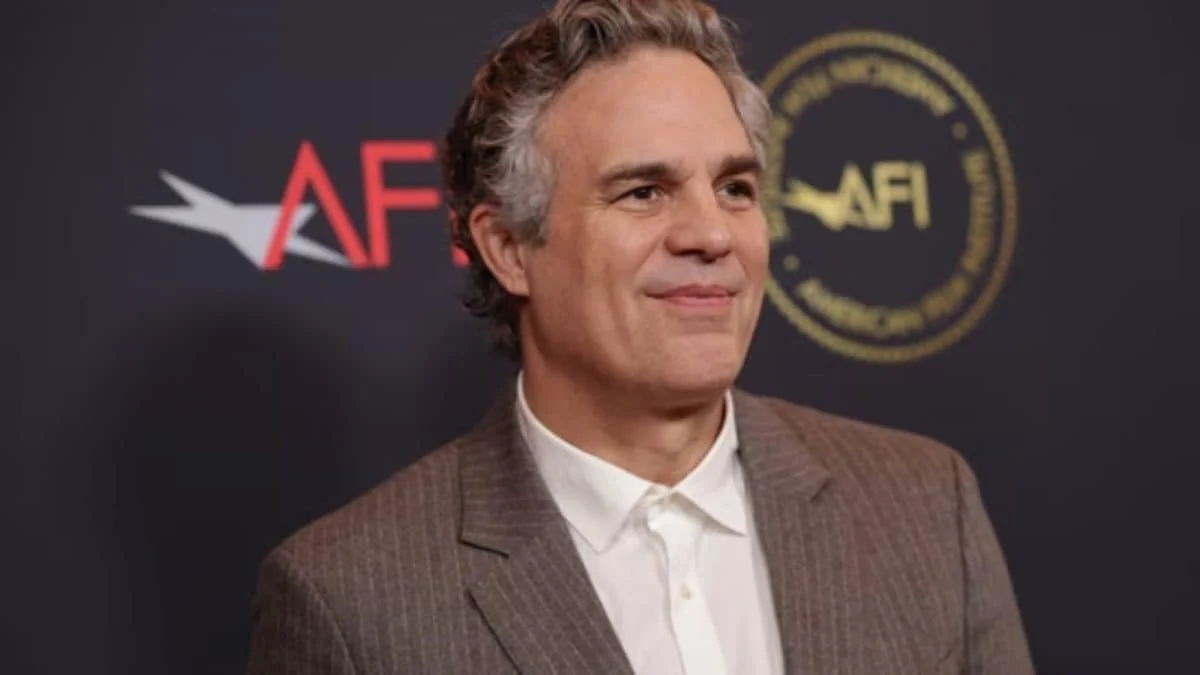
Hollywood, CA – May 17, 2026 – In a bold and increasingly rare display of public dissent within the tightly controlled corridors of Hollywood, acclaimed actor Mark Ruffalo has revealed that his vocal opposition to the proposed Paramount-Skydance merger may have already placed him on a de facto "banned actors" list. The revelation, made during a recent podcast appearance, shines a stark spotlight on the alleged climate of fear and potential retaliation that Ruffalo claims is stifling open discourse about a multi-billion dollar deal that could reshape the entertainment landscape.
Ruffalo, a known advocate for social and political issues, has been one of the most prominent figures to publicly condemn the acquisition of Warner Bros. Discovery (WBD) by Paramount and Skydance. His outspoken stance, amplified by his participation in a widely circulated open letter, has now led him to believe that his career may be facing subtle, yet significant, repercussions.
"I’m doing this because I know we have to," Ruffalo stated on the "I’ve Had It" podcast, his voice resonating with a mixture of defiance and concern. "And I know no matter what, if I don’t speak out, it’s the same outcome. I’m already on a list. I’m already not a friend of these people. And so you’re either going to fight, or you’re going to lie down. But the same outcome will be if you don’t (fight), if you lay down. That’s the way it is with every bully in the world."
This candid admission from a star of Ruffalo’s stature carries significant weight, suggesting that even established figures in Hollywood may face professional consequences for challenging powerful industry players. The alleged "banned actors" list, if it exists, represents a chilling potential mechanism for silencing dissent and controlling narratives within an industry heavily reliant on collaboration and goodwill.
Theatomy of a Controversial Deal: Paramount-Skydance and Warner Bros. Discovery
The proposed merger, valued at an astronomical $110 billion, has been a dominant topic of discussion and concern within the entertainment industry for months. At its core, the deal involves Paramount Global, a venerable Hollywood studio, being acquired by Skydance Media, a production company led by David Ellison, the son of Oracle founder Larry Ellison. The ultimate target of this complex transaction is Warner Bros. Discovery, a media conglomerate formed from the merger of WarnerMedia and Discovery Inc.
The intricate financial and corporate maneuverings have raised eyebrows among industry analysts and creatives alike. Reports indicate that the agreement carries an equity value of $81 billion and is anticipated to finalize in the third quarter of 2026. However, the sheer scale and potential impact of this consolidation have ignited a firestorm of debate regarding its implications for competition, artistic freedom, and the future of content creation.
A Growing Chorus of Concern: The Open Letter and Its Aftermath
Mark Ruffalo has not been alone in his apprehension. In April, he lent his considerable influence to an open letter signed by over 1,000 individuals from across the creative community. This collective statement articulated profound concerns that the proposed Paramount-Skydance deal would "threaten the sustainability of the entire creative community." The letter’s signatories, a diverse group of actors, writers, directors, producers, and industry professionals, underscored the potential for such a large-scale merger to concentrate power, reduce opportunities, and negatively impact the livelihoods of countless individuals.
However, Ruffalo’s accounts reveal that mobilizing this support was far from easy. He described a pervasive atmosphere of fear that prevented many from openly endorsing the letter, even if they privately shared its concerns.
"It’s interesting because a lot of people, off the bat, were afraid to sign it," Ruffalo explained. "They’re afraid because, to quote one prominent agent whose name I won’t divulge here, these are some vindictive motherf***ers, the Ellisons…" This powerful quote, attributed to an unnamed agent, paints a picture of Skydance and its leadership as formidable and potentially punitive forces within the industry.
Ruffalo continued, emphasizing the courage required to speak out, "What we know is that courage is contagious, and there’s safety in numbers. A lot of the people on this letter are people who either can afford to be there, like myself, or people who can’t afford to not be there. They’re fighting for their lives. The stakes are very, very high. They understand what happens when these mergers happen." This sentiment highlights the stark reality that while some individuals may have the financial security to risk professional repercussions, many others face the immediate threat of losing their livelihoods.
The Legal Front: Antitrust Scrutiny and Public Advocacy
Beyond public statements and open letters, Ruffalo, in collaboration with his attorney Norm Eisen, has actively engaged in efforts to block the merger through legal channels. They are reportedly urging government officials to intervene, leveraging antitrust laws to scrutinize the potential monopolistic implications of the deal. Their campaign has reportedly garnered significant traction, with the open letter alone amassing over 5,000 signatures, a testament to the widespread unease surrounding the proposed consolidation.
Ruffalo’s advocacy has extended to prominent media platforms. In an opinion piece published in The New York Times in May, he further elaborated on the pervasive fear within Hollywood. He argued that many actors and filmmakers privately expressed their anxieties about potential retaliation if they were to publicly criticize the Paramount-Skydance deal.
"The most revealing thing about that letter wasn’t the people who signed," Ruffalo wrote in his op-ed. "It was the people who didn’t. Not because they disagreed – because they were afraid." This statement underscores the chilling effect that perceived powerful opposition can have on free expression within the industry.
A Shifting Landscape: The Paramount-Skydance Deal in Context
The Paramount-Skydance deal is not an isolated event but rather a significant development in a broader trend of consolidation within the media and entertainment sectors. The landscape has been in flux for years, with mergers and acquisitions aiming to achieve economies of scale, expand content libraries, and navigate the increasingly competitive streaming wars.
The reported exit of Netflix from the bidding war for Warner Bros. Discovery earlier in February created a vacuum that Paramount and Skydance moved to fill. This strategic shift by a major player like Netflix may have signaled a reevaluation of their own acquisition strategies or an acknowledgment of the complexities and potential liabilities associated with such a massive undertaking.
The reported agreement between Warner Bros. Discovery and Paramount Skydance, valued at $110 billion, signifies a monumental shift. The equity value of $81 billion, as per Reuters, highlights the substantial financial commitment involved. The projected closing in the third quarter of 2026 suggests a lengthy and potentially contentious regulatory and integration process.
Implications for the Creative Community and Beyond
The ramifications of the Paramount-Skydance deal, and the alleged intimidation tactics employed to push it through, extend far beyond the immediate financial transactions.
Concentration of Power and Reduced Competition: Large-scale mergers can lead to a significant concentration of power in the hands of a few entities. This can result in fewer independent voices, reduced diversity of content, and diminished opportunities for emerging talent. When fewer companies control a larger share of the market, they may have less incentive to innovate or cater to niche audiences.
Artistic Freedom and Censorship: The fear of retribution, as articulated by Ruffalo, directly impacts artistic freedom. If creators and performers are worried about jeopardizing their careers by speaking out against powerful corporate interests, they may self-censor, leading to a less vibrant and diverse creative output. This can stifle critical narratives and limit the exploration of challenging or unconventional themes.
Labor Relations and Worker Protections: The alleged existence of "banned lists" raises serious concerns about labor practices and worker protections in Hollywood. Such tactics, if proven, could be seen as a form of blacklisting, reminiscent of darker periods in Hollywood history. This undermines the ability of workers to advocate for fair treatment, better working conditions, and equitable compensation.
Antitrust Enforcement and Corporate Accountability: Ruffalo’s efforts to engage antitrust authorities are crucial. These regulatory bodies play a vital role in ensuring fair competition and preventing monopolies. The Paramount-Skydance deal presents a significant test case for antitrust enforcement in the modern media landscape, which is characterized by rapid technological change and evolving business models.
The Role of Public Discourse: Mark Ruffalo’s willingness to speak out, despite the potential personal cost, serves as a vital reminder of the importance of public discourse in holding powerful entities accountable. His actions encourage others to overcome their fear and engage in the critical examination of industry practices that have a profound impact on culture and economy.
As the Paramount-Skydance deal progresses, the spotlight remains firmly fixed on Hollywood’s internal dynamics. Mark Ruffalo’s allegations have added a layer of drama and urgency to the unfolding narrative, forcing a conversation about power, fear, and the very soul of an industry that shapes global culture. The coming months will likely reveal whether the voices of dissent, amplified by courageous individuals like Ruffalo, can effect meaningful change in the face of immense corporate influence.
