


For decades, the prevailing wisdom surrounding wisdom teeth has been one of inevitable extraction. The mere mention of these last molars often conjures images of painful procedures, swollen jaws, and a sense of dread. This widespread perception, fueled by anecdotal evidence and historical dental practices, has led many to believe that surgical removal is a universal necessity. However, dental experts are increasingly challenging this long-held assumption, asserting that not all wisdom teeth demand to be extracted. The decision, they emphasize, is far more nuanced, resting on a careful evaluation of individual oral health, tooth development, and potential future complications.
Unpacking the "Wisdom" of Extraction: Dispelling the Myth of Inevitability
Wisdom teeth, medically known as third molars, typically emerge during the late teens and early twenties – a period often associated with the onset of adult reasoning, hence the colloquial "wisdom" moniker. These are the final teeth to erupt in the mouth, situated at the very back of the jaw. Historically, the common narrative has been that the human jaw, particularly in modern populations, has not evolved sufficiently to accommodate these late arrivals. This perceived lack of space is frequently cited as the primary reason for extraction.
However, Dr. Tanu Gupta, a Senior Consultant in Dental Science at ShardaCare Healthcity, clarifies that this is not a universal truth. "Some individuals can safely retain their wisdom teeth throughout their lives," Dr. Gupta explains. "The key factor is whether the teeth erupt properly, remain healthy, and do not pose a risk to overall oral hygiene or adjacent teeth. If a wisdom tooth is healthy, properly aligned, fully erupted, and can be effectively cleaned, it can indeed remain in the mouth without causing issues."
This expert opinion directly contradicts the ingrained belief that extraction is a foregone conclusion. The implication is that a significant number of individuals may be undergoing unnecessary surgical procedures, enduring discomfort and potential complications for teeth that would have otherwise remained benign. This realization prompts a deeper exploration into the true indicators of problematic wisdom teeth and the rationale behind their removal.
The Growing Pains: Why Wisdom Teeth Can Become a Problem
The primary reason wisdom teeth often become problematic is the evolutionary mismatch between jaw size and tooth development. As human diets have evolved, with softer foods requiring less extensive chewing, the jaw structure has, in many cases, become smaller. This reduced jaw space can lead to a variety of complications when wisdom teeth attempt to erupt:
- Impaction: This is perhaps the most common issue. When there isn’t enough room, the wisdom teeth can become impacted, meaning they are trapped either partially or completely beneath the gums or within the jawbone. This can cause them to grow at awkward angles, pushing against adjacent teeth.
- Crowding: As impacted wisdom teeth push against the second molars, they can force the entire dental arch into a state of crowding. This can lead to misalignment of other teeth, making them more difficult to clean and increasing the risk of decay and gum disease.
- Pain and Swelling: The eruption process itself, especially when hindered by lack of space, can cause significant pain and inflammation in the gums surrounding the wisdom teeth. This discomfort can range from a dull ache to sharp, throbbing pain.
- Infections (Pericoronitis): When wisdom teeth are only partially erupted, a flap of gum tissue can form over the biting surface. Food particles and bacteria can easily get trapped under this flap, leading to a painful infection known as pericoronitis. This can manifest as swelling, pus formation, and a foul taste or smell.
- Damage to Adjacent Teeth: Wisdom teeth growing at an angle can exert pressure on the roots of the second molars, potentially causing resorption (dissolving) of the root structure. This can lead to pain, sensitivity, and even the loss of the adjacent molar.
- Cyst Formation: In some cases, fluid-filled sacs called cysts can develop around impacted wisdom teeth. While often painless initially, these cysts can grow over time, damaging the jawbone and surrounding teeth.
- Cavities and Gum Disease: The difficulty in cleaning the back of the mouth, especially around partially erupted or misaligned wisdom teeth, makes them prime candidates for cavities and periodontal disease.
Identifying the Warning Signs: When Your Wisdom Teeth Are Sending an SOS
While some wisdom teeth problems are silent, many present clear, albeit sometimes subtle, signals that intervention may be necessary. Dr. Gupta outlines several key symptoms that warrant a consultation with a dental professional:
- Persistent Pain at the Back of the Mouth: This is the most common and often the earliest indicator. The pain can be a dull ache or sharp and intense, especially when chewing.
- Swelling of the Gums: The gum tissue around the wisdom teeth may become red, swollen, and tender to the touch.
- Difficulty Opening the Mouth (Trismus): Swelling and inflammation can restrict jaw movement, making it difficult to open the mouth wide.
- Bad Breath (Halitosis): Trapped food particles and bacteria in the gum pockets around wisdom teeth can lead to persistent bad breath that regular brushing cannot eliminate.
- Headache or Jaw Pain: The pressure exerted by impacted wisdom teeth can sometimes radiate, causing headaches or generalized jaw pain.
- Repeated Infections: Frequent episodes of swelling, pain, and pus around the wisdom teeth are a strong indication of underlying issues.
- Visible Decay or Damage: In some cases, decay might be visible on the wisdom tooth or the adjacent molar.
It is crucial to note, however, that not all problematic wisdom teeth announce their presence with overt pain. Experts caution that "silent damage may continue inside the mouth without obvious symptoms." This underscores the vital role of regular dental check-ups and X-rays.
The Diagnostic Approach: The Power of Imaging and Expert Assessment
Given the potential for silent damage, the decision to extract wisdom teeth is not solely based on the presence of pain. Dental professionals rely on a combination of clinical examination and diagnostic imaging to assess the status of these teeth.
- Dental X-rays (Radiographs): These are indispensable tools for visualizing the wisdom teeth, even those that have not yet erupted.
- Panoramic X-rays (Panorex): These provide a broad view of the entire upper and lower jaw, allowing dentists to see the position, development, and orientation of all wisdom teeth, as well as their relationship to nerves and surrounding teeth.
- Bitewing X-rays: These focus on the back teeth and can reveal early signs of decay or bone loss around wisdom teeth.
- Periapical X-rays: These provide a detailed view of a single tooth and its root.
- Clinical Examination: The dentist will visually inspect the mouth, checking for signs of swelling, inflammation, or decay. They will also assess the patient’s bite and the overall alignment of their teeth.
- Palpation: The dentist may gently feel the jaw and gum areas to detect any tenderness or swelling that might not be visible.
Based on these assessments, the dentist can determine whether the wisdom teeth are:
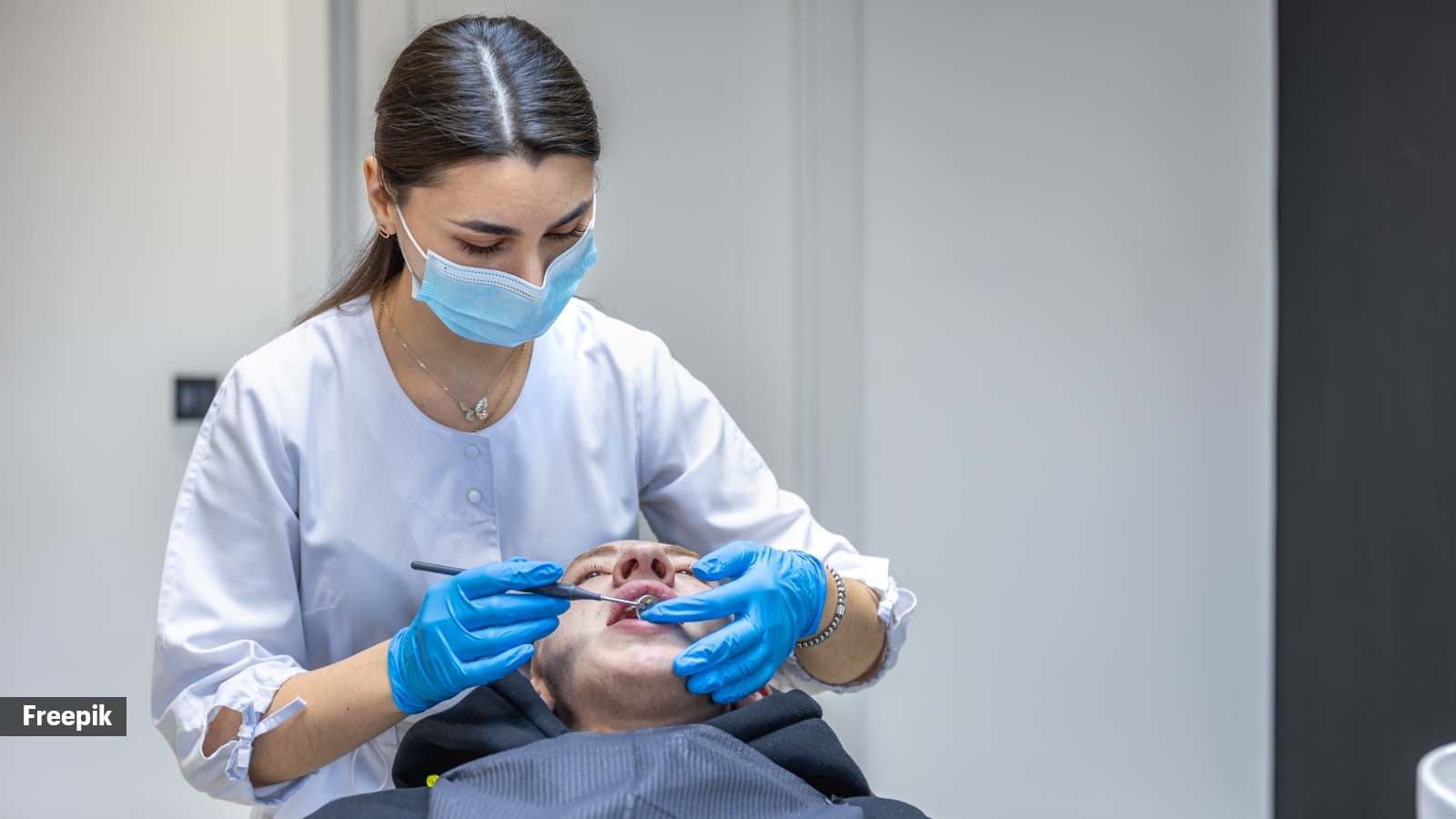
- Fully Erupted and Healthy: In this scenario, if they are positioned correctly and pose no threat to oral hygiene, they may be left in place.
- Partially Erupted and Causing Issues: This often requires intervention due to the risk of infection and damage.
- Impacted and Asymptomatic: Even without pain, impacted teeth that are growing at an angle or show signs of potential future problems may be recommended for removal.
- Developing Cysts or Other Pathologies: These require immediate attention.
The Early Bird Catches the Worm: The Rationale for Proactive Removal
In some instances, dentists may recommend the removal of wisdom teeth even before any symptoms manifest. This proactive approach, often termed "preventive extraction," is based on several factors:
- Age and Healing: Younger patients generally heal faster and experience less post-operative discomfort. The surgical procedure itself tends to be less complex before the roots of the wisdom teeth have fully developed and anchored deeply into the jawbone.
- Future Complications: If X-rays reveal that wisdom teeth are positioned in a way that makes future problems highly probable – such as growing horizontally into the second molars, being severely impacted, or having a high risk of pericoronitis – early removal can prevent more significant issues down the line.
- Preventing Orthodontic Relapse: In patients undergoing orthodontic treatment, impacted wisdom teeth can sometimes exert pressure that undoes the results of braces or aligners. Removing them can help maintain the corrected alignment.
- Avoiding More Complex Surgeries: Delaying the extraction of problematic wisdom teeth can lead to them becoming more deeply impacted or causing damage to adjacent teeth or the jawbone. This can necessitate more complex and invasive surgical procedures with longer recovery times.
Dr. Gupta elaborates on this point: "Younger patients usually heal faster, and the procedure tends to be easier before the roots fully develop." She further states, "If a wisdom tooth is impacted, growing sideways, or likely to damage nearby teeth, early removal may help prevent bigger problems later."
However, it is crucial to reiterate that this is not a universal recommendation. "Not every wisdom tooth requires preventive extraction," Dr. Gupta stresses. "The decision usually depends on the tooth’s position, available jaw space, oral hygiene, and overall risk of future complications."
The Cost of Inaction: What Happens When Impacted Wisdom Teeth Are Ignored?
Ignoring problematic or impacted wisdom teeth can have a cascade of negative consequences for oral health. The delayed intervention can transform a potentially manageable situation into a complex dental crisis.
- Recurrent Infections and Chronic Pain: The persistent trapping of food and bacteria around impacted teeth can lead to repeated bouts of pericoronitis, resulting in ongoing pain, swelling, and discomfort that significantly impacts quality of life.
- Advanced Gum Disease: The inflammation and difficulty in cleaning can contribute to the progression of periodontal disease, leading to bone loss around the teeth and potentially affecting other teeth.
- Severe Tooth Decay: Both the wisdom tooth itself and the adjacent second molar are at increased risk of decay due to the challenging hygiene conditions. This can lead to the need for fillings, root canals, or even extraction of the second molar.
- Jawbone Damage: As mentioned, cysts can form around impacted wisdom teeth. If left untreated, these cysts can erode and weaken the jawbone, potentially leading to fractures or requiring extensive reconstructive surgery.
- Nerve Damage: In rare cases, impacted wisdom teeth can grow in close proximity to the mandibular nerve, which runs through the lower jaw. Pressure from the tooth or surgical intervention can potentially damage this nerve, leading to numbness or altered sensation in the lip, chin, or tongue.
- More Extensive Surgical Procedures: Delaying treatment can mean that the wisdom teeth become more deeply embedded, fused to the bone, or have more complex root structures. This can transform a relatively straightforward extraction into a more involved surgical procedure requiring greater expertise and a longer recovery period.
- Increased Cost of Treatment: Addressing complications arising from neglected wisdom teeth often involves more extensive and costly treatments, including root canals, crowns, periodontal surgery, or even jawbone reconstruction, in addition to the eventual extraction.
The silent progression of damage is a significant concern. Some individuals may experience no overt symptoms for years, only to discover extensive bone loss or damage to adjacent teeth during a routine dental check-up. This emphasizes the importance of consistent dental monitoring.
Conclusion: A Personalized Approach to Wisdom Tooth Management
The prevailing notion that all wisdom teeth must be extracted is a misconception that has led to unnecessary procedures and anxieties. Modern dental practice advocates for a personalized, evidence-based approach. The decision to extract wisdom teeth should be a collaborative one between the patient and their dentist, based on a thorough assessment of the individual’s oral health, the specific characteristics of their wisdom teeth, and a realistic evaluation of potential future risks.
While many wisdom teeth will indeed require removal to prevent pain, infection, and damage, a significant number can be safely retained. Regular dental check-ups, including periodic X-rays, are paramount in monitoring the development and position of wisdom teeth. By dispelling the myths and embracing a more nuanced understanding, patients can make informed decisions about their oral health, ensuring that interventions are necessary, timely, and ultimately beneficial. The "wisdom" in wisdom tooth management lies in understanding when to act and, crucially, when not to.
Disclaimer: This article is based on information from public domain sources and expert opinions. It is intended for general informational purposes only and does not constitute medical advice. Always consult with a qualified healthcare professional for any health concerns or before making any decisions related to your health or treatment.
