


New Delhi – May 17, 2026 – In an era where de-stressing rituals are as ubiquitous as smartphones, essential oil diffusers have emerged as a popular and seemingly innocuous tool for creating tranquil home environments. The allure of a fragrant, spa-like ambiance, often amplified by aesthetically pleasing social media posts, has led many to embrace the practice of keeping diffusers running throughout the day. However, a growing body of expert opinion suggests that this pervasive habit, while well-intentioned, may harbor unforeseen health consequences, particularly in the absence of adequate ventilation.
This article delves into the science behind essential oil diffusion, the potential health implications of prolonged exposure, and offers expert guidance on how to enjoy the aromatic benefits without compromising well-being.
The Science of Scent: How Diffusers Work and What They Release
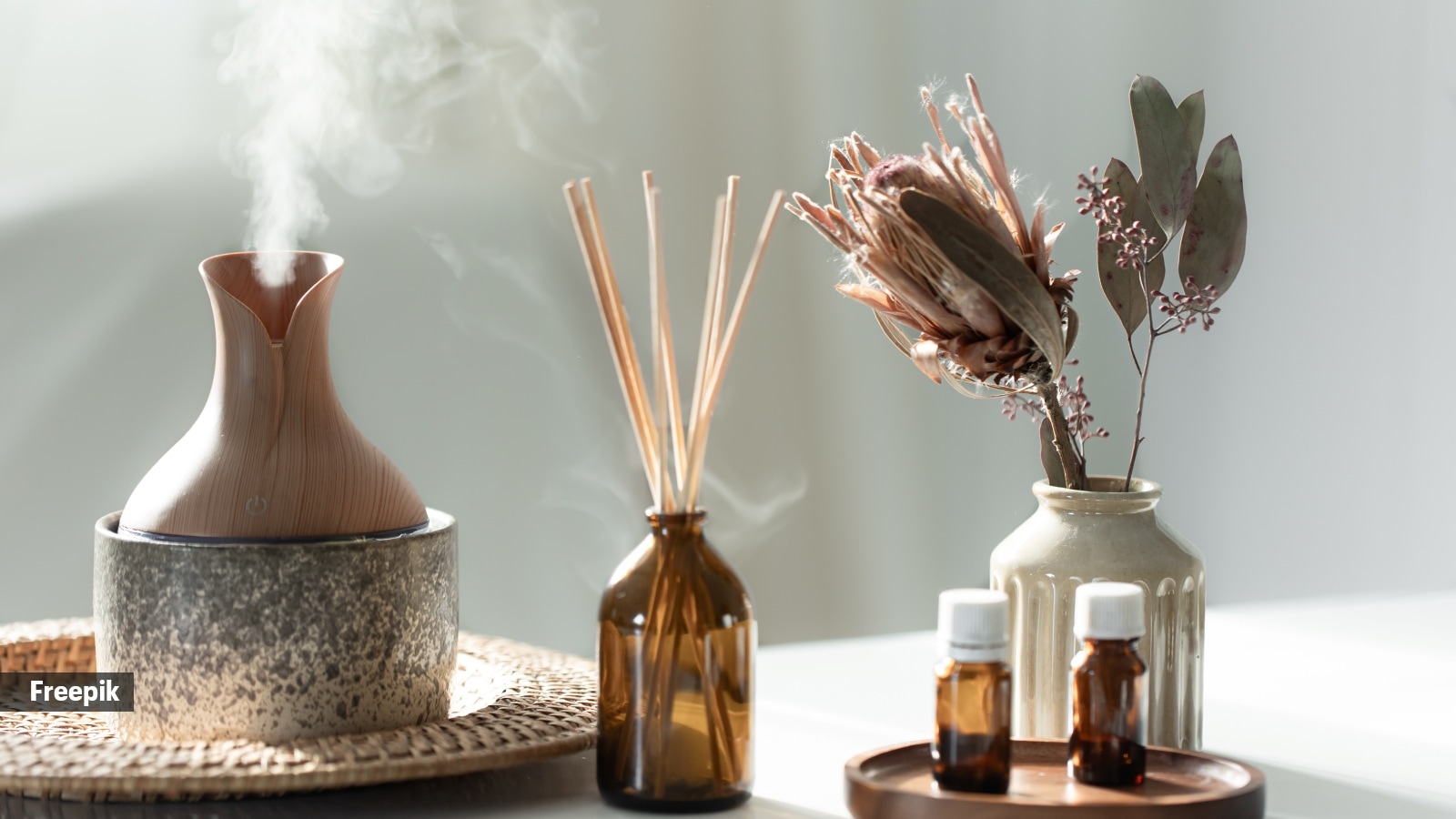
Essential oil diffusers operate by dispersing microscopic droplets of essential oils into the air through a process known as aerosolization. This mechanism breaks down the concentrated oils into fine particles that can be easily inhaled. While the primary intention is to impart pleasant fragrances and therapeutic aromas, this process also releases volatile organic compounds (VOCs) into the indoor environment.
VOCs are carbon-containing chemicals that readily evaporate at room temperature. They are found in a vast array of consumer products, including paints, cleaning agents, and, as it turns out, essential oils. When essential oils are diffused, these VOCs become airborne, contributing to the overall indoor air quality.
Dr. Sagar Srivastava, a Consultant Pulmonologist at Kailash Hospital, Greater Kailash, emphasizes the critical role of ventilation in mitigating potential risks. "The use of essential oil diffusers should be avoided in spaces that lack proper ventilation and which remain closed throughout the day," he states. "When diffusers are operated continuously in enclosed environments, these VOCs can accumulate, leading to elevated concentrations that may pose respiratory challenges."
The perceived calming effect of essential oils, often attributed to their aroma, can inadvertently mask the underlying increase in airborne chemical compounds. This creates a paradox where a tool intended for relaxation might, in fact, be contributing to an unseen environmental stressor.
The Body’s Response: Unpacking the Health Impacts of Airborne Aromas
The continuous inhalation of VOCs released by essential oil diffusers can have a tangible impact on the human body, particularly the respiratory system. Dr. Srivastava elaborates on the potential dangers: "The continuous release of volatile organic compounds through aerosolization builds up in indoor spaces and creates potential respiratory tract dangers."
For individuals with pre-existing respiratory conditions, the risks are amplified. "Asthmatic patients and those who suffer from chronic respiratory disorders face greater health risks," Dr. Srivastava warns. The delicate tissues of the lungs, already compromised by conditions like asthma, bronchitis, or emphysema, can be further irritated by the constant presence of airborne chemicals.
Beyond chronic conditions, even healthy individuals can experience adverse effects. "Yes, repeated exposure to the vapours of essential oils may cause irritation to the mucous membrane lining and, in susceptible individuals, may trigger cough, wheezing, irritation of the throat, or allergic reactions," he explains. The lining of the respiratory tract, from the nasal passages to the deep lung tissues, is the first line of defense against inhaled substances. When consistently exposed to irritants, this protective barrier can become inflamed and hypersensitive.
The effects are not limited to the respiratory system. Some essential oils contain compounds that are known skin irritants. Prolonged exposure to these airborne compounds can potentially lead to contact dermatitis, a form of eczema characterized by itchy, red, and inflamed skin. For individuals prone to rhinitis, an inflammation of the nasal lining, the airborne irritants can exacerbate symptoms, leading to increased sneezing, runny nose, and congestion. The discomfort experienced in the throat, the persistent cough, or skin reactions observed after diffuser use are therefore not merely coincidental but can be direct physiological responses to the diffused essential oils.
Vulnerable Populations: Who Needs to Be Extra Cautious?
While the potential for adverse effects exists for everyone, certain demographic groups are inherently more susceptible to the negative impacts of essential oil diffusion. This heightened sensitivity stems from developmental stages, age-related physiological changes, and pre-existing health vulnerabilities.
"Children and elderly people, together with asthmatic patients and those who suffer from chronic respiratory disorders, face greater health risks," Dr. Srivastava highlights. The developing respiratory systems of children are more delicate and less equipped to filter out airborne irritants. Similarly, the aging process can lead to a decline in lung function and a reduced capacity to cope with environmental stressors in the elderly.
For individuals with asthma, the inhalation of VOCs can act as a potent trigger, leading to bronchospasm – a sudden tightening of the muscles around the airways, causing difficulty breathing. "Even mild aromatic compounds can cause bronchospasm and breathlessness, together with allergic flare-ups in highly sensitive populations," he adds. This underscores the importance of considering individual health profiles before incorporating diffusers into daily routines.
The cumulative effect of continuous exposure can be particularly concerning for these vulnerable groups. What might be a minor inconvenience for a healthy adult could translate into a significant health event for a child with asthma or an elderly individual with a pre-existing lung condition.
Navigating the Aromatherapy Landscape: Expert Recommendations for Safe Diffusion
The risks associated with prolonged essential oil diffusion do not necessitate a complete abandonment of this popular practice. Instead, the focus shifts to responsible usage, emphasizing moderation and mindful application. Dr. Srivastava offers a clear roadmap for enjoying the benefits of aromatherapy while safeguarding health:
1. Prioritize Ventilation: The Cornerstone of Safe Diffusion
The most critical piece of advice from Dr. Srivastava is to ensure adequate ventilation. "The combination of sufficient cross-ventilation with short exposure periods, as per the pulmonologist, establishes the foundation for ‘decreased inhalation impact’ and the protection of indoor air quality." This means opening windows and doors regularly, even for short periods, to allow fresh air to circulate and dilute any accumulated VOCs. Running a diffuser in a well-ventilated room significantly reduces the concentration of airborne compounds, thereby minimizing the risk of respiratory irritation.
2. Embrace Moderation: The Key to Controlled Exposure
The duration and frequency of diffuser use are paramount. Instead of continuous operation throughout the day, Dr. Srivastava recommends a more structured approach. "The ideal diffusion process should take place in 20 to 30-minute intervals, which occur once or twice between the two daily sessions," he advises. This intermittent use allows for the enjoyment of the aroma without sustained exposure to high concentrations of VOCs. Breaking up the diffusion periods throughout the day also prevents the buildup of these compounds in the air.
3. Dilution and Concentration: A Matter of Fine-Tuning
The concentration of essential oils used in diffusers also plays a significant role. Dr. Srivastava advises maintaining proper dilution levels and avoiding high concentration settings. Many diffusers allow for adjustment of the mist output; opting for a lower setting can reduce the rate at which VOCs are released into the air. Using fewer drops of essential oil can also contribute to a less concentrated aromatic environment.
4. Listen to Your Body: Recognizing and Responding to Symptoms
Crucially, individuals should be attuned to their body’s signals. If any respiratory discomfort, such as coughing, wheezing, throat irritation, or skin reactions, occurs after using a diffuser, it is imperative to discontinue use immediately. "Individuals who have lung problems need to obtain medical advice before they start using diffusers in their daily activities," Dr. Srivastava emphasizes. This proactive consultation can help identify potential sensitivities and guide safe usage practices.
5. Targeted Use for Specific Needs
For those seeking specific therapeutic benefits, such as relaxation or improved sleep, targeted diffusion sessions in a well-ventilated bedroom before bedtime can be effective. This approach ensures that the benefits are reaped without constant exposure throughout the day.
The Broader Implications: A Holistic Approach to Indoor Well-being
The insights from Dr. Srivastava serve as a crucial reminder that the pursuit of a pleasant indoor environment requires a nuanced understanding of the substances we introduce into our homes. While the allure of aromatherapy is undeniable, its integration into our daily lives must be balanced with an awareness of its potential impact on our health.
The widespread adoption of essential oil diffusers, particularly in enclosed living and working spaces, highlights a broader societal trend towards seeking natural remedies and enhancing personal well-being. However, this trend also necessitates a critical evaluation of the scientific underpinnings of these practices. The information presented here underscores that even seemingly benign activities can have unintended consequences if not approached with knowledge and caution.
Ultimately, the message is clear: moderation and ventilation are not merely suggestions but essential components of a holistic approach to maintaining safe and healthy indoor air quality. By adopting these principles, individuals can continue to enjoy the aromatic benefits of essential oils while mitigating the risks, ensuring that their pursuit of relaxation does not inadvertently compromise their respiratory health.
Disclaimer: This article is based on information from the public domain and expert consultation. Always consult your healthcare practitioner before starting any new routine, especially if you have pre-existing health conditions.
