

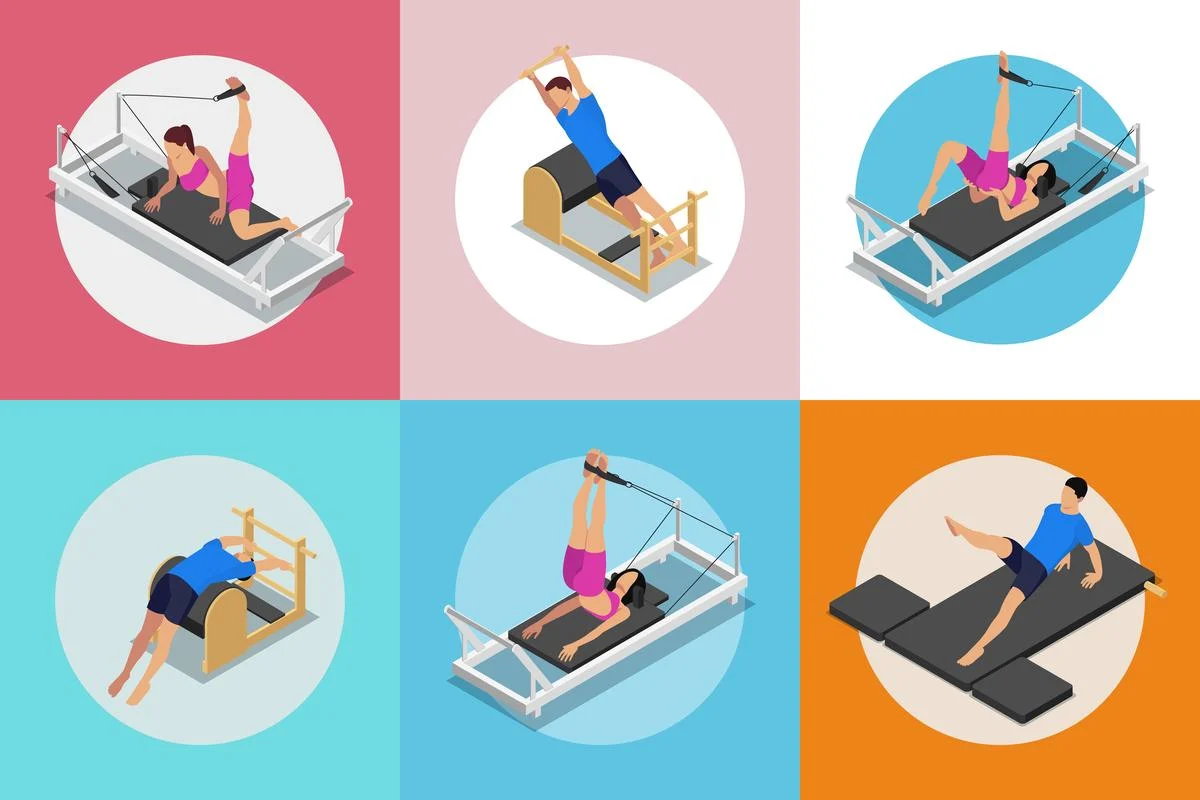
Pilates, a comprehensive mind-body exercise system developed in the early 20th century, has transcended its origins to become a cornerstone of modern health and wellness. Far from a fleeting fitness trend, this meticulously designed discipline, pioneered by Joseph Pilates, offers a holistic approach to physical and mental well-being. It emphasizes core strength, heightened body awareness, and profound mental focus, integrating breathwork and precise movements to cultivate a balanced and resilient physique. While often associated with mat-based exercises, Pilates also leverages specialized apparatus like reformers, which utilize spring-loaded carriages for adjustable resistance, and cadillacs, versatile frames equipped with bars and straps to enhance and support a wide range of movements.
The enduring appeal of Pilates lies in its capacity to deliver a full-body workout that simultaneously refines breathing patterns and cultivates exceptional muscle control. This makes it a compelling alternative for individuals seeking to invigorate their fitness routines. Scientific validation from prestigious publications such as the Journal of Orthopaedic & Sports Physical Therapy and the American Council on Exercise further solidifies Pilates’ efficacy, highlighting its significant contributions to spinal stability and posture improvement with a remarkably low risk of injury. Consequently, Pilates has firmly established itself as a transformative force in the pursuit of optimal health in recent years.
The Genesis of a Movement: Joseph Pilates and His Vision
The story of Pilates begins with its inventor, Joseph Pilates, a German physical trainer who, in the early 1900s, embarked on a journey to create a system that would address the physical and mental ailments he observed. His revolutionary approach was deeply influenced by a diverse array of disciplines, including the fluidity of gymnastics, the power of boxing, the mindful introspection of yoga, and the meditative tranquility of Zen Buddhism. This fusion of diverse practices laid the groundwork for a unique and effective exercise methodology.
In 1926, Joseph Pilates made a pivotal move to New York City, establishing a studio strategically located near the New York City Ballet. This proximity allowed him to introduce his groundbreaking system, which he originally termed "Contrology," to dancers and athletes seeking to enhance their physical capabilities and prevent injuries. The studio became a hub for innovation, where Pilates meticulously refined his exercises, emphasizing the interconnectedness of mind and body. The principles he instilled – breath, concentration, control, centering, precision, and flow – remain the bedrock of Pilates practice to this day. The popularity that blossomed in this early era continues to resonate, evolving into various interpretations and styles that cater to a diverse range of practitioners.
A Chronology of Pilates Evolution: From Contrology to Contemporary Adaptations
The evolution of Pilates can be traced through distinct phases, each building upon the foundational principles established by its creator:
Contrology: The Original Blueprint
The genesis of Pilates lies in "Contrology," the precise and systematic method developed by Joseph Pilates himself. This original approach involved a carefully curated sequence of exercises, many of which required the use of specialized apparatus designed with specific characteristics. Joseph Pilates was exceptionally strict about the execution of Contrology, permitting modifications only if the practitioner explicitly acknowledged that the altered movement was no longer "Contrology." This adherence to his original vision underscored the importance of precision and adherence to his core principles.
Classical Pilates: Preserving the Legacy
Classical Pilates represents a lineage that honors Joseph Pilates’ original teachings with minimal alterations. Developed by his direct disciples, these practitioners recognized the subtle nuances that differentiated their approach from contemporary interpretations. While largely considered an extension of Contrology, Classical Pilates sometimes incorporates additional exercises that were either part of Joseph Pilates’ broader repertoire or were developed by his early students who remained deeply connected to his methodology. The emphasis remains on the integrity of the original exercises and the precise execution dictated by Joseph Pilates.
Contemporary Pilates: Modernizing the Practice
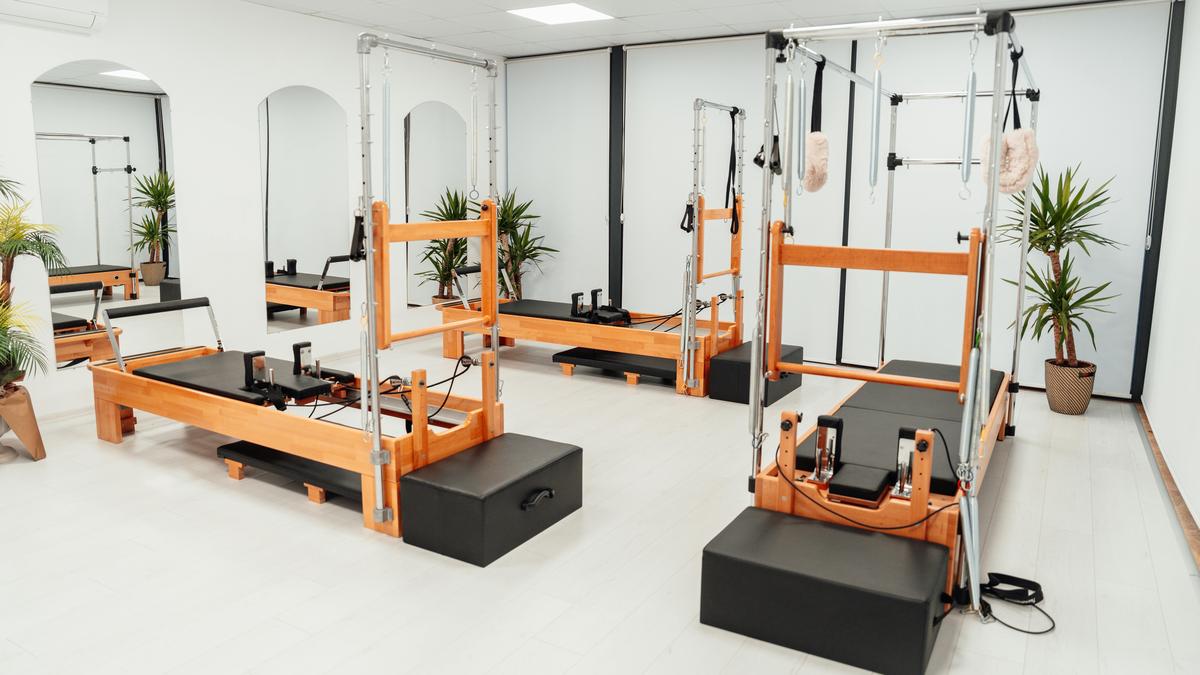
In contrast, Contemporary Pilates embraces a more modernized and adaptable version of the Classical method. This evolution incorporates a greater degree of modification, the introduction of new equipment, and a less rigid adherence to a prescribed order of exercises. Contemporary Pilates aims to make the practice more accessible and relevant to a wider audience, integrating modern biomechanical understanding and addressing contemporary fitness needs. This flexibility has allowed Pilates to integrate seamlessly with other forms of exercise, giving rise to hybrid modalities.
The Proliferation of Pilates: Hybrid Forms and Emerging Innovations
The adaptability of Pilates has led to its integration with a multitude of other fitness disciplines, creating innovative and engaging workout experiences. These hybrid forms cater to diverse preferences and fitness goals:
- Yogilates: A seamless fusion of Pilates and yoga, Yogilates combines the core-strengthening and muscle-toning benefits of Pilates with the flexibility, mindfulness, and spiritual aspects of yoga. This practice promotes a harmonious balance between strength and serenity.
- Cardiopilates: This variation injects cardiovascular elements into traditional Pilates, enhancing calorie expenditure and boosting endurance. It offers a more intense workout that still retains the core-focused principles of Pilates.
- Piloxing: A dynamic and energetic combination of Pilates, boxing, and dance, Piloxing offers a high-intensity interval training (HIIT) experience that sculpts the body, improves cardiovascular health, and boosts coordination.
- Aquapilates: Performed in water, Aquapilates offers a low-impact, joint-friendly alternative. The buoyancy of water reduces stress on the body, making it an ideal option for rehabilitation, individuals with joint pain, or those seeking a gentler yet effective workout.
- Aeropilates: Utilizing trampolines and resistance cords, Aeropilates provides a low-impact cardiovascular workout that enhances core strength, balance, and coordination while protecting the knees, ankles, and other joints.
These contemporary adaptations underscore Pilates’ remarkable ability to evolve and remain relevant in the ever-changing landscape of fitness and wellness.
The Scientific Underpinnings of Pilates’ Effectiveness
Beyond its popularity and diverse applications, Pilates has garnered significant scientific backing, validating its efficacy as a robust exercise methodology. Multiple studies have consistently demonstrated its profound benefits across various aspects of physical and mental health.
Core Strengthening and Spinal Health: Research published in the Journal of Orthopaedic & Sports Physical Therapy and by the American Council on Exercise has consistently highlighted Pilates’ exceptional ability to strengthen the core musculature. This is crucial for supporting the spine, improving posture, and reducing the risk of back pain. By engaging the deep abdominal muscles, obliques, and back muscles, Pilates creates a stable foundation for all movement.
Improved Posture and Balance: The precise nature of Pilates exercises, emphasizing alignment and controlled movements, directly contributes to improved posture. By strengthening the muscles responsible for maintaining an upright stance, individuals can alleviate postural imbalances and reduce the strain on their musculoskeletal system. Furthermore, the focus on proprioception and body awareness inherent in Pilates enhances balance and coordination, crucial for preventing falls, especially as individuals age.
Flexibility and Range of Motion: While not solely a flexibility practice, Pilates systematically works to lengthen and strengthen muscles, leading to increased flexibility and a greater range of motion in the joints. The controlled stretching and strengthening of muscle groups contribute to a more fluid and efficient body.

Chronic Pain Management: Numerous studies have indicated that Pilates can be an effective intervention for managing chronic pain, particularly in the lower back. By improving core strength, posture, and body mechanics, Pilates helps to alleviate pressure on the spine and reduce the compensatory movements that can exacerbate pain.
Mental Well-being and Stress Reduction: The practice of Pilates inherently incorporates mindfulness and breath control, fostering a deep mind-body connection. This focus on the present moment and controlled breathing can significantly reduce stress, anxiety, and improve overall mental clarity. The movement meditation aspect of Pilates allows practitioners to disconnect from daily stressors and cultivate a sense of calm and focus.
Bone Health and Osteoporosis Prevention: While not a weight-bearing exercise in the traditional sense, the controlled movements and muscle engagement in Pilates can contribute to maintaining bone density. For individuals at risk of or diagnosed with osteoporosis, Pilates can be a safe and effective way to strengthen muscles surrounding the bones, potentially reducing fracture risk and improving quality of life.
The growing body of scientific evidence unequivocally supports Pilates as more than just an exercise trend; it is a scientifically validated approach to enhancing physical function, mitigating pain, and promoting holistic well-being.
The Rise of Pilates: Factors Driving its Popularity
The ascendancy of Pilates in recent years can be attributed to a confluence of factors, reflecting evolving societal attitudes towards health and wellness:
- Increased Health Consciousness: Contemporary generations exhibit a heightened awareness of the importance of preventative health and long-term well-being. Pilates, with its emphasis on holistic health, resonates deeply with this demographic.
- Social Media Influence and the FOMO Effect: The pervasive influence of social media platforms has undoubtedly contributed to the visibility and desirability of Pilates. Images and testimonials showcasing the transformative benefits of the practice can create a "Fear Of Missing Out" (FOMO) effect, encouraging individuals to explore Pilates for themselves.
- Accessibility and Inclusivity: The diversification of Pilates into various forms, including mat-based classes, reformer sessions, and hybrid workouts, has made it accessible to a broader range of fitness levels and physical abilities. Modifications can be readily implemented, ensuring that individuals with specific needs can still benefit from the practice.
- Focus on Core Strength and Injury Prevention: In an era where sports injuries and chronic pain are prevalent, the emphasis of Pilates on core strength and controlled movement for injury prevention has become a significant draw.
- Mind-Body Connection Appeal: The growing recognition of the interconnectedness of mental and physical health has propelled practices like Pilates, which inherently foster this connection, into the spotlight.
Implications for the Future of Health and Wellness
The enduring popularity and scientific validation of Pilates suggest its continued prominence in the health and wellness landscape. Its adaptability ensures its relevance for future generations, while ongoing research will likely uncover even more profound benefits. As the world grapples with sedentary lifestyles and the increasing prevalence of chronic diseases, disciplines like Pilates, which promote balanced physical and mental health, will become even more vital. The integration of Pilates into rehabilitation programs, corporate wellness initiatives, and educational curricula is a testament to its recognized value.
In conclusion, Pilates, born from the vision of Joseph Pilates, has evolved from a niche discipline into a global phenomenon. Its ability to deliver comprehensive physical conditioning, foster mental acuity, and adapt to diverse needs positions it as a cornerstone of modern wellness, offering a pathway to a stronger, more balanced, and healthier life. As individuals increasingly seek sustainable and holistic approaches to well-being, the principles and practices of Pilates are poised to play an even more significant role in shaping the future of health.
