

Mumbai, India – [Date] – Actor Samarth Jurel’s newly acquired Mumbai residence, recently showcased in an engaging home tour alongside filmmaker Farah Khan and her long-time cook Dilip, offers a captivating glimpse into a living space that transcends mere luxury. It’s a curated sanctuary, pulsating with a vibrant, playful energy and adorned with interiors that are profoundly personal, reflecting Jurel’s unique personality, aspirations, and journey. The tour, hosted by Khan, revealed a home that is not just a dwelling but an emotional landscape, meticulously designed to embody comfort, identity, and well-being.
A Sanctuary of Scenic Views and Symbolic Touches
From the moment Farah Khan stepped into the apartment, her exclamations of awe, particularly concerning the breathtaking view and the prominent display of horse figurines, set the tone for the unveiling. "Look at the view, Dilip. Look at the view. And look at the horses he has put up," she remarked, immediately highlighting the home’s dual nature: a luxurious urban dwelling with a deeply personal, almost spiritual, undercurrent.
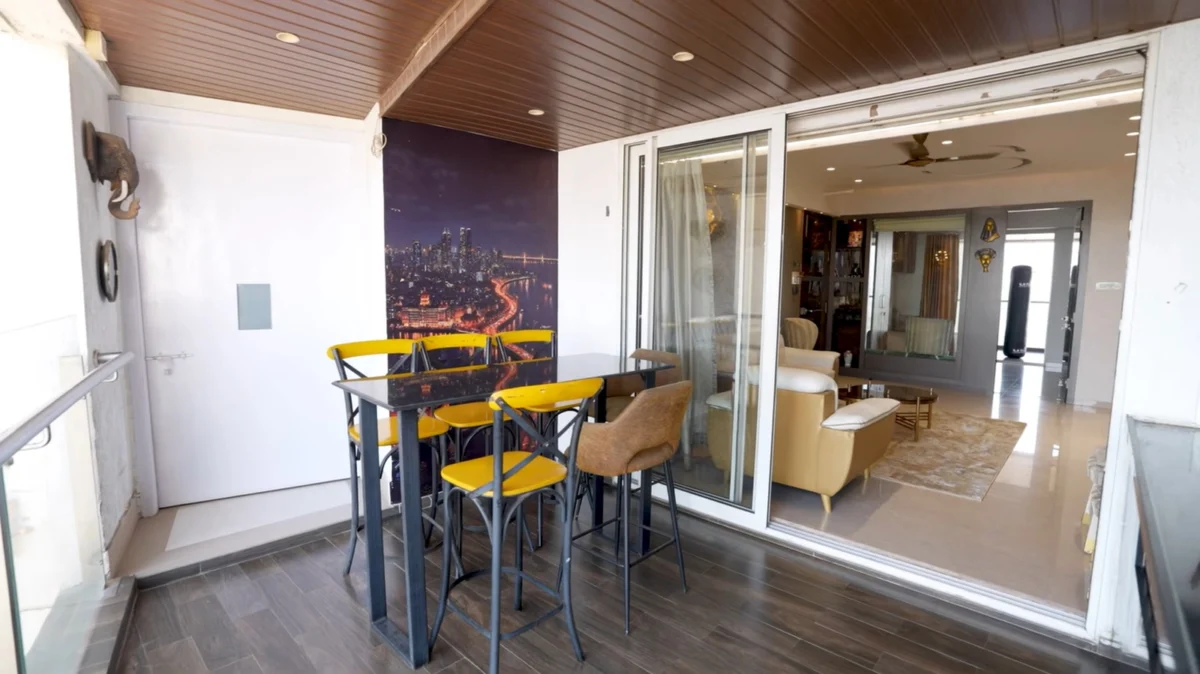
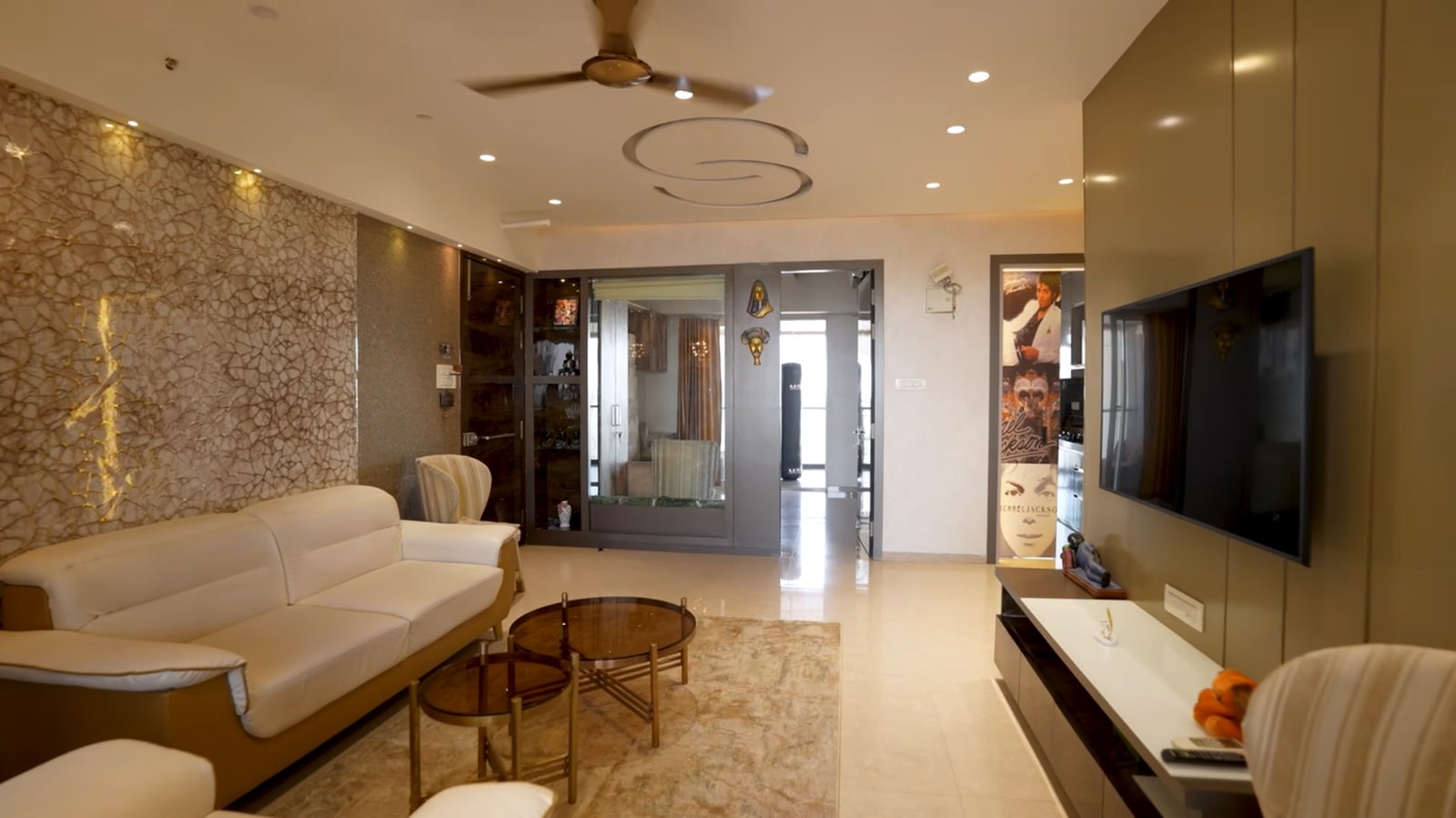
The residence masterfully blends expansive, scenic balconies that invite the city’s panorama indoors with dedicated entertainment corners designed for social gatherings. The décor is a vibrant tapestry woven with threads of music-inspired elements, symbolic objects like the recurring horse motif and a piece referred to as "Nagmani," and a dominant palette of warm golden tones. Walls are dedicated to celebrating Jurel’s passions, featuring beloved songs, iconic films, and even a poignant tribute to the legendary Michael Jackson. This isn’t a sterile showroom; it’s a lived-in space where every element tells a story, a deliberate choice that underscores Jurel’s desire to imbue his home with meaning.

Interiority as an Extension of Self: The Jurel Philosophy
Throughout the tour, Samarth Jurel consistently drew connections between his interior design choices and his personal identity. The symbolic presence of horses, which he affectionately refers to as symbols of "good luck and prosperity," also carries a playful nod to his on-screen persona, quipping, "They call me a horse in the show." Farah Khan echoed this sentiment, noting the universally recognized positive connotations of horses in decor and revealing her own practice of displaying seven horse images for good fortune. This shared appreciation underscores how personal spaces can become repositories of cultural beliefs and individual superstitions, offering a sense of comfort and control.
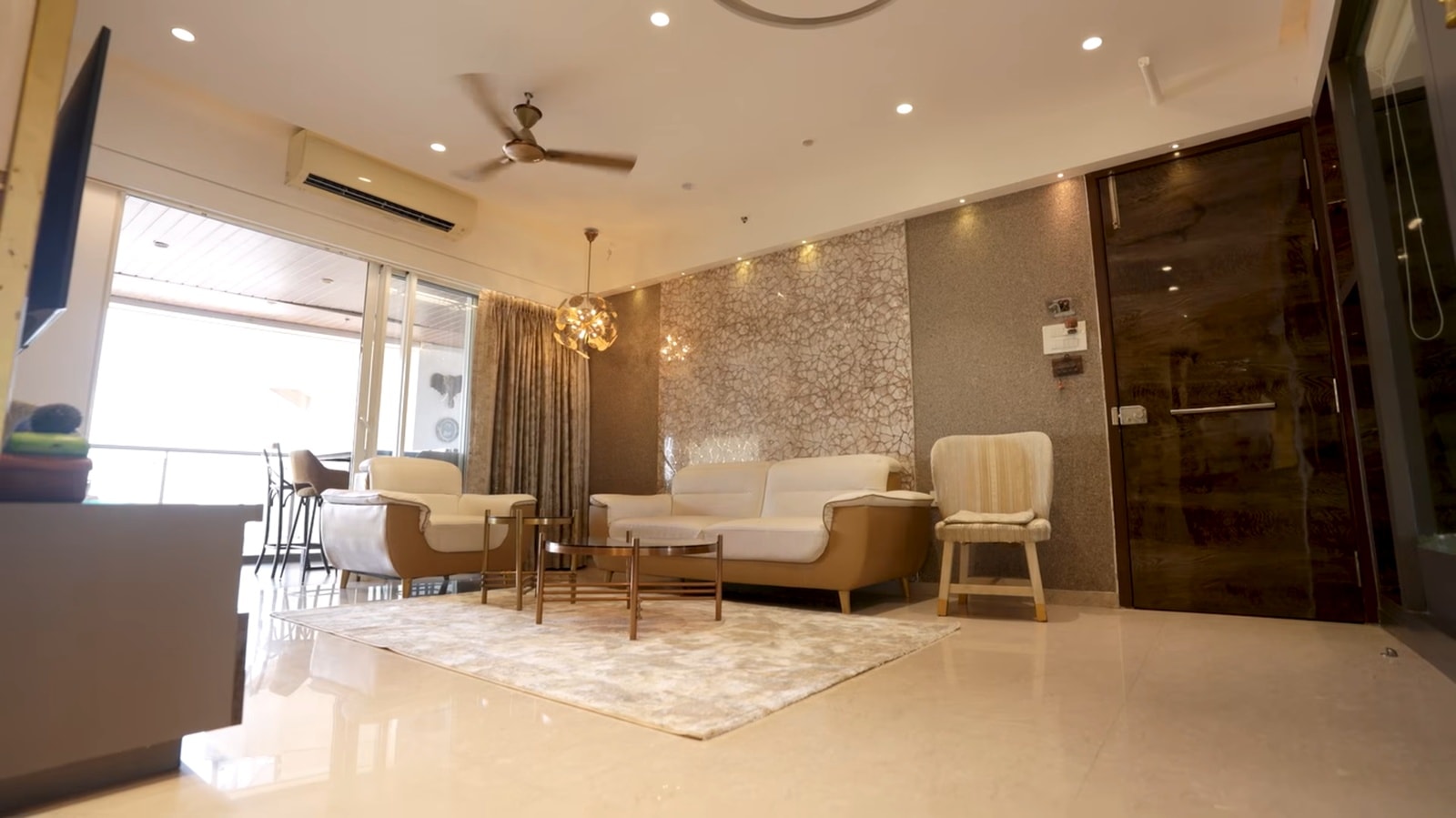
The living room itself is a testament to this philosophy. A harmonious blend of beige, white, gold, and grey hues creates an inviting ambiance, complemented by the soft glow of chandeliers and strategically placed cove lighting. Beyond this central hub, the balcony transforms into a dynamic entertainment zone, complete with a stylish coffee corner and a full-sized pool table, demonstrating a clear intention to create spaces that are both relaxing and conducive to social interaction.
Layers of Identity: From Bedroom to Studio
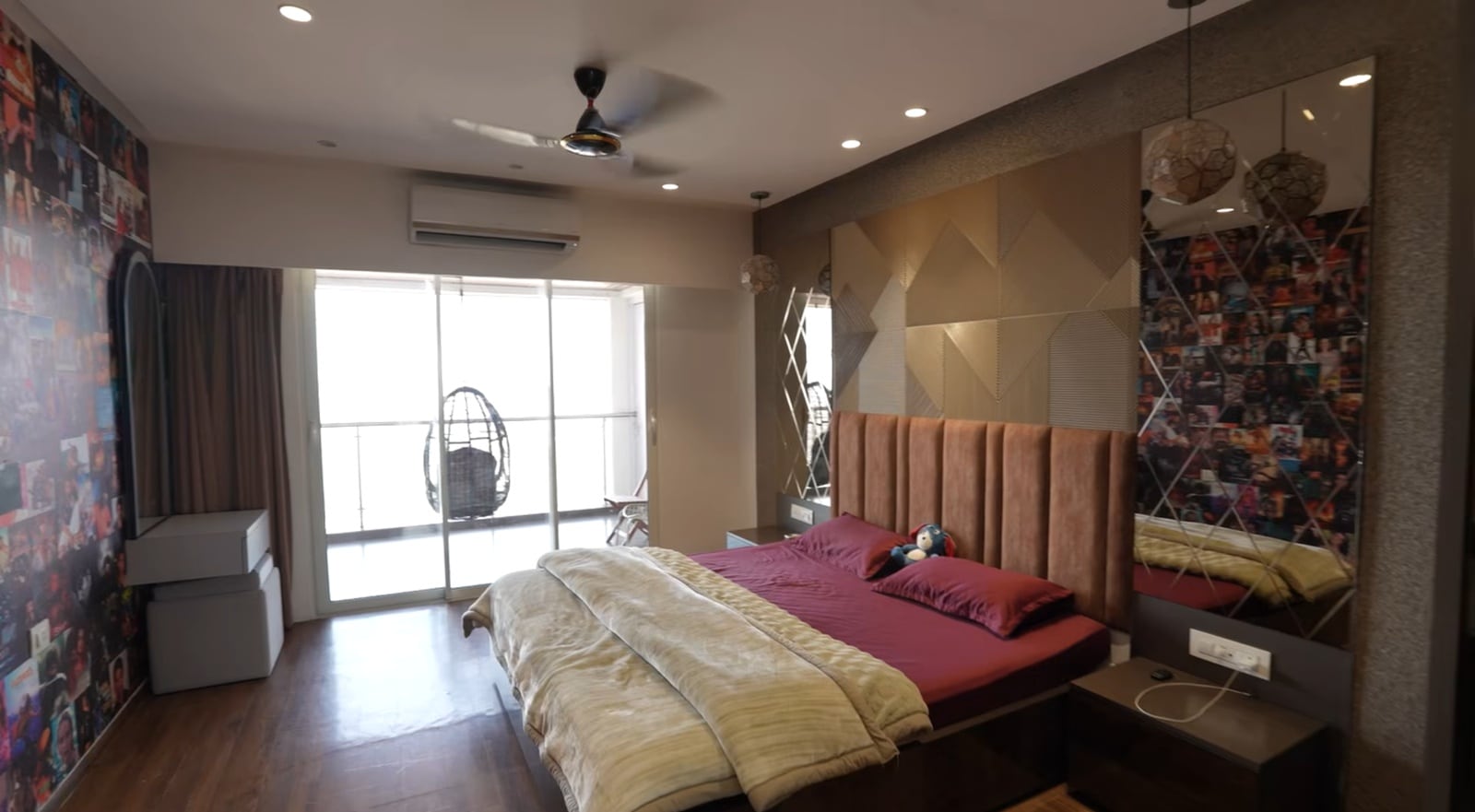
Jurel’s private spaces, his bedroom and studio, reveal further layers of his personality. Here, the theme of music takes center stage, with walls adorned with album art and playlists transformed into visual art pieces. His commitment to a healthy lifestyle is evident in the placement of gym equipment, which seamlessly opens into open-air spaces, promoting a connection with nature even within an urban setting. This area adopts a quieter, more minimalist aesthetic, offering a stark contrast to the more vibrant entertainment zones.
Jurel’s decision to dedicate a section of his home to Michael Jackson, a choice he admits faced some initial skepticism from others, speaks volumes about his conviction in expressing his inspirations. "A lot of people told me not to put it here," he shared, referring to the MJ-inspired corner, "but I insisted. Performer. Everything. I thought there should be horses." This anecdote encapsulates the essence of his design approach: an unwavering commitment to self-expression, a refusal to conform to conventional expectations, and a deep understanding that his home should be a sanctuary for his passions. His interiors, therefore, are not merely decorative; they are deeply intertwined with aspiration, nostalgia, motivation, and the profound act of self-expression.
The Evolving Home: A Mirror to Modern Life
Samarth Jurel’s Mumbai residence exemplifies a growing trend in contemporary living: homes are increasingly evolving into emotional extensions of personality, moving beyond purely functional spaces. The tour offered insights into Jurel’s life beyond the screen, touching upon his upbringing in Indore, his transition from cricket to television, and even his culinary preferences, evident in what he humorously termed his "Healthy Ram Kitchen." These personal narratives are woven into the fabric of his home, with each interior element serving as a constant reflection of his interests, cherished memories, sense of humor, and evolving ambitions.
Farah Khan’s observation of Jurel as "a nice, serious, good boy," juxtaposed with her recollection of his more flamboyant public persona on Bigg Boss, highlights a fascinating duality. This contrast between his public image and his private comfort is palpably present in his home. Glamorous entertainment areas coexist with intimate corners dedicated to music, health, personal routines, and the familiar comforts that ground him. This thoughtful curation allows for a dynamic living experience, where the space can adapt to different moods and needs, offering both a stage for performance and a haven for introspection.
Psychological Foundations of Personalised Interiors
To further understand the impact of such a deeply personalised living space, we consulted with Sonal Khangarot, a licensed rehabilitation counselor and psychotherapist at The Answer Room. Khangarot emphasizes the profound psychological benefits of personalized interiors, stating, "As a psychologist, I often see that personalised interiors do much more than beautify a home – they shape emotional safety, identity, and regulation."
She explains that spaces enriched with meaningful objects, such as music corners, travel souvenirs, family photographs, spiritual symbols, favorite books, or film references, act as "emotional anchors." These anchors serve as powerful reminders of cherished memories, significant achievements, important relationships, and integral aspects of one’s identity that might otherwise be overshadowed by the demands of daily life.
Khangarot further elaborates that individuals who surround themselves with comforting colors, nostalgic items, or symbols of aspiration often experience a greater sense of emotional grounding and familiarity. "Personalised interiors can also reduce stress because the environment feels psychologically ‘owned’ and emotionally predictable," she notes. This sense of ownership and predictability contributes significantly to a feeling of security and well-being.
Designing for Mental Well-being: Insights from Experts
Khangarot posits that "emotionally restorative homes are those that help the mind and nervous system slow down rather than remain in a constant state of stimulation." In today’s fast-paced world, particularly for those in public-facing careers, individuals often spend significant portions of their day in a state of high emotional arousal. This makes the home environment critically important for recovery and regulation.
The interior design choices that genuinely support mental well-being, according to Khangarot, include elements that promote a sense of calm and safety. "Warm lighting, natural ventilation, soft textures, calming colors, indoor plants, comfortable seating, and clutter-free spaces can create a sense of grounding and emotional safety," she advises. Conversely, reducing excessive noise, harsh lighting, overcrowded décor, or constant digital stimulation can help mitigate nervous system overload.
Ultimately, homes that strike a balance between aesthetic appeal and genuine comfort are instrumental in fostering better rest, promoting emotional regulation, encouraging deeper connections through conversations, and cultivating a stronger sense of belonging and psychological recovery. Samarth Jurel’s Mumbai residence stands as a compelling example of how thoughtful, personalized design can transform a house into a true sanctuary, a vibrant reflection of the inhabitant’s soul.
