


Introduction: A Glimpse into a Vanishing World
For over a year and a half, photographer Assavri Kulkarni’s days began in the pre-dawn darkness, her alarm clock set for 3 a.m. Armed with a formidable 10-kilogram tripod, lighting equipment, and her DSLR camera, she would embark on a two-hour drive into the northeastern reaches of Goa, venturing to the fringes of the dense Western Ghats. Her companions on these arduous expeditions were tribal women, some in their late seventies and eighties, who guided her through hours of trekking. The journey was fraught with peril – the constant threat of leeches, and the unsettling possibility of encounters with wild bears and venomous snakes. Yet, Kulkarni persevered, driven by an unwavering mission: to meticulously document the seasonal foods of the forest, a tradition on the precipice of being lost.
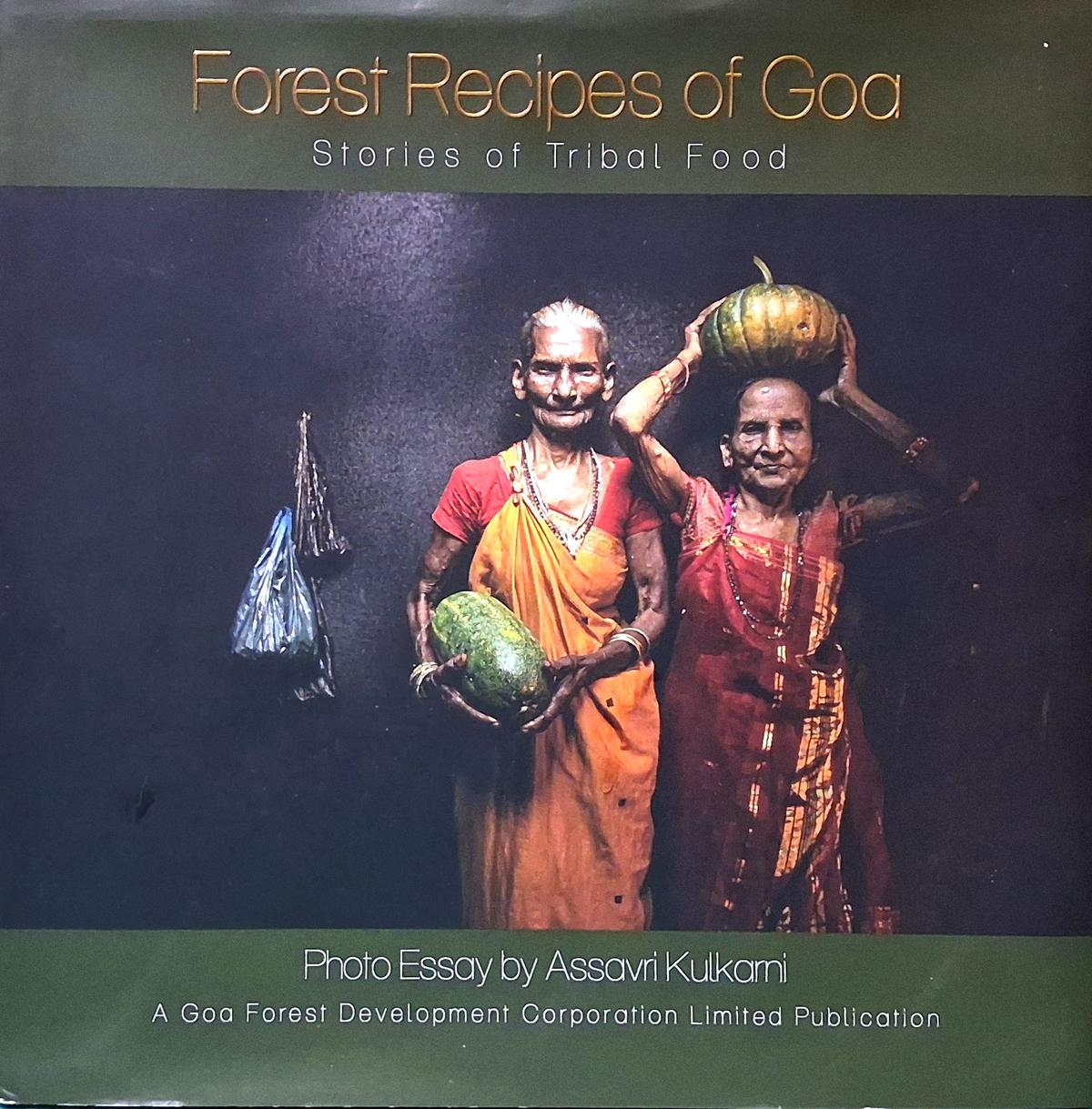
This dedication has culminated in a remarkable photographic endeavor, "Forest Recipes of Goa – Stories of Tribal Food." Published by the Goa Forest Development Corporation, this 119-page book is more than just a collection of images and recipes; it is a poignant chronicle of indigenous knowledge, a testament to the deep-seated connection between tribal communities and their natural environment, and a powerful plea for the preservation of a cultural heritage that is rapidly fading with the passing of its elders.
The Genesis of a Passion Project: A Decade-Long Quest
Kulkarni’s fascination with the forest’s edible bounty wasn’t a sudden spark but a slow burn that ignited over a decade ago. Her initial encounter with Subhadra Gaonkar, a member of the Kshatriya Gaonkar Samaj, a community with a history rooted in warrior and agricultural traditions, proved to be a pivotal moment. Gaonkar shared an extraordinary culinary secret: kakhetli almi, or "armpit mushrooms." These wild-foraged fungi, scientifically known as Termitomyces cantoniensis and locally called sondaye, are a delicacy found in the forests of Chorla Ghat. The preparation method itself is a testament to ancient ingenuity. The mushrooms are wrapped in leaves, lightly seasoned with salt, and then placed under the armpit. The body’s natural heat then "cooks" the mushroom, a remarkable feat of culinary adaptation for forest dwellers on long treks.
"I was blown away when I heard that something could be cooked with body heat," Kulkarni recalls, her voice still tinged with wonder. This revelation served as the initial impetus for her deep dive into the world of tribal forest foods. The sheer resourcefulness and deep ecological understanding embedded in such practices captivated her, setting her on a path to uncover more such hidden culinary gems.
A Treasury of Indigenous Delicacies and Ingenious Techniques
The pages of "Forest Recipes of Goa" unveil a mesmerizing array of ingredients and culinary techniques that speak volumes about the communities’ intimate knowledge of their environment. Among the unearthed treasures is bamboo rice, harvested from the villages of Canacona taluka only when the bamboo trees flower. This ephemeral grain, a staple for many forest communities, offers a unique texture and flavor.
Another fascinating discovery is the use of the leaves of the grey mangrove (Avicennia marina). Communities residing near estuaries ingeniously employ these leaves not just as a substitute for salt but also as a vital source of electrolytes, particularly during periods of scarcity or strenuous activity. This highlights a profound understanding of the nutritional and functional properties of seemingly ordinary flora.
The book also showcases remarkable preservation techniques, such as the fermentation of jackfruit bulbs in salt. This ancient method allows the bulbs to be stored for years, becoming a cherished food source, especially for the women of Sattari taluka who observe fasting rituals during festivals. Kulkarni shares a personal anecdote that underscores the longevity of this practice: "I have eaten a bulb that is around a decade old," she states. "They stir-fry it and eat it with tea. This fermented food is also given to the sick." This practice not only ensures food security but also demonstrates a sophisticated understanding of fermentation processes and their medicinal benefits.
Culinary Traditions Woven into Ritual and Spirituality
Beyond sustenance, many of the ingredients and recipes documented in Kulkarni’s book are deeply intertwined with the spiritual and ritualistic practices of the tribal communities. Devache pole, a special pancake made from rice flour and wood ash, is prepared in Sattari for the Aitar puja, a ritual dedicated to the sun god, celebrated during the auspicious month of Shravan. The inclusion of wood ash in this dish is rooted in local folklore. Legend has it that when the sun god once visited the village, a woman, lacking any other offering, was instructed by the deity to use the ash surrounding her hearth. This tale highlights the symbolic significance of ingredients and their connection to divine blessings. Kulkarni explains the seasonal aspect of this dish: "This dish is eaten only during the monsoon as the ash has alkaline properties," she notes, underscoring the practical reasons behind these traditional culinary choices, which often align with seasonal availability and the inherent properties of the ingredients.
In the Velip Gaonkar community of Canacona, a unique vegetable dish, known as shaak or ushtan, is prepared exclusively by the men of the community on the new moon day following Ganesh Chaturthi. This communal cooking ritual involves both foraged and cultivated vegetables, emphasizing collective effort and a shared connection to the land. Kulkarni adds, "The men and women go to work only after they’ve offered the dish to the Bhoomi Purush [a local guardian spirit]," illustrating the profound reverence and spiritual undertones that imbue their daily lives and culinary practices. This practice reinforces the belief in appeasing nature spirits and seeking their blessings for prosperity and well-being.
Showcasing Indigenous Voices and a Sacred Relationship with Nature
The foragers featured in Kulkarni’s book hail from diverse communities, including the Velip, Dhangar, Kunbi, and Gawda. These individuals view the forest not merely as a source of food but as a sacred space, imbued with spiritual significance. Kulkarni elaborates on this profound connection: "Women do not enter the forest when they are menstruating," she observes, highlighting the intricate taboos and practices that govern their interaction with the natural world. Furthermore, it is customary for foragers to offer something to the forest before commencing their harvest – be it a shed snakeskin, a stone, or an animal tooth – a gesture of respect and an appeal for protection from the forest deities.
A somber undertone pervades Kulkarni’s narrative. She recognizes that the individuals she has documented, many of whom are in the twilight of their lives, represent potentially the last generation of active foragers in these forests. "The younger generation is not interested; they have migrated to the cities," she laments. Compounding this cultural shift are the increasing restrictions on accessing core forest areas and the growing unpredictability of weather patterns, further challenging the sustainability of these traditional practices. This observation serves as a critical call to action, emphasizing the urgency of documenting and preserving these invaluable traditions before they are irrevocably lost.
Kulkarni’s previous photographic work has often focused on the forests and their inhabitants. However, she admits that the "Forest Recipes of Goa" project offered a more intimate and deeply personal experience. She was acutely aware of the responsibility to avoid objectifying the communities she was portraying. "I wanted to [learn about them], look at them with pride. So, I never started my shoot immediately. I would share a meal, have long conversations," she explains. This approach fostered trust and allowed for a genuine exchange, enabling her to capture not just images but the essence of their lives and traditions.
This transformative project has profoundly reshaped Kulkarni’s own relationship with the forest. "I wanted to tell the stories [of its children] before they are forgotten, and I also wanted to showcase the indigenous, non-Brahminical culture of Goa, where nature is worshipped," she articulates. Her experience has instilled in her a deeper respect for the forest, a profound understanding of its delicate balance, and a commitment to advocating for its preservation. The book stands as a powerful testament to the enduring wisdom of indigenous communities and a vital reminder of our collective responsibility to protect the natural world and the cultural heritage it sustains.

Official Recognition and the Path Forward
The publication of "Forest Recipes of Goa – Stories of Tribal Food" by the Goa Forest Development Corporation signifies a crucial step towards official recognition and support for these often-overlooked traditions. This collaboration underscores the growing awareness within governmental bodies of the importance of preserving indigenous knowledge and promoting sustainable practices. The corporation’s involvement lends credibility to Kulkarni’s work and provides a platform for wider dissemination of the stories and recipes contained within the book.
The implications of Kulkarni’s project extend far beyond the realm of culinary arts. It serves as a vital repository of ethnobotanical knowledge, offering insights into the medicinal properties and sustainable harvesting techniques of forest flora. In an era increasingly concerned with biodiversity loss and the search for sustainable food systems, the practices documented in the book hold immense potential for future research and application.
Moreover, the book acts as a powerful educational tool, bridging the gap between urban populations and the indigenous communities of Goa. By showcasing the richness and complexity of tribal food culture, it fosters appreciation and understanding, potentially inspiring a new generation to engage with and protect these ancestral traditions. The success of "Forest Recipes of Goa" may pave the way for further initiatives aimed at empowering tribal communities, supporting their sustainable livelihoods, and ensuring the continuity of their invaluable cultural heritage. It is a poignant reminder that true wealth lies not only in material possessions but in the profound knowledge and deep-rooted connections we forge with the natural world.
