

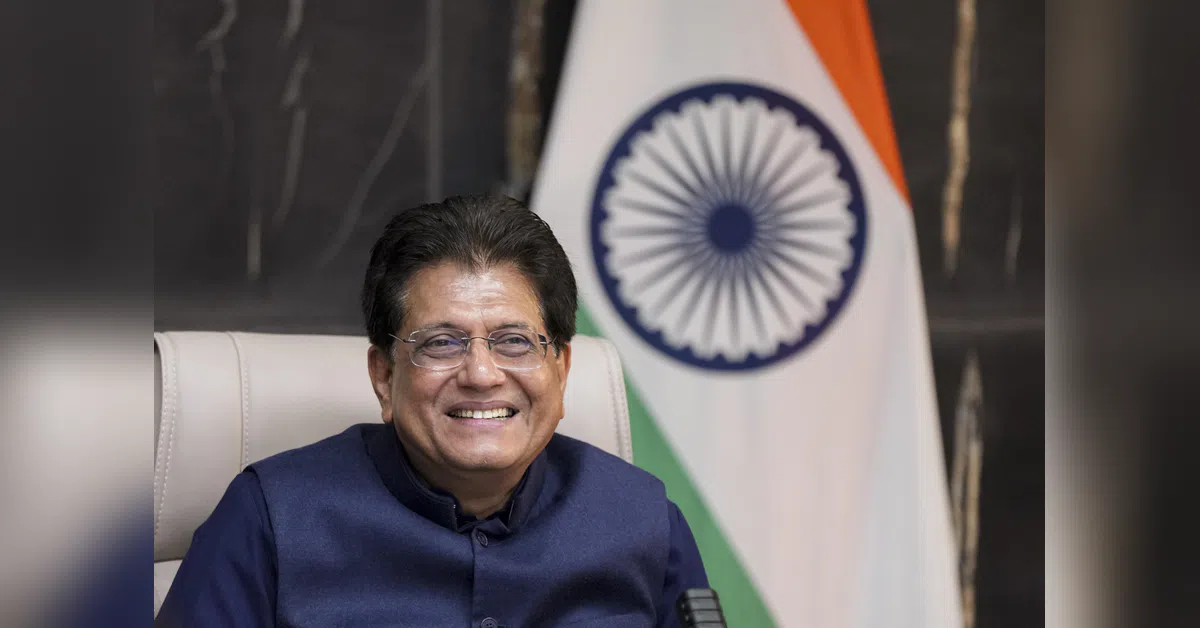
New Delhi, India – [Current Date] – In a significant stride towards bolstering India’s manufacturing prowess and enhancing the ease of doing business, Union Commerce Minister Piyush Goyal on Saturday officially launched the guidelines for the ‘Bharat Audyogik Vikas Yojna’, aptly acronymed BHAVYA. This ambitious central government initiative, backed by a formidable financial outlay of ₹33,660 crore, aims to fundamentally transform India’s industrial landscape by developing 100 state-of-the-art industrial parks across the nation. Designed as "plug-and-play" investment and manufacturing hubs, these parks are envisioned to operate in close partnership with state governments, promising a new era of industrial development and economic growth.
The announcement, made during a comprehensive press briefing, underscored the government’s commitment to creating a conducive environment for industries, fostering job creation, and strengthening domestic supply chains. The BHAVYA scheme, which received Union Cabinet approval approximately two months prior, is poised to address long-standing challenges faced by industries, offering ready infrastructure and streamlined processes to accelerate operational commencement.
Main Facts: A Paradigm Shift in Industrial Development
The BHAVYA scheme, a portmanteau for ‘Bharat Audyogik Vikas Yojna’ (India Industrial Development Scheme), represents a monumental undertaking by the Indian government to catalyze industrial growth through a meticulously planned network of modern industrial parks. With a substantial financial commitment of ₹33,660 crore, the scheme’s primary objective is to establish 100 world-class industrial parks, strategically located across the geographical expanse of the country. These parks are not merely land parcels designated for industry but are conceived as comprehensive, integrated ecosystems designed for efficiency and ease of operation.
Central to the scheme’s philosophy is the "plug-and-play" model, a revolutionary concept aimed at drastically reducing the time and cost associated with setting up industrial units. Under this model, industries will find pre-approved land, ready-to-use infrastructure, and integrated services, allowing them to commence operations almost immediately upon arrival. This eliminates the often-arduous process of land acquisition, obtaining multiple clearances, and developing basic utilities – bottlenecks that have historically deterred investors and slowed industrial expansion.
Minister Goyal emphasized that the BHAVYA scheme is a critical "ease of doing business measure," designed to dismantle bureaucratic hurdles and foster a more investor-friendly climate. By partnering with state governments, the Centre seeks to leverage local expertise and resources while ensuring a unified national vision for industrial development. The parks will be developed under the overarching framework of the National Industrial Corridor Development Programme (NICDP), signaling a cohesive strategy for infrastructure-led growth. This integration with NICDP ensures that the new parks benefit from existing planning and connectivity initiatives, further amplifying their potential.
The scope of these parks is ambitious, with sizes ranging from 100 to 1,000 acres, providing ample space for diverse industrial activities. A crucial flexibility is introduced for hilly states, where parks can be approved on a more compact 25 acres, acknowledging topographical constraints while ensuring equitable development across all regions. Financial assistance from the Centre is substantial, offering up to ₹1 crore per acre for internal infrastructure development, covering essential amenities like internal roads, underground utilities, drainage systems, common effluent treatment facilities, warehousing, testing labs, and even worker housing. Furthermore, the scheme proposes support for external infrastructure, up to 25 percent of the project cost, to ensure seamless connectivity with existing transport and logistics networks, thereby enhancing last-mile connectivity and reducing logistical overheads for businesses. This holistic approach underscores the government’s commitment to building truly integrated and efficient industrial ecosystems.
Chronology: From Cabinet Approval to Phased Rollout
The journey of the BHAVYA scheme from conceptualization to its public launch has been marked by a structured and phased approach, reflecting careful planning and strategic implementation.
The foundational approval for the scheme was granted by the Union Cabinet approximately two months prior to the public announcement, setting the stage for the development of its detailed guidelines. This initial Cabinet nod provided the necessary mandate and financial commitment, transforming the vision into a concrete government program.
On Saturday, the launch of these detailed guidelines by Union Commerce Minister Piyush Goyal marked the official operational commencement of the BHAVYA scheme. This critical step provides clarity and a framework for states and union territories (UTs) to prepare and submit their proposals for industrial park development.
The rollout of the scheme is meticulously phased to ensure efficient processing and equitable distribution of resources. Minister Goyal outlined a clear timeline for inviting applications:
- Initial Phase (First Two Months): Applications for the development of 20 industrial parks will be invited from states/UTs. This initial tranche is expected to set the momentum and identify early adopters and high-potential locations.
- Subsequent Phase (Next Two Months): Following the first phase, applications for an additional 30 parks will be opened. This rapid succession aims to quickly reach a critical mass of projects, accelerating the scheme’s impact across the country.
- Later Phase: The remaining 50 parks, completing the target of 100, will be taken up in a subsequent, unspecified phase. This allows for learning and adjustments based on the experiences of the initial 50 parks.
In total, the government aims to invite applications for 50 industrial parks within the next four months. This aggressive timeline underscores the urgency and priority attached to the scheme, with a clear objective to "quickly start rolling out the scheme across the country," as stated by Minister Goyal.
Looking ahead, the government harbors optimistic expectations for the operationalization of these parks. Minister Goyal expressed confidence, stating, "We expect that in three years, these 50 parks will be operationalized." This ambitious target highlights the intent to swiftly translate plans into tangible economic activity and job creation.
The BHAVYA scheme is not a standalone initiative but is strategically aligned with the broader vision of the PM GatiShakti National Master Plan. Launched in October 2021, PM GatiShakti is a transformative approach for economic growth and sustainable development, driven by multimodal connectivity infrastructure projects. The industrial parks under BHAVYA are planned in line with PM GatiShakti’s principles, focusing on integrated planning, multimodal connectivity, efficient last-mile access, and integrated underground utility corridors. This alignment ensures that the new industrial ecosystems are seamlessly integrated into the national infrastructure grid, benefiting from improved logistics, reduced transit times, and lower operational costs for industries. This long-term vision positions BHAVYA as a crucial pillar in India’s journey towards becoming a global manufacturing hub.
Supporting Data: The Financial and Structural Backbone
The efficacy and ambition of the BHAVYA scheme are firmly anchored in its robust financial allocation and detailed structural provisions. The sheer scale of the investment and the granular planning reflect a comprehensive approach to industrial development.
Financial Outlay and Assistance:
The scheme boasts a substantial ₹33,660 crore financial outlay, signifying a major commitment from the central government. This significant investment is earmarked for various components of the scheme, primarily focusing on infrastructure development.
- Internal Infrastructure Support: The Centre will provide up to ₹1 crore per acre for the development of essential internal infrastructure within the industrial parks. This direct financial injection is crucial for states and private partners to build high-quality, ready-to-use facilities. This covers a wide spectrum of utilities and services:
- Internal Roads: Ensuring smooth movement of goods and personnel within the park.
- Underground Utilities: Including electricity, water supply, and communication lines, minimizing disruptions and maximizing aesthetic appeal.
- Drainage Systems: Essential for environmental management and preventing waterlogging.
- Common Treatment Facilities: Such as Common Effluent Treatment Plants (CETPs), crucial for sustainable industrial operations and environmental compliance, particularly for clusters of industries with similar waste streams.
- Warehousing: Facilitating efficient storage and logistics for raw materials and finished goods.
- Testing Labs: Providing critical quality control and research facilities.
- Worker Housing Facilities: Acknowledging the importance of workforce welfare and reducing commuting burdens.
- External Infrastructure Support: Recognizing that internal park infrastructure alone is insufficient without robust external connectivity, the scheme proposes support for external infrastructure up to 25 percent of the project cost. This aims to improve crucial links with existing transport and logistics networks, including national highways, railways, ports, and airports, thereby enhancing the overall efficiency of the supply chain.
- Private Sector Partnership: To encourage broader participation and leverage private expertise, the scheme includes a provision for states to partner with private sector players. Under such collaborations, the Centre would provide assistance of ₹50 lakh per acre, demonstrating a willingness to co-invest and de-risk private participation in industrial park development.
Park Size and Flexibility:
The envisioned industrial parks are designed to accommodate a diverse range of industries and investment scales:
- Standard Park Size: The typical industrial parks will range from 100 to 1,000 acres, offering significant land parcels suitable for large-scale manufacturing units, multi-sectoral clusters, and logistics hubs.
- Hilly States Provision: Acknowledging the unique geographical challenges in hilly regions, the scheme allows for industrial parks to be approved on a smaller footprint of 25 acres of land. This flexibility ensures that states with difficult terrains are not excluded from the benefits of industrial development.
Implementing Agency and Experience:
The implementation of the BHAVYA scheme is anchored by the National Industrial Corridor Development Corporation (NICDC), operating under the Department for Promotion of Industry and Internal Trade (DPIIT). NICDC brings a wealth of experience and expertise to this endeavor:
- Current Portfolio: NICDC is currently implementing 20 industrial corridor projects across 13 states, showcasing its proven capability in large-scale industrial infrastructure development.
- Project Management Agency Role: Furthermore, NICDC serves as the project management agency for seven PM MITRA (Mega Integrated Textile Region and Apparel) parks under the textiles ministry, demonstrating its versatility and capacity to manage diverse industrial initiatives. This dual experience positions NICDC as a highly competent entity to drive the BHAVYA scheme.
States Showing Interest:
Preliminary interest from several key industrial states indicates a strong potential for the scheme’s widespread adoption. States like Rajasthan, Maharashtra, West Bengal, and Haryana have already expressed enthusiasm, suggesting a competitive environment for attracting investments and developing these parks. These states often possess existing industrial bases, skilled labor, and strategic locations, making them prime candidates for the initial phases of BHAVYA.
The meticulous detailing of financial assistance, infrastructure components, size flexibility, and the involvement of an experienced implementing agency like NICDC provides a robust framework for the successful execution of the BHAVYA scheme.
Official Responses: Vision, Expectations, and Collaborative Framework
The launch of the BHAVYA scheme guidelines was accompanied by detailed pronouncements from Union Commerce Minister Piyush Goyal, outlining the government’s vision, expectations from state governments, and the collaborative framework underpinning this ambitious initiative.
Minister Goyal unequivocally positioned the BHAVYA scheme as a pivotal "ease of doing business measure." This core message underscores the government’s unwavering commitment to simplifying regulatory processes, reducing compliance burdens, and creating an environment where businesses can thrive with minimal friction. The "plug-and-play" concept is central to this, promising a significant departure from the traditional, often cumbersome, process of industrial setup.
A crucial aspect of the scheme’s success hinges on the active participation and cooperation of state governments. Goyal articulated the Centre’s expectation for states to provide a "favourable environment" to encourage industrial development. This isn’t merely a passive request; it’s a call for proactive measures from states, including efficient land acquisition, competitive power tariffs, adequate water supply, and streamlined approval mechanisms. The Minister implicitly suggested a competitive federalism approach, where states offering better facilities in terms of land, water, and power are likely to attract more investors and, consequently, a higher share of the BHAVYA industrial parks. States like Rajasthan, Maharashtra, West Bengal, and Haryana have already demonstrated their foresight by expressing interest, indicating a healthy competition to capitalize on this central initiative.
The selection process for projects under BHAVYA will be rigorous and merit-based, conducted through a "challenge-based process." This mechanism is designed to incentivize states to submit "investment-ready and reform-oriented proposals." It encourages states not just to apply, but to present compelling cases that highlight their readiness, commitment to reforms, and ability to attract and support industrial investments. This competitive selection process is intended to ensure that resources are allocated to projects with the highest potential for success and economic impact.
To ensure rapid and efficient project execution, states have been specifically requested to undertake several key actions:
- Establish Special Purpose Vehicles (SPVs): These dedicated entities will be crucial for focused project management, financial oversight, and streamlined decision-making for each industrial park.
- Notify Planning Authorities: Designating specific planning authorities will ensure that the development of these parks adheres to local regulations while also benefiting from dedicated administrative support.
- Establish Single-Window Clearance Systems: This is a critical reform aimed at consolidating various departmental approvals under one roof, drastically reducing the time and effort required for businesses to obtain necessary permits and licenses. This directly contributes to the "ease of doing business" objective.
Minister Goyal’s projection of 50 parks being operationalized within three years highlights the urgency and rapid execution expected from both central and state governments. This ambitious timeline reflects a desire to quickly translate policy into tangible economic outcomes.
The government’s commitment to sustainability is also a significant aspect of the official discourse. The parks are planned to incorporate provisions for green energy and sustainable resource use. This includes adopting renewable energy sources, promoting energy efficiency, water conservation, and waste management practices, aligning with India’s broader environmental goals and global commitments. This forward-looking approach ensures that industrial growth is not pursued at the expense of environmental well-being.
Furthermore, a statement issued in March clarified the institutional framework for the scheme’s implementation. It confirmed that the National Industrial Corridor Development Corporation (NICDC), operating under the Department for Promotion of Industry and Internal Trade (DPIIT), would anchor the implementation. This institutional clarity provides a stable and experienced platform for the scheme’s execution, leveraging NICDC’s proven track record in developing large-scale industrial infrastructure. The government’s overall messaging emphasizes a collaborative, competitive, and sustainable approach to industrial development, with a clear focus on creating a conducive environment for both domestic and international investors.
Implications: A Multifaceted Impact on India’s Economic Landscape
The BHAVYA scheme, with its ambitious scope and strategic design, carries profound implications across various facets of India’s economic and industrial landscape. Its successful implementation could mark a transformative period for the nation, propelling it towards its aspirations of becoming a global manufacturing powerhouse.
1. Economic Impact and Job Creation:
The most immediate and tangible implication is the potential for massive job creation. By developing 100 new industrial parks, the scheme will generate direct employment through construction, park management, and the establishment of new manufacturing units. Indirect employment will proliferate across allied sectors such as logistics, services, retail, and local support industries. This influx of jobs will be crucial for India’s large youth population, addressing unemployment concerns and fostering economic empowerment. Furthermore, the scheme is expected to significantly boost India’s manufacturing output and contribute substantially to the GDP. By attracting domestic and foreign investment into these ready-to-use facilities, India can enhance its position in global supply chains, reduce import dependence, and achieve its target of a $5 trillion economy. The strategic dispersal of these parks across the "length and breadth of the country" will also promote balanced regional development, bringing industrial growth and prosperity to areas that might have historically lagged.
2. Enhanced Ease of Doing Business:
The "plug-and-play" model is a game-changer for improving India’s global ranking in ease of doing business. By offering pre-approved land, ready infrastructure, and integrated services, the scheme drastically reduces the setup time and associated costs for businesses. The mandate for states to establish single-window clearance systems will further simplify regulatory processes, cutting down bureaucratic delays and providing a more predictable and efficient operating environment for investors. This streamlined approach will not only attract new investments but also encourage existing businesses to expand and innovate within these modern ecosystems.
3. Infrastructure Development and Modernization:
BHAVYA will lead to the development of state-of-the-art industrial ecosystems. The detailed provisions for internal and external infrastructure – including multimodal connectivity, efficient last-mile access, integrated underground utility corridors, and common treatment facilities – will create highly efficient and resilient industrial zones. The alignment with the PM GatiShakti National Master Plan ensures that these parks are seamlessly integrated into a national infrastructure grid, optimizing logistics and reducing operational costs. The focus on reducing maintenance disruptions through integrated utility corridors represents a forward-thinking approach to sustainable infrastructure management.
4. Boost to Manufacturing and ‘Make in India’:
By providing a conducive environment for manufacturing, the scheme will significantly strengthen domestic supply chains and boost the ‘Make in India’ initiative. The cluster-based development model, where manufacturers, suppliers, and service providers operate in close proximity, fosters collaboration, innovation, and efficiency. This concentration of industrial activity can lead to economies of scale, shared knowledge, and a more competitive manufacturing sector capable of competing globally. It will also facilitate the localization of production, reducing reliance on imports and enhancing India’s self-reliance (Atmanirbhar Bharat).
5. Collaborative and Competitive Federalism:
The scheme exemplifies a model of collaborative federalism, where the Centre and states work hand-in-hand towards a common goal of industrial development. However, the "challenge-based process" for project selection also introduces an element of competitive federalism. States will be incentivized to compete by offering better facilities, quicker clearances, and more attractive investment environments, ultimately leading to improved governance and service delivery across the country. This healthy competition will drive states to implement reforms and create more favorable conditions for industrial growth.
6. Sustainability and Green Industrialization:
The explicit inclusion of provisions for green energy and sustainable resource use positions BHAVYA as a pathway towards sustainable industrialization. By encouraging renewable energy adoption, water conservation, and efficient waste management, the parks will contribute to India’s climate goals and promote environmentally responsible manufacturing practices. This focus on sustainability will also make Indian industries more attractive to global investors who prioritize environmental, social, and governance (ESG) factors.
7. Potential Challenges and Considerations:
Despite its immense potential, the scheme is not without its challenges. Land acquisition remains a perennial hurdle in India, and while the "plug-and-play" model aims to mitigate this, securing large parcels of land in desirable locations will require careful planning and state cooperation. Timely execution within the ambitious three-year operationalization target for 50 parks will demand robust project management and inter-departmental coordination. Environmental clearances, even with streamlined processes, will need to be meticulously managed to avoid delays. Furthermore, attracting specific industries and ensuring a balanced mix of sectors within each park will be crucial for their long-term viability and success. Skill development will also be paramount to provide the specialized workforce required by these modern industrial units.
In conclusion, the BHAVYA scheme is more than just an infrastructure project; it is a strategic blueprint for India’s industrial future. By addressing systemic challenges, fostering collaboration, and promoting sustainable practices, it has the potential to significantly elevate India’s position as a global manufacturing hub, creating widespread prosperity and employment opportunities for its citizens. Its successful implementation will be a testament to India’s commitment to economic reform and inclusive growth.
