

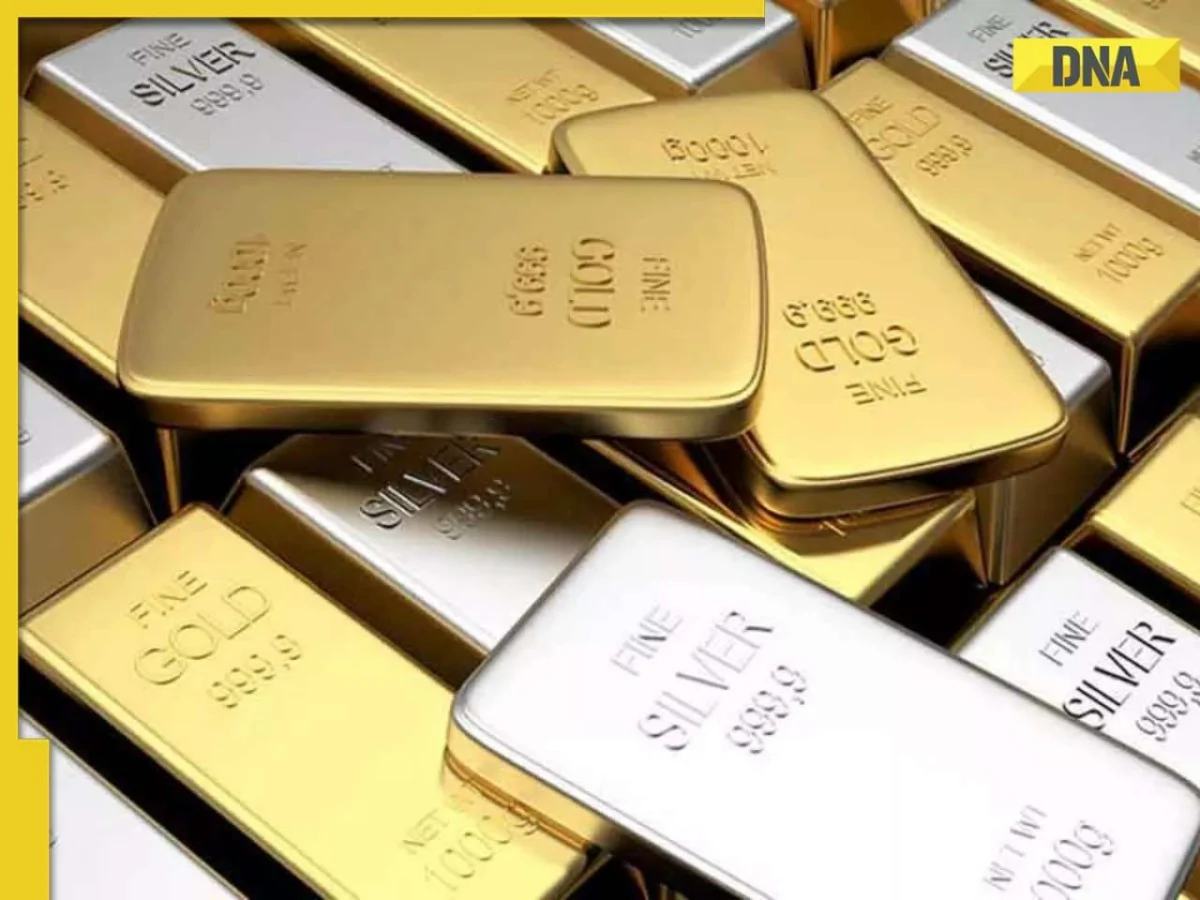
Mumbai, India – May 22, 2026 – India’s vibrant precious metals market continues its intricate dance with global economic forces, domestic demand, and currency valuations. As of May 22, 2026, gold prices have registered a slight upward movement, primarily driven by persistent global inflationary pressures and sustained international demand for safe-haven assets. Silver, while less volatile than its yellow counterpart, maintains a steady trajectory, underpinned by its dual role as an investment metal and an essential industrial commodity.
The Indian market, a significant global consumer of both gold and silver, remains highly sensitive to these external and internal dynamics. Today’s figures underscore a resilient yet cautiously optimistic sentiment among investors and consumers alike, navigating a complex economic landscape that continues to evolve.
Main Facts: A Snapshot of Today’s Rates
On Thursday, May 22, 2026, the price of 24-karat gold (999 purity) across major Indian cities averaged around Rs 15,705 per gram, marking a subtle but notable increase from recent sessions. Similarly, 22-karat gold, the preferred purity for jewellery in India, was quoted at approximately Rs 14,396 per gram. This upward trend reflects a confluence of factors, including a marginally weaker Indian Rupee against the US Dollar and renewed interest from global institutional investors.
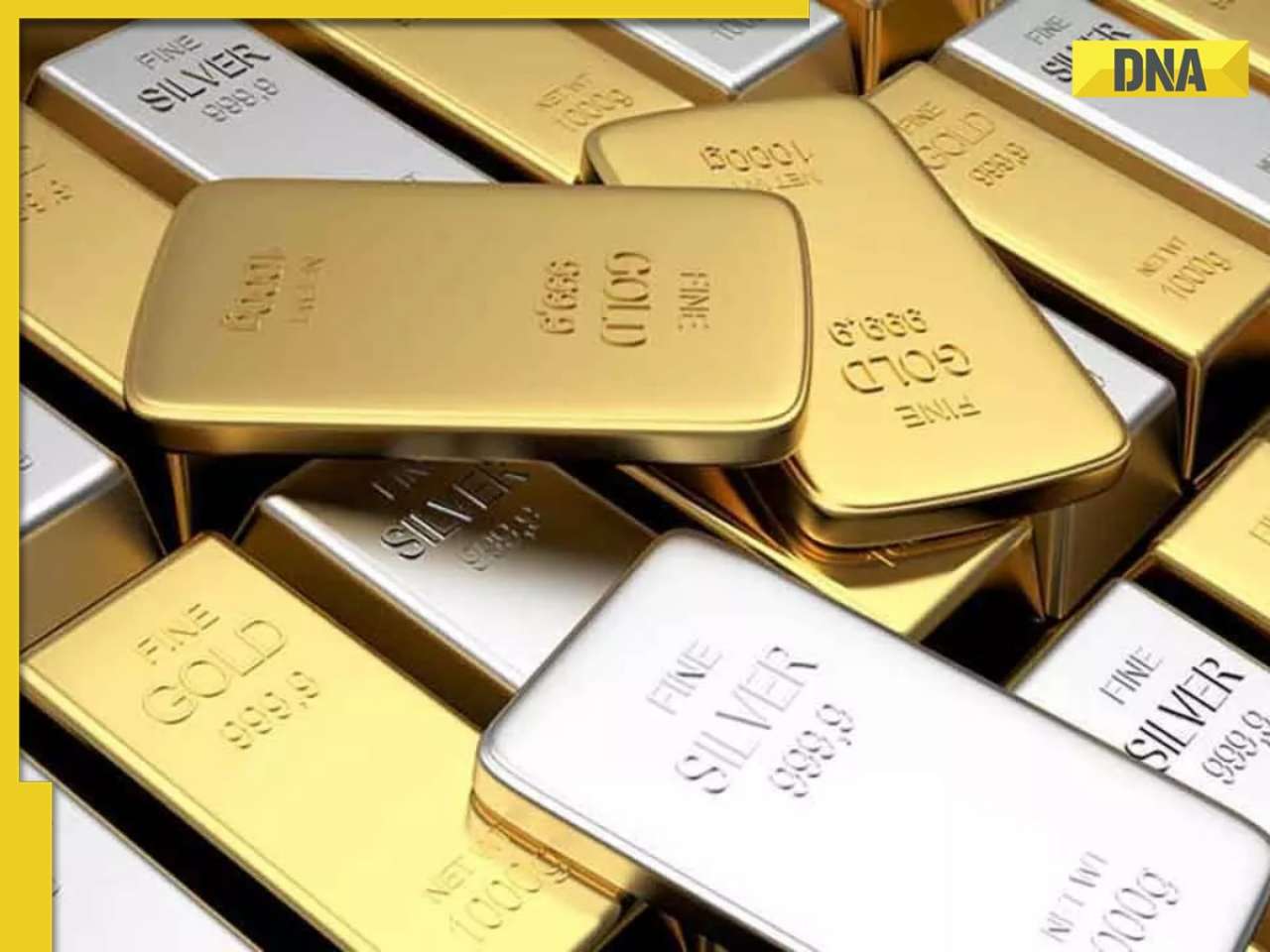
Silver prices, on the other hand, displayed relative stability. Pure silver (999 purity) was trading at approximately Rs 2,84,900 per kilogram, or Rs 2,849 per 10 grams, across key metropolitan centres. Silver 925 (sterling silver), commonly used in ornaments and silverware, was priced at Rs 2,79,000 per kilogram. This stability can be attributed to a balanced demand-supply scenario, where industrial consumption offsets any short-term speculative movements.
Current Precious Metal Rates (May 22, 2026):
- 24K Gold (999 Purity):
- Average India Price: Rs 15,705 per gram
- Delhi: Rs 15,720 per gram
- Mumbai: Rs 15,705 per gram
- Kolkata: Rs 15,705 per gram
- Chennai: Rs 16,223 per gram
- 22K Gold (91.67% Purity):
- Average India Price: Rs 14,396 per gram
- Delhi: Rs 14,411 per gram
- Mumbai: Rs 14,396 per gram
- Kolkata: Rs 14,396 per gram
- Chennai: Rs 14,871 per gram
- Silver (999 Purity):
- Average India Price: Rs 2,84,900 per kilogram (Rs 2,849 per 10 grams)
- Delhi: Rs 2,849 per 10 grams
- Mumbai: Rs 2,849 per 10 grams
- Kolkata: Rs 2,849 per 10 grams
- Chennai: Rs 2,849 per 10 grams
- Silver 925 (Sterling Silver):
- Average India Price: Rs 2,79,000 per kilogram
It is notable that Chennai consistently registers higher gold prices compared to other major cities. This variation is often attributed to regional taxes, specific local market dynamics, and robust demand, particularly for traditional South Indian jewellery, which commands a premium.
)
Chronology: Tracing the Path to Today’s Prices
The current pricing levels for gold and silver on May 22, 2026, are the culmination of several influential trends observed over the past year and, more acutely, in the preceding months of 2026. The journey has been marked by periods of both significant rallies and measured corrections, reflecting the dynamic interplay of global macroeconomics and localised sentiment.
H3: A Look Back: 2025’s Volatility and 2026’s Steady Ascent
Throughout much of 2025, precious metals experienced a rollercoaster ride. Gold, in particular, benefited from escalating geopolitical tensions, especially in Eastern Europe and parts of the Middle East, which spurred strong safe-haven buying. Concerns over persistent global inflation, particularly in major economies like the US and Europe, also played a crucial role. Central banks globally continued their trend of accumulating gold reserves, further buttressing prices against significant downturns. Silver, benefiting from gold’s coattails, also saw gains, albeit with greater volatility due to its industrial demand component. Any news of manufacturing slowdowns or accelerations had an immediate impact on silver futures.

H3: The Early Months of 2026: Consolidation and Renewed Momentum
As 2026 commenced, the initial quarter saw a period of consolidation for both metals. After reaching multi-year highs in late 2025, some profit-taking activity led to a slight moderation in prices. However, this period was short-lived. By late February and early March, fresh triggers emerged. Speculation around the US Federal Reserve’s interest rate trajectory shifted, with markets pricing in a slower pace of rate cuts than previously anticipated. This initially strengthened the US Dollar, putting some downward pressure on gold.
Yet, a countervailing force soon took hold: renewed global inflation concerns. Energy prices, particularly crude oil, began ticking upwards again, reigniting fears of a broader inflationary environment. This served as a strong catalyst for gold, which is traditionally viewed as a hedge against inflation. Simultaneously, robust manufacturing data from China and Europe revitalized industrial demand forecasts, providing a solid floor for silver prices. The Indian Rupee, meanwhile, experienced moderate depreciation against the US Dollar in April and May, making imported gold and silver more expensive in local currency terms, thus contributing to the slight price increases observed today.
)
The period leading up to May 22, 2026, has thus been characterized by a gradual, yet firm, upward trajectory for gold, primarily driven by a defensive investment stance in the face of economic uncertainties. Silver has mirrored this trend, albeit with its own unique demand drivers from the industrial sector providing additional support.
Supporting Data: Deconstructing the Price Drivers
Understanding the prevailing prices of gold and silver requires a deeper dive into the multifaceted factors that exert influence across international and domestic arenas.
H3: Global Market Trends: The International Compass
)
The international price of gold, primarily benchmarked by the London Bullion Market Association (LBMA) and COMEX futures, serves as the bedrock for Indian pricing. Several global indicators are currently shaping this benchmark:
- US Dollar Strength/Weakness: The inverse relationship between gold and the US Dollar is a fundamental principle. A stronger Dollar makes gold more expensive for holders of other currencies, potentially dampening demand, and vice-versa. Today’s slight weakening of the Dollar against a basket of major currencies has provided some tailwind for gold.
- Global Inflation Outlook: With major economies still grappling with inflation that remains above central bank targets, gold’s appeal as an inflation hedge has intensified. Investors are seeking avenues to preserve purchasing power, making gold an attractive option.
- Interest Rate Expectations: The anticipated path of interest rates by central banks, especially the US Federal Reserve, is a critical determinant. Higher interest rates typically make non-yielding assets like gold less attractive. However, with the current narrative suggesting a pause or slower rate hikes in some regions, gold has found room to appreciate.
- Geopolitical Stability: Ongoing conflicts and political uncertainties globally continue to fuel safe-haven demand for gold. Investors flock to the precious metal during times of crisis, viewing it as a reliable store of value.
- Central Bank Purchases: Global central banks have been net buyers of gold for several consecutive quarters, a trend that underscores gold’s role as a reserve asset and provides fundamental support to its price. This institutional demand acts as a significant stabilizing factor.
H3: Local Demand Dynamics: India’s Unique Influence
India’s cultural affinity for gold, coupled with its economic structure, creates unique demand patterns:
)
- Festive and Wedding Season Demand: Though May is not typically the peak of India’s major festive season, the underlying demand for gold jewellery for weddings and auspicious occasions remains a constant. Anticipation of upcoming festivals like Diwali and Akshaya Tritiya, even months in advance, can influence market sentiment and dealer stocking decisions.
- Rural Demand: A significant portion of India’s gold demand originates from rural areas, where it is often seen as a traditional investment and a form of financial security, especially for those with limited access to formal banking. Good monsoons and agricultural output can directly translate into increased rural gold purchases.
- Investment Demand: Beyond physical jewellery, Indian investors are increasingly turning to digital gold, gold ETFs, and sovereign gold bonds. These avenues provide convenient and secure ways to invest in gold, contributing to overall demand without necessarily impacting physical market supply immediately.
- Industrial Consumption (Silver): For silver, industrial demand is a critical component. India’s growing electronics, solar energy, and medical device sectors consume substantial amounts of silver. Global industrial recovery and technological advancements directly impact silver prices, making it more sensitive to economic growth forecasts than gold.
H3: Currency Fluctuations: The Rupee’s Role
The exchange rate between the Indian Rupee (INR) and the US Dollar (USD) is a pivotal factor in domestic gold and silver prices. Since India imports almost all its gold, a weaker Rupee makes these imports more expensive in local currency terms, pushing up prices for consumers. Conversely, a stronger Rupee can help cushion international price increases. The recent moderate depreciation of the INR against the USD has contributed to the marginal rise in local gold prices, despite relatively stable international rates.
H3: Inflationary Pressures and Economic Growth
)
The broader economic environment, including domestic inflation and GDP growth, plays a significant role. When inflation is high, investors often turn to gold as a hedge. For silver, robust economic growth, particularly in manufacturing and technology, translates directly into higher industrial demand, thus supporting its price. India’s steady economic growth trajectory, combined with persistent domestic inflationary trends, creates a fertile ground for sustained interest in precious metals.
Official Responses and Expert Commentary
The current precious metals market, with its blend of global and local influences, has drawn attention from economists, market analysts, and industry stakeholders. Their perspectives offer valuable insights into the present and future trajectory of gold and silver.
H3: Views from Market Analysts
)
Dr. Anjali Sharma, a prominent commodity analyst based in Mumbai, highlighted the enduring appeal of gold in an uncertain global economy. "The slight uptick in gold prices today is a clear signal that global investors are still seeking safe havens amidst lingering inflation concerns and geopolitical flux," she stated. "Even with central banks attempting to normalize monetary policies, the underlying fear of currency debasement keeps gold highly attractive. For India, the depreciating rupee adds another layer to this, making gold a double-edged sword for consumers – more expensive to acquire, but potentially a better hedge against local inflation."
Regarding silver, Dr. Sharma noted, "Silver’s stability is quite encouraging. Its dual nature as an investment asset and an industrial metal means it benefits from both safe-haven flows and economic expansion. With global manufacturing showing signs of recovery and significant investments in renewable energy technologies, silver’s industrial demand outlook remains robust, providing a strong floor for its prices even if investment demand ebbs and flows."
H3: Industry Perspectives
)
Mr. Rajesh Gupta, President of the All India Jewellers Association, emphasized the resilience of domestic demand. "Despite the marginal increase in gold prices, we anticipate steady demand, especially as we move closer to the latter half of the year, which is traditionally strong for weddings and festivals," Mr. Gupta explained. "Indian consumers view gold not just as an ornament but as an integral part of their financial planning and cultural heritage. The price fluctuations are usually absorbed, particularly by serious buyers and those investing for long-term security."
He also touched upon the regional price disparities. "The higher prices in Chennai, for instance, are not uncommon. They reflect local market conditions, specific tax structures, and the immense cultural significance of gold in South Indian traditions, where demand often remains inelastic to minor price movements."
H3: Government and Regulatory Considerations
)
While there were no immediate official government statements on today’s price movements, policymakers continue to monitor the precious metals market closely due to its significant impact on India’s economy. Gold imports, being a major component of the current account deficit, are always under scrutiny. The government’s various schemes, such as Sovereign Gold Bonds, aim to channel physical gold demand into financial instruments, thereby reducing reliance on imports. Analysts suggest that any significant surge in international gold prices, coupled with a weaker Rupee, could prompt the government to re-evaluate import duties to manage the trade balance, though such measures are typically reserved for more dramatic market shifts.
Implications: Navigating the Future of Precious Metals
The current market scenario on May 22, 2026, carries significant implications for various stakeholders, from individual investors and consumers to the broader Indian economy. Understanding these ramifications is crucial for making informed decisions.
H3: For Investors: Balancing Risk and Reward
)
For investors, gold and silver continue to serve as important diversification tools within a portfolio. The slight rise in gold prices today reinforces its role as a hedge against inflation and economic uncertainty.
- Gold: Long-term investors may view the current levels as an opportunity to accumulate gold, especially if global inflation persists and geopolitical risks remain elevated. However, short-term traders might need to be wary of potential corrections if global central banks adopt a more aggressive stance on interest rate hikes, or if the US Dollar strengthens significantly. Digital gold, gold ETFs, and sovereign gold bonds offer convenient and cost-effective ways to invest without the complexities of physical storage.
- Silver: Silver’s dual nature makes it an attractive, albeit more volatile, investment. Its industrial demand provides a strong growth component linked to global economic recovery and green energy transitions. Investors keen on benefiting from both safe-haven attributes and industrial growth might find silver appealing, but should also be prepared for its higher price fluctuations compared to gold.
H3: For Consumers: Strategic Purchases
For consumers planning jewellery purchases, particularly for weddings or gifting, today’s prices suggest a need for strategic planning.
)
- Anticipation of Festivals: With major festivals and wedding seasons on the horizon, consumers might consider purchasing gold in phases or exploring options like booking at fixed rates (if offered by jewellers) to mitigate future price volatility.
- Purity and Design: Understanding the difference between 24K and 22K gold is vital for consumers. While 24K offers higher purity for investment, 22K is preferred for jewellery due to its durability. Consumers should also factor in making charges and GST, which significantly add to the final cost.
- Silver as an Alternative: Given its relative stability and lower price point, silver remains a popular choice for ornaments and gifts, particularly in regions where silver traditions are strong. It also presents a more accessible entry point for new investors.
H3: For the Indian Economy: A Continuous Balancing Act
The price and demand for precious metals have profound implications for India’s macroeconomic health:
- Current Account Deficit (CAD): As a major importer, higher gold and silver prices, coupled with strong domestic demand, can inflate India’s import bill, exacerbating the CAD. This puts pressure on the Rupee and can affect overall economic stability.
- Inflationary Impact: While gold acts as a hedge for individuals, its rising cost can contribute to imported inflation, affecting consumer purchasing power for other goods and services.
- Financialization of Savings: The government’s push for financialization of physical gold savings through instruments like Sovereign Gold Bonds aims to channel household savings into productive assets, reducing the economic burden of physical gold imports. Success in this area is crucial for long-term economic stability.
H3: Future Outlook: A Landscape of Continued Volatility and Opportunity
)
Looking ahead, market analysts predict that precious metals will continue to be influenced by a mix of global economic indicators and geopolitical developments. The trajectory of inflation, the monetary policy decisions of major central banks, and the stability of the US Dollar will be key determinants for gold. For silver, the pace of global industrial growth, especially in emerging technologies, will be paramount.
Experts suggest that while short-term volatility is likely, the long-term fundamentals for both gold and silver remain supportive, particularly given their roles as safe-haven assets and essential industrial commodities. Investors and consumers are advised to stay informed, consider their individual financial goals, and consult with financial advisors to navigate the nuanced landscape of India’s precious metals market. The intricate interplay of global forces and local preferences ensures that gold and silver will remain at the heart of India’s financial and cultural fabric for the foreseeable future.
