

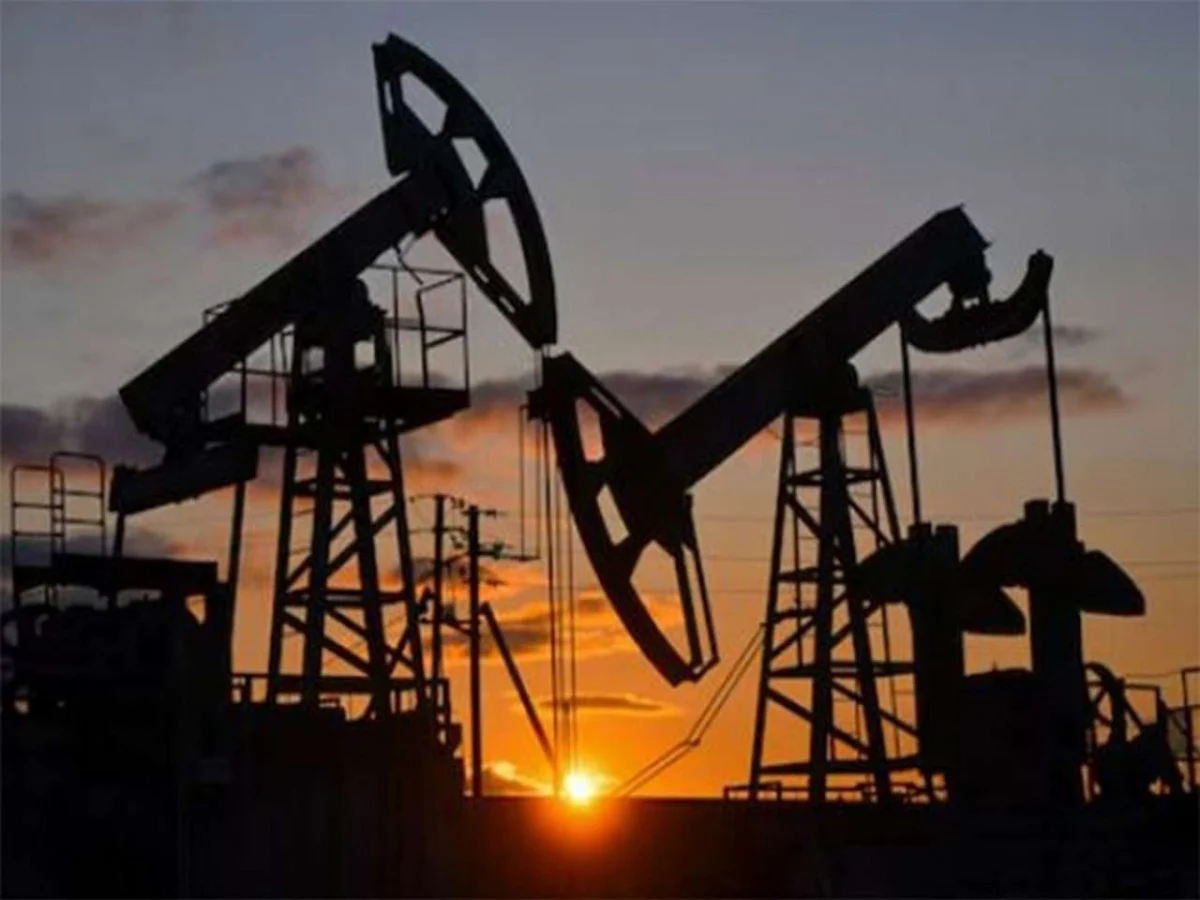
Riyadh, Saudi Arabia – In a move that has sent reverberations across global energy markets, Saudi Arabia, the world’s largest oil exporter, has announced its sharpest crude oil price reduction for Asian buyers in over two decades. The unprecedented decision to slash the official selling price (OSP) for its flagship Arab Light crude for August shipments by a staggering $11 per barrel signals a significant strategic shift, transforming the pricing structure from a premium to a $1.50-per-barrel discount compared to the Oman-Dubai benchmark. This dramatic reversal comes mere weeks after geopolitical tensions had propelled oil prices to multi-month highs, underscoring a rapid recalibration of market priorities from supply scarcity to an intensifying battle for market share amidst burgeoning supply and softening demand.
The Kingdom’s decision, announced by state oil giant Aramco, immediately recast the narrative surrounding global oil. It has ignited discussions among analysts and policymakers about the true state of global demand, the efficacy of OPEC+ production policies, and the fierce competition unfolding in Asia, the world’s most critical crude importing region. For major consumers like India, which relies heavily on imported crude, the development presents a complex mix of potential economic relief and lingering uncertainty regarding domestic fuel prices.
The Saudi Gambit: A Strategic Price Reversal
The core of Saudi Arabia’s latest move lies in the pricing of its Arab Light crude, a benchmark grade widely traded and indicative of broader market sentiment. For August deliveries, the price has been adjusted downwards by a substantial $11 per barrel. More critically, this adjustment shifts its status from a premium over the Oman-Dubai benchmark to a discount of $1.50 per barrel. This is not merely a tactical price cut; it represents a strategic repositioning designed to aggressively defend market share in a highly competitive landscape.
The Oman-Dubai benchmark is a crucial reference point for Middle Eastern crude sales to Asia, reflecting the supply and demand dynamics within that vital region. Historically, Saudi Arabia’s premium pricing reflected its position as a reliable, high-quality supplier with significant market leverage. The shift to a discount, therefore, is a powerful signal of the Kingdom’s intent to prioritize sales volume and market presence, even at the expense of higher per-barrel revenues. This aggressive pricing strategy suggests a recognition of underlying market weakness and a proactive measure to maintain customer loyalty against a backdrop of increasing alternatives.
)
A Volatile Precursor: Geopolitical Tensions and Supply Fears
The timing of this significant price adjustment is particularly noteworthy, following a period of pronounced volatility in global oil markets. Just weeks prior to the announcement, crude prices had experienced a sharp uptick, fueled by an escalating military standoff between the United States and Iran. This confrontation, which included threats to maritime shipping in the critical Strait of Hormuz, sent shockwaves through the market, pushing Brent crude significantly higher and sparking fears of a renewed energy crisis. The Strait of Hormuz is a narrow chokepoint through which approximately 20% of the world’s total petroleum liquids consumption flows, making any disruption there a major concern for global supply.
The Strait of Hormuz Crisis and Its Aftermath:
The initial surge in oil prices was largely driven by a "geopolitical risk premium." Traders priced in the potential for supply disruptions from the Middle East, fearing that a military escalation could severely impede oil transit through the Strait. This speculative buying pushed benchmarks like Brent crude well above levels seen earlier in the year, leading to widespread concern among consuming nations about energy security and inflationary pressures.

However, the fears that gripped the market proved to be relatively short-lived. Diplomatic efforts and a de-escalation of rhetoric led to a gradual easing of tensions. Transit through the Strait of Hormuz mostly returned to normal operations, and Gulf oil exports, which had faced initial apprehension, bounced back robustly. This swift recovery effectively deflated the geopolitical risk premium that had been built into oil prices. The market quickly shifted its focus away from immediate supply shocks, recognizing that the physical flow of oil remained largely unimpeded.
Resilient Supply Amidst Uncertainty:
Compounding the fading geopolitical concerns was a concerted effort by major producers to increase supply. The OPEC+ alliance, comprising the Organization of the Petroleum Exporting Countries and its allies including Russia, had previously agreed to a gradual increase in output. From August, the alliance was set to raise its collective production by another 188,000 barrels per day, a move designed to stabilize markets and potentially offset any perceived deficits. Furthermore, individual producers within the Gulf, such as the United Arab Emirates (UAE), also demonstrated increased production capacity and willingness to bring more crude to market. This confluence of recovering Gulf exports and rising OPEC+ output contributed significantly to an easing of supply concerns. The market narrative began to pivot from an impending shortage to a more balanced, or even potentially oversupplied, outlook.
)
The Asian Crucible: A Battle for Market Share
The primary battleground for this strategic pricing maneuver is Asia, a region that holds unparalleled importance in the global oil trade. As the world’s largest crude importing region, Asia’s energy demands are immense and continuously growing, driven by the economic engines of nations like India, China, Japan, and South Korea. These countries collectively represent the lion’s share of Saudi Arabia’s crude oil exports, making their market share in Asia paramount to the Kingdom’s economic stability and long-term energy strategy.
Asia’s Insatiable Appetite and Strategic Importance:
For decades, Saudi Arabia has been a dominant and reliable supplier to Asian economies, building strong trade relationships based on consistent supply and competitive pricing. The sheer volume of oil consumed by Asian industrial and transportation sectors makes it an indispensable market for any major exporter. Maintaining a strong foothold in this region is not just about current revenues but also about long-term strategic influence and market positioning in a rapidly evolving energy landscape. The decision to cut prices so drastically underscores the intense competition Saudi Arabia perceives in this vital market.
)
The Russian Factor: Sanctions and Shifting Trade Routes:
A major catalyst for the intensified competition in Asia has been the geopolitical fallout from the conflict in Ukraine. Western sanctions imposed on Russia, traditionally a major oil supplier to Europe, forced Moscow to reorient its energy exports. With European markets largely closed off, Russia aggressively sought new buyers in Asia, particularly India and China. To incentivize these new clients, Russian crude was offered at significant discounts, often well below international benchmarks.
This influx of discounted Russian crude fundamentally altered the competitive dynamics in Asia. India and China, always keen to secure cheaper energy to fuel their growing economies, swiftly became Russia’s biggest clients. The availability of these lower-priced alternatives put direct pressure on traditional suppliers like Saudi Arabia, compelling them to re-evaluate their pricing strategies to remain competitive. The Saudi price cut is, in essence, a direct response to this challenge, a clear attempt to protect its long-standing market share against the formidable price advantage offered by Russian oil.
)
China’s Economic Headwinds: A Demand-Side Concern:
Beyond competition, another critical factor influencing Saudi Arabia’s decision is the palpable slowdown in China’s economic recovery. As the world’s second-largest economy and its largest oil importer, China’s economic health directly correlates with global oil demand. Following initial optimism about a post-pandemic rebound, China’s economy has faced several headwinds, including a struggling property sector, weaker-than-expected manufacturing output, and subdued consumer spending.
This economic deceleration has translated into softer oil consumption projections from China, casting a shadow over the global demand outlook. When the largest consumer of crude shows signs of weakness, it inevitably creates a surplus in the market, putting downward pressure on prices. Saudi Arabia’s steep discount can thus be interpreted not only as a defensive move against rivals but also as an acknowledgment of this underlying demand weakness from its most crucial customer. It’s a pragmatic response to ensure that Saudi crude continues to find buyers in a market where demand growth is no longer as robust or predictable as once assumed.
)
Implications for Global Oil Dynamics
Saudi Arabia’s record discount is more than just a pricing adjustment; it points to a significant shift in the global oil market’s underlying dynamics. The focus has decisively moved from concerns about potential supply shortages to a growing apprehension of oversupply.
From Scarcity to Surplus: A Paradigm Shift:
For much of the past few years, the narrative surrounding oil markets has often been dominated by fears of underinvestment in new production, geopolitical disruptions, and the potential for supply deficits. However, several factors have combined to flip this script. OPEC+ is gradually bringing back production curtailed during the pandemic, Gulf shipments have recovered quickly after regional tensions, and the pace of demand growth, particularly from key economies, remains uncertain. This confluence of factors has created a situation where the market is now more concerned about finding buyers for available crude than about securing sufficient supply.
)
OPEC+’s Balancing Act:
The Saudi price cut also places OPEC+ in a precarious position. As the de facto leader of the alliance, Saudi Arabia’s actions often set the tone for the group. While the alliance has sought to manage supply and stabilize prices, individual member countries have their own revenue needs and market share aspirations. An aggressive price strategy by Saudi Arabia could compel other OPEC+ members to follow suit, potentially leading to increased internal competition and making it harder for the group to maintain its collective output targets and price management strategies. The unity and effectiveness of OPEC+ in orchestrating future supply adjustments will be closely watched.
Impact on Other Producers:
The implications extend beyond OPEC+. Non-OPEC+ producers, particularly high-cost producers like US shale oil companies, could face renewed pressure. Lower international crude prices erode profit margins, potentially impacting investment decisions in new drilling and exploration. This could slow down future supply growth from non-OPEC+ sources, although the resilience of US shale has often surprised market observers. In the long run, sustained low prices could lead to consolidation in the industry and a re-evaluation of energy investment strategies globally.
)
The Specter of a Price War:
While not explicitly a "price war" in the traditional sense, Saudi Arabia’s aggressive move against discounted Russian crude in Asia certainly carries the hallmarks of intensified competition. If other major producers, including Russia, respond by further cutting their prices to maintain market share, the global oil market could descend into a prolonged period of lower prices. Such a scenario would have significant implications for the revenues of oil-exporting nations, potentially impacting their national budgets and economic stability, while offering a boon to consuming nations.
India’s Position: A Cautious Optimism
For India, one of the world’s largest and most rapidly growing energy consumers, the Saudi price cut is a development of considerable importance. India meets approximately 85% of its crude oil needs through imports, making its economy highly susceptible to global oil price fluctuations.
)
A Major Beneficiary of Cheaper Crude:
Cheaper crude oil directly translates into several tangible economic benefits for India. Firstly, it significantly trims the nation’s import bill, which can run into billions of dollars annually. A reduced import bill, in turn, helps to strengthen the current account balance, a critical macroeconomic indicator. Secondly, lower crude prices are a potent tool in the fight against inflation. Energy costs permeate almost every sector of the economy, and cheaper oil can help cool inflationary pressures, providing relief to consumers and businesses alike. Thirdly, it offers the government some much-needed fiscal breathing room. With lower subsidy burdens or potentially higher tax revenues from increased economic activity, the government gains greater flexibility in its expenditure planning.
Sectoral Advantages:
Beyond the macro benefits, several key sectors within the Indian economy stand to gain directly from a sustained period of cheaper crude. The aviation industry, heavily reliant on jet fuel, would see a substantial reduction in operational costs, potentially leading to lower airfares and increased passenger traffic. The logistics and transport sectors, from trucking to shipping, would also benefit from lower diesel prices, reducing freight costs and contributing to overall economic efficiency. Manufacturing industries, which use petroleum products as feedstock or for energy, would experience reduced input costs, enhancing their competitiveness.
)
The Retail Fuel Conundrum: Why Prices May Not Fall Immediately:
Despite the evident benefits of cheaper crude at the import level, Indian consumers should temper expectations for an immediate and proportional drop in retail petrol and diesel prices. The pricing mechanism for retail fuels in India is a complex interplay of various factors, only one of which is the global crude oil price.
Key determinants include:
)
- Refinery Margins: Indian oil refineries process crude into finished products like petrol and diesel, and their operational costs and profit margins are factored into the final price.
- Freight and Insurance: The cost of transporting crude oil to Indian refineries and then distributing refined products across the country adds to the final price.
- Currency Fluctuations: As crude is priced in US dollars, the exchange rate between the Indian Rupee and the US Dollar plays a crucial role. A depreciating Rupee makes crude imports more expensive in local currency terms, offsetting some of the benefits of lower dollar-denominated crude prices.
- Central and State Taxes: This is perhaps the most significant factor. Both the central government (through excise duties) and state governments (through Value Added Tax – VAT) levy substantial taxes on petrol and diesel. These taxes often form a large proportion of the final retail price and can be adjusted by governments based on their fiscal needs, often absorbing global price drops rather than passing them on entirely to consumers.
- Oil Marketing Companies (OMC) Pricing Decisions: Public sector OMCs (like Indian Oil, BPCL, HPCL) play a pivotal role. They have a degree of autonomy in pricing, and their decisions are often influenced by past "under-recoveries" (when they sold fuel below cost) or "over-recoveries." They may choose to absorb some of the benefits of cheaper crude to shore up their balance sheets before passing on the full benefit to consumers. The duration for which global crude prices remain low will be a critical determinant of whether and when these benefits translate into lower pump prices for the average Indian consumer.
Long-term Energy Security and Diversification:
For India, the current scenario also offers an opportunity to further diversify its energy basket. While historically reliant on Middle Eastern suppliers, India has actively sought to broaden its sourcing, notably increasing imports from Russia in the wake of the Ukraine conflict. The increased competition and potentially lower prices from various sources enhance India’s energy security by reducing over-reliance on any single region or supplier.
Market Benchmarks and Future Outlook
Global oil benchmarks like Brent crude and West Texas Intermediate (WTI) have been hovering around $72 a barrel and $69 a barrel, respectively. These levels are strikingly similar to the pre-escalation prices seen before the US-Iran hostilities picked up, indicating that much of the geopolitical risk premium from that period has indeed faded.
)
Persistent Geopolitical Undercurrents:
However, analysts universally caution that risks haven’t entirely dissipated. The underlying tensions between the US and Iran remain unresolved, and the broader geopolitical landscape in the Middle East is inherently volatile. Any fresh disruption in the Strait of Hormuz, a renewed military flare-up, or unexpected supply outages in other major producing regions could swiftly send oil prices climbing again, reversing the current downward trend. The Russia-Ukraine conflict also continues to introduce uncertainty, particularly regarding global energy flows and sanctions regimes.
Demand Uncertainty: The China Factor and Global Growth:
Beyond geopolitics, the demand side of the equation remains clouded by uncertainty. The pace of China’s economic recovery is a major variable, and a deeper or more prolonged slowdown than anticipated could further dampen global oil demand. Furthermore, concerns about a potential recession in major Western economies, driven by high inflation and aggressive interest rate hikes, continue to loom. Should global economic growth falter significantly, oil demand would likely follow suit, sustaining pressure on prices.
)
Conclusion: A Major Shift in Global Oil Dynamics
Saudi Arabia’s unprecedented crude oil price cut for Asian buyers signals a profound shift in global oil market dynamics. The focus has undeniably moved from the anxieties of supply shortages to the realities of potential oversupply and fierce competition. As OPEC+ gradually restores output, Gulf shipments stabilize, and demand growth faces headwinds, particularly from a slowing China, the market is entering a new phase.
For Saudi Arabia, this aggressive pricing strategy is a clear and unequivocal message: it intends to defend its crucial market share in Asia against all rivals, especially the influx of discounted Russian crude. For major crude buyers like India, this intensified competition could prove beneficial. If global oil prices remain subdued in the coming months, India stands to gain through reduced import bills, a strengthened current account, and lower inflationary pressures. However, the extent to which these benefits translate into cheaper petrol and diesel for the end consumer will depend as much on the complex interplay of domestic taxes, currency movements, and oil marketing company decisions as on global oil trends. The world is watching to see if this Saudi maneuver marks the beginning of a sustained period of lower oil prices or merely a tactical adjustment in an inherently volatile market.
