

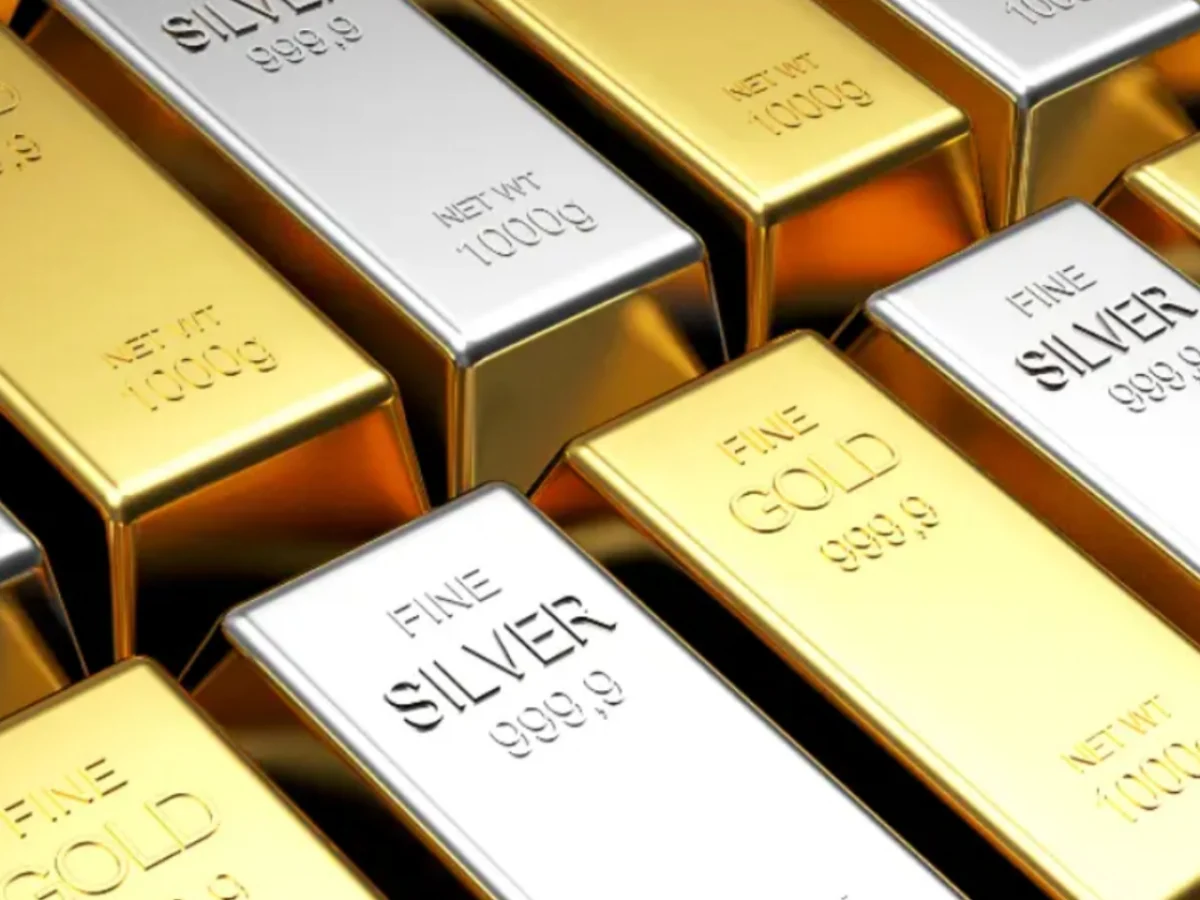
New Delhi, India – July 6, 2026 – India’s vibrant precious metals market, a critical barometer of both global economic sentiment and domestic financial health, witnessed a nuanced trading day on July 6, 2026. Gold prices experienced a slight uptick, driven primarily by persistent global inflationary pressures and robust international demand, while silver maintained its steady appeal, influenced by both investment interest and growing industrial applications. The intricate interplay of global market trends, fluctuating currency exchange rates, and India’s unique domestic consumption patterns continues to shape the daily valuations of these coveted commodities.
As of today, the benchmark 24K gold is priced at ₹14,672 per gram nationally, with 22K gold, widely used in jewellery, trading at ₹13,449 per gram. Silver, the industrial powerhouse, is commanding ₹2,49,900 per kilogram for 999 purity, and ₹2,49,000 per kilogram for 925 sterling silver. This marginal upward movement underscores the enduring resilience of precious metals as a hedge against economic uncertainties, even as global economies navigate a complex recovery landscape.
A Deep Dive into Gold Prices on July 6, 2026
The allure of gold, deeply ingrained in India’s cultural and financial fabric, remains undiminished. On July 6, 2026, the yellow metal registered a modest increase, reflecting broader macroeconomic forces at play.
National Gold Price Overview
Across India, the price for 24K gold, representing 99.9% purity and often preferred for investment vehicles like gold bars and coins, settled at ₹14,672 per gram. Meanwhile, 22K gold, the standard for intricate jewellery designs duetaining 91.67% pure gold mixed with other metals for durability, was quoted at ₹13,449 per gram. This distinction in purity is crucial for consumers, as it directly impacts both the price and the intended use of the metal. The slight upward trajectory observed today is a direct consequence of sustained global demand, with investors increasingly turning to gold as a safe-haven asset amidst inflationary concerns that continue to ripple through major economies. The weakening of the Indian Rupee against the US Dollar, a common phenomenon in periods of global economic flux, also plays a pivotal role, making imported gold relatively more expensive in local currency terms.
)
City-Wise Gold Rates: A Regional Perspective
While national averages provide a broad overview, gold prices in India exhibit regional variations, influenced by local taxes, transportation costs, and specific market dynamics. According to data compiled from Good Returns, the city-wise rates on July 6, 2026, were as follows:
- Gold prices in Delhi: The capital city saw 24K gold at ₹14,687 per gram and 22K gold at ₹13,464 per gram. Delhi’s rates often reflect the broader northern Indian market sentiment and are influenced by its status as a major trading hub.
- Gold prices in Mumbai: India’s financial capital mirrored the national average, with 24K gold at ₹14,672 per gram and 22K gold at ₹13,449 per gram. Mumbai’s market is heavily influenced by international trends due to its direct connection to global commodity exchanges.
- Gold prices in Kolkata: The eastern metropolis also aligned with the national benchmark, recording 24K gold at ₹14,672 per gram and 22K gold at ₹13,449 per gram. Kolkata’s market often reflects a blend of traditional demand and modern investment patterns.
- Gold prices in Chennai: The southern hub presented a notable deviation, with 24K gold priced at ₹14,954 per gram and 22K gold at ₹13,699 per gram. Chennai’s higher prices are often attributed to the strong cultural affinity for gold in South India, leading to consistently higher demand, coupled with potential local levies and logistical factors. This regional premium is a recurring feature in the Indian gold market, especially during auspicious seasons.
Understanding Silver’s Trajectory on July 6, 2026
Silver, often overshadowed by its more lustrous counterpart, gold, holds significant economic importance in India. Its dual role as an industrial metal and a precious commodity gives its price dynamics a unique character.

National Silver Price Overview
On July 6, 2026, the price of 999 pure silver, the highest purity available, stood at ₹2,49,900 per kilogram nationally. For Silver 925, also known as sterling silver and commonly used in jewellery and silverware, the rate was ₹2,49,000 per kilogram. While generally less expensive than gold, silver’s volatility can sometimes outpace gold due to its substantial industrial demand. The metal is a crucial component in various high-tech applications, including electronics, solar panels, and medical devices. Global industrial output and technological advancements, therefore, exert a considerable influence on its price movements. India’s own manufacturing sector growth and demand for silverware, particularly in certain regions, also contribute to the local price landscape.
Regional Silver Price Disparities
Similar to gold, silver prices exhibit regional variations across India:
)
- Silver price in Delhi today: 999 pure silver was priced at ₹2499 per 10 grams.
- Silver price in Mumbai today: Mumbai also recorded 999 pure silver at ₹2499 per 10 grams.
- Silver price in Kolkata today: Kolkata’s silver rate was consistent with Delhi and Mumbai at ₹2499 per 10 grams.
- Silver price in Chennai today: Chennai once again stood out with a higher price of ₹2599 per 10 grams for 999 pure silver. This consistent premium in Chennai for both gold and silver highlights the pronounced regional demand and potential supply-chain specificities in South India.
Chronology of Price Influences: A Look Back at 2026’s Trends
The current price points for gold and silver on July 6, 2026, are not isolated figures but rather the culmination of several months of economic developments, both global and domestic. The first half of 2026 has been marked by a complex interplay of factors that have steadily shaped the precious metals market.
At the beginning of 2026, commodity markets were largely reacting to the lingering effects of global inflation from the previous year, coupled with hawkish stances from major central banks, including the US Federal Reserve and the Reserve Bank of India (RBI). Gold, traditionally an inflation hedge, saw initial support, but aggressive interest rate hikes in Q1 2026 by central banks to tame inflation led to a brief cooling-off period, as higher yields on government bonds made non-yielding assets like gold less attractive.
)
However, as Q2 2026 progressed, the narrative began to shift. Concerns about the efficacy of monetary tightening on economic growth started to emerge. Geopolitical tensions in Eastern Europe and parts of Asia resurfaced as significant drivers of safe-haven demand. Investors, wary of potential global economic slowdowns or recessions, increasingly diversified their portfolios into precious metals. This renewed interest was further bolstered by a slight easing in the US Dollar’s strength in late Q2, which typically makes dollar-denominated commodities more affordable for international buyers, thereby boosting demand.
For silver, the early part of 2026 saw its prices largely tracking gold, but with an added layer of volatility stemming from industrial demand. Global manufacturing indices showed a mixed performance, leading to fluctuating demand for silver in electronics and green technologies. By June 2026, a stronger-than-expected rebound in certain industrial sectors, particularly in renewable energy and electric vehicles, provided a significant boost to silver’s trajectory, contributing to its current robust positioning.
)
Domestically, the Indian Rupee’s performance against the US Dollar has been a critical factor throughout the year. While the RBI has intervened to manage volatility, a general trend of mild depreciation against a strong dollar has contributed to higher landed costs for imported gold and silver, passing on these costs to Indian consumers. Furthermore, anticipatory buying ahead of the upcoming festive season, traditionally starting in the latter half of the year, has begun to exert its influence, creating a baseline of sustained demand.
Supporting Data and Economic Indicators
The current price trends are deeply rooted in a matrix of global and domestic economic indicators that inform market sentiment and trading decisions.
)
Global Economic Landscape
The global economy in mid-2026 is characterized by persistent, albeit moderating, inflation. While central banks have made strides in curbing price pressures, headline inflation rates in key economies remain above their long-term targets. This sustained inflationary environment continues to bolster gold’s appeal as a traditional store of value.
- Interest Rate Expectations: The market is closely watching signals from the US Federal Reserve, European Central Bank (ECB), and other major central banks regarding future interest rate policies. Any indication of a pause or reversal in rate hikes tends to support gold prices, as the opportunity cost of holding non-yielding assets decreases. Conversely, aggressive tightening can put downward pressure.
- Geopolitical Stability: Ongoing geopolitical flashpoints, particularly in Eastern Europe and the Middle East, contribute to market uncertainty. Such periods typically trigger ‘flight to safety’ phenomena, driving capital towards assets perceived as safe havens, like gold.
- Global Manufacturing PMI: For silver, the Global Manufacturing Purchasing Managers’ Index (PMI) is a crucial indicator. A robust PMI signals strong industrial activity, increasing demand for silver in electronics, solar cells, and automotive catalytic converters. Any slowdown, conversely, can dampen silver’s industrial demand.
Domestic Economic Factors
India’s internal economic dynamics play an equally significant role in shaping local precious metal prices.
)
- INR-USD Exchange Rate: The exchange rate between the Indian Rupee (INR) and the US Dollar (USD) is paramount. Since gold and silver are predominantly imported and priced in USD globally, a weaker INR makes these metals more expensive for Indian buyers. For example, if the INR depreciates from ₹82 to ₹83 against the USD, the cost of importing an ounce of gold (priced in USD) increases when converted to rupees, leading to higher local prices.
- Domestic Consumption Patterns: India’s demand for gold and silver is heavily seasonal, peaking during wedding seasons and major festivals like Dhanteras and Diwali. This intrinsic demand provides a strong floor for prices, often leading to premiums over international rates. Urban demand, driven by investment, and rural demand, often linked to agricultural prosperity and cultural practices, both contribute significantly.
- Government Policies and Import Duties: While not explicitly mentioned in the daily price report, government policies related to import duties on gold and silver significantly impact local prices. Any increase in these duties directly translates to higher consumer prices, while reductions can make metals more affordable. The Indian government often uses these duties to manage the country’s current account deficit.
Official Responses and Expert Commentary
Given the sensitivity and economic importance of precious metal prices, market analysts and economists offer insights, while government bodies maintain a vigilant watch.
Views from Market Analysts
"The current stability, coupled with a slight upward trend in gold, reflects a prudent hedging strategy by institutional investors against persistent inflation and global uncertainties," commented Dr. Alok Singh, a Senior Commodity Analyst at Capital Markets India. "While central banks are committed to price stability, the market isn’t entirely convinced the battle against inflation is over. This sentiment, combined with a moderately depreciating Rupee, is providing a firm floor for gold prices."
)
Regarding silver, Ms. Priya Sharma, an independent metals market strategist, noted, "Silver’s performance is particularly interesting. Its dual nature means it responds to both safe-haven flows and industrial demand. The renewed optimism in global manufacturing, especially in sectors like solar and electric vehicles, is giving silver a robust underlying demand, helping it maintain its value even as gold faces some headwind from potential interest rate adjustments."
Analysts generally project continued volatility but with a bullish bias for precious metals in the medium term, contingent on global economic recovery trajectories and inflation management. They advise investors to maintain a diversified portfolio, with a strategic allocation to gold and silver as a hedge.
)
Government’s Stance
While the Reserve Bank of India (RBI) does not directly intervene in daily commodity prices, it closely monitors the import of gold and silver due to their significant impact on India’s current account deficit. Sources within the Ministry of Finance indicate that authorities are observing global market trends and currency fluctuations with keen interest. "Our primary focus remains on maintaining macroeconomic stability," a senior official, who wished to remain anonymous, stated. "While we understand the cultural and investment significance of gold, we also ensure that its import does not disproportionately strain our foreign exchange reserves. Policies, including import duties, are reviewed periodically to strike this balance."
The government’s stance typically aims to ensure market stability, protect consumer interests, and manage the broader economic implications of precious metal trade.
)
Implications for Consumers and Investors
The daily fluctuations in gold and silver prices carry significant implications for various stakeholders in India, from individual consumers planning purchases to sophisticated institutional investors.
For the Indian Consumer
For the average Indian consumer, particularly those planning significant life events like weddings or festival purchases, the current price levels warrant careful consideration. Gold and silver are not just commodities; they are integral to cultural traditions, often serving as a form of inherited wealth and financial security.
)
- Purchasing Power: The slight increase in gold prices means that consumers will need to allocate more funds for their desired purchases. This can particularly impact middle-income households, who often save specifically for these acquisitions.
- Timing Purchases: Many consumers attempt to time their purchases, buying during perceived dips. However, given the current volatile environment, expert advice often leans towards making purchases based on personal needs rather than speculating on short-term price movements.
- Traditional vs. Modern: While physical gold jewellery remains popular, there’s a growing awareness of alternative investment avenues like sovereign gold bonds (SGBs) and gold ETFs, which offer exposure to gold prices without the need for physical storage, making charges, or purity concerns.
For Investors
Precious metals continue to be a cornerstone of diversified investment portfolios, especially in times of economic uncertainty.
- Portfolio Diversification: Gold and silver typically have a low correlation with other asset classes like equities and bonds, making them excellent tools for portfolio diversification and risk mitigation. During market downturns, precious metals often act as a buffer.
- Inflation Hedge: The persistent inflationary environment globally reinforces the role of gold as a hedge against the erosion of purchasing power. Investors are increasingly looking at gold to protect their wealth from rising costs.
- Investment Vehicles: Investors have several options beyond physical gold, including Gold Exchange Traded Funds (ETFs), gold mutual funds, and sovereign gold bonds. Each offers different advantages in terms of liquidity, storage, and tax implications. Silver, too, is available in ETF formats, making it accessible for broader investment.
- Risk Factors: Investors must be aware of the inherent volatility of precious metals. Prices can be influenced by a myriad of factors, and past performance is not indicative of future results. Storage costs for physical metal, insurance, and making charges on jewellery are additional considerations.
Broader Economic Repercussions
The robust trade in gold and silver has wider macroeconomic implications for India.
)
- Current Account Deficit: India is one of the world’s largest importers of gold. High import volumes can significantly widen the country’s current account deficit, putting pressure on the Rupee and potentially affecting the nation’s balance of payments.
- Jewellery Industry: The jewellery manufacturing sector is a significant employer in India, contributing substantially to the economy. Price fluctuations directly impact this industry’s profitability, raw material costs, and consumer demand for finished products.
- Cultural and Economic Fabric: Gold and silver are not just commodities but are deeply woven into India’s cultural traditions, religious ceremonies, and personal savings habits. Their prices reflect not only global economic trends but also the sentiments and financial health of millions of Indian households.
Conclusion
On July 6, 2026, the Indian precious metals market presented a picture of cautious optimism and underlying strength. The modest rise in gold prices, driven by global inflationary pressures and safe-haven demand, along with silver’s steady performance supported by industrial applications, highlights the complex forces at play. From the intricate dance of international commodity markets and currency exchange rates to the unique local demand patterns shaped by culture and festivals, the prices of gold and silver in India are a dynamic reflection of both global economic realities and domestic aspirations. As the year progresses, all eyes will remain on central bank policies, geopolitical developments, and the evolving economic landscape to gauge the future trajectory of these invaluable metals.
