

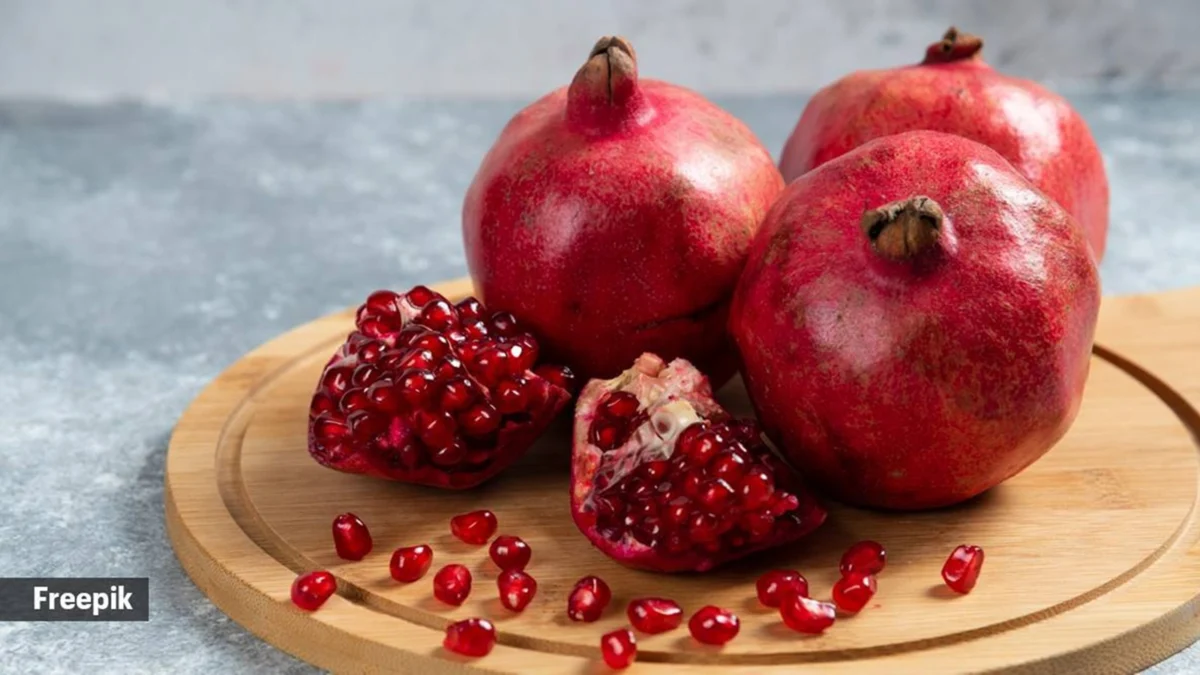
The intersection of celebrity wellness, traditional Ayurvedic wisdom, and modern nutritional science has recently been highlighted by a viral endorsement from actor and renowned yoga teacher Bijay J. Anand. In a digital landscape often crowded with complex multi-step skincare routines and expensive chemical treatments, Anand’s recommendation for achieving "glowing skin" is refreshingly simple: the daily consumption of a single pomegranate.
This article explores the narrative shared by the Pyaar To Hona Hi Tha actor, investigates the scientific validity of his claims through expert analysis, and examines the broader implications of "beauty from within" in the contemporary health and wellness industry.
Main Facts: A Father’s Advice and the "Ram Baan" of Skincare
In a recent Instagram post that resonated with thousands of followers, Bijay J. Anand shared a personal anecdote involving his 17-year-old daughter, Sanaya. Like many teenagers navigating the self-conscious years of adolescence, Sanaya expressed a keen interest in maintaining healthy, radiant skin. Eschewing the trend of topical "miracle" creams, Anand advised her to incorporate one whole pomegranate into her daily dietary routine.
Anand, who is well-versed in holistic living and yoga, described the fruit as a "Ram baan"—a Hindi term derived from the epic Ramayana, meaning an infallible remedy or a panacea. His core message was twofold: the pomegranate is a powerful tool for life and health, and it must be consumed in its whole form rather than as a juice.
According to Anand, the results were not merely anecdotal. After a month of consistent adherence to this routine, Sanaya reported a visible improvement in her skin’s radiance, prompting the actor to share the advice with the public. This endorsement brings to the forefront a fundamental principle of Ayurveda: that external beauty is a reflection of internal physiological balance.
Chronology: From Ancient Wisdom to Social Media Viral Success
The timeline of this wellness trend follows a path from traditional Eastern medicine to modern-day social media influence:
- The Roots in Ayurveda: For centuries, the pomegranate (Punica granatum) has been revered in Ayurvedic medicine. Known as "Dadima," it has been used to balance the three doshas (Vata, Pitta, and Kapha), particularly acting as a cooling agent for Pitta-related skin inflammations.
- The Parental Advice (May-June 2026): Bijay J. Anand observes his daughter’s concerns regarding her skin. Drawing from his background in yoga and holistic health, he suggests the daily pomegranate ritual.
- The Observation Period: Sanaya follows the "one pomegranate a day" rule for approximately 30 days.
- The Viral Post (July 7, 2026): Sanaya expresses her satisfaction with the results to her father. Anand records a video for Instagram, emphasizing the importance of eating the fruit whole and maintaining consistency.
- The Scientific Validation: Following the post’s popularity, nutritionists and dermatologists are consulted to verify the biological mechanisms that allow a fruit to impact skin luminosity.
Supporting Data: The Nutritional Architecture of the Pomegranate
To understand why a pomegranate might act as a "panacea" for the skin, one must look at its complex chemical composition. Pomegranates are among the most nutrient-dense fruits available, containing a unique profile of bioactive compounds that are rarely found in such high concentrations elsewhere.
1. The Power of Polyphenols and Punicalagins
Pomegranates are famous for punicalagins, extremely potent antioxidants found in the juice and peel. Research suggests that the antioxidant activity of pomegranate is three times higher than that of red wine or green tea. These antioxidants neutralize free radicals—unstable molecules produced by UV radiation, pollution, and stress—which are the primary culprits behind premature skin aging and dullness.
2. Vitamin C and Collagen Synthesis
A single pomegranate provides about 40% of the daily recommended intake of Vitamin C. This vitamin is a mandatory co-factor for the synthesis of collagen, the structural protein that gives skin its firmness and elasticity. Without adequate Vitamin C, the skin cannot repair itself effectively, leading to a loss of "glow" and the appearance of fine lines.
3. Anti-Inflammatory Properties
Chronic inflammation is often the root cause of skin issues like acne, rosacea, and general redness. Pomegranates contain high levels of ellagic acid and other flavonoids that have been shown to inhibit inflammatory pathways in the body. By reducing systemic inflammation, the fruit helps in maintaining a clear and even skin tone.
4. Natural Sun Protection
While not a replacement for sunscreen, studies have indicated that certain compounds in pomegranates can help protect the skin from UVB radiation damage. They work by inhibiting the signaling pathways that lead to DNA damage in skin cells when exposed to the sun.
Official Responses: Expert Opinions on the "Pomegranate Protocol"
While the celebrity endorsement provided the spark, health experts provide the necessary context and caution. Dt. Amreen Sheikh, Chief Dietitian at KIMS Hospitals, Thane, weighed in on the physiological impact of this routine.

The Validity of the "Glow"
Dt. Sheikh confirmed that there is significant truth to Anand’s claims. "Pomegranate is packed with antioxidants like vitamin C and polyphenols that help fight free radicals," she stated. "When your cells are protected from this oxidative stress, your skin naturally looks fresher and more radiant."
The "Whole Fruit" vs. Juice Debate
A critical point in Anand’s advice was to "eat the seeds, don’t have the juice." Experts largely agree with this distinction. Eating the whole fruit (the arils) provides:
- Dietary Fiber: Essential for gut health. A healthy gut is directly linked to clear skin (the gut-skin axis).
- Lower Glycemic Load: The fiber in the seeds slows down the absorption of sugar, preventing insulin spikes that can lead to skin inflammation and breakouts.
- Higher Nutrient Retention: Juicing often removes the fiber and some of the more stable antioxidants attached to the seed walls.
Safety and Contraindications
However, Dt. Sheikh issued a note of caution. Despite being a natural fruit, pomegranates are not suitable for everyone in high daily doses.
- Kidney Health: Due to their potassium content, individuals with chronic kidney disease should consult a specialist.
- Medication Interactions: Pomegranates can interact with certain blood thinners (like Warfarin) and cholesterol medications (statins), similar to how grapefruit affects drug metabolism.
Implications: The Shift Toward Holistic Skincare
The popularity of Bijay J. Anand’s advice signals a broader shift in consumer behavior and the wellness industry. There is a growing fatigue regarding "fast beauty"—products that offer immediate but superficial results—and an increasing interest in "slow beauty" or "nutricosmetics."
1. The Gut-Skin Axis
The medical community is increasingly recognizing the "gut-skin axis." By consuming a pomegranate daily, an individual is essentially feeding their microbiome with polyphenols that act as prebiotics. This improves digestion and reduces the toxic load on the body, which eventually manifests as clearer skin.
2. Edible Cosmetics
The trend of "eating your skincare" is becoming a multi-billion dollar industry. Consumers are looking for functional foods that offer aesthetic benefits. The pomegranate serves as a prime example of a "functional food" where the primary motivation for consumption is a specific health or beauty outcome rather than just caloric intake.
3. The Role of Lifestyle Synergy
Expert Dt. Amreen Sheikh emphasized that while the pomegranate is powerful, it is not a magic bullet. "Glowing skin requires a holistic approach, including a balanced diet, hydration, sun protection, sleep, and stress management," she noted. The implication is that the pomegranate works best when it is part of a broader commitment to health.
4. Empowerment through Simplicity
Perhaps the most significant implication of Anand’s advice is the empowerment of the consumer. In an era where a 10-step skincare routine can cost hundreds of dollars, the "one fruit a day" philosophy democratizes beauty. It suggests that health and radiance are accessible through consistent, natural, and relatively affordable dietary choices.
Conclusion: A Modern Application of Ancient Logic
Bijay J. Anand’s recommendation to his daughter, while simple, is backed by a robust combination of Ayurvedic tradition and modern nutritional data. The pomegranate is indeed a powerhouse of antioxidants and anti-inflammatory agents that can significantly enhance skin health.
However, as with any health routine, the "Pomegranate Protocol" requires consistency and an awareness of one’s own medical history. By choosing the whole fruit over processed juices and integrating it into a lifestyle of hydration and adequate sleep, individuals can harness the "Ram baan" properties of this ancient fruit to achieve a natural, healthy glow from the inside out.
DISCLAIMER: This article is based on information from the public domain and insights from nutritional experts. The content provided is for informational purposes only and does not constitute medical advice. Always consult your health practitioner or a registered dietitian before starting any new dietary routine, especially if you have underlying health conditions or are on medication.
