

HYDERABAD – In a significant move to safeguard public health and enforce stringent culinary standards, the Telangana Food Safety Department conducted a series of intensive inspections on Wednesday, May 20, 2026. The raids, which targeted popular dining establishments in both the state capital and the regional hub of Karimnagar, revealed a disturbing array of hygiene violations, ranging from the use of putrid ingredients to the suspected hazardous reuse of cooking oil.
The enforcement drive is part of an ongoing, state-wide campaign aimed at cleaning up the food industry and ensuring that Food Business Operators (FBOs) adhere strictly to the Food Safety and Standards Act. The findings from this latest round of inspections have sent shockwaves through the local community, highlighting systemic failures in hygiene and quality control at several well-known venues.
Main Facts: A Catalog of Culinary Negligence
The inspections on Wednesday focused on three primary establishments: Urban Monk Fine Dine and Baking in LB Nagar, Meld Haus Brewery in Nagole, and Ganesh Bangalore Bakery in Karimnagar. While each location presented its own unique set of failures, the common themes were a lack of sanitary maintenance, the presence of expired goods, and a blatant disregard for basic food handling protocols.
Urban Monk Fine Dine and Baking (LB Nagar)
At this establishment, food safety officers were greeted by conditions that fell far short of "fine dining" standards. The inspection team documented significant pest infestations, including the presence of cockroaches in the kitchen area. Furthermore, several food products were found to be mislabeled or well past their expiration dates, yet remained in the pantry, presumably intended for consumption.
Meld Haus Brewery (Nagole)
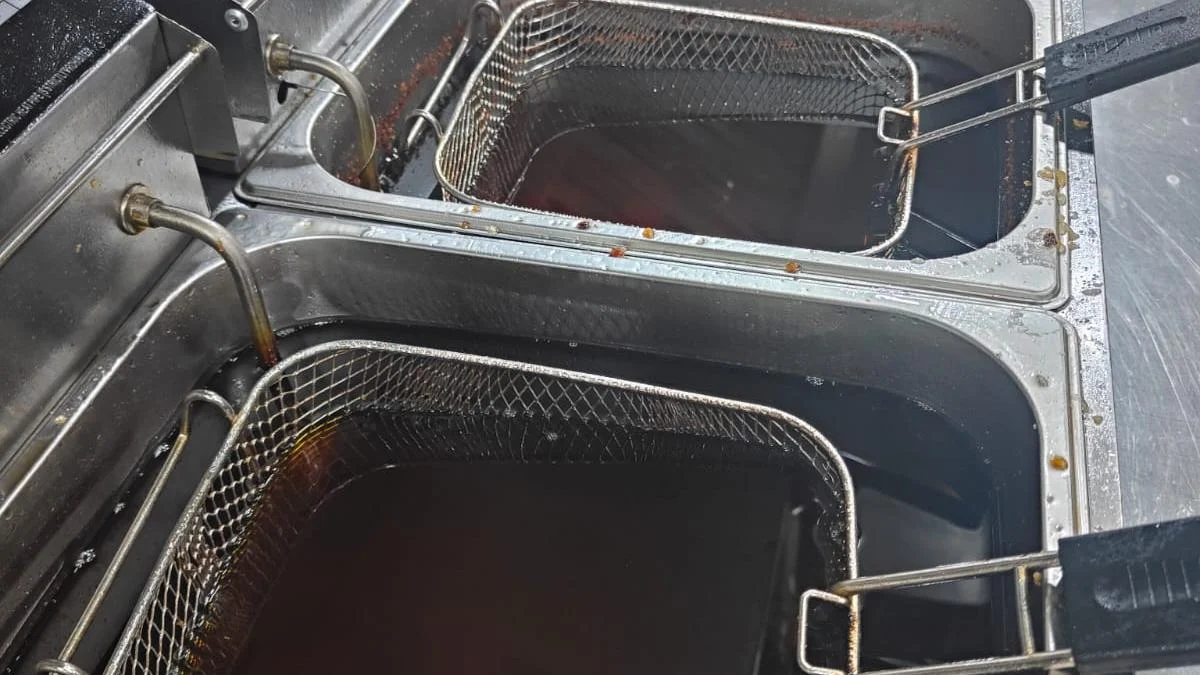
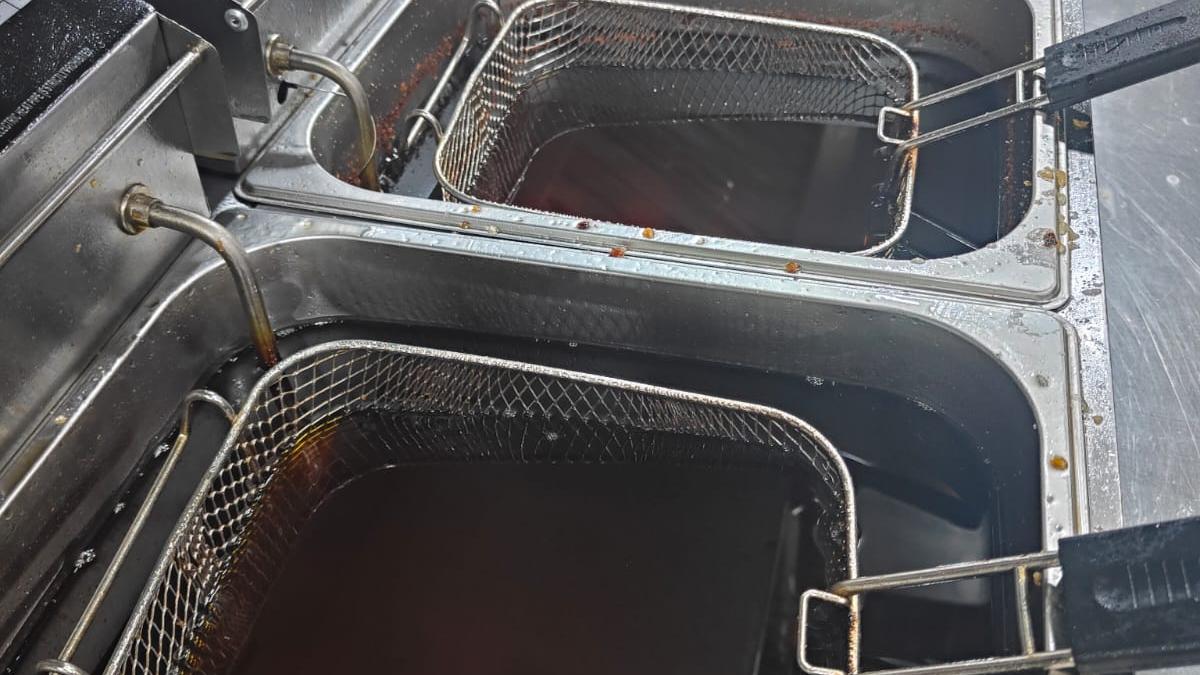
The inspection at Meld Haus Brewery uncovered similar structural and procedural issues. Officials noted improper food storage practices, where raw and cooked items were stored in a manner that invited cross-contamination. More concerning was the discovery of cooking oil that appeared dark and viscous, leading to a strong suspicion of repeated reuse—a practice known to generate carcinogenic compounds.
Ganesh Bangalore Bakery (Subhash Nagar, Karimnagar)
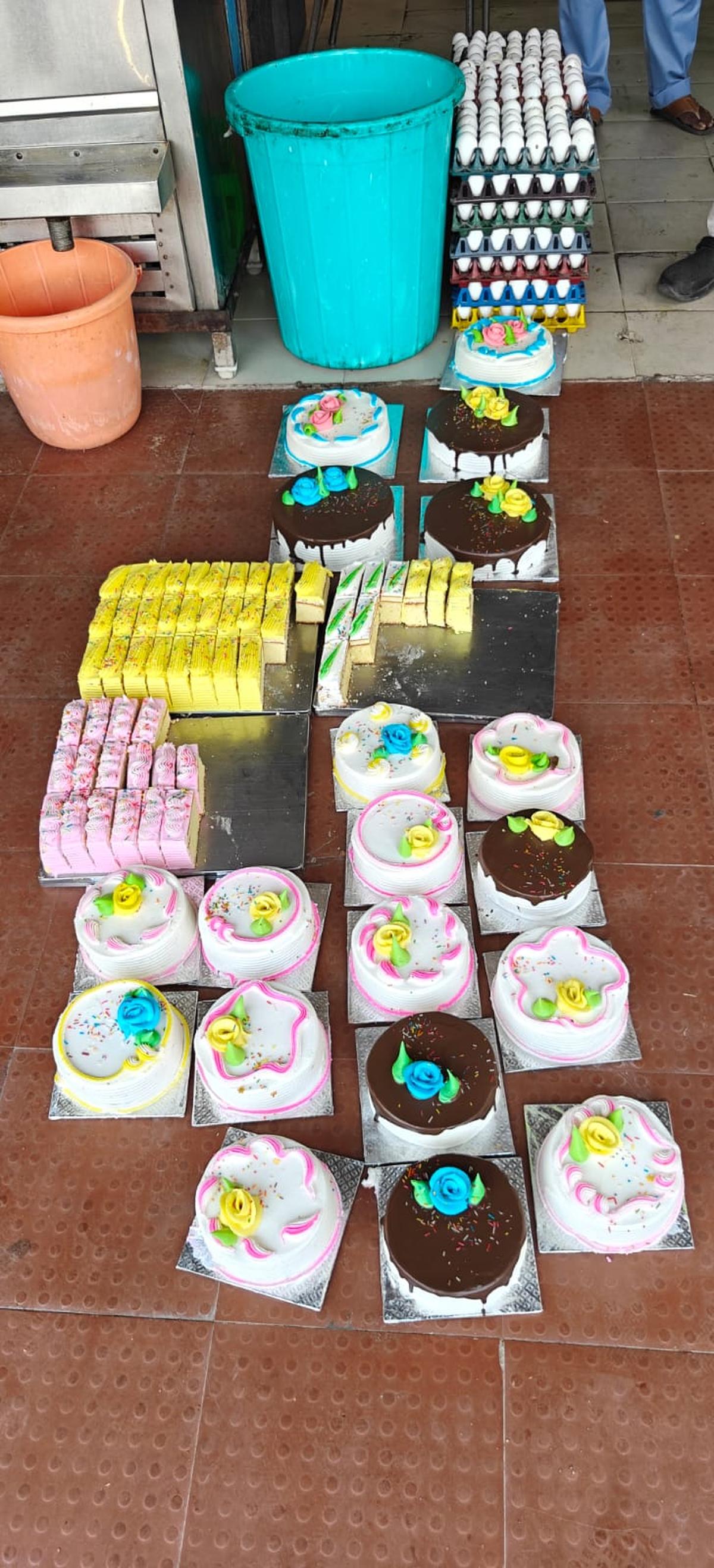
Perhaps the most egregious violations were found in Karimnagar. At Ganesh Bangalore Bakery, food safety officers discovered a cache of 750 damaged eggs. According to the official report, these eggs were "foul-smelling" and heavily infested with houseflies. Even more alarming was the discovery that approximately 20 kilograms of cakes had already been prepared, suspected to have been made using these spoiled eggs.
Chronology of the Enforcement Drive
The events of May 20 unfolded as a coordinated "surprise raid" strategy designed to catch violators before evidence could be concealed.
- 09:00 AM – 11:30 AM: Task Force teams from the Telangana Food Safety Department finalized their targets based on consumer complaints and routine surveillance data.
- 12:00 PM – 03:00 PM: Simultaneous raids commenced in Hyderabad’s LB Nagar and Nagole sectors. Officials focused on the back-of-house operations at Urban Monk and Meld Haus. During this window, the team identified the suspect oil and the pest infestation issues.
- 01:30 PM: In Karimnagar, a separate enforcement unit entered Ganesh Bangalore Bakery. The stench of decomposing eggs was reportedly immediate. Officers began the process of inventorying the damaged goods and housefly-infested materials.
- 04:00 PM: Immediate "Spot Disposal" actions were initiated. In Karimnagar, 750 eggs were crushed and discarded, and 20kg of prepared cakes were confiscated and destroyed to prevent them from reaching the market.
- 05:30 PM: Samples were officially sealed and coded for laboratory analysis. These samples included the suspected reused oil from Hyderabad and batter samples from Karimnagar.
- 08:00 PM: The Department issued a formal press note detailing the day’s findings, signaling the start of legal proceedings against the business owners.
Supporting Data: The Risks of Negligence
The violations uncovered are not merely aesthetic issues; they represent significant threats to human health. The data collected by the department highlights several critical areas of concern:
The Danger of Spoiled Eggs and Salmonella
The discovery of 750 spoiled eggs in Karimnagar is a major public health risk. Spoiled eggs are a primary breeding ground for Salmonella, a bacteria that causes severe food poisoning. Symptoms include high fever, abdominal cramps, and diarrhea, which can be life-threatening for children, the elderly, and those with compromised immune systems. The fact that 20kg of cake had already been baked suggests that hundreds of consumers could have been exposed to these pathogens.
The Science of Reused Cooking Oil
The "suspected reuse of cooking oil" at the Hyderabad establishments points to a common but dangerous cost-cutting measure. When oil is repeatedly heated, it undergoes chemical degradation through oxidation, hydrolysis, and polymerization. This process increases the concentration of Total Polar Compounds (TPC). Consuming food fried in high-TPC oil is linked to:

- Increased risk of cardiovascular diseases.
- Higher levels of "bad" LDL cholesterol.
- Exposure to acrylamides and other potential carcinogens.
The FSSAI (Food Safety and Standards Authority of India) guidelines mandate that TPC levels should not exceed 25%.
Pest Infestation and Sanitary Conditions
The presence of cockroaches and houseflies in food preparation areas is a direct violation of Schedule 4 of the FSS Act. These pests are vectors for various diseases, including E. coli and Typhoid. The department noted that "poor sanitary conditions" included a lack of proper drainage, unsealed waste bins, and a lack of mesh screens to prevent insect entry.
Official Responses and Legal Action
Following the raids, the Telangana Food Safety Department was clear in its stance: there will be zero tolerance for those who compromise the health of the public.
In a press statement, the department confirmed: "Expired and spoiled food articles, along with suspected reused cooking oil, were discarded on the spot during the inspections. Enforcement samples were collected from the establishments and sent for laboratory analysis. Necessary action is being initiated against the Food Business Operators concerned under the provisions of the Food Safety and Standards Act, 2006."
Under the FSS Act, the consequences for these violations can be severe:
- Improvement Notices: Establishments may be given a specific timeframe to rectify structural and hygiene issues.
- Financial Penalties: Fines for selling sub-standard food or operating in unsanitary conditions can range from thousands to lakhs of rupees.
- Suspension of License: In cases of severe risk to public health (such as the spoiled eggs in Karimnagar), the department has the authority to suspend or cancel the FBO’s license immediately.
- Criminal Prosecution: If the laboratory analysis confirms that the food was "unsafe" or "noxious," the owners could face imprisonment.
Implications: A Call for Industry Reform
The May 20 raids are a microcosm of a larger issue within the rapidly expanding food and beverage industry in Telangana. As Hyderabad grows as a global tech and culinary hub, the pressure on the supply chain and the temptation for "shortcuts" have increased.
For the Hospitality Industry
These inspections serve as a stern warning to the hospitality industry. High-end labels like "Fine Dine" or "Brewery" do not exempt an establishment from the fundamental rules of food safety. Industry experts suggest that these raids will likely lead to a surge in private food safety audits as restaurants scramble to ensure they are compliant before the Task Force arrives at their doorstep.
For the Consumer
For the general public, these revelations are a reminder to remain vigilant. The department encourages consumers to look for the FSSAI license number on menus and receipts and to report any suspicious hygiene practices via the official "Food Safety Voice" portal or social media channels. The transparency of the department in posting photos of the violations on platforms like X (formerly Twitter) has been praised for empowering consumers with information.
For the Government
The Telangana government has signaled that these raids are not a one-off event but part of a sustained "clean-up" operation. By targeting both urban centers like Hyderabad and regional towns like Karimnagar, the department is ensuring that food safety standards are applied uniformly across the state.
Conclusion
The findings at Urban Monk, Meld Haus, and Ganesh Bangalore Bakery are a sobering reminder of the invisible risks present in the food service industry. While the 20kg of contaminated cake and 750 spoiled eggs were successfully intercepted, the incident underscores the need for continuous, rigorous monitoring.
As the laboratory results for the collected samples are awaited, the message from the Telangana Food Safety Department remains clear: the privilege of feeding the public comes with the absolute responsibility of ensuring their safety. For those who fail to uphold this trust, the law will be swift and uncompromising.
